

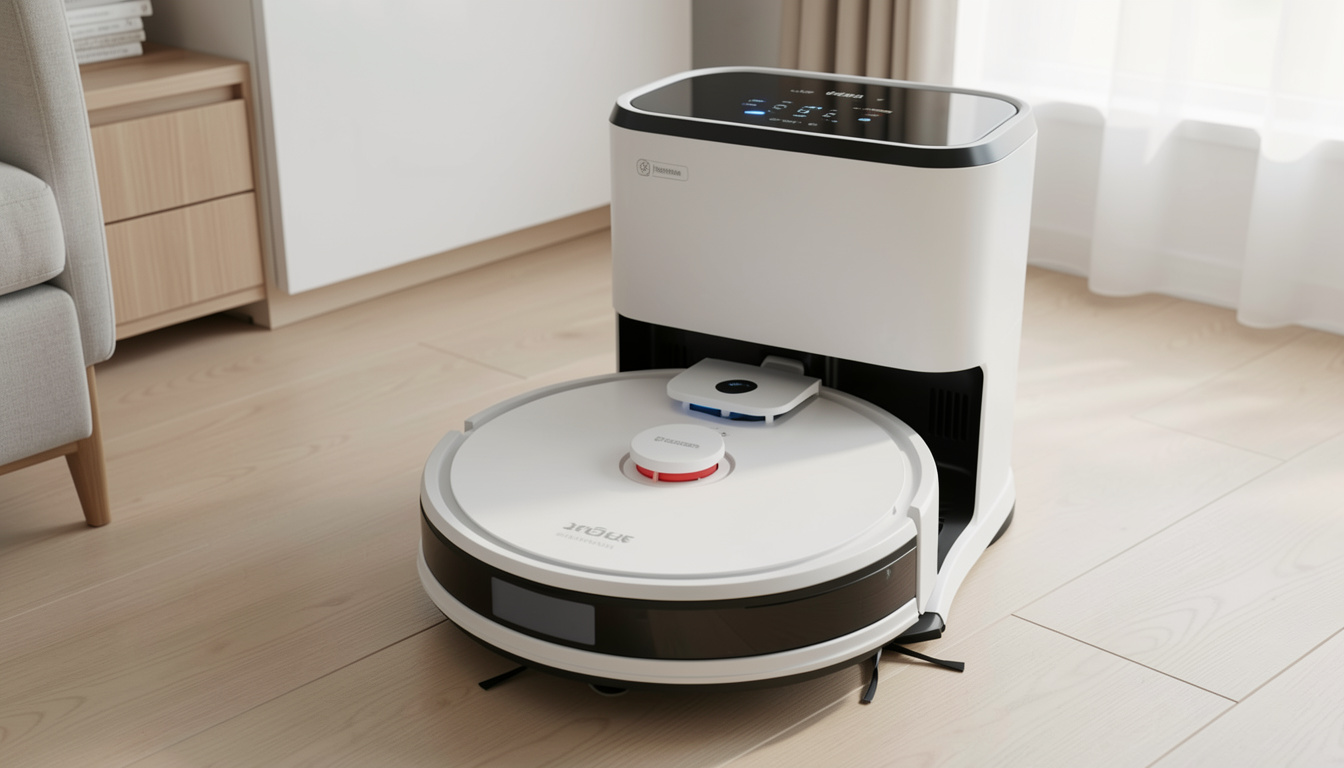
Self cleaning robot vacuum mop combo robots are rapidly changing how homes are cleaned, delivering hands-free vacuuming and mopping with less effort than ever. But does the “set-and-forget” promise match real-life results, and what should buyers truly expect from today’s flagship models?
Key Takeaways
- Self cleaning robot vacuum mop combos automate both vacuuming and mopping, but still require weekly maintenance for peak performance and hygiene.
- Annual consumable costs typically range from $70 to $240, and many “hands-free” claims in advertising are overly optimistic for most real households.
- Common pitfalls include noise, odors, maintenance surprises, and ongoing costs that are rarely highlighted in top buying guides.
- 1. The Core Concept
- 2. Step-by-Step Guide
- 3. Advanced Analysis & Common Pitfalls
- 4. Conclusion
- 5. FAQ Section
The Core Concept
Self cleaning robot vacuum mop combos are robotic floor cleaners that combine vacuuming and mopping, paired with docking stations that automatically empty dustbins and wash mop pads. Users are drawn to these systems for their convenience, smarthome integration, and promise of minimizing manual cleaning with features like auto-emptying, auto-washing/drying, and improved obstacle detection. Their adoption is accelerating, especially among busy households and pet owners seeking to free up time.
In 2024, these premium robots account for the fastest-growing segment in the global robot vacuum market, which is projected to reach $105 billion by 2035. Key technical innovations include features like:
- Automated dustbin emptying via vacuum power into docked bags
- Base stations that scrub, rinse, and dry mop pads with warm air or even steam (as seen in models like the Dreame X40 Ultra and Samsung Bespoke Jet Bot Combo)
- Auto-lifting mop assemblies or carpet protection covers to prevent carpet wetting
However, “hands-free” does not mean “maintenance-free.” While these hybrids may reduce daily chores, they do not fully eliminate manual upkeep, and some disadvantages are rarely discussed in top reviews. Understanding the real automation level, true cost of ownership, and possible pitfalls is essential for making a smart buying decision.
Step-by-Step Guide
Successfully owning and maximizing a self cleaning robot vacuum mop combo means more than just plugging it in. Here is a practical, step-by-step guide to selecting and running your robot, while avoiding common mistakes:
- Define your needs and pick the right model. Consider your floor type, pet situation, home size, and whether advanced features (like steam mopping, AI navigation, or flex arms) matter most to you. For hygiene or allergy concerns, models that use hot air or steam for pad drying (as in the Samsung Bespoke Jet Bot Combo) can make a difference. Compare manufacturer claims to real-world reviews, such as those in Consumer Reports, to spot possible gaps.
- Install and set up the docking station smartly. Hard tile or waterproof vinyl is preferable. Make sure the robot can approach the dock from multiple angles. Avoid placing the base near high-traffic wet areas or carpet edges, especially if your model auto-cleans mop pads using water tanks and heating cycles.
- Schedule initial cleaning runs. Use your app to map the space for optimal navigation and test the first cleaning runs while home. Pay attention to noise levels—auto-empty cycles can be much louder than standard vacuuming for several seconds—and to detection of dock alignment or error codes.
- Monitor and maintain consumable costs. Change dust bags every 2–6 weeks (pet homes may need it sooner), swap mop pads when permanently dingy, and refill clean water/empty dirty tanks every 2–7 days. Use manufacturer-approved solutions for mopping, or opt for plain water if allowed (overusing detergents risks damage).
- Clean the dock and tanks regularly. Plan on scrubbing mop pad trays, wiping down sensors, and rinsing tanks weekly to prevent odors or biofilm build-up. Skipping base maintenance is the #1 cause of “dirty floors” complaints. If you want even simpler upgrades for your home, read how renters easily install a peel stick backsplash with just a few clicks.
- Replace parts as required. Purchase extra filters, brushes, mop pads, and dock bags ahead of time to avoid supply chain headaches. Annual consumables cost between $70 and $240 for most users. For a detailed guide on improving overall home hygiene, see how antimicrobial peel stick tiles can boost health in your kitchen and bath.
- Keep the firmware updated. Many navigation and maintenance errors are fixed via app or firmware updates. Check monthly to ensure the latest software is installed.
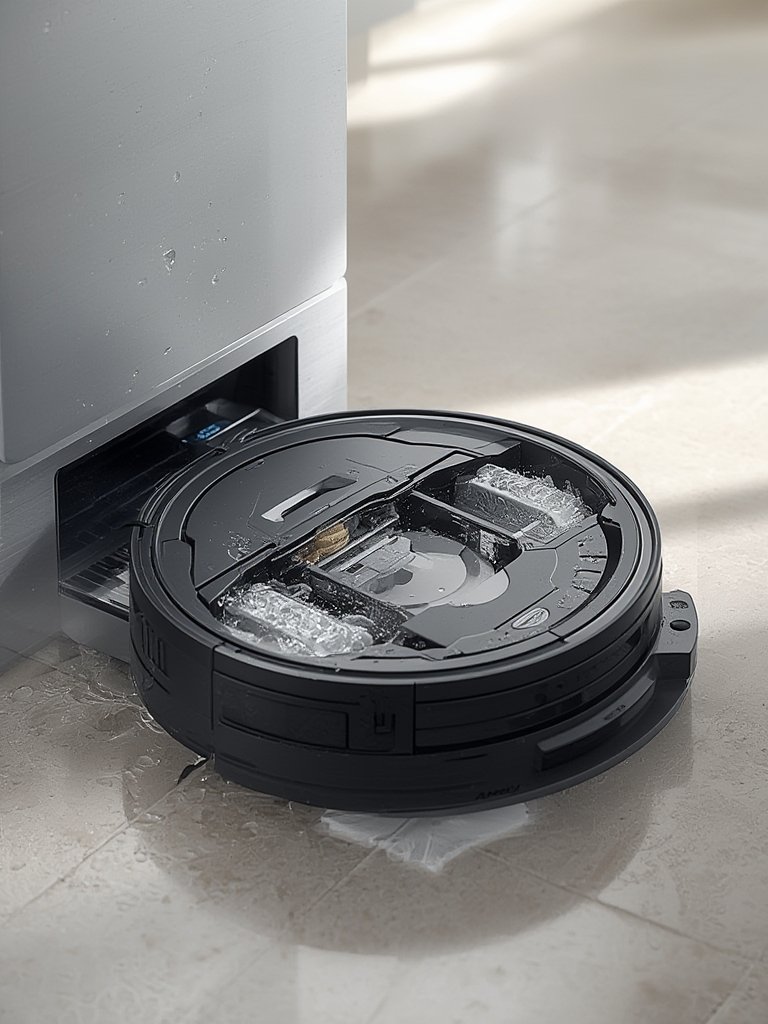
Lastly, take time to review your model’s specific safety, battery, and warranty instructions. It’s common for users to overestimate “total hands-off” operation, only to be surprised by routine tank emptying, bag swaps, or brushes clogged with string and hair.
Want more hacks for easy home upgrades? Transform your space with DIY peel wallpaper or personalize your child’s room with removable princess decals.
Advanced Analysis & Common Pitfalls
Hands-free robot vacuum mop combos solve many cleaning headaches, but lab tests and thousands of user reviews reveal a set of recurring challenges that most buying guides barely mention:
- Auto-emptying is loud and may not perform as advertised for large/pet-filled homes. In real conditions, self-empty base bags rarely last the full 2–3 months claimed, and dust bags/odor seepage can be an issue if replaced late. Noise (comparable to a handheld vac) is a top complaint, especially in open-plan homes.
- Mop pads may stay dirty despite self-wash cycles. After several runs, pads can look stained or musty—especially if tanks go uncleaned or drying cycles underperform in humid spaces. Stubborn odors and even mold/biofilm are common if bases aren’t scrubbed weekly. Steam-wash models like the Samsung Bespoke Jet Bot Combo may help but are not miraculous for heavy-traffic zones.
- Sensor errors and false “bin full” alerts happen. Misaligned or poorly seated bags/tanks can trigger pointless interruptions. Docking mishaps—when the robot fails to align perfectly—leave auto-empty and self-wash cycles incomplete or hung up.
- Consumables and replacement parts are an ongoing cost. Proprietary bags, filters, detergent, and mop pads add up—often $70 to $240/year. Omitted by many top-buying guides is a multi-year, apples-to-apples cost comparison versus basic robot vacuums or traditional cleaning.
- Carpet protection inconsistencies. Not all models perfectly avoid wetting rugs; only the latest designs (like the Roomba Max 705 Combo’s shield or mop-lift systems) address this reliably.
- Electrical and water hazards. Water leaks or improper dock placement can damage electronics, cause shorts, or create slipping risks—especially if the dock is near drains, uneven flooring, or where kids play.
| Maintenance Task | Self Cleaning Combo | Traditional Robot Vacuum |
|---|---|---|
| Bin Empty Frequency | Every 2–6 weeks (pets: 2–4 weeks) | Every 1–3 sessions |
| Mop Pad Cleaning | Auto-wash, but manual scrubbing/tray rinse weekly | Manual each use or every 1–2 uses |
| Water Tank Refills/Empties | Every 2–7 days | Every session |
| Brush Hair Removal | Manual weekly-monthly | Manual weekly-monthly |
| Filter Replacement | Every 3–6 months | Every 3–6 months |
| Base/Dock Cleaning | Weekly to prevent odor, slime, or mold | N/A |
| Annual Consumable Cost | $70–$240 | $30–$80 |
Looking for the best DIY privacy solutions? Discover effective privacy film for your windows in any room.
- Absorbing the “hidden hassle” of washing dirty mop pads, scrubbing trays, and replacing bags is the real cost of convenience.
- For more hands-on upgrades, check out easy ways to refresh your counters with mixed metal peel stick tiles for a modern look without remodel prices.
Conclusion
Top tier self cleaning robot vacuum mop combos do deliver on much of their promise—reducing daily chore time and automating floor care across vacuuming and mopping. However, “hands-free” is a spectrum, not an absolute. Weekly maintenance, regular consumable swaps, and attention to dock hygiene are non-negotiable if you want truly clean floors and a stink-free home. Factory claims that you can set and ignore for 60 days are rare in real homes, especially with pets or heavy dirt loads. Get real about expectations, plan your ongoing costs, and you’ll be much more satisfied with your investment in a self cleaning robot vacuum mop combo.
Ready for less floor time and more free time? Compare models, watch for hidden costs, and enjoy a cleaner, more automated home—just remember a truly hands-off solution doesn’t exist yet. Start your upgrade today!
FAQ Section
How often do I really need to touch or maintain a self cleaning robot vacuum mop combo?
Expect to interact with your robot weekly—emptying dirty water tanks, changing mop pads or dust bags, and scrubbing the dock or mop tray to prevent smells or slime. Fully hands-off use for longer than 7 days is rare unless your home has little dirt, low traffic, and no pets.
Are all models equally good at preventing carpets from getting wet?
No. Only the newest premium models have multi-stage carpet protection like auto-lift mop arms (Dreame X40 Ultra), physical mop-covers (Roomba Max 705 Combo), or advanced AI-sensing to avoid rugs (Samsung Jet Bot Combo). Older or budget models are often less reliable.
Does using my own floor detergent void the warranty?
For most major brands, using non-approved cleaners or over-concentrated solutions can void the pump/dock warranty or even damage electronics. Always check the manual and use only recommended products, or stick to plain water where allowed.
How noisy is auto-emptying or mop washing?
Auto-emptying is about as loud as a countertop vacuum, typically lasting 5-10 seconds per cycle. Mop washing/rinsing is quieter, but some models create gurgling or pump noises. Schedule operations for times when the noise won’t disturb you or your family.
What’s the total yearly cost of owning one of these robots?
For the typical household, yearly consumable costs (bags, pads, filters, brushes) run $70–$240 depending on model complexity, home size, use frequency, and whether you have pets.
—