

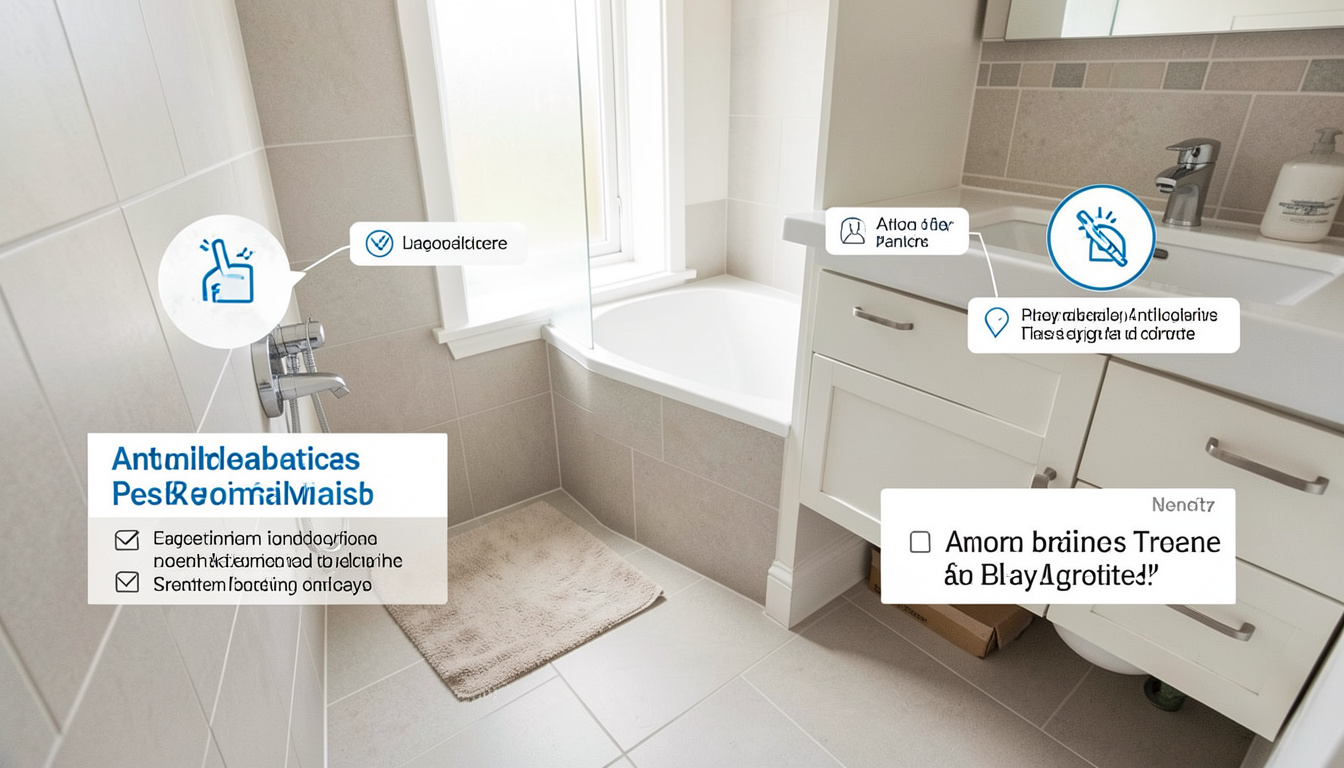
antimicrobial peel stick tiles are emerging as a practical choice for health-conscious homeowners and designers who want a fast, affordable, and hygienic upgrade for kitchens, bathrooms, and high-traffic areas. But do these self-adhesive tiles really deliver on their promise of better hygiene and easy installation? Let’s get into what you need to know—without hype or salesy gloss—so you can make a smart, healthy upgrade for your space.
Key Takeaways
- Antimicrobial peel stick tiles add a protective layer to resist bacteria and mold, making them appealing for kitchens, bathrooms, and healthcare facilities.
- Most products lack transparent third-party testing or clear regulatory certification—buyers should check for proven claims, especially when hygiene is critical.
- Installation is DIY-friendly, but a careful, moisture-free prep is crucial for durability and maintaining antimicrobial performance.
- What Are Antimicrobial Peel Stick Tiles—and Why Consider Them?
- Step-by-Step Guide: Installing and Maintaining Antimicrobial Peel Stick Tiles
- Advanced Analysis & Common Pitfalls
- Conclusion
- FAQ
What Are Antimicrobial Peel Stick Tiles—and Why Consider Them?
Antimicrobial peel stick tiles are self-adhesive decorative panels designed to inhibit the growth of bacteria, mold, and mildew on their surface. These flexible tiles often incorporate agents like silver ions or specialized coatings to provide ongoing hygienic protection.
Their growing popularity is linked to rising home renovation, strong DIY culture, and the need for surfaces that are not just beautiful but also easy to clean and resistant to common germs.Source
The healthcare and hospitality sectors are especially demanding these products, but homeowners and renters are quickly catching on. Unlike traditional tiles, peel stick solutions can be installed in a weekend, require minimal tools, and can often be removed later with little fuss.
Looking to pair antimicrobial upgrades with a personal touch? Explore interior detail ideas like Pink Wallpaper or functional accents such as privacy film for windows.
Step-by-Step Guide: Installing and Maintaining Antimicrobial Peel Stick Tiles
Installing antimicrobial peel stick tiles is straightforward, but good prep and careful execution make all the difference, both for aesthetic results and for sustaining antimicrobial protection.
- Choose the Right Product
Select antimicrobial peel stick tiles that clearly indicate purpose and application suitability; some are rated only for walls, not floors. Ask for documentation if you need true antibacterial performance—very few brands provide lab-verified, independent testing.
See market trends at this Credence Research insight. - Prepare the Surface
Clean thoroughly with a degreaser and dry completely. Scrape away old caulk or paint flakes. Use a level to mark straight guidelines—crooked lines are hard to fix after the adhesive sets. - Dry Fit Before Sticking
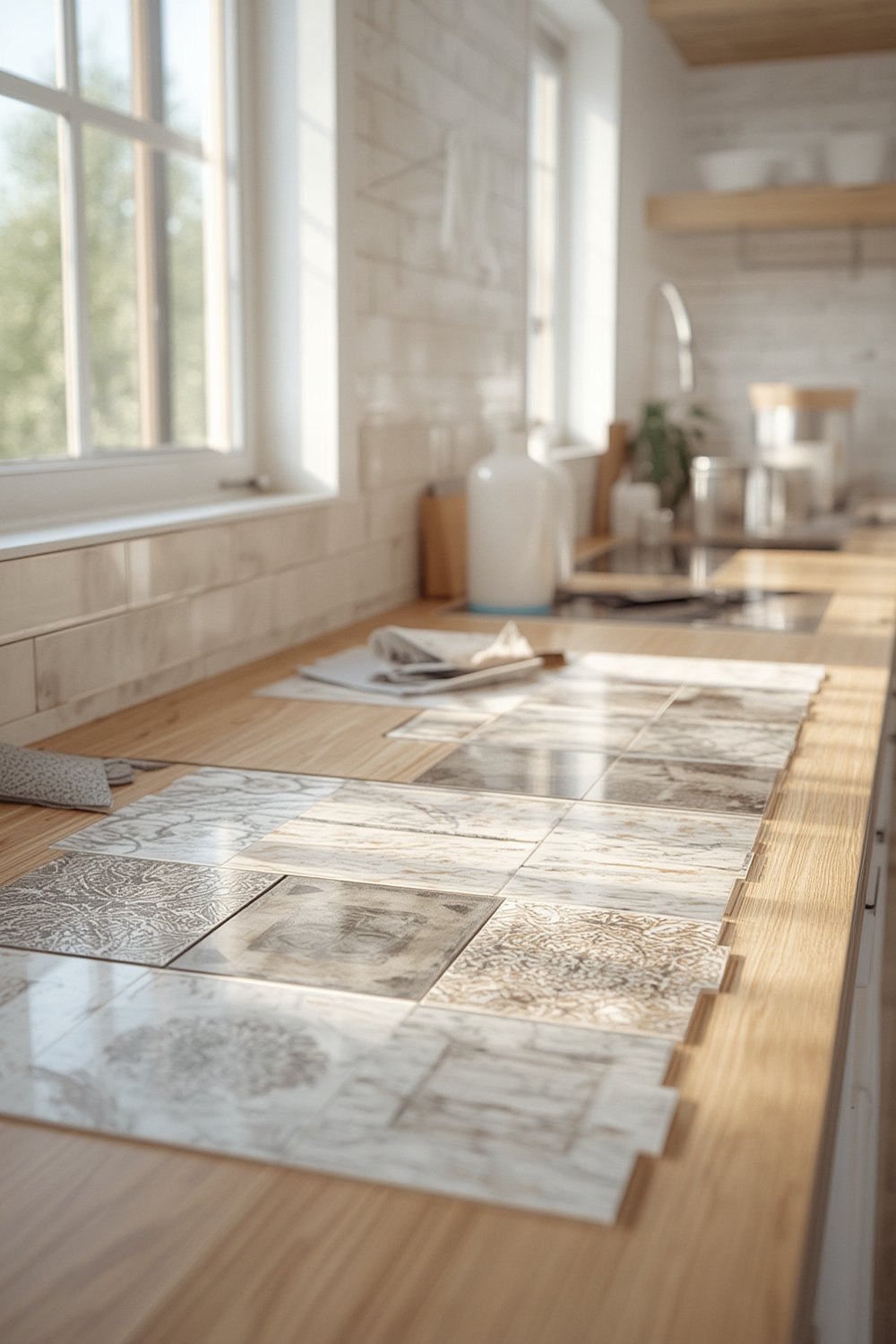
Lay out tiles to plan your pattern and visual placement. This prevents surprises, especially with patterned or mosaic tile styles. - Peel, Position, and Press Firmly
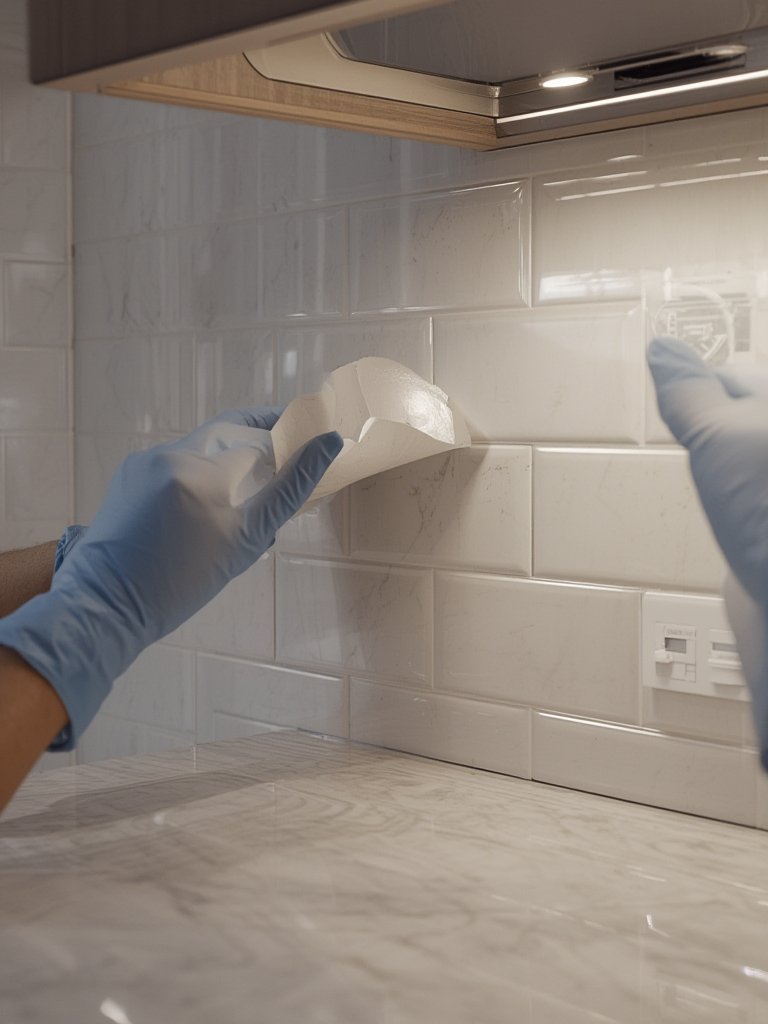
Starting at one edge or in the middle (per manufacturer advice), peel off the backing, align carefully, and press the tile into place. Use a plastic squeegee or dry cloth to smooth out air bubbles. - Trim and Seal the Edges
Trim excess with a sharp utility knife. Some installations may benefit from a bead of mold-resistant caulk at seams, especially in damp locations like showers. - Care and Maintenance
Wipe down surfaces with a mild cleaner and avoid abrasives or bleach that could harm the antimicrobial finish. Periodically check corners and seams for lifting.
Want to explore other easy home upgrades? See this practical guide on peel wallpaper for modern walls or try a botanically-inspired DIY using LEGO Bamboo decor.
Advanced Analysis & Common Pitfalls
Despite their appeal, antimicrobial peel stick tiles come with some critical pitfalls that are rarely discussed in brand advertising. Understanding these will help you make an informed decision and avoid unnecessary frustration.
| Issue | What to Watch For | Actionable Advice |
|---|---|---|
| Lack of Verified Antimicrobial Claims | Most tiles claim antimicrobial properties, but very few show independent lab results or certifications like EPA or ISO. | Request documentation from the brand. Favor products created for healthcare use if hygiene is a top concern. |
| Moisture and Adhesion Failures | Poorly prepped surfaces or persistent dampness can cause adhesive breakdown, resulting in peeling or mold at the seams. | Scrupulous cleaning and complete drying before installation are essential. Use mold-resistant caulk where water exposure is frequent. |
| Misleading Durability Expectations | Some products use antimicrobial coatings that lose power over time or after abrasive cleaning. | See if the manufacturer discloses the expected lifespan of their properties—most do not. Reapply or replace as necessary for high-traffic or wet zones. |
| Limited style, material, and price information | Consumer research reports lack real-world comparative data on vinyl, ceramic, or glass tile options, price brackets, or typical warranties. | Set realistic expectations on style and budget—look for trusted reviews or shop direct with detailed brands before committing. |
Additionally, few resources detail unique consumer complaints or performance issues. If you have concerns about mold, bacteria, or long-term visual appeal, request recent customer reviews and installation photos. Note that products targeted at high-traffic sectors like healthcare or hospitality are usually more robust but tend to cost more.Market report
Looking for more family-safe decor upgrades? Discover Princess Decals for kid-friendly rooms or revisit non-toxic pink wallpaper solutions.
Conclusion
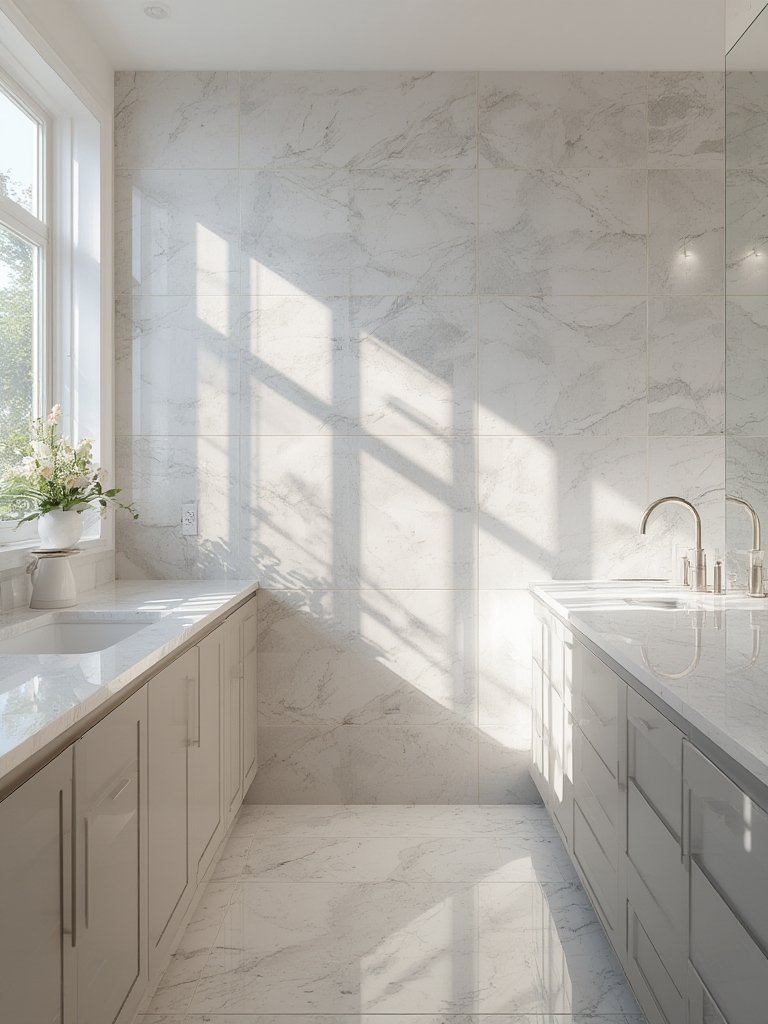
Antimicrobial peel stick tiles balance aesthetic flexibility with practical hygiene advantages—especially for renters, DIYers, and families focused on moisture-prone spaces. However, most lack verified third-party testing, and their antimicrobial effect can diminish over time. Always check the product’s claims, install carefully, and be ready to maintain or refresh your surfaces as needed. Ready to protect your kitchen or bath with antimicrobial peel stick tiles? Take the next step and upgrade your space with peace of mind.
FAQ
Are antimicrobial peel stick tiles actually effective at stopping mold and bacteria?
Most tiles use additives or coatings designed to slow growth on their surface, but independent, third-party efficacy tests are rare. Look for brands targeting medical or hospitality use and ask for test data if hygiene is essential.
How long does the antimicrobial protection last?
The active protection may last for several years, but harsh cleaning or high-wear zones can shorten it. Few brands state a precise duration—plan to refresh or replace tiles in wet areas every few years for best results.
Can I install antimicrobial peel stick tiles on shower walls or floors?
Only use tiles specifically rated for high-moisture environments; otherwise, adhesives may fail over time. Always caulk seams and follow care instructions.
Do these tiles leave residue or damage when removed?
Most reputable peel stick tiles remove cleanly if gently warmed and carefully lifted. Test a small section first, especially on painted or delicate surfaces.
Where can I find verified, health-safe antimicrobial peel stick tiles?
At present, few consumer products offer certified test results. Check retailers specializing in healthcare and commercial-grade solutions or consult independent reviews.