

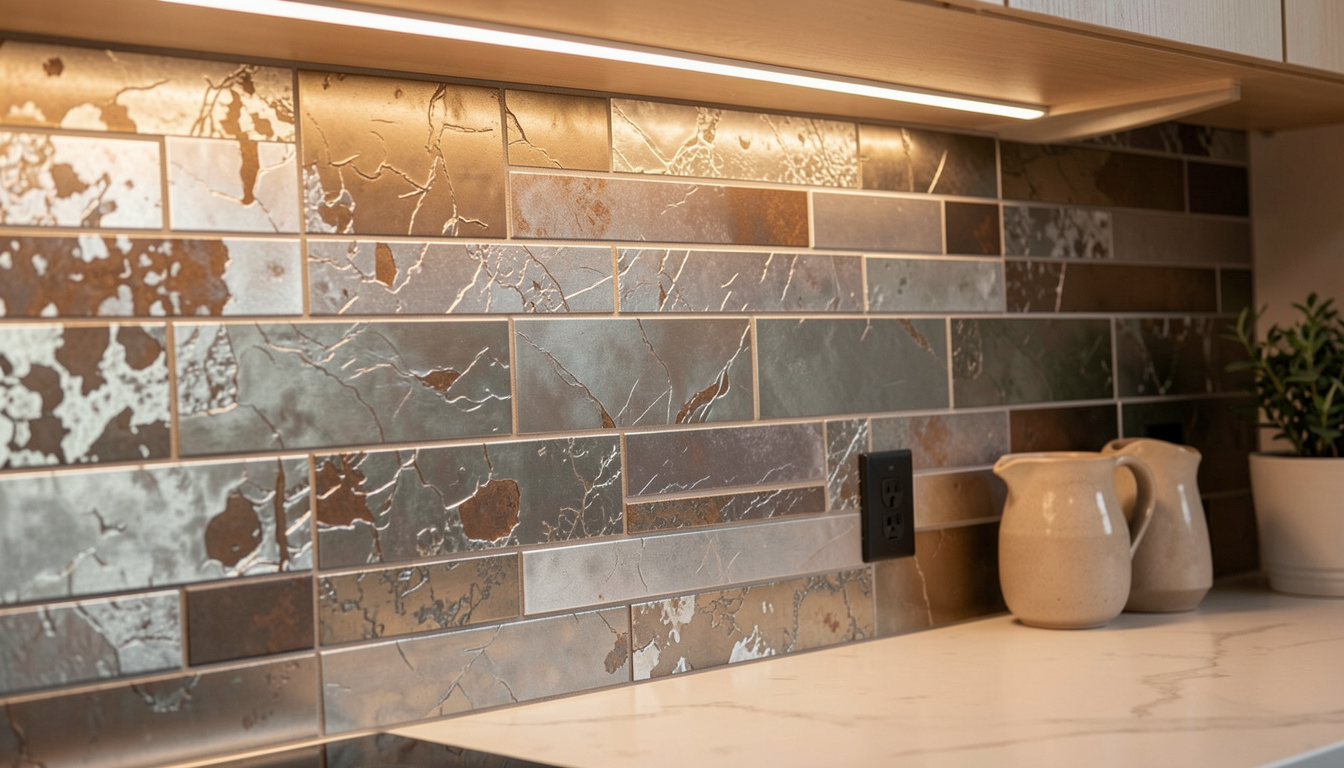
Mixed metal peel stick tiles offer a quick way to create high-impact backsplashes without the hassle of grout or heavy tools. But are these mosaic marvels as durable and heat-resistant as they look? Here’s exactly what you need to know before deciding if this trendy solution fits your kitchen or bathroom project.
Key Takeaways
- Mixed metal peel stick tiles simplify installation versus traditional tile but demand careful surface prep for lasting results.
- Not all walls are suitable—avoid wood-based or textured substrates and observe safety standards, especially for backsplashes near heat.
- Smart planning—like observing heat/spatter zones and using the right adhesive—prevents most common DIY headaches and adhesion failures.
- What Are Mixed Metal Peel Stick Tiles?
- Step-by-Step Guide: How to Install Mixed Metal Peel Stick Tiles
- Advanced Analysis & Common Pitfalls
- Conclusion
- FAQ
What Are Mixed Metal Peel Stick Tiles?
Mixed metal peel stick tiles are self-adhesive panels that combine finishes like gold, silver, bronze, and copper to create a dynamic backsplash or feature wall. Instead of needing thinset mortar, grout, or heavy cutting tools, these tiles rely on a strong peel-and-stick backing that bonds directly to a properly prepared, flat wall. This means you can often finish your kitchen, bathroom, or laundry wall revamp in a single afternoon—no need for a trowel, tile saw, or professional installer.
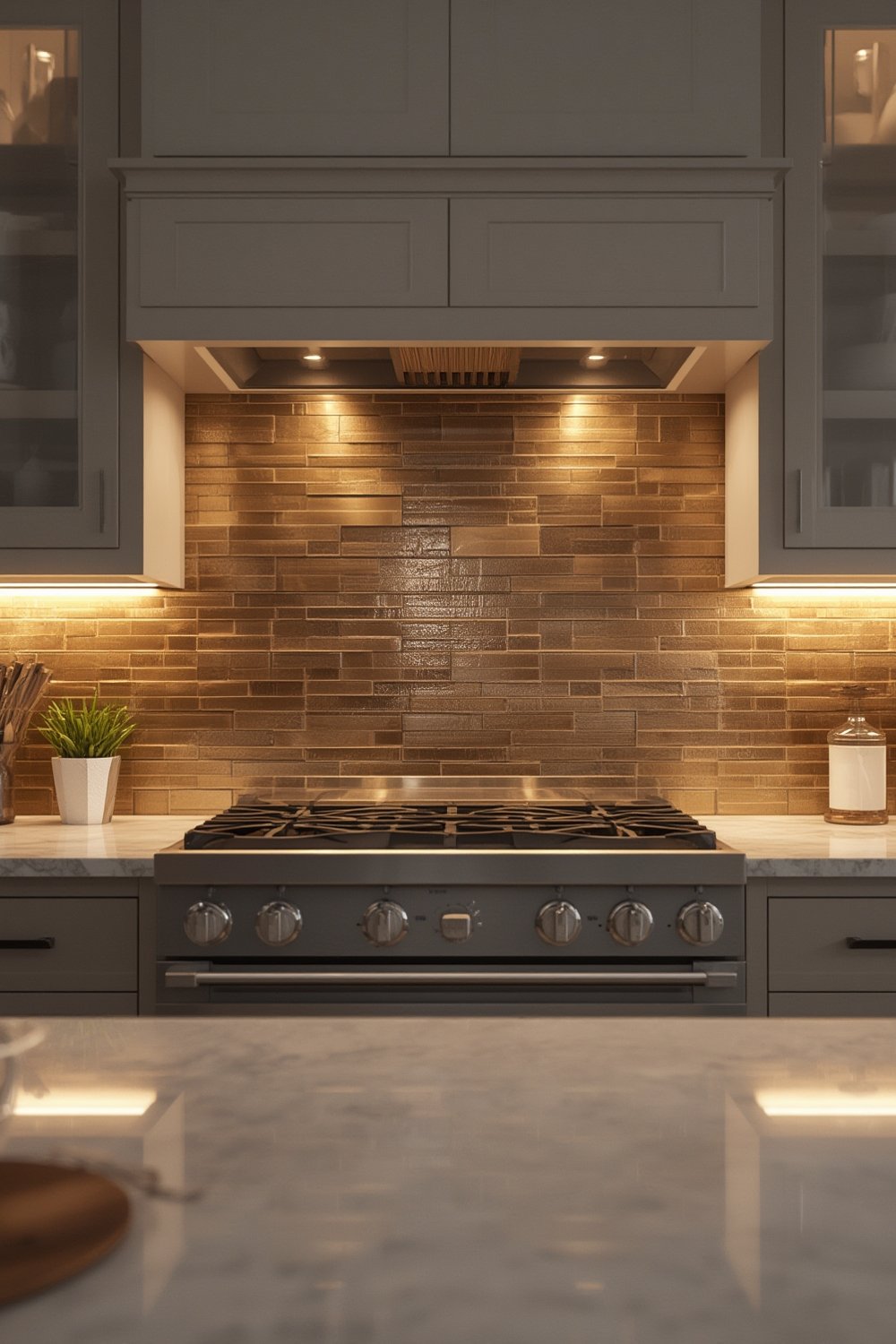
Why choose mixed metal? Pairing gold, silver, and bronze tiles together produces an on-trend, industrial chic look that works in both modern and eclectic interiors. The convenience factor is huge: if you’re a renter, want a weekend project, or dislike invasive renovations, peel stick tiles make sense. These tiles have grown in popularity, but as with any shortcut, success depends on a few crucial prep steps and an understanding of technical specs—especially for heat, moisture, and adhesion limits.
If the idea of no-mess updates appeals to you, see how other stick-on solutions work in our Peel Wallpaper: 10 Ultimate Steps For Amazing Results guide.
Step-by-Step Guide: How to Install Mixed Metal Peel Stick Tiles
Successful installation is mostly about preparation. Here’s how to get that seamless, showroom-worthy finish with mixed metal peel stick tiles.
-
- Inspect & Prepare Your Substrate
Test the wall. Only use mixed metal peel stick tiles on smooth, clean, dry, undamaged surfaces. Avoid textured drywall, rough concrete, and especially avoid particle board, lauan or softwood plywood, as these can swell and break the adhesive bond (ANSI A108/A118/A136.1:2024). - Clean for Best Adhesion
Wipe the wall and the tile backs with isopropyl alcohol to remove dust, oil, or invisible residue. Let everything dry thoroughly (Smart Tiles FAQ). Leave textured or porous surfaces for other solutions: see our Antimicrobial Peel Stick Tiles Guide for surfaces with special needs. - Measure and Plan Layout
Dry fit your first row, starting from the center and working outward for a balanced look. Mark guidelines with a level. Add a 10% overage for cutting and mistakes. - Peel & Stick, Row by Row
Peel a small section of backing first, then gradually press the tile onto the wall, smoothing as you go. Overlap seams if recommended.
- Inspect & Prepare Your Substrate
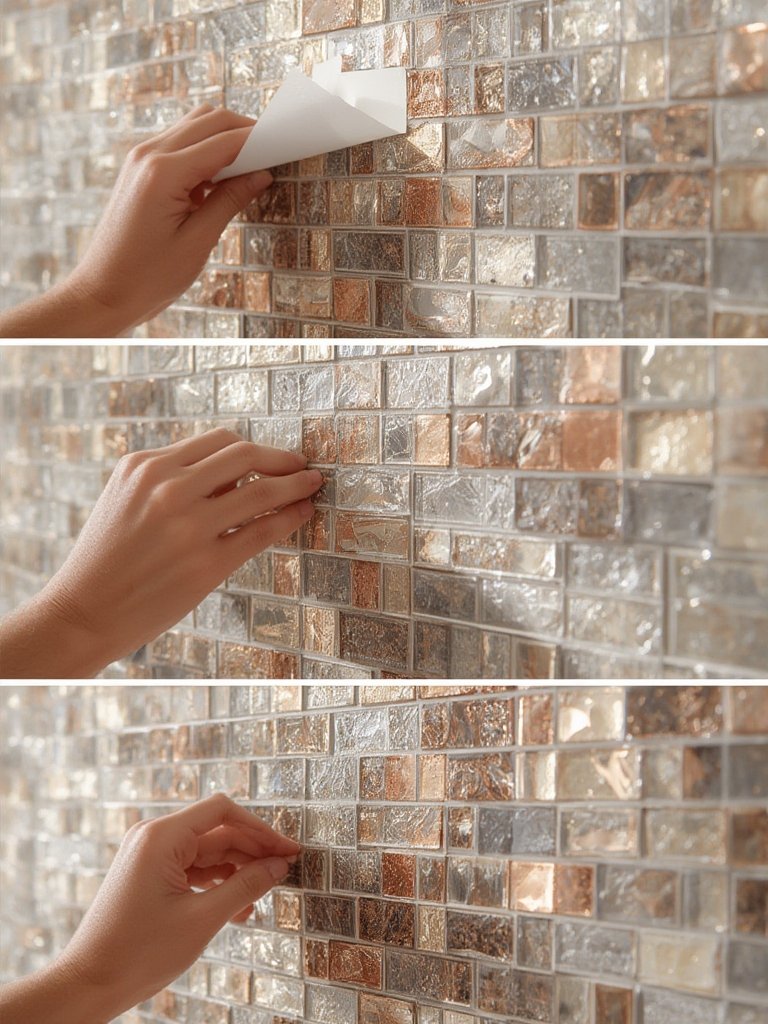
- Press & Seal Edges
Use a seam roller or your hand with a soft rag to press all areas firmly, especially corners and seams. Check for air bubbles and gently smooth out. - Cut as Needed
Score and snap tiles with a utility knife or use tin snips for metal surfaces. Wear gloves, as metal edges are sharp. - Final Inspection
Check for loose edges. In tricky spots (near outlets, seams), a small dab of water or silicone-based construction adhesive prevents future lifting (see Smart Tiles guidance). - Respect Heat and Humidity Limits
Never install these tiles closer than 2 inches to a stove, oven, or countertop appliance that emits steam or direct heat. Instead, use a code-compliant metal or ceramic panel for high-heat splash zones (Smart Tiles FAQ). - Clean & Maintain
After 48 hours, clean the installed tiles gently with a soft cloth and non-abrasive cleaner. Avoid harsh scrubbers or strong solvents.
If you want more rental-friendly, damage-free options for living spaces, check out our comprehensive Princess Decals: 10 Ultimate Secrets For Amazing Room Makeovers.
Advanced Analysis & Common Pitfalls
Peel stick metal tiles look easy, but most installation issues come down to surface prep, heat exposure, or poor substrate choices. Here are the biggest real-world pitfalls, technical details, and a comparison with traditional tile:
| Feature | Peel Stick Mixed Metal Tiles | Traditional Metal/Ceramic Tiles |
|---|---|---|
| Adhesion Strength | High on smooth, stable, clean surfaces. Poor on textured/wood-based panels. | Excellent—mechanical bond with mortar/cement on correctly prepared substrate. |
| Installation Tools | Scissors, utility knife, seam roller, level, tape measure, isopropyl alcohol, gloves. | Tile saw, spacers, grout float, trowel, mortar/grout, level, tape measure. |
| Heat Resistance | Withstands ambient kitchen temps/humidity. Not suitable for direct steam/flame. Must keep 2-inch gap from appliances. Compliant with Class B fire standards & UL 94 V-0. | Can be installed almost anywhere including directly behind stoves (with correct product/spec). |
| Thickness | 0.20 in (5.0 mm), lightweight | Usually 6–12 mm for ceramics/porcelain/metal; heavier |
| Reuse/Removal | Often removable with care; risk of wall damage varies. | Permanent; difficult to remove without wall repair. |
| Cost | No reliable 2024 per-square-foot data; examples suggest $11–$20/sq.ft for quality products. | Typically $8–$30/sq.ft installed, varies by material/labor. |
| Design Flexibility | Mix-and-match, DIY friendly. May limit high-traffic/complex designs. | Maximum flexibility, any surface/profile with professional install. |
- Substrate Issues: Wood-based materials (like particle board, lauan) swell and flex from humidity, causing the adhesive to fail—this is the top reason for early tile detachment. See
DO-IT-YOURSELF Tile Installation System. - Surface Texture: Peel & stick adhesive does not grab onto bumpy paints, relief textures, or wallpaper. Sand very gently and prime if needed, and allow to cure for at least 72 hours before tiling.
- Heat Proximity: Accidentally exposing tiles to direct steam or flame (especially with gas stoves) will warp or discolor metal and break the adhesive. Maintain at least a 2-inch buffer from all active appliances.
- Matching Finishes: Achieving a balanced mix of gold, silver, and bronze requires careful layout. It’s easy to end up with one tone “clumping” if you don’t plan each row’s color distribution. Consider laying tiles out dry for best results.
- Storage and Handling: Never store packs vertically or subject them to temperature swings. Expansion or adhesive softening can lead to curled edges or pattern mismatch during install.
- Limited Market Data: 2024 data on pricing or growth trends is limited; expect continued interest due to the DIY/flexible design trends, but check specs closely (see Home Depot MSI Silverina, Inoxia California).
Looking for more design versatility? Many choose LEGO Bamboo or Privacy Film for custom accents elsewhere in the home.
Conclusion
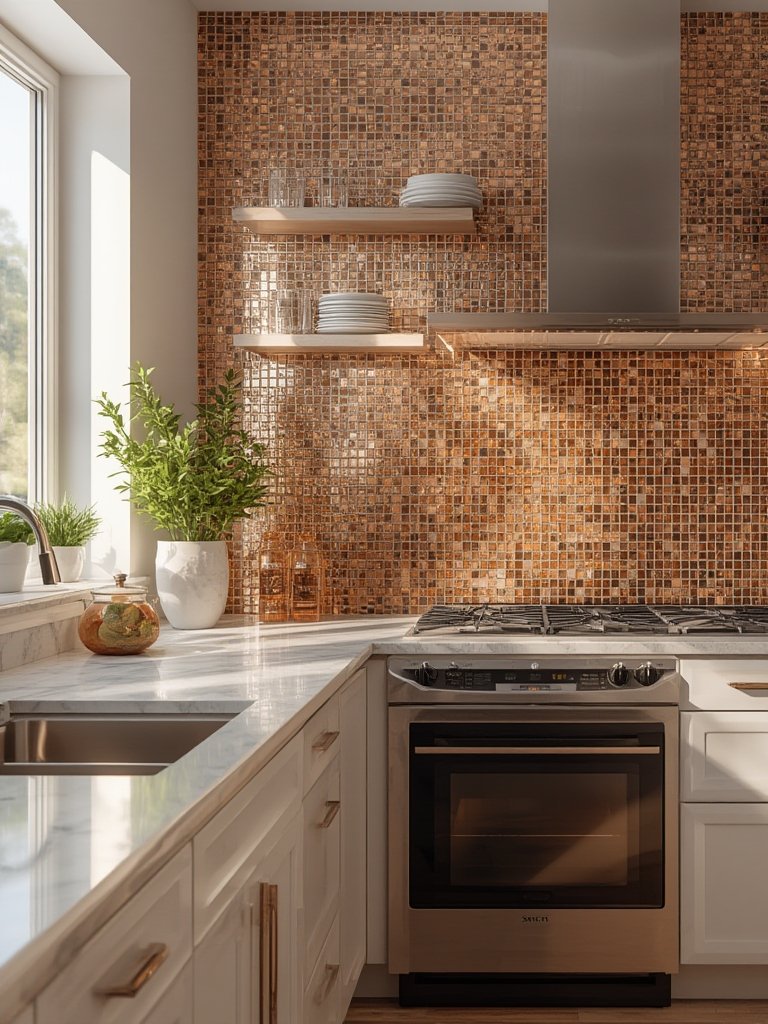
Mixed metal peel stick tiles deliver a modern look with less effort and less mess than traditional tiling—if you stick to recommended surfaces, observe heat clearance, and follow installation tips. Be wary of rough, damp, or wood-based substrates, and always respect safe distances from heat sources. As with any shortcut method, success hinges on planning, patience, and realism about your wall conditions and expectations. Ready to give your space a true industrial edge? Choose mixed metal peel stick tiles, plan each move, and start your transformation today.
FAQ
Can mixed metal peel stick tiles go behind a stove?
Most products are rated for splashback zones but must stay at least 2 inches from open flames or direct heat. Use an approved metal or ceramic panel for areas behind gas or high-heat stoves, or check manufacturer guidelines.
Do peel stick metal tiles work on textured walls?
No. Adhesion is strong only on smooth, clean surfaces. For textured walls, sand and prime to flatten, allow primer to cure for 72 hours, then proceed.
Are mixed metal peel stick tiles waterproof?
They are moisture- and splash-resistant when properly installed, but not suitable for submersion or continuous water exposure. They perform well in kitchens and bathrooms, including high-humidity areas.
What is the typical thickness of these tiles?
High-quality mixed metal peel stick tiles are typically 0.20 inches (5.0 mm) thick, ensuring they’re lightweight yet durable.
How long do mixed metal peel stick tiles last?
With correct prep and application on stable walls, tiles can last several years. Adhesion problems arise mainly from using them on unsuited substrates or in heat zones.