

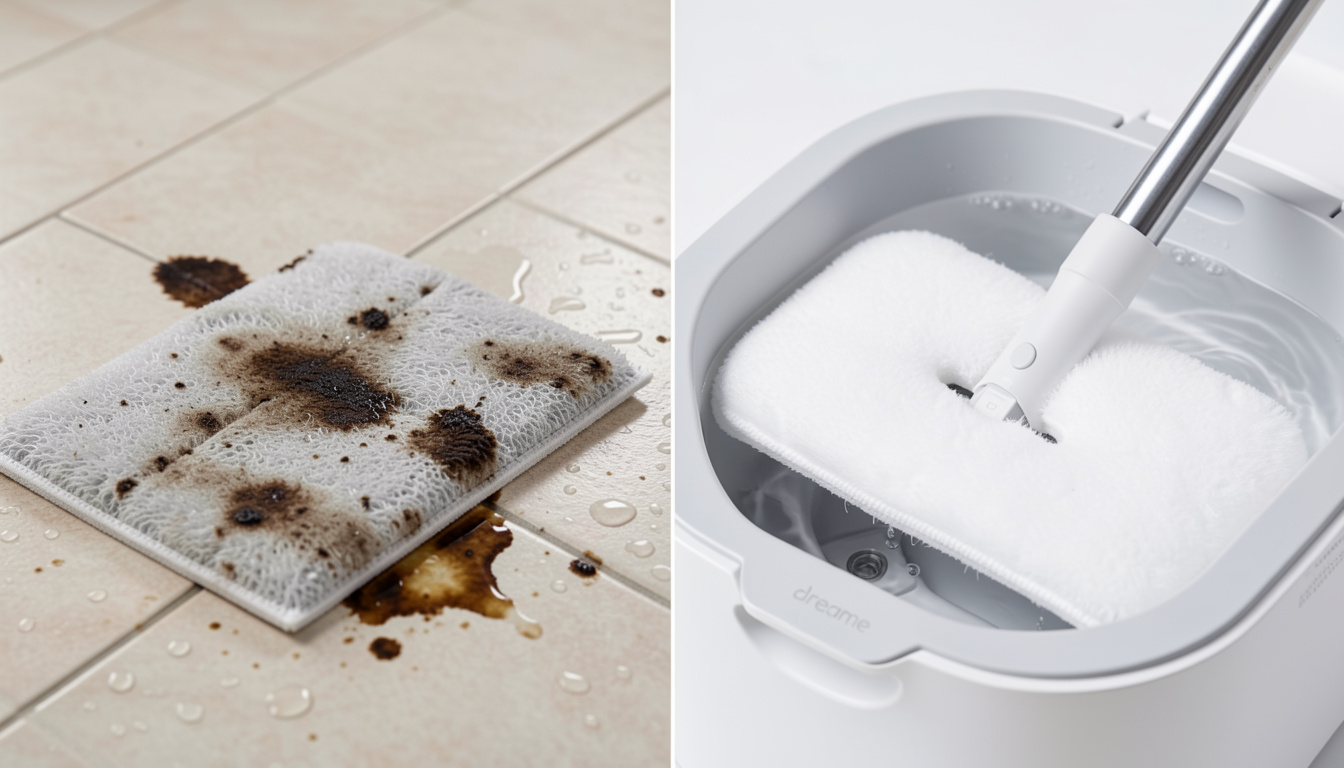
Robot vacuum mop with hot water washing is changing the way people approach automated home cleaning, promising deeper mop hygiene and convenience compared to standard robot mops. But is it worth the hype—and the price? Here’s everything you need to know, with actionable advice and honesty about what works and what doesn’t.
Key Takeaways
- Hot water washing robots offer noticeably improved pad hygiene but only modest real-world floor sanitation gains.
- Expect higher purchase and running costs, regular manual maintenance, and quirks like dock noise and space requirements.
- Most well-known competitor guides miss or oversimplify issues like scaling, wet messes, long-term floor impact, and maintenance complexity.
- What Is a Robot Vacuum Mop With Hot Water Washing?
- Step-by-Step Guide: Choosing and Using a Hot Water Robot Mop
- Advanced Analysis & Common Pitfalls
- Conclusion
- Frequently Asked Questions
What Is a Robot Vacuum Mop With Hot Water Washing?
A robot vacuum mop with hot water washing is a connected cleaning device that vacuums and mops your floors, then automatically returns to a dock to wash its mop pads using heated water (usually 45–60°C). The idea is to boost mop pad hygiene beyond what cold rinsing or manual washing can do, making it more appealing for homes concerned about germs and deep soil.
This hot water feature is found mainly in premium models from brands like Roborock, Dreame, Ecovacs, and Narwal. In 2024, these account for an estimated 5–15% of robot vacuum mops sold, with most models under $500 lacking the heated washing function. The promise is less bacteria, fewer odors, and hands-off cleaning—if you stay on top of maintenance.
Step-by-Step Guide: Choosing and Using a Hot Water Robot Mop
- Evaluate if you need heated mop washing.
- Do you have lots of hard floors, pets, or allergy concerns?
- Are you willing to perform regular tank changes and maintenance?
- Compare the main brands and price levels.
- Entry-level (sub-$500) robots rarely have hot water mopping.
- Expect to pay $700–$2,000 for true heated mop-wash models, especially for large tanks and advanced AI navigation.
- Check your water hardness.
- If you have hard tap water, plan to use filtered or softened water to prevent scale in the dock’s heater and pumps.
- Choose dock placement wisely.
- Hot-wash docks are big and heavy—measure your space before purchase.
- Avoid carpeted, uneven, or moisture-sensitive locations (next to wood flooring or electronics isn’t ideal).
- Set up your robot and dock per instructions.
- Attach all tanks and hoses securely.
- Fill the clean water tank with safe water and, if needed, a cleaning solution as recommended by the brand.
- Download and configure the app for mapping, cleaning schedules, and notification alerts.
- Schedule regular maintenance from day one.
- Plan to empty and rinse the dirty water tank every 1–3 days (more often if you have pets, kids, or run in humid climate).
- Swap mop pads every 3–6 months, and budget $70–200/year for all consumables and upkeep.
- Monitor for common problems.
- If you notice an odor, residue in hoses, or warning lights, check filters and clean tanks more thoroughly than the app might suggest.
- De-scale dock internals every few months if you see water flow or heating errors.
- Record your warranty info and stay aware of repair options.
- Standard warranties usually last 1–2 years for the robot and dock (excludes mop pads and filters). Save receipts and register early.
For extra tips on easy kitchen upgrades and advanced cleaning, see these renter-friendly backsplash install guides or explore allergy improvement ideas like antimicrobial peel stick tiles.
Advanced Analysis & Common Pitfalls
Most robot vacuum mop with hot water washing models deliver real improvements in pad cleanliness, but users and reviewers flag a series of drawbacks and oversights:
| Feature/Issue | Heated Dock | Cold Dock or No-Wash |
|---|---|---|
| Pad Bacteria Removal (per manufacturer claims) | Up to 99% on pads | Lower (not usually quantified) |
| Visible Soil Removal (on floor) | High (but similar to high-end cold-wash) | High (with quality pads & detergent) |
| Noise (Dock washing/drying) | Noticeable, 2–4 hours after runs | Lower, shorter cycles |
| Maintenance Time | Higher (tanks, scale, internals) | Lower (but still some cleaning needed) |
| Pet Mess & Wet Residue Handling | May smear wet biologicals; dock can stink over time | Same issues, less odor risk if cleaned promptly |
| Dock Size/Placement | Bulky, need solid flooring | More compact |
| Running Costs (consumables etc.) | $80–250/year (pads, descaler, filters) | $50–150/year |
| Lifespan/Warranty Coverage | 4–7 years typical; 1–2 year warranty | Similar |
- Mop pad hot washing doesn’t magically disinfect your floors. No credible, peer-reviewed studies show a clear difference on household floor bacteria compared with cold-wash pads under regular use. Most claims refer to cleaning the pads in the dock, not the actual floor.
- Maintenance needs are substantial. Hot-wash docks can develop scaling, biofilm, and odors—especially if you forget regular water changes or live in a hard water area. Ignoring this shortens the lifespan and voids warranties.
- Noise surprises many users. The dock’s cleaning and drying cycles are sometimes noisier and longer than the robot’s vacuuming—an issue rarely mentioned by brands or generic buying guides.
- Dock and tank size can be challenging in small spaces. The extra tech means more floor area for placement and can leave water around the dock, risking wood and laminate swelling. More on this in our guide to renter-proof wall coverings.
- Long-term value is best with frequent, careful upkeep. Units last 4–7 years on average, but scale and leaks are leading causes of early dock failures.
Gaps in top-ranking buying guides include vague coverage of water safety (especially maximum temperature vs scald risk), long-term effects on engineered hardwood or soft flooring, and inconsistent advice around scaling and descaling procedures. For a proven alternative, consider low-maintenance kitchen backsplashes.
See real-world statistics and more detailed trends in the Cleaning Robot Market Report or read the Technavio market summary.
Conclusion
Robot vacuum mop with hot water washing is the most advanced way you can currently automate hard floor cleaning in 2024—but it’s not magic. You’ll spend more up front and on upkeep, need to manage water and descaling, and still face the occasional odor or noise. If you’re detail-oriented, want the cleanest possible mop pads, and have the space, these robots can genuinely reduce cleaning hassles. For most, weighing the cost and complexity is smart before buying. Ready to see if the upgrade fits your lifestyle? Explore real-world user tips and get inspired by our latest smart home guides—or find the perfect model on sale now.
Frequently Asked Questions
Does a robot vacuum mop with hot water washing really sanitize my floors?
No. While hot water in the dock improves pad cleanliness, current evidence shows no significant extra floor sanitation compared to cold-wash pads or manual cleaning in real-world settings. Mechanical action and detergent matter most.
How often do I need to maintain the dock and tanks?
Plan to empty and rinse tanks every 1–3 days. Clean hoses, sumps, and filters monthly, and check for scale in hard water areas every few months.
Will hot water mopping damage wood or laminate floors?
Manufacturer guidance generally considers the process safe for sealed hard floors. However, repeated exposure to moisture—especially around the dock—can cause long-term issues on engineered wood or laminate. Use caution and check your floor warranty.
What are the real running costs per year?
Expect to spend $80–250 per year on mop pads, filters, and descalers, plus minimal water and electricity costs. Extra pads or parts may be required in homes with pets or large areas.
How long does a typical hot water robot mop last?
With routine maintenance, 4 to 7 years is average before a major failure or upgrade is needed. Neglecting scale or cleaning can shorten this.