

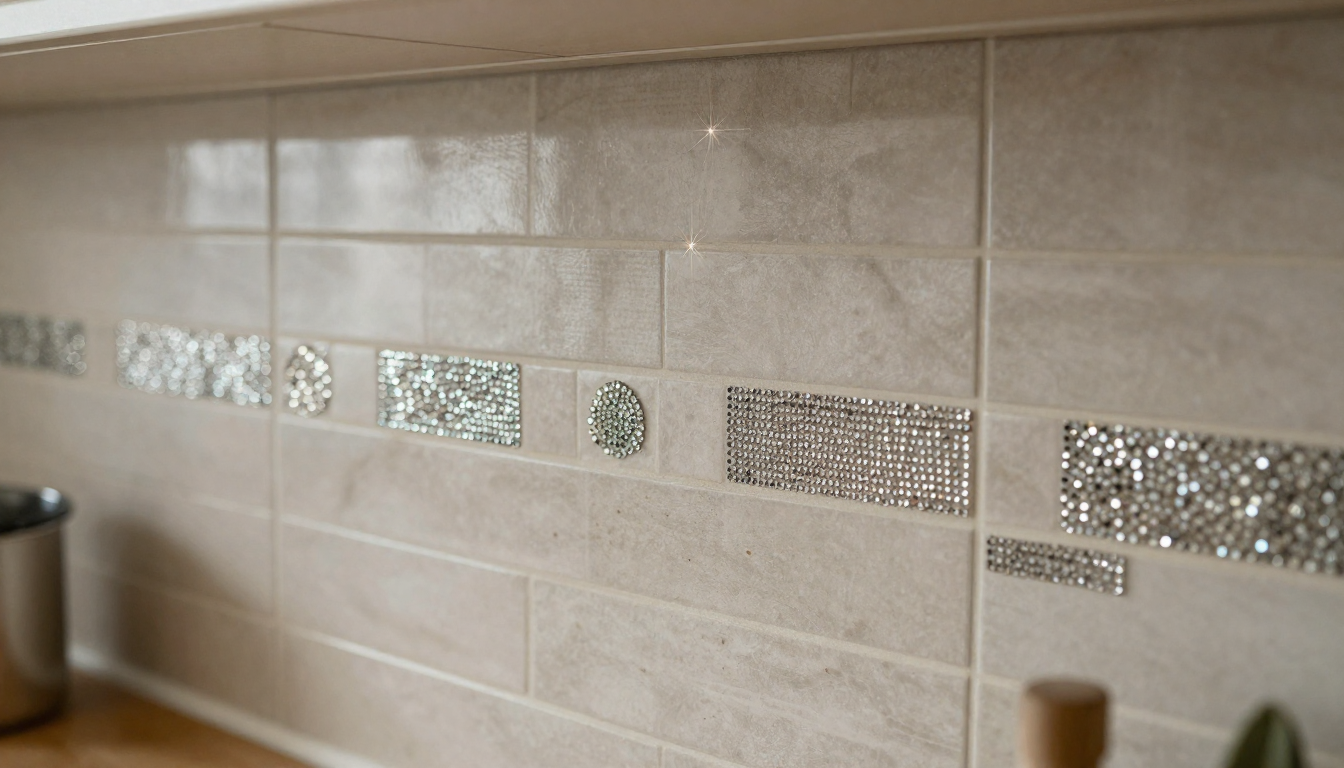
Rhinestone accent peel stick tiles are transforming kitchens and bathrooms with a touch of affordable glamor, but many homeowners wonder if the look and convenience hold up in real life. Here’s what’s trending, what actually works, and how to install them right the first time.
Key Takeaways
- Glamorous peel-and-stick rhinestone and crystal tiles offer swift DIY upgrades and stunning impact, but they may not match the durability of traditional ceramic or stone options.
- Choose high-quality, eco-friendly vinyl with strong adhesives for the best lifespan, especially in humid or high-traffic spots.
- Plan for gentle cleaning routines and watch out for installation challenges with heavier, dimensional tiles to avoid common pitfalls.
- 1. What Are Rhinestone Accent Peel Stick Tiles?
- 2. How to Install Rhinestone Accent Peel Stick Tiles (Step-by-Step)
- 3. Advanced Analysis & Common Pitfalls
- 4. Conclusion
- 5. Frequently Asked Questions
What Are Rhinestone Accent Peel Stick Tiles?
Rhinestone accent peel stick tiles are decorative, self-adhesive panels that mimic high-end tile looks using real or imitation crystals, glass, or metallic finishes. Designed for simple DIY application, these tiles are popular with renters, flippers, and anyone seeking a luxe backsplash or feature wall without the mess, cost, or permanence of mortar and grout.
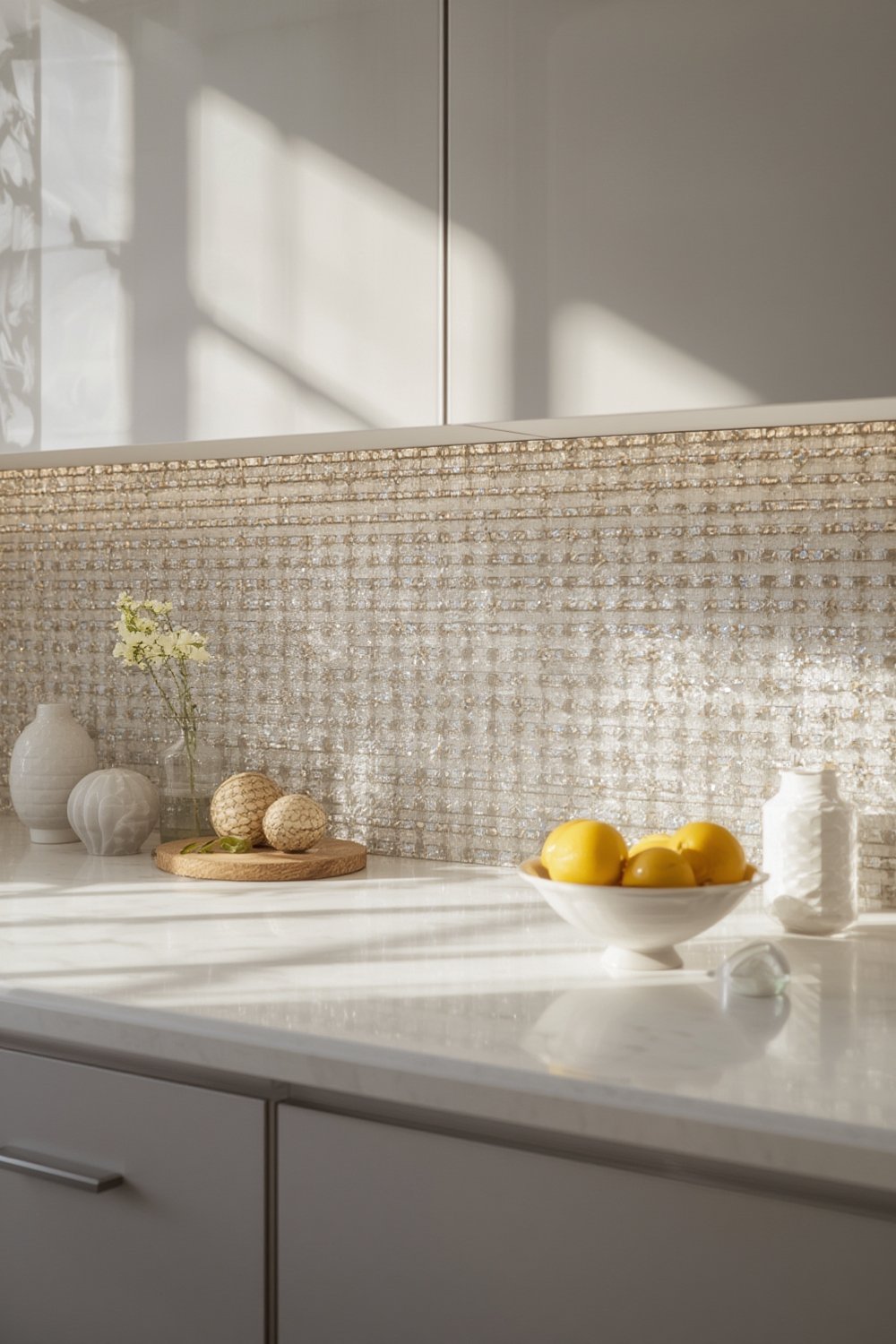
Driven by home makeover shows and social media, rhinestone accent peel stick tiles are part of a larger surge in peel stick backsplash solutions. According to market research, the global peel and stick tile backsplash market hit $13.75 billion in 2024, with rhinestone and crystal-embellished variants riding the wave of demand for customizable and easy-to-install luxury décor. Source
Vinyl-based peel-and-stick tiles dominate due to their flexible, recyclable, and affordable properties. Recently, eco-friendly innovations such as low-VOC adhesives and metallic/glam finishes have made these options even more attractive to homeowners and designers looking to stand out. For more about the wider world of easy DIY options, check out our detailed Peel Stick Backsplash guide.
How to Install Rhinestone Accent Peel Stick Tiles (Step-by-Step)
Ready to glam up your space? Installing rhinestone accent peel stick tiles is DIY-friendly but does require careful prep and some tricks for the best results, especially if your tiles have raised or fragile embellishments.
- Surface Prep: Clean and dry the wall. Remove grease, dust, and old adhesive. For best results, use isopropyl alcohol to wipe down glossy surfaces.
- Planning and Layout: Dry-fit your tiles and mark guidelines using a level. For accent strips or borders, pre-plan the pattern to minimize small cuts at the edges.
- Test and Trim: Test a tile in an inconspicuous spot. Trim tiles to size using sharp scissors or a rotary cutter, especially if tiles feature thick rhinestone or crystal reliefs. Avoid cutting across rhinestones when possible.
- Peel and Stick: Slowly peel off the backing and press the tile firmly to the wall, starting in one corner and working outward. Use a soft rubber roller or your palm to remove air bubbles, taking care not to crush any embellishments.
- Seam Handling: For best appearance, gently tap tile seams (if delicate) with a padded object or soft towel to avoid chipping or detaching rhinestones.
- Finishing Touches: Avoid heavy water exposure for 48 hours to allow full adhesive cure. Wipe down residual fingerprints with a soft microfiber cloth.
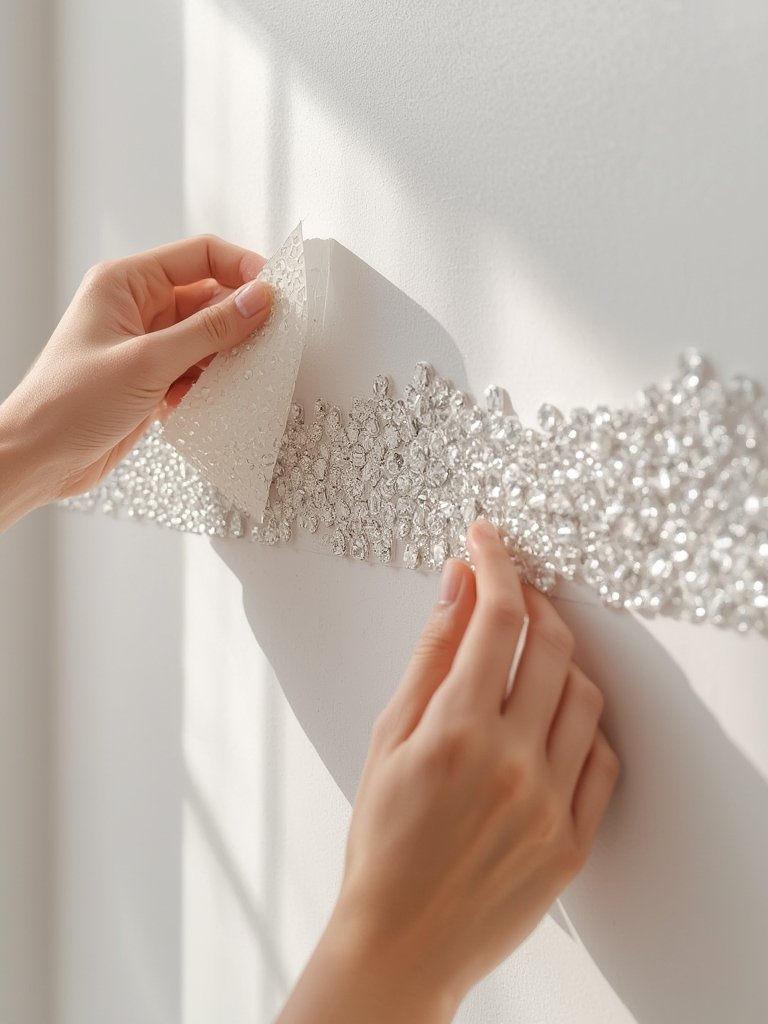
These steps work for most premium peel stick backsplash tiles. If you’re considering mixing metals for extra impact, check our full Mixed Metal Peel Stick Tiles installer’s guide.
And for a truly health-conscious upgrade, antimicrobial options might be worth a look—see the antimicrobial peel stick tiles guide for more info.
Advanced Analysis & Common Pitfalls
While rhinestone accent peel stick tiles provide instant wow-factor, there are several potential pitfalls and technical issues to keep in mind.
Common User Pain Points
-
Durability in Moist Areas: Peel-and-stick tiles can lose adhesion in high-moisture or steamy zones like above stoves or near sinks, especially if the adhesive isn’t top-tier. That’s why premium brands with modern, water-resistant adhesives are worth the extra investment.
Source - Maintenance Challenges: Crystal and rhinestone finishes resist most stains, but grungy buildup can dull their shine. Frequent gentle cleaning with a soft, non-abrasive cloth is key. Never use harsh scrubbing pads or bleach-based sprays on embellished tile.
- Temporary vs. Permanent: Peel stick backsplash tiles are often perceived as a “temporary fix” compared to ceramic, glass, or stone tile. This can impact home resale value, particularly in high-end markets.
- Installation on Textured Surfaces: Tiles won’t bond well to textured, uneven, or porous surfaces. Skipping surface prep is one of the top reasons for failed installations.
- Not All Tiles Are Created Equal: Cheap vinyl or “bling” tiles often lack the eco-friendly, non-toxic, and strong adhesives of reputable brands. Economy options are more likely to peel, warp, or discolor.
Material and Performance Comparison
| Tile Type | Installation Ease | Long-term Durability | Maintenance | Resale Value |
|---|---|---|---|---|
| Rhinestone Accent Peel Stick Tiles | Excellent (DIY, no grout) | Moderate (best in low-moisture/planning) | Easy (requires gentle care) | Variable (seen as temporary by buyers) |
| Ceramic/Glass/Stone Tiles | Challenging (requires pro install) | High (decades with proper care) | Moderate (grout can stain) | High (perceived as premium/longlasting) |
High-quality options use advanced adhesives and low-VOC, recyclable materials—these outperform bargain alternatives in resilience and safety. For a deeper technical breakdown, refer to this industry report.
Pricing for rhinestone accent tiles remains competitive with premium peel-and-stick solutions, though exact averages vary due to the wide range of finishes and embellishments available. For broad affordability discussions, the Strategic Revenue Insights resource provides up-to-date market context.
Other specialty peel-and-stick décor—like Peel Wallpaper and Princess Decals—highlight the versatility and limitations of adhesive décor across the home.
Conclusion
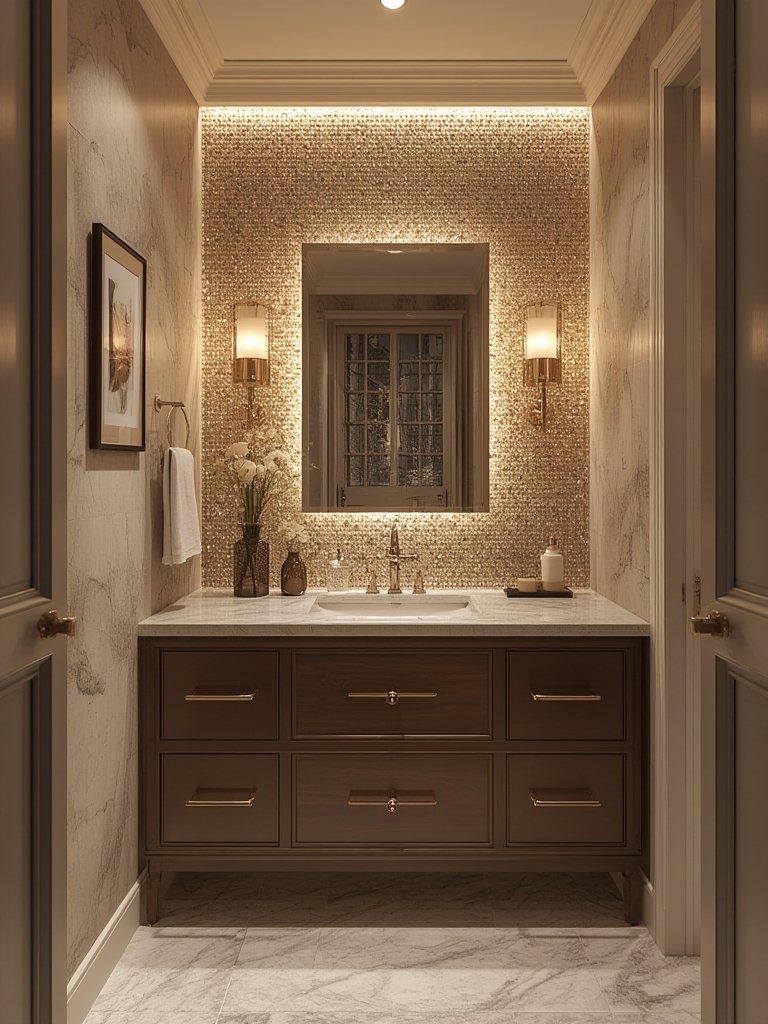
Rhinestone accent peel stick tiles deliver fast, dramatic glamour for walls and backsplashes—but realism is key: expect superior convenience, not permanent, stone-level durability. For best results, invest in high-quality, eco-friendly tiles, prep thoroughly, and be meticulous in your upkeep. Explore more peel stick solutions for different rooms and uses in our Peel Stick Backsplash hub.
Ready to lift your kitchen or bathroom with rhinestone accent peel stick tiles? Start planning your transformation today for a risk-free, jaw-dropping refresh—all without a single grout line.
Frequently Asked Questions
Are rhinestone accent peel stick tiles waterproof?
While many premium peel-and-stick tiles are water-resistant, not all are fully waterproof—especially if rhinestones or raised embellishments are present. Check manufacturer specs and avoid direct water exposure for best performance.
Do rhinestone or crystal accents fall off over time?
High-quality products use robust adhesives and secure mounting methods for rhinestones, but cheaper options may see some embellishment loss, especially in high-traffic or steamy environments.
How do you clean rhinestone accent peel stick tiles?
Use a soft microfiber cloth with mild soap and water. Avoid abrasive pads or strong solvents to protect the sparkle and adhesion of the crystals.
Can you use rhinestone accent tiles in a shower or over a stove?
It’s not recommended for direct shower or stove use, where high moisture or heat could break down adhesive. Use in accent areas, bar backsplashes, or vanity splash zones for better results.
Can these tiles increase my home’s resale value?
Peel stick backsplash tiles—including rhinestone accent designs—may not add the same resale value as traditional tile. They are seen as stylish but temporary improvements by many buyers.