

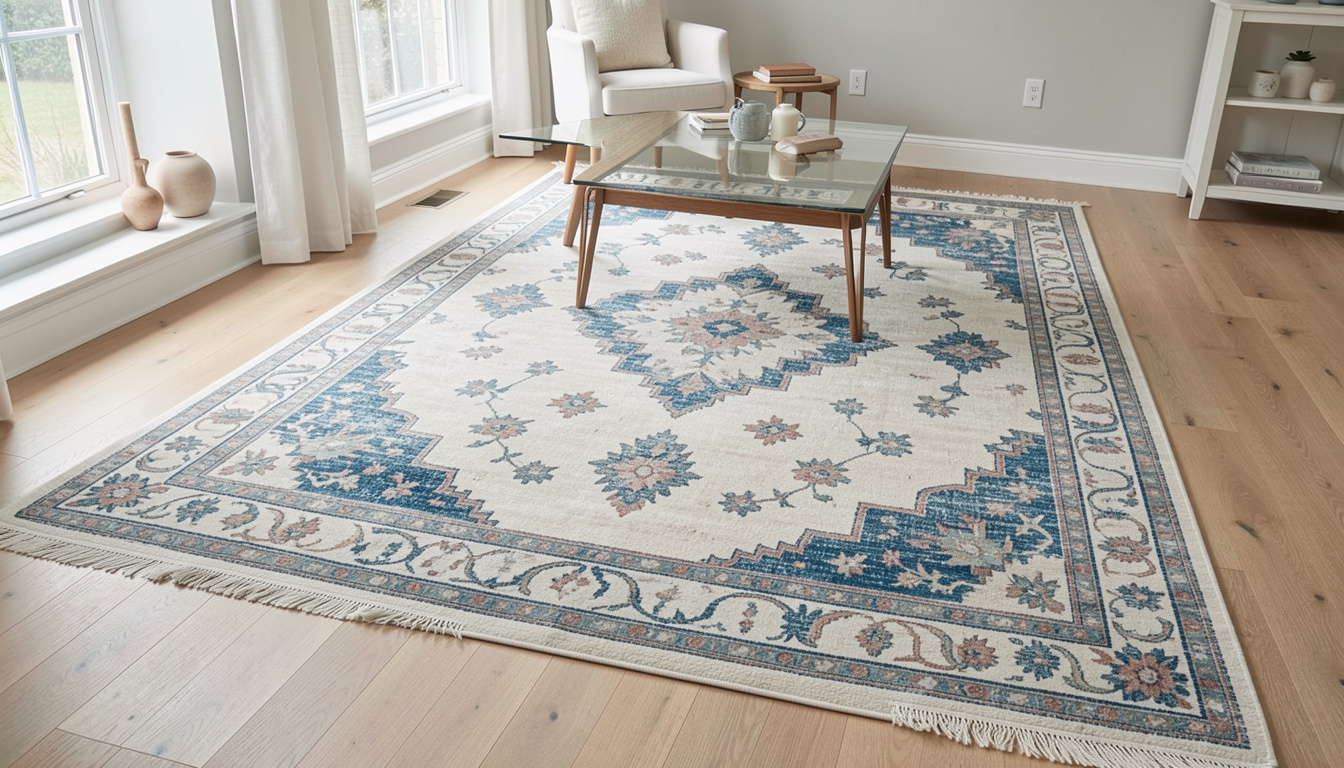
Machine washable runner rugs are changing how people keep kitchens and hallways clean without the hassle of traditional rug cleaning. With spills, foot traffic, and fast-changing trends, these runners dominate 2024’s home essentials—if you know what really works (and what doesn’t).
Key Takeaways
- Machine washable runner rugs are booming for kitchens and hallways thanks to better cleaning, but sizing, edge-curl, and drying time can trip up buyers.
- Beware of ultra-thin, easily curling runners—know what technical features actually make a runner truly “machine washable.”
- Expect to pay between $40-$300 in 2024, with performance differences tied to backing design, materials, and wash-lifespan—not just brand.
- What Are Machine Washable Runner Rugs & Why Are They Popular?
- How To Choose And Use Machine Washable Runner Rugs (Step-By-Step)
- Advanced Analysis & Common Pitfalls
- Conclusion: Are Machine Washable Runner Rugs Worth It?
- FAQ
What Are Machine Washable Runner Rugs & Why Are They Popular?
Machine washable runner rugs are narrow, long rugs engineered specifically to survive home laundry machines. Unlike regular area rugs, these runners are ultra-low pile and constructed with materials like polyester for stain and fade resistance. They’re targeted primarily for high-traffic spaces such as kitchens and hallways—areas notorious for spills, pet mess, and constant cleaning needs.
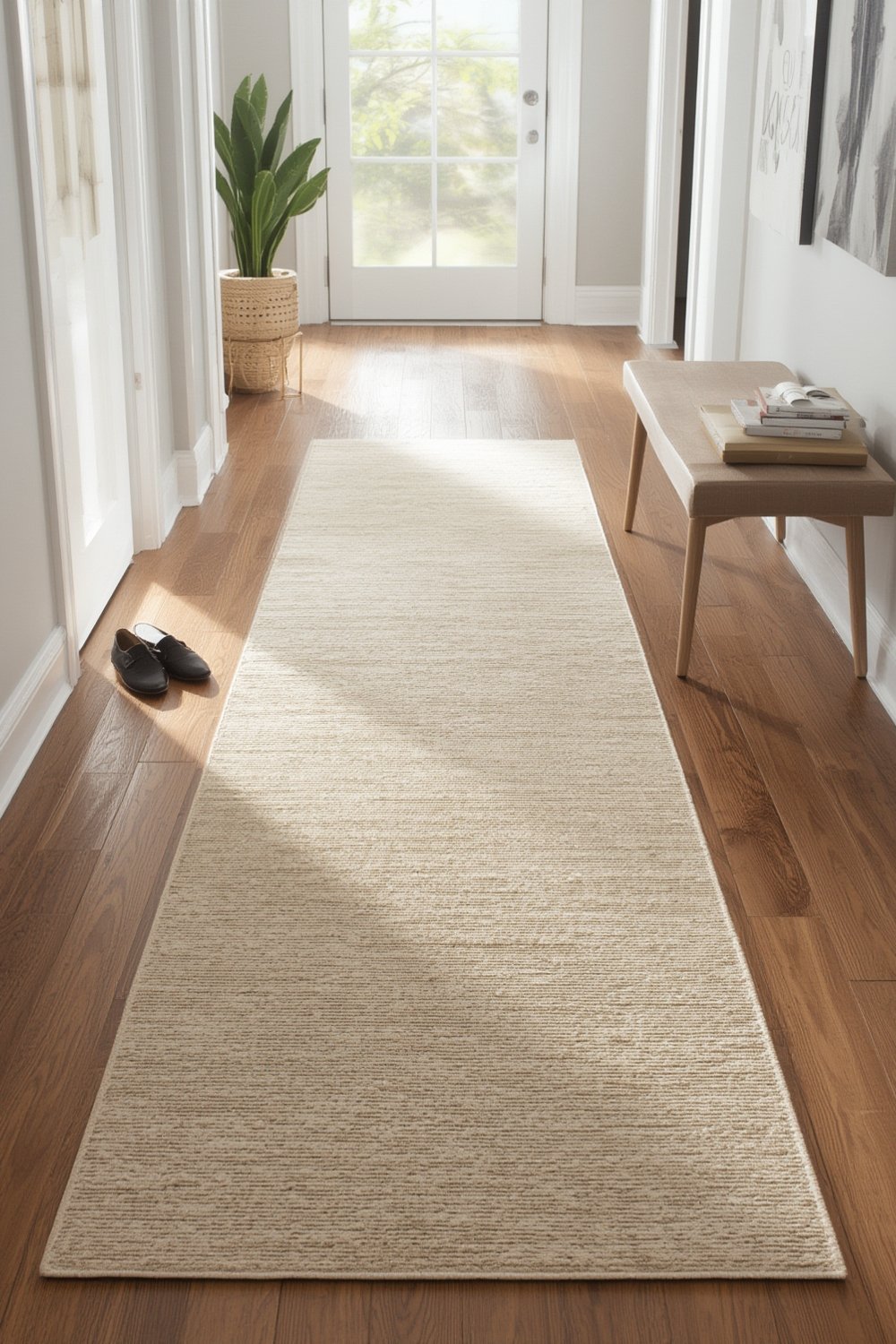
This surge in popularity isn’t just marketing hype. Industry reviews and third-party reports show these rugs are consistently the “best overall” format for kitchens and halls, solving the mess problem at home without pro cleaning. Still, as demand for these runners grows fast, the technical differences—and hidden pitfalls—between brands become crucial.
It’s not simply about tossing any rug into the washer. Genuine machine washable runner rugs have specific sizes (like 2’x6′, 2’x8′), advanced non-slip backings, and tested fiber construction for home appliance safety. Major brands such as Ruggable, Tumble, and Rugs USA are driving innovation, but the details make or break your daily experience.
How To Choose And Use Machine Washable Runner Rugs (Step-By-Step)
Choosing and maintaining a machine washable runner rug isn’t as hands-off as ads claim. Here’s how to get the best out of yours (and avoid regrets):
- Pick the right dimensions for your space. The most common sizes are 2’x6′, 2’x7′, and 2’x8’, but actual width can range from 20″ (for tight hallways or galley kitchens) up to 30+” for open areas. Use painter’s tape to “map” runner placement before ordering.
- Decide on one-piece vs two-piece system:
- One-piece runners integrate a non-slip backing, making them easier to align and lay flat, but may offer less cushion on hard flooring.
- Two-piece systems (separate washable cover + pad) are more common from premium brands. They offer more padding but require careful alignment (wrinkles or edge curl can appear if not flat).
- Prioritize the right materials. 100% polyester runners dry faster and resist more stains than cotton. Look for “colorfast” or OEKO-TEX labels for safe dyes.
- Check “machine safe” washing instructions before buying. Some runners require oversized washers or air-dry only, which impacts real-world use. Cold water, mild detergent, and line-drying preserve color and texture—hot water/heat cycles cause premature fading.
- Vacuum and spot-clean regularly between full washes. Even washable runners fray and fade faster with aggressive, frequent wash cycles. Gentle vacuuming keeps dirt down and lengthens lifespan.
- For deep cleans, remove the rug carefully:
- Shake out debris outside.
- Detach the cover from the pad (for two-piece systems).
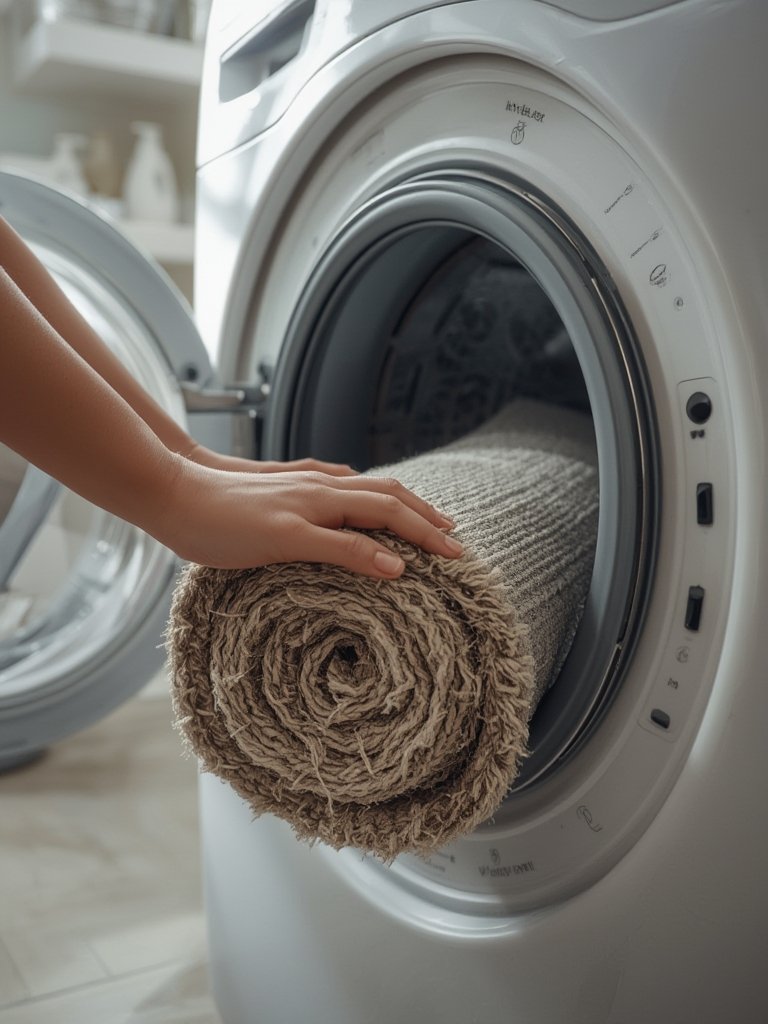
- Roll (not fold) to avoid hard creasing before placing in the washer.
- Wash on gentle/cold, then air-dry flat for best results. Some brands permit low-heat tumble dry, but check the tag.
- Address edges and backings post-wash: Smooth the runner’s edges flat while damp, especially after first several washes, to help prevent edge curl. Monitor backings—look for thread pulls, separation, or loss of grip after each wash.
Regular inspection helps catch problems like fraying, fading, or curling early—before they become tripping hazards or make returns impossible due to short brand policies. With these steps, you’ll get the most from your washable hallway or kitchen runner long after the first wash.
Advanced Analysis & Common Pitfalls
Even top-reviewed machine washable runner rugs have widely reported issues that catch new owners off guard. Here’s a realistic look at where things fall short—and how brands compare:
Comparison Table: Machine Washable Runner Rugs—What to Watch For
| Issue | Typical Causes | Brands/Systems Most Affected | How To Prevent |
|---|---|---|---|
| Edge Curling | Repeated washes, thin construction, poorly bonded edge binding | 2-piece systems (Ruggable, Tumble), some printed polyester | Smooth edges while damp; avoid high heat; check product reviews for edge lifespan |
| Long Drying Time | High-pile construction, air-dry only labels | Thicker rugs, natural fiber blends | Choose thin polyester; use air movement/fans for faster drying |
| Loss of Softness | Aggressive detergents, heat drying, repeated cycles | All budget/ultra-low pile rugs | Use mild detergent, cold water, limit wash frequency |
| Color Fading | Hot water/heat cycles, poor dyes | Many printed polyester runners | Strictly follow care instructions, avoid direct sun drying |
| Backing Breakdown | Washer agitation, pad separation, thread pulls | Low-end, 2-piece polyester, some “non-slip” one-piece | Inspect after each wash, air-dry, do not flex backings when wet |
| Too Thin Underfoot | Ultra-thin cover; little to no pad | Most single-piece, some basic two-piece | Add thin pad (if compatible), choose systems with “cushioned” base |
| Short Return Window / No Coverage | Brand policy, visible defects after first wash | Mid-tier online brands, large retailers | Test fit and function immediately after delivery |
| Tripping/Slip Hazards | Curling edges, loss of non-slip backing, improper sizing | Long/narrow spaces, worn runners, low-profile rugs | Check backing regularly; add anchor strips or compatible underlay |
Additionally, many top buying guides overlook real-world challenges like:
- Lack of narrow runner sizes for tight hallways (under 22” wide is rare—always double-check if your space is unusually slim).
- Return headaches if edge curl or fray develops after only a few washes, often past 30-day windows.
- Slippage and trip risk increase as non-slip backings degrade over repeated washes, especially on tile or high-polish wood.
- Environmental impact is under-reported: polyester runners shed microfibers in home washers, with few “eco-friendly” recycling plans for end-of-life disposal.
Lab-style review roundups such as Domino find that stain resistance is generally strong for polyester face fibers, but issues like edge curling and softness loss often appear “just outside” the return-policy window. Real comfort, wash lifespan, and defect rates depend more on brand engineering than price tag alone.
For a smoother install in complex spaces (and to offset “thin” feel), try supplemental upgrades like mixed metal peel stick tiles for visual pop under and around the runner, or line up with peel stick backsplash protection for seamless kitchen cleaning.
Conclusion: Are Machine Washable Runner Rugs Worth It?
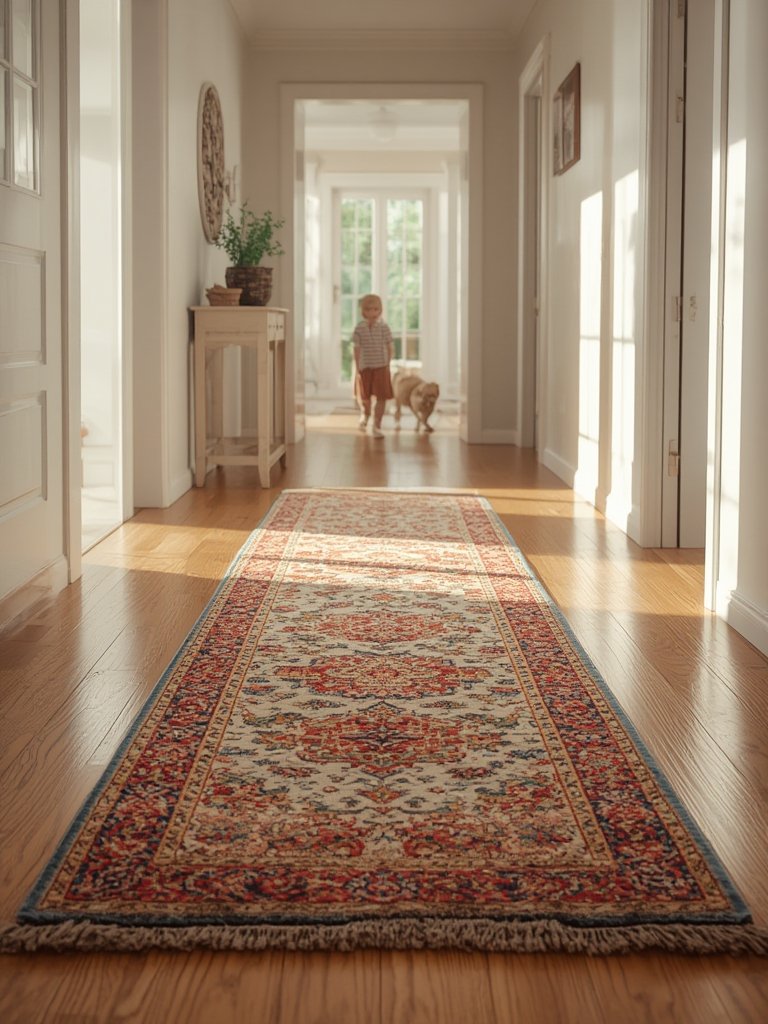
Machine washable runner rugs offer a practical, low-maintenance upgrade for busy kitchens and high-traffic hallways—but only if you choose wisely. Consider edge integrity, true machine-safe labels, and real-world fit, not just design. Watch out for common pitfalls like curling edges, long dry times, and shrinking non-slip performance.
The best strategy? Measure twice, check materials and wash specs, and be realistic about ongoing care. Ready to transform your narrow spaces with machine washable runner rugs built for everyday life? Explore performance-focused options and avoid surprises.
Want more DIY smart home upgrades? See our guides on peel wallpaper or browse peel stick backsplash for quick, affordable renovations.
FAQ
How often should I wash a machine washable runner rug?
Most homeowners wash every 2–4 weeks in busy kitchens or hallways, but spot cleaning and regular vacuuming reduce wear. Over-washing can shorten rug lifespan, so always follow care instructions and only wash when visibly dirty.
Do all machine washable runner rugs fit in a standard washer?
No. Most 2’x6′ or 2’x8′ runners fit a regular home machine; larger or thicker models (above 5’x8′) may need a laundromat “jumbo” washer or spot cleaning.
What’s the main cause of edge curling?
Edge curling usually appears after several washes, especially with thin, two-piece rugs where the cover loses shape. Always smooth edges flat during drying to help prevent curl.
Are these runners safe for all floors?
Most have non-slip backings, but performance varies. For tile or polished wood, check for non-toxic backing and test for slippage. Backing may degrade over time—add a grippy underlay if needed.
Can I put these rugs in the dryer?
Some brands allow low-heat tumble dry, but air-drying is often recommended for longevity. High heat can lead to fading, shrinking, or backing damage. Always check your rug’s care label first.
—