

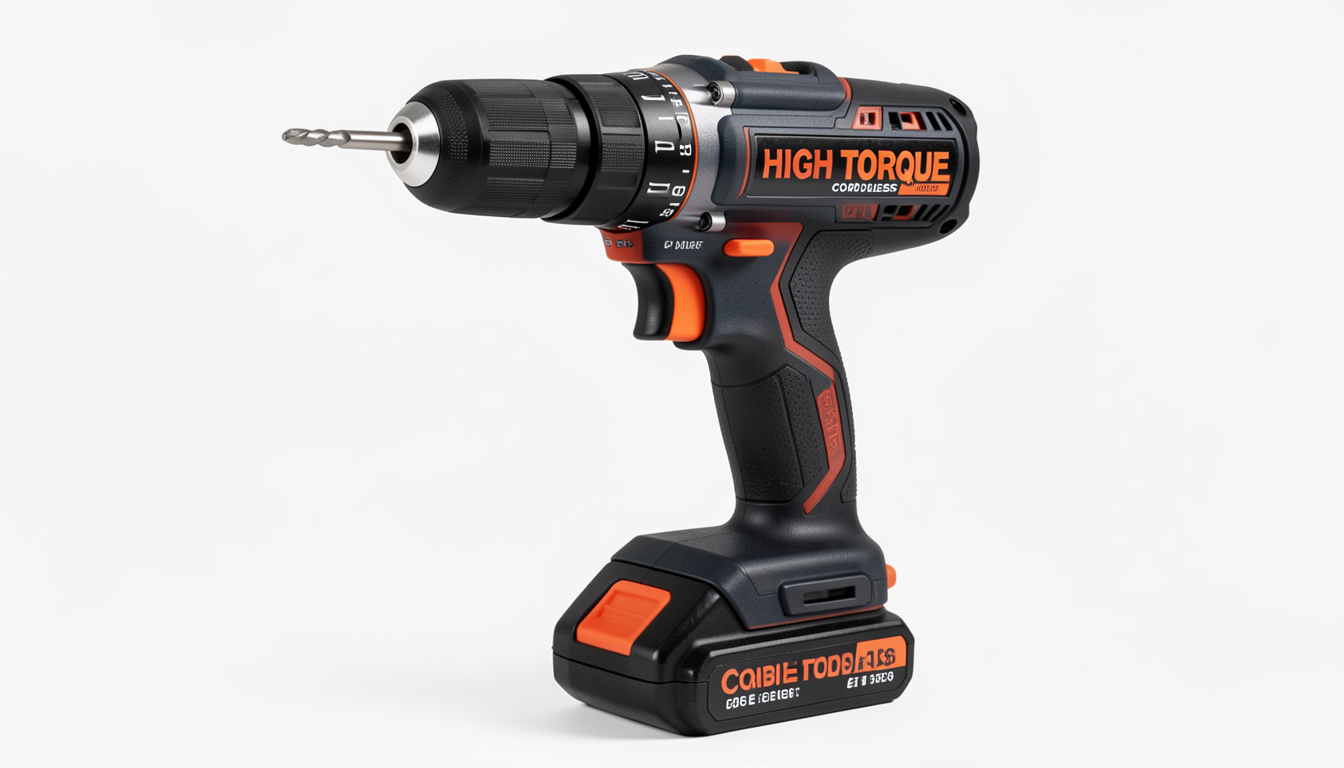
High torque cordless drill buyers want unmatched power—but most guides skip problems that show up on real jobsites. If you need reliable muscle for wood, masonry, or steel, this is the straight talk about specs, unexpected issues, safety, and how to shop smart in 2024 and beyond.
Key Takeaways
- Not all high torque cordless drills are created equal—real-world performance, safety features, and battery runtime vary widely.
- Buyer guides rarely address user fatigue, vibration, or choosing the right drill for concrete vs wood or steel projects.
- Industry benchmarks define “high torque” as 1,200+ in-lbs and 18–20V, but there’s no universal standard, so check manufacturer data and independent reviews.
- What Actually Makes a Drill “High Torque” and Why It Matters
- How to Choose and Use a High Torque Cordless Drill in 2024
- Advanced Breakdown: Common Pitfalls, Safety, and Head-to-Head Comparisons
- Conclusion
- FAQ
What Actually Makes a Drill “High Torque” and Why It Matters
High torque cordless drills deliver brute rotational power for tough jobs. Whenever you need to bore large holes, work with thick lumber, mix compounds, or drill into masonry, a standard drill simply isn’t up to the task. That’s where high torque models set themselves apart—with motors and transmissions capable of 1,200+ in-lbs of torque, and voltage ratings of 18–20V or higher. These machines handle oversized bits and dense materials, with features built for both efficiency and safety.
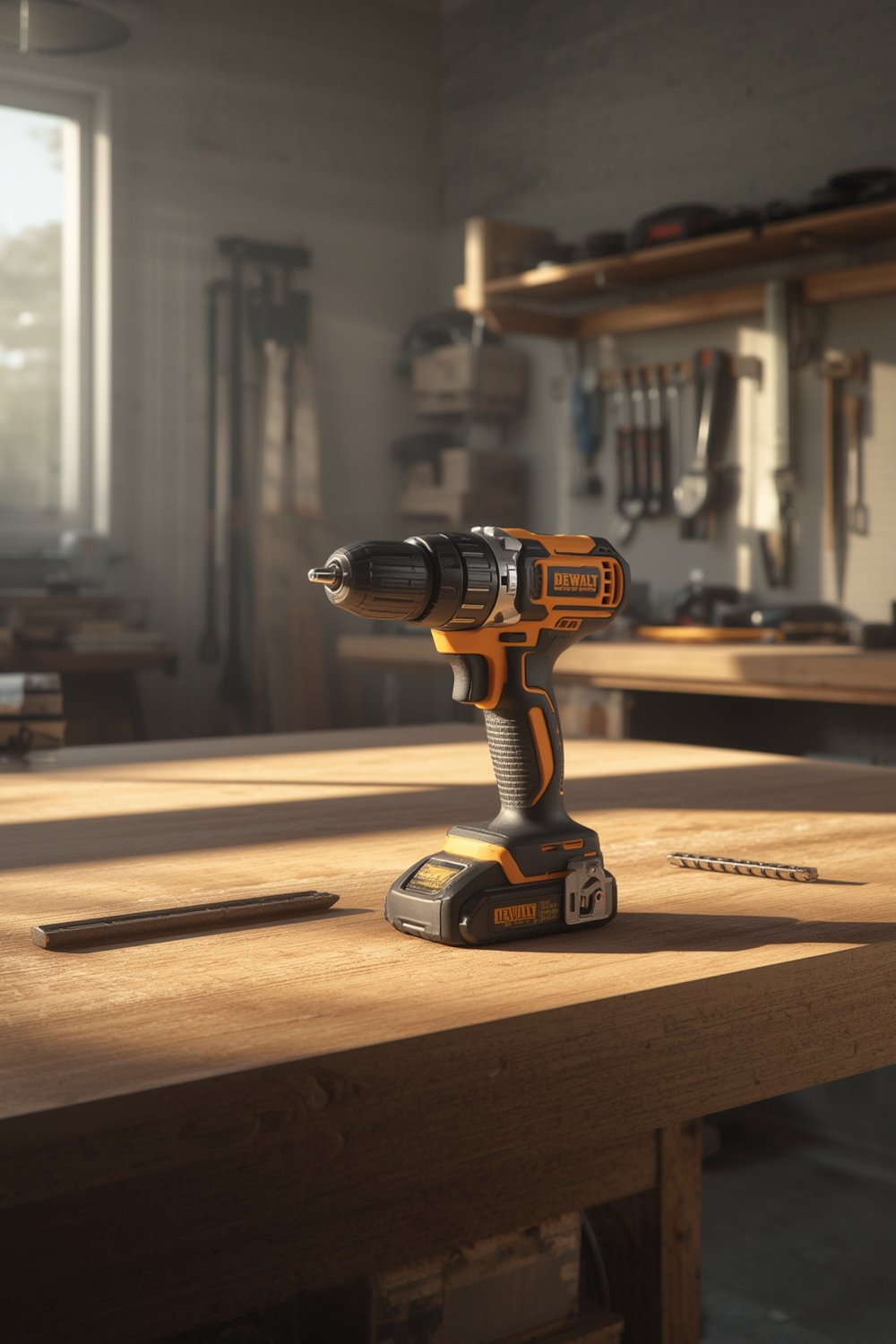
But beware: there is no universal industry definition. Brands market many tools as “heavy-duty,” yet performance, features, and run time differ drastically model to model. Always confirm with real stats and third-party testing such as this Pro Tool Reviews high torque drill roundup.
Heavy-duty drills usually include:
- Brushless motors for more efficiency and less heat [source]
- 2–4 speed settings, including hammer modes for concrete
- 1200–1530 in-lbs torque (check the spec sheets)
- Weight of 3.3–4.1 lbs bare, 6–8 lbs with battery
True “high torque” power is mission critical if you plan to use large self-feeding or spade bits, drywall hole saws, or heavy mixing paddles—or if you regularly hit rebar or tough masonry. Undersized drills aren’t just slow; they can overheat, drain batteries fast, or force you into injury-prone positions.
Curious about simple, effective upgrades for your space? Peel Stick Backsplash offers quick installation guidance for wall updates using just a few hand tools—including your cordless drill.
How to Choose and Use a High Torque Cordless Drill in 2024
Picking the right high torque cordless drill isn’t about chasing maximum numbers—it’s about what you need for your common projects, safety, and how much you’ll realistically use it. Here’s your modern process:
- Match torque rating to task and bit size: For framing or boring in hardwood, look for models rated at least 1200 in-lbs. If you do mostly concrete, pay extra attention to hammer impact (BPM) and be sure your drill supports masonry bits.
- Battery and charger compatibility matter: Heavy work drains batteries fast. Invest in kits with 2+ batteries or buy extra. Look for 6.0Ah+ packs for all-day work. Note, most review sites skip actual runtime data—don’t assume expensive equals long-lasting.
- Drill weight and grip shape affect fatigue: For extended projects, 7 lb tools quickly cause arm strain. If possible, demo drills in-store to test their ergonomics.
- Double-check safety features: Anti-rotation or kickback control are essential when operating at high torque. These systems stop the motor instantly if the bit binds, reducing wrist injuries.
- Consider your workspace size: Smaller tool length (7.1–8.5”) improves maneuvering in tight spaces—a key issue for home renovators and pros alike.
- Factor in accessory and replacement battery pricing: Cordless models are sold tool-only or as kits. Kits save money versus piecemeal but be sure batteries are the highest capacity available for your brand.
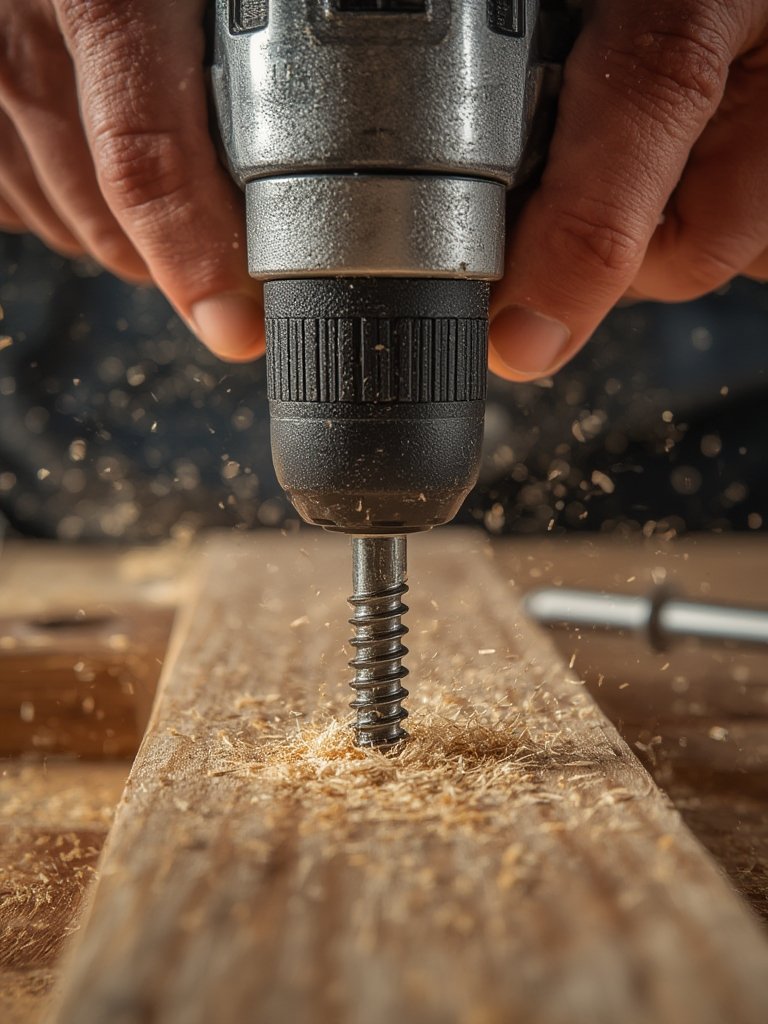
Also, when working in finished spaces, protect your surfaces by using antimicrobial peel stick tiles or peel wallpaper around drill areas. It’s a fast, no-mess update if you slip or chip a wall surface mid-project.
Need a lightweight decor project where power tools aren’t needed? See the LEGO Bamboo review for DIY inspiration.
Advanced Breakdown: Common Pitfalls, Safety, and Head-to-Head Comparisons
Here’s the reality: most “best drill” articles focus on specs and ignore big gaps that matter in pro and DIY life. These are the most frequent pitfalls—and how to avoid them:
- Battery performance isn’t guaranteed. None of the leading reviews provide actual runtime, recharge time, or battery lifespan. Plan for extra packs if you need all-day use. Consider that heavy mixing and large-hole boring can drain even top-tier batteries in under 30 minutes. Always check if your brand offers high-capacity options (6.0Ah or higher).
- User fatigue and comfort are underreported. Most drills weigh over 6 lbs after battery install. This can cause forearm and wrist fatigue quickly, especially overhead. If you have a lot of overhead work, prioritize lighter models or balanced-brushless motors.
- Safety features are uneven across brands. Not every high torque cordless drill has true anti-rotation or kickback control, even at premium prices. For wrist safety, always buy models with built-in protection like that in the Flex FX1271T or Ridgid pro series.
- Concrete and multi-material drilling is unpredictable. Tests rarely include actual concrete or masonry—most reviews focus on wood performance. For frequent masonry work, seek drills with true hammer function and check independent test reports.
- Pricing lacks transparency. Bare tools are often promoted under $350, but battery kits and accessories often double your real outlay. Don’t budget on tool-only prices—factor in the true full-kit cost for best value.
| Model | Max Torque (in-lbs) | RPM Range | Weight (bare tool) | Key Safety Feature | Concrete Drilling Ready? | Approx. Price (bare) |
|---|---|---|---|---|---|---|
| Flex FX1271T | 1,400 | 0–700/2,500 | ~3.9 lbs | Rotation Protection | Yes (Hammer Mode) | N/A |
| DeWalt DCD1007 | 1,530 (UWO) | 0–450/1,300/2,000 | ~3.5 lbs | N/A | Yes (Multi-Speed) | N/A |
| Makita GPH01 | 1,250 | 0–650/2,600 | ~3.3 lbs | N/A | Yes (Hammer Mode) | N/A |
| Bosch GSB18V-1330CN | 1,330 | 0–550/2,200 | ~4.1 lbs | N/A | Yes (Hammer Mode) | N/A |
| Ridgid R861152 | 1,250 | — | ~3.7 lbs | Kickback Control | Yes | N/A |
| Hilti Nuron SF 10W-22 ATC | N/A | — | — | Rotation Protection | Yes | $341 |
For a closer look at easy, renter-friendly tiling, browse these mixed metal peel stick tiles—no heavy drilling required.
Don’t forget: For entertainment upgrades, you can use your new drill to mount devices like the Roku Stick in a living room. A proper drill saves time and wall repairs!
Conclusion
Shop for a high torque cordless drill using facts, not hype. Look for torque over 1200 in-lbs, verified safety features, and real-world ease of use. Don’t trust marketing alone—independent test data and hands-on demos tell the full story. Always choose extras (like batteries and bits) based on your real needs, and factor in the full cost of ready-to-go kits vs tool-only pricing. For both heavy jobs and easy decor improvements, having a high torque cordless drill in your kit will save headaches, time, and risk. Ready to take on any DIY or pro project? Compare your options and get drilling with confidence today.
FAQ
What defines a high torque cordless drill?
High torque cordless drills deliver at least 1,200 in-lbs of rotational force and run on 18–20V or higher batteries. They typically feature brushless motors, variable speed settings, and often include hammer modes for tough materials.
Can a high torque cordless drill replace a corded drill for concrete or masonry?
For most light to medium-duty jobs and using the hammer mode, yes. But for repeated deep holes in hard concrete, a dedicated SDS rotary hammer is still best. Cordless high torque drills are versatile but not always as fast for heavy masonry work.
How do I reduce fatigue when using heavy cordless drills?
Use the lowest gear for tough-start holes, support the drill with both hands, and never overreach. Take frequent breaks on long jobs. Choose models with balanced weight and anti-kickback features to protect your wrist and arm.
Why is there so little battery lifespan and runtime data in reviews?
Battery performance depends on task, bit size, and ambient temperature. Reviews often skip these tests due to time or lack of standardized protocols, making it wise to buy extra batteries for critical jobs.
Is kit pricing or bare tool pricing the smarter investment?
Kits—including tool, two batteries, charger, and case—usually save money if you need more than one battery. For those already using a compatible system, bare tools may be a cheaper addition. Always compare full kit vs piecemeal pricing before you buy.
—