

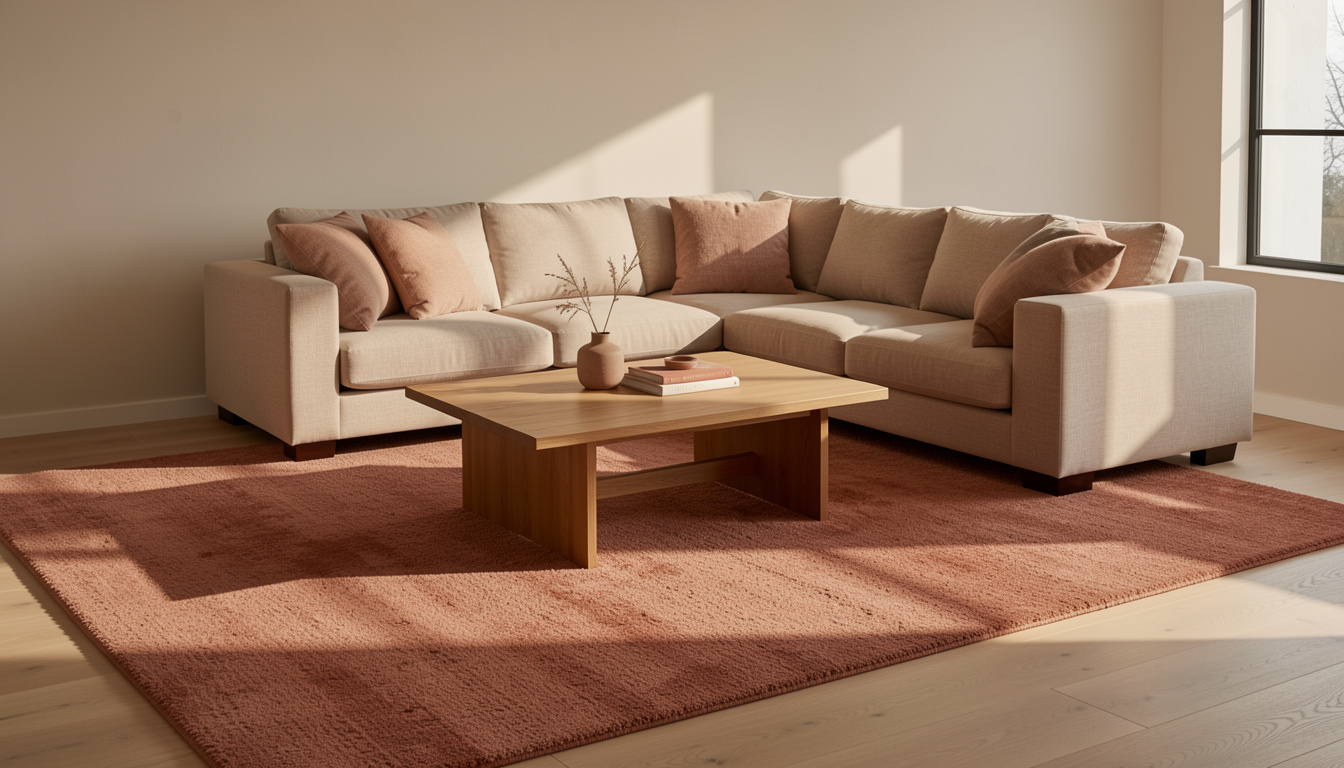
Earth tone rugs are at the center of a major home decor movement in 2024, driving both rug market growth and shifting color palettes across living spaces. With demand rising for terracotta, olive, burnt orange, and ochre—all within the wider trend of calming, organic materials—choosing the right rug is both an opportunity and a challenge that goes far beyond just style.
Key Takeaways
- Earth tone rugs deliver a timeless, grounding energy but require special consideration for colorfastness, pile, and space usage to avoid common disappointments.
- The 2024 rug market shows strong growth in natural, sustainable, and customizable earth tone options—especially in terracotta, olive, and ochre palettes.
- Practical buying involves matching materials and construction to room type, sun exposure, and cleaning realities—details many buyers overlook.
- What Are Earth Tone Rugs and Why Are They Everywhere?
- How to Buy and Use Earth Tone Rugs: A Step-by-Step Guide
- Advanced Analysis and Common Pitfalls with Earth Tone Rugs
- Conclusion
- FAQ
What Are Earth Tone Rugs and Why Are They Everywhere?
Earth tone rugs are defined by their use of colors found in nature: terracotta, rust, ochre, olive, sage, and warm beiges. These colors pair seamlessly with minimalist, organic, and contemporary interiors, delivering visual warmth and a calming mood. The trend is more than a style shift. According to market data, the area rug sector is valued at $12.6 billion in 2024, expected to reach $20.8 billion by 2034. Nearly 1 in 5 area rugs sold has an earth tone palette, making them among the fastest-growing home décor products. This surge sits within a bigger movement toward wellness, mindful design, and sustainable living.
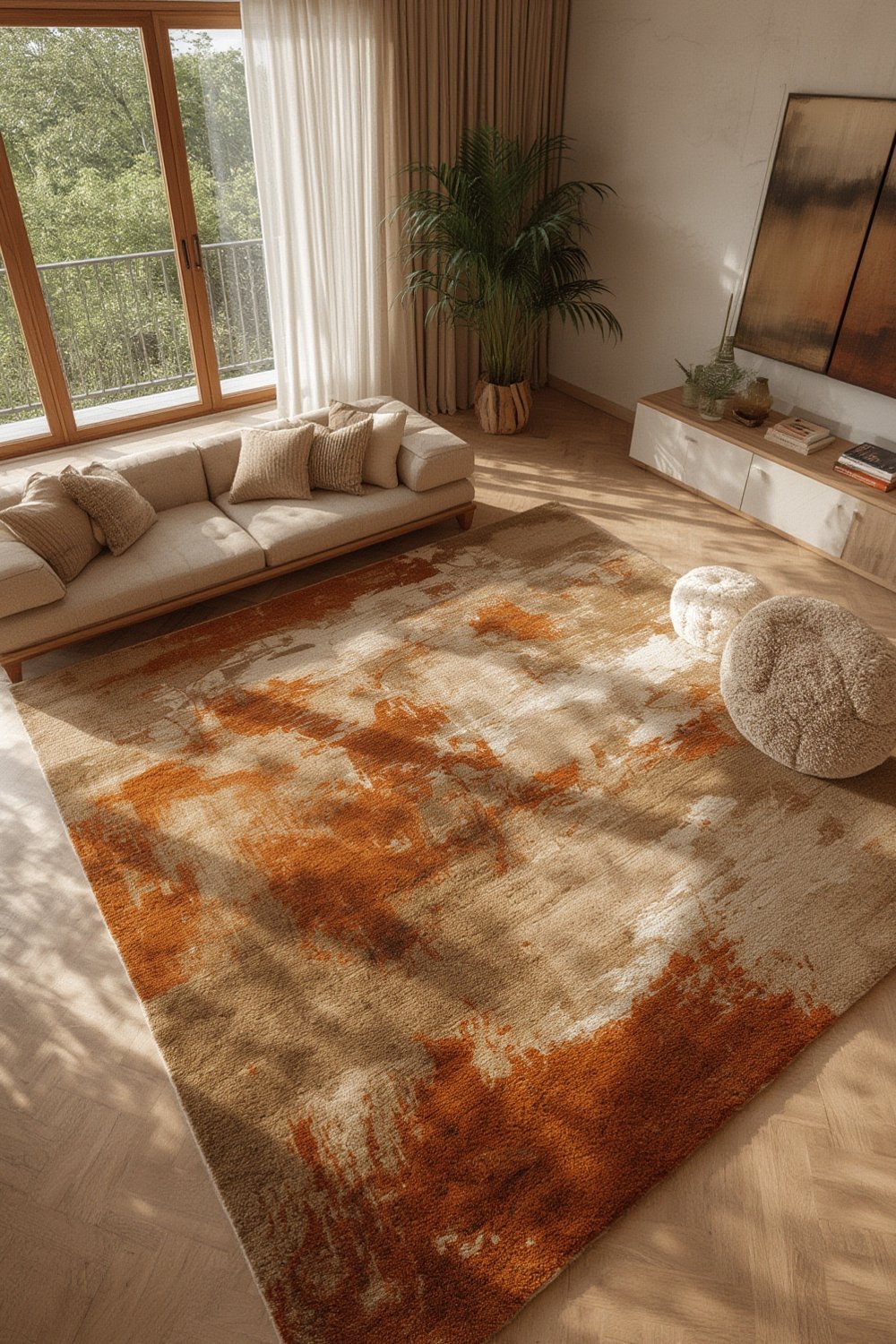
The enduring appeal of earth tone rugs comes from their ability to anchor a space, soften hard lines, and connect indoor rooms with natural materials. Buyers are also looking for eco-friendly options—think jute, wool, recycled synthetics—which have strong overlap with earth palette designs. Customization is a top trend this year, inviting buyers to design their own earth tone rug or recolor established patterns, often at a premium price. But with popularity and variety comes risk: mismatched expectations, performance gaps, and hidden costs can result in frustration if you don’t shop smartly.
How to Buy and Use Earth Tone Rugs: A Step-by-Step Guide
Choosing an earth tone rug can transform a room, but poor decisions lead to color shock, maintenance headaches, or durability issues. Follow these steps to avoid common mistakes:
- Define the room’s function and traffic.
- For living rooms, look for medium pile (0.4–0.6 in) in wool or durable synthetic; for dining areas or hallways, pick low-pile or flatweave rugs that allow chair movement and reduce matting.
- Homes with pets or kids benefit from stain-resistant synthetics or durable wool in mid-to-darker earth hues, which hide dirt.
- Entryways and high-traffic zones call for nylon or jute with loop or flatweave constructions.
- Match fiber and backing to your needs.
- Wool is premium—naturally soil-repellent, resilient, and offered in luxurious earth tones, albeit at a higher starting price.
- Synthetics (polypropylene, polyester, nylon) have the advantage of stain resistance and lower cost, but pile can flatten quickly in busy spots. Nylon is noted for top-tier durability, accounting for 42% of the synthetic rug share in 2023. (source)
- Jute or sisal scores high on sustainability, but may feel rough underfoot and is susceptible to spills—best for low-moisture spaces.
- Select your color mindfully.
- Terracotta, rust, and ochre intensify warmth. They work best in rooms with neutrals, wood, or black metal, but are prone to sun fading. Olive and muted greens feel grounding and modern especially among light oak or linen furnishings.
- Always check user reviews for photo comparisons—reds may arrive browner, olives may look grayer, and ochre can skew mustard.
- Calculate true cost by size and construction.
- Mid-size (5’×8’) earth tone rugs in synthetic run $80-250, wool blends $200-450, flatweave jute $120-400, and artisan hand-knotted wool $800-3,000+. Sizing up (8’×10’, 9’×12’) increases price by 1.8 to 3.5 times.
- Customization is available, often at a 20–50% markup. For something unique, hand-knotted custom rugs start at $40/sq.ft and can reach $150+/sq.ft depending on complexity and material.
- You’ll find more insights in specialist guides such as this peel wallpaper summary for natural neutrals.
- Protect for longevity.
- Use rug pads to maintain position, minimize wear, and prevent color transfer on light floors. Pad selection is critical for flatweave and thinner synthetics.
- Rotate rugs in sunlit rooms every few months to minimize uneven UV fading.
- See 2025 rug trends for the latest in maintenance-friendly and eco-conscious designs.
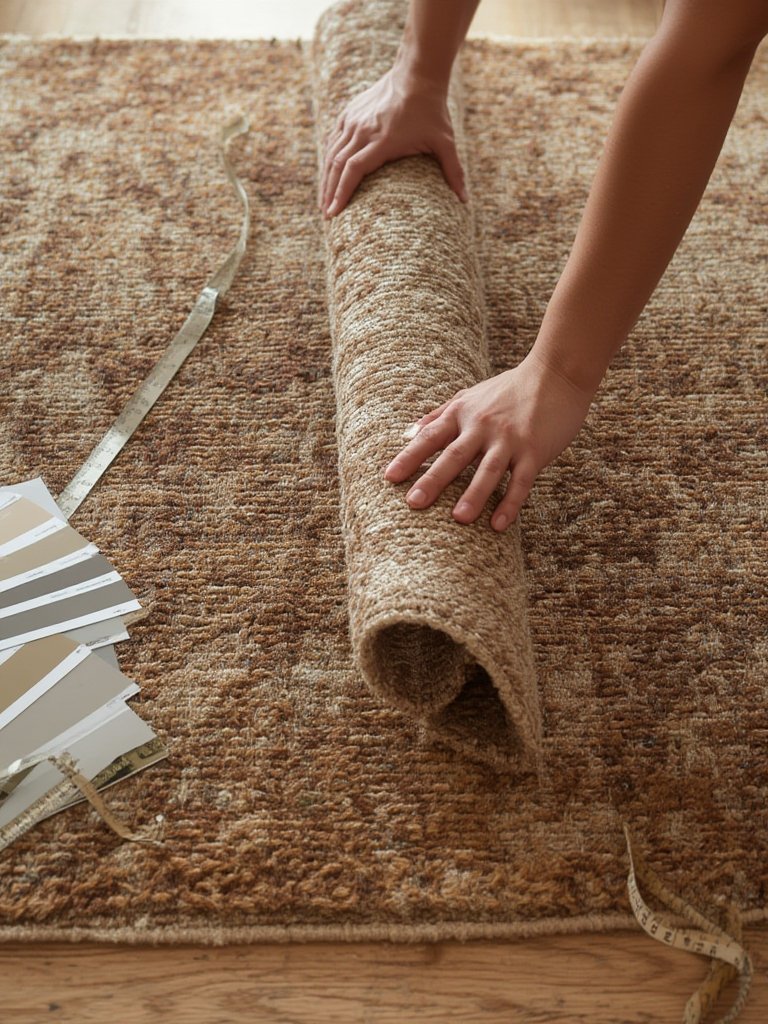
For extra flexibility, pair your earth tone rug with peel stick backsplash or mixed metal peel stick tiles for fast, renter-friendly accent transformations that work with both natural and industrial color schemes.
Advanced Analysis and Common Pitfalls with Earth Tone Rugs
Despite their appeal, earth tone rugs present unique challenges—especially with color, materials, and cleaning protocols. Real-life user reviews and 2024 trade data surface key issues:
- Color mismatch: Product photos for earth tones (terracotta, olive, ochre) can look quite different from the actual rug. Lighting, device screens, and dye batch variations are the main culprits.
- Sun fading: Warm reds, oranges, and yellows fade quickly in direct sunlight. Differential fading in multi-tone patterns is difficult to fix without professional restoration.
- Material mis-selection: Wool sheds at first (especially hand-tufted), while inexpensive synthetics flatten or lose color vibrancy after heavy use.
- Cleaning pitfalls: Earth tone rugs need gentle products to maintain pigment. Bleach, high-pH detergents, and aggressive scrubbing can lead to unsightly pale spots or dye bleed.
- Texture disappointment: Flatweave natural fiber rugs may feel scratchy and rough, contrary to cushier expectations.
- Stain visibility: Lighter earth tones (beige, ochre backgrounds) highlight spills; darker tones show lint or pet hair.
| Material | Durability | Colorfastness | Comfort | Cleaning Ease | Best Use |
|---|---|---|---|---|---|
| Wool (hand-tufted) | High but sheds | Good if high quality | Very soft, plush | Needs gentle/wool-safe | Living/bedrooms, low-traffic |
| Nylon | Very high | Excellent, sun-resistant | Moderate | Easy, stain-resistant | High-traffic, entryways |
| Polypropylene | Moderate | UV safe, but bonding varies | Soft if high-pile | Easy, but can flatten | Family/living, rental |
| Jute/Sisal | Moderate | Good (natural color) | Rough, firm | Vacuum only, no soaking | Dining, accent |
Maintenance protocols are paramount. Synthetics do well with everyday spills, but reds/oranges can still lose saturation over time. For washability and hygiene in kids’ or pet spaces, check out antimicrobial peel stick tiles for adjoining floors or entry zones—these pair well with practical rug choices.
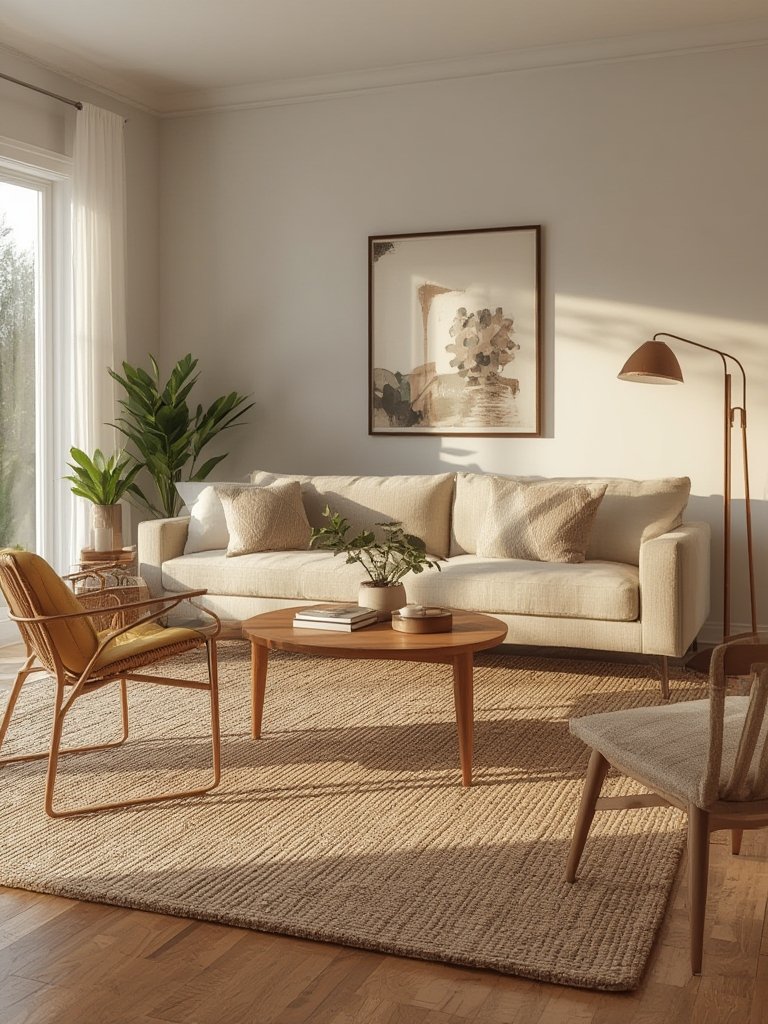
Finally, customization is a growth area but comes with a learning curve. Custom earth tone rugs offer unmatched control over size and palette. However, these are typically non-returnable, production lead times are long, and premium natural fibers command a high price—sometimes above $150 per square foot. Researching supplier reputation, clarity of color samples, and post-purchase care is critical before taking this step.
For deeper style insights and layering strategies using plants or botanicals, see our LEGO Bamboo home decor guide.
Conclusion
Earth tone rugs remain a defining trend in the 2024 rug market for good reason: they offer organic style, calming energy, and broad versatility. But to make your investment worthwhile, focus on matching fiber, pile, and color to your space’s real needs. Account for sunlight, foot traffic, and cleaning realities from the start. The best earth tone rugs are those you can live with—visually and practically—for years to come. Ready to ground your space with an earth-inspired rug? Research carefully, use real-world photos and expert guides, and enjoy a look that never goes out of style.
FAQ
What colors qualify as earth tone rugs?
Earth tone rugs include shades found in nature—terracotta, rust, burnt orange, ochre, olive, sage green, warm beige, sand, and taupe. The focus is on muted, grounding, and non-glossy colors rather than brights or cool tones.
Do earth tone rugs fade in sunlight?
Yes, reds, oranges, and ochres are prone to UV fading, especially in wool and cotton. Synthetic fibers like nylon usually perform best. Rotate rugs in bright rooms and use blinds or UV film for maximum longevity.
How can I clean earth tone rugs without damaging the color?
Vacuum routinely with suction only for flatweaves; blot stains using mild, color-safe detergent. Avoid bleach or high-pH cleaners, especially on wool—test on a hidden spot to prevent color lift.
Are jute or wool earth tone rugs good for homes with pets?
Wool works well for most pets but may shed; tightly-woven, medium-pile is best. Jute is less forgiving—it can be rough, absorb odors, and is harder to deep clean after pet accidents. Consider synthetics in high-traffic pet areas.
Where can I use earth tone rugs for the best effect?
Use in living rooms to anchor seating, in bedrooms for warmth, and in hallways/dining areas for color and durability. Pair with muted neutrals, black accents, or layered natural textures like peel stick backsplash tiles or botanicals for a harmonious look.
—