

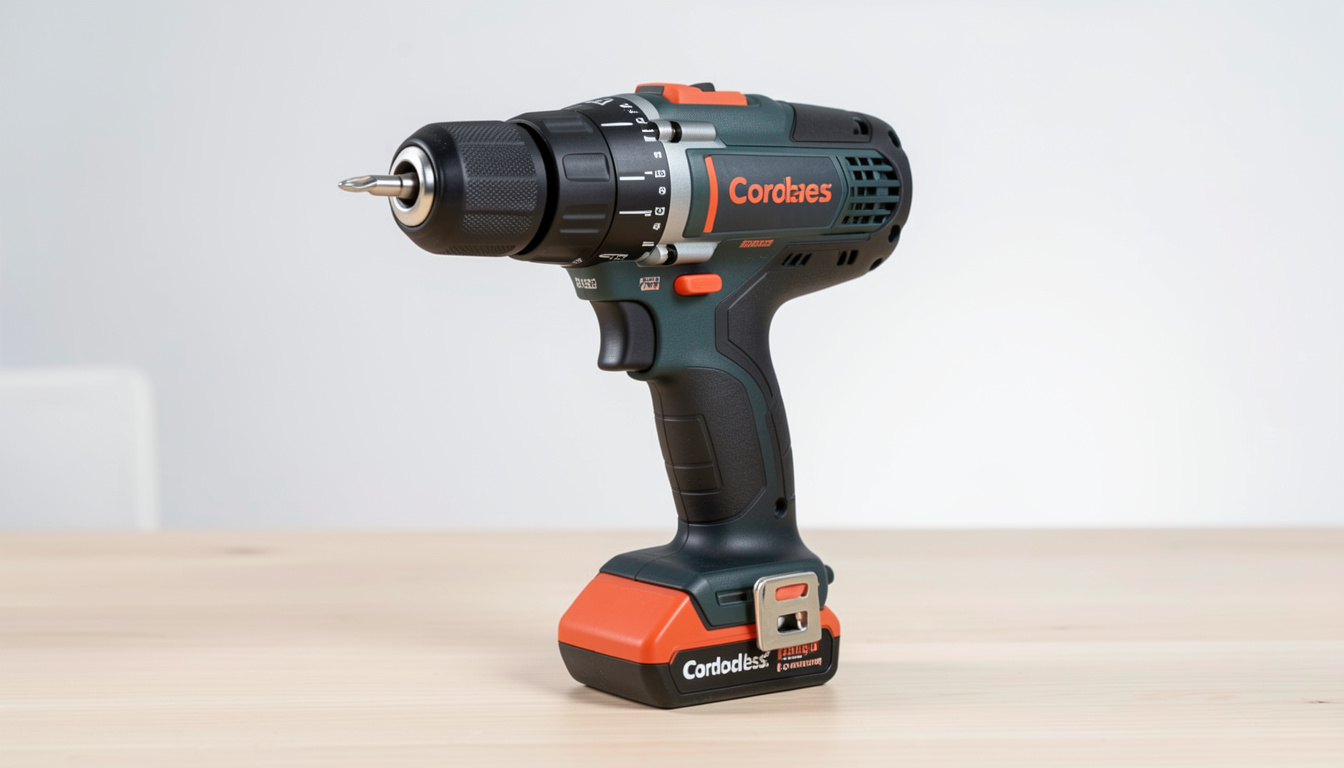
Compact cordless drill sales are booming in 2024, reshaping DIY and pro toolkits worldwide. Choosing, using, and getting more from the right model now means understanding how these small but mighty tools deliver—and what pitfalls to dodge.
Key Takeaways
- The compact cordless drill market is expanding rapidly, driven by urban renovations and demand for lightweight, ergonomic designs.
- Compact drills excel in tight spaces, but buyers must pay attention to power, battery life, and real-world use cases.
- Performance, price, and innovation have all improved since 2023—making smart selection more rewarding (and confusing) than ever.
- Understanding Compact Cordless Drills: What and Why
- How to Choose and Use a Compact Cordless Drill
- Advanced Analysis & Common Pitfalls
- Conclusion: Making the Most of Your Compact Cordless Drill
- Frequently Asked Questions
Understanding Compact Cordless Drills: What and Why
Compact cordless drills are portable, battery-powered tools designed for drilling and driving fasteners in spaces where bulkier tools would slow you down. The appeal? Lightweight bodies fit tight corners, top cabinets, and overhead installs—allowing for hours of user comfort while still delivering real muscle for wood, drywall, or light metal work.
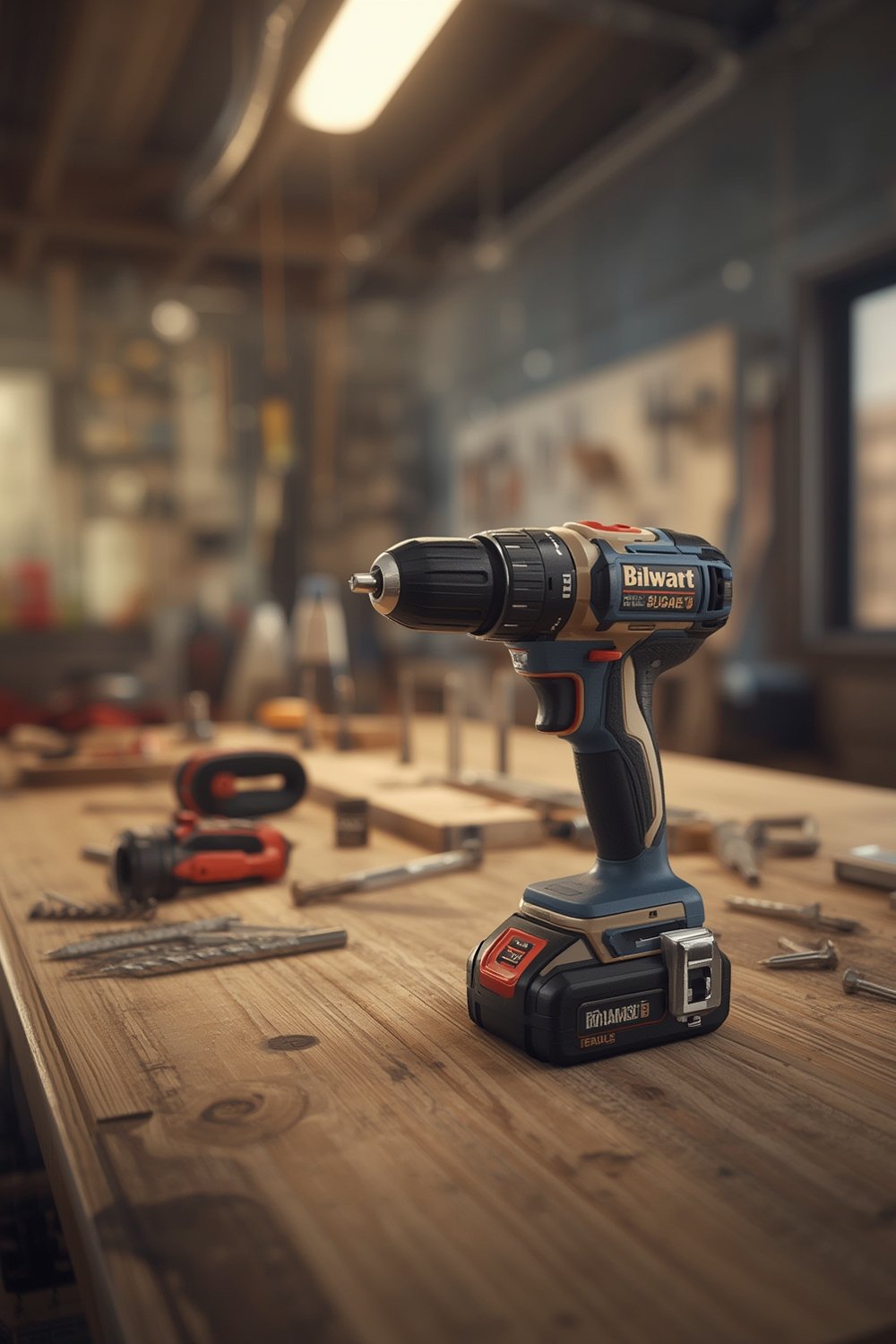
In 2024, more than 60% of retail cordless drill buyers specifically select compact and lightweight designs for urban apartment renovations, cabinetry, and DIY repairs. As recent market statistics show, the global cordless power drill sector reached $5.1 billion, with a projected 5.8% CAGR through 2032. North America leads with over a third of global share, and in regions like India and Brazil, cordless drills—especially entry-level and mid-range—saw staggering 35% year-over-year growth. Professionals make up nearly half of worldwide sales, while the residential DIY segment grows fastest.
For anyone tackling modern home projects like Peel Stick Backsplash installs, privacy film upgrades, or smart furniture builds, compact cordless drills provide agility, maneuverability, and off-grid convenience where corded models can’t compete.
How to Choose and Use a Compact Cordless Drill
Getting the right compact cordless drill is about more than just size. Here’s how to confidently pick the best model and get peak results:
- Assess your main uses. Are you mostly doing small home repairs, IKEA builds, or professional work? For most homeowners or urban dwellers, a 12V models with decent torque and a slim grip will handle 90% of jobs—including hanging decor, cabinetry, and light renovation.
- Compare battery types and voltage. In 2024, 12V models are the bestseller in the US due to their balance of power and light weight, while 18V-20V models deliver more torque but can add bulk. For occasional users, a quality 12V lithium battery often means less fatigue and more convenience. If you plan to drive larger fasteners or drill thicker material frequently, consider premium 18V compact drills—but check total tool weight first.
- Review weight and ergonomics. Seek lighter drills that weigh 2 to 3 pounds with battery attached for all-day comfort. Features like rubberized grips, balanced bodies, and variable speed triggers all aid precise control—especially important when working around delicate surfaces like peel wallpaper or new fixture installs.
- Look at battery compatibility. Many brands now offer shared batteries across drill, saw, and tool lines. This cuts costs over time and ensures you always have a charged pack. Before buying, check if the drill works with your existing tools’ batteries, or pick a platform with good expansion options.
- Understand speed, torque, and clutch settings. More isn’t always better: the best drills make it easy to dial in just enough power for each material. Multiple clutch settings prevent overdriving screws in soft walls or delicate materials (like when mounting LEGO Bamboo shelf decor).
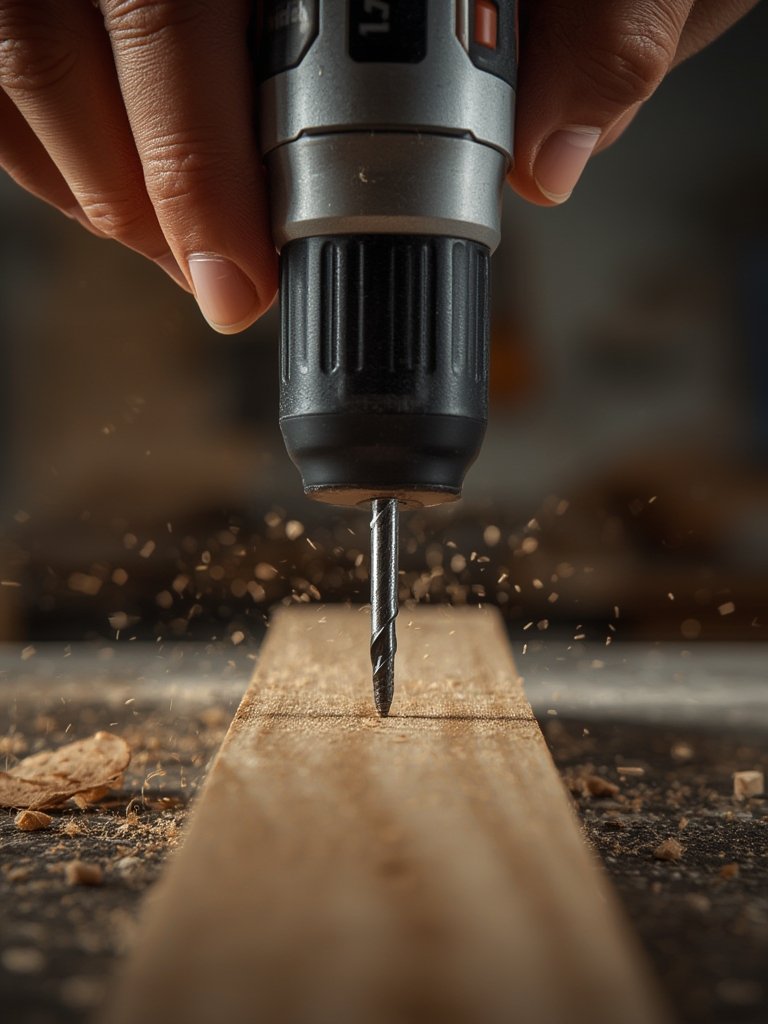
- Set up for common jobs. When it’s time to use your drill, start with a fully charged battery, a bit suited for the fastener and material (masonry, wood, or metal), and a clean workspace. Work methodically: drill pilot holes for hardwoods, and start screws at low speed to prevent walk-off.
- Switch to right-angle adapters for electrical work inside cabinets or behind appliances.
- Keep an extra battery charged and on hand for uninterrupted sessions.
- Inspect for overheating when running multiple holes in a row, especially with entry-level models.
Whether you’re installing privacy film hardware, assembling mixed metal peel stick tiles, or working on rental-friendly kitchen updates, a compact cordless drill shortens your project time without the cord clutter.
Advanced Analysis & Common Pitfalls
While compact cordless drills are better than ever, users still run into tangible frustrations. Here are the main issues, plus how 2024’s models stack up by cost and power.
- Battery life cuts projects short: Entry-level drills sometimes last only 15-25 minutes of heavy use before recharging, especially on older or cheap lithium packs.
- Insufficient torque: The smallest drills can struggle with long screws in hardwoods or metal fasteners above 1.5 inches, forcing repeated stops or even stalling.
- Durability for pros vs. DIYers: Budget models may wear out after a year of hard use, notably at the clutch, trigger, or battery connection points.
- Overheating and shutdowns: Pushing compact drills past their intended application (like continuous hole-driving in deck framing) can trigger thermal protection, requiring wait times to resume work.
| Price Tier | Typical Features | Battery Voltage | Avg. Torque | Who It’s For |
|---|---|---|---|---|
| Entry-Level | Basic clutch, 12V battery, minimal accessories | 12V | ~150-250 in-lbs | Occasional DIY, renters |
| Mid-Range | More clutch settings, improved grips, 12–18V | 12V or 18V | ~250-350 in-lbs | Frequent DIY, light trade use |
| Premium | Advanced ergonomics, brushless motors, app controls, longer battery life | 18V–20V+ | 350+ in-lbs | Pros, heavy-duty users |
Growth is strongest in entry and mid-range models, especially in developing regions. Still, buyers should weigh initial cost against expected lifespan and convenience. Investing in a compact model with cross-compatible batteries (for tools like antimicrobial peel stick tiles cutting tools, etc.) can pay off long-term.
Design in 2024 emphasizes slimmer grips and improved battery tech, with premium models now rivaling corded performance and stamina. While there’s no one-size-fits-all, new advances have closed the gap for power users needing cordless reliability in tight or overhead setups. For more details on current specs, see this market report.
Conclusion: Making the Most of Your Compact Cordless Drill
Compact cordless drills bring big productivity gains for both DIYers and professionals. With careful attention to battery life, ergonomics, and the right feature set, you can tackle a wide range of jobs—especially where bulky tools used to be the bottleneck. Whether you’re a homeowner, renter, or pro, weighing real-world needs against price ensures your compact cordless drill investment gets the job done for years to come.
Ready to upgrade your toolkit? Explore cross-compatible models and shareable batteries—and bring fresh speed and mobility to your next renovation, installation, or repair. For more tips and reviews on home project essentials, check out our guide to Peel Stick Backsplash upgrades, or discover the latest in ergonomic tools for 2026 home trends.
Frequently Asked Questions
What’s the difference between 12V and 18V compact cordless drills?
12V models offer lighter weight and are suitable for most home tasks like furniture assembly and light drilling. 18V models deliver higher torque for heavier projects but may be bulkier. Choose based on the jobs you do most often.
How long does a compact cordless drill battery last per charge?
Battery life varies by model and usage but typically ranges from 20 minutes with continuous heavy use up to 1–2 hours with light, intermittent tasks. Spare batteries are recommended for extended sessions.
Can compact cordless drills handle masonry or metal work?
Some higher-torque compact drills can handle small-diameter holes in masonry or metal work, especially when using the right bit type. For frequent, heavy-duty drilling, consider a specific hammer drill or corded model.
Are the batteries interchangeable between different brands?
Usually, batteries are only compatible within the same brand or tool family. Check battery system compatibility before buying multiple tools.