


AI powered smart home devices are quickly reshaping how we live, automate, and secure our homes in 2024. But what does it really take to adopt this technology, and where are the hidden challenges and opportunities?
Key Takeaways
- The global smart home market is rapidly growing, with AI driving innovation and Chinese brands gaining dominance in 2024.
- Major pain points include privacy issues, complicated setups, ecosystem fragmentation, and increasing costs for AI-equipped devices.
- Practical planning, careful brand selection, and awareness of security and compatibility are essential for successful smart home upgrades.
- Understanding AI Powered Smart Home Devices
- How to Successfully Set Up AI Powered Smart Home Devices
- Advanced Analysis: Market Trends, Pitfalls & Technical Realities
- Conclusion
- FAQ
Understanding AI Powered Smart Home Devices
AI powered smart home devices combine sensors, machine learning, and conversational intelligence to automate daily tasks, manage home energy, increase security, and create more responsive living spaces. These systems range from smart speakers to security cameras, robotic cleaning, thermostats, and full home automation hubs.
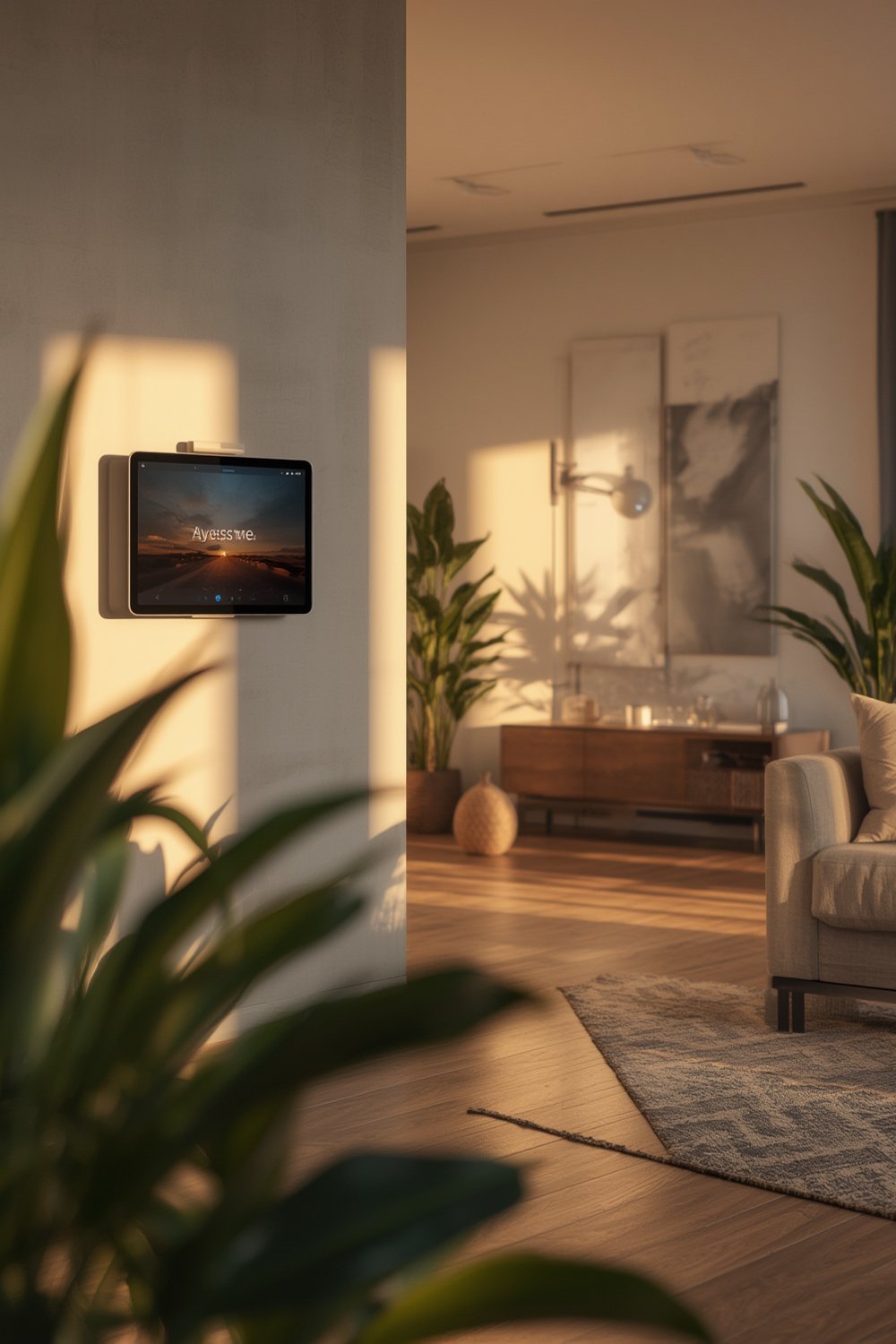
By integrating artificial intelligence (AI), these gadgets adapt to your habits—lighting up rooms as you enter, learning your energy usage patterns, and even automating cleaning. Notably, 2024 marks a shift, with over 400 million smart homes now globally and the market expected to surge to $231.6 billion by 2028 thanks to AI integration (source). China leads with over 90% household penetration, while in North America, familiar names like Amazon Alexa, Google Assistant, and Apple Siri dominate voice control adoption (source).
But intelligent smart home tech does more than voice commands. The 2024 landscape is shaped by real-time security monitoring, energy efficiency tweaks, and emerging competitors. For instance, Chinese brands such as Roborock, Eufy, Dreame, and Narwal have quietly surpassed many U.S. brands in robotic cleaning and appliance innovation (source).
To explore how other home improvements contribute to smarter, more stylish interiors, check out Peel Stick Backsplash for easy DIY home upgrades.
How to Successfully Set Up AI Powered Smart Home Devices
Setting up an AI powered smart home system can be smooth—or filled with avoidable headaches. Here’s a realistic, actionable step-by-step plan for 2024:
- Define Your Objectives: Identify what you want to automate (security, climate, lights, cleaning, voice controls).
- Select Your Ecosystem Carefully: Popular options include Amazon Alexa, Google Assistant, and Apple HomeKit. Ecosystem choice affects compatibility and privacy.
- Compare Brands—Look Beyond the Obvious: While Amazon, Google, Samsung, and Apple remain strong, consider Roborock for robotics or Eufy for home security. Chinese brands offer advanced features and may outperform well-known U.S. names.
- Audit Your WiFi & Infrastructure: Reliable connectivity is critical for responsive AI control and real-time monitoring.
- Shortlist Devices with Proven AI Features: Pick devices with natural language processing and learning algorithms—those that adapt to your household routines, not just follow static commands.
- Check Compatibility & Standards: Look for certifications with interoperability standards like Matter or Zigbee for flexibility. Review compatibility lists—third-party support is more robust with some platforms.
- Plan Installation and Setup: Decide which smart devices you’ll self-install and which may need professional help. Factor in typical costs—U.S. installation averages $1,173 (source).
- Implement Privacy & Security Best Practices: Activate device encryption, use unique passwords, and secure WiFi networks.
- Benchmark Your Results: See if your devices deliver on promised automation, efficiency, and convenience. Analyze where AI learning works well—and where it falls short.
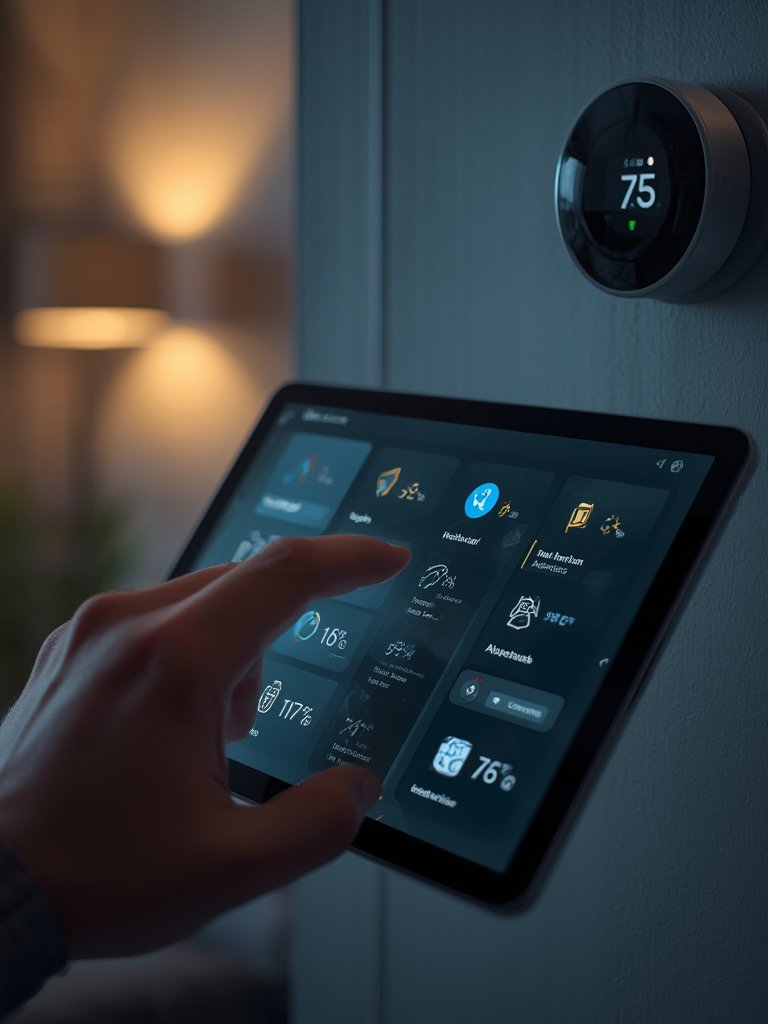
For renters or those wanting fast style upgrades, pairing your smart home with Mixed Metal Peel Stick Tiles or Peel Wallpaper lets you modernize your space and still take devices when you move.
Advanced Analysis: Market Trends, Pitfalls & Technical Realities
The 2024 reality for AI powered smart home devices is as complex as it is promising. Here’s a data-driven analysis and what users must watch out for.
Key Market Trends
- Explosive Growth and Global Adoption: 892.3 million units shipped in 2024, with especially strong presence in China and Asia-Pacific (source).
- AI Voice Assistants Dominate: Amazon Alexa, Google Assistant, and Apple Siri remain reference points for hands-free control, with an estimated 8.4 billion devices using voice AI worldwide in 2024 (source).
- Chinese Brands Surging: Companies like Roborock (robotics), Eufy, Dreame, and Narwal are major disruptors—often with better price-to-performance than legacy U.S. counterparts. Their market dominance is underreported in many top English-language articles.
- Simplified Hardware, Advanced AI: Smart speakers are seeing fewer screen/camera features as user demand shifts to more conversational and contextual AI.
Common Pitfalls & User Complaints
- Challenging Setup: Many users report device setup is not as seamless as advertised—especially when mixing brands or adding older equipment. IT expertise may be required.
- Privacy & Security Fears: Device microphones and cameras, especially on Amazon Echo and Google Home, cause concern about data collection, potential breaches, and “always listening” queries.
- Fragmented Ecosystems: Devices across different brands don’t always work together, leading to frustration and unexpected costs in third-party hubs or replacements.
- Ongoing Costs: Subscription fees for advanced AI features, security monitoring, or cloud storage are often required. U.S. homes average $365.60 in smart home spending yearly, while system installs cost over $1,100; traditional setups that lack AI may have lower upfront prices but less automation.
| Feature | AI-Powered Devices (2024) | Traditional Smart Devices |
|---|---|---|
| Voice Control & Automation | Conversational AI, learning capabilities, hands-free actions | Pre-set commands, limited learning |
| Setup Complexity | Higher, especially with mixed brands/older systems | Medium to low, more manual programming |
| Privacy Concerns | Persistent, especially with voice/camera features | Lower, unless using cloud-based functions |
| Interoperability | Broad, but not universal–depends on platform (Matter/Zigbee enhances choices) | Often limited—brand or model specific |
| Cost | Higher, especially with AI integrations and subscriptions | Usually lower upfront, fewer subscriptions |
Regional differences also matter. Asia-Pacific is forecasted to reach $95.8 billion by 2028, with South Korea leading voice AI growth (source). U.S. users struggle with privacy and setup frustration more than users in China or South Korea, where adoption hurdles are lower.
For other practical, low-mess upgrade ideas to pair with smart tech, browse antimicrobial peel stick tiles for kitchens and bath or LEGO Bamboo home décor for a modern touch.

Security is a leading adopter category in 2024, making window privacy a physical priority too—see options like Privacy Film for easy DIY security on doors and glass.
Conclusion
Intelligent living demands more than just plugging in new technology. While AI powered smart home devices propel us toward incredible convenience and efficiency, the journey involves real considerations: privacy, compatibility, and cost. Understand your needs, map out your infrastructure, and choose your platforms and brands with purpose.
Ready to make smart upgrades? Start by evaluating one area where AI can truly make a difference—and ensure you get the security and simplicity you expect.
FAQ
Are AI powered smart home devices secure?
Most major brands use strong encryption and security protocols, but all internet-connected devices face potential risks. Always update device firmware, use strong passwords, and secure your home network for maximum protection.
What are the biggest challenges with installing AI home gadgets?
Common issues include complicated setup, compatibility problems among different brands, and navigating privacy settings. Planning your smart ecosystem in advance and researching compatibility minimizes these headaches.
Do I need a subscription to use AI smart home features?
Basic automation and voice controls typically work without a subscription, but features like advanced security monitoring, cloud storage, or AI-driven routines may require ongoing fees. Always verify before you buy.
Can renters enjoy smart home benefits?
Absolutely. Devices such as smart speakers, plugs, lights, and even some cameras are easy to self-install and take when you move. Combining peel-and-stick upgrades can also help modernize a rental without permanent changes.
Which brands lead the AI powered smart home device market in 2024?
Chinese brands like Roborock, Eufy, Dreame, and Narwal are leaders in robotics and appliances. In the U.S., Amazon (Echo), Google (Nest), and Apple (HomeKit/Siri) remain top choices for voice and automation ecosystems.