

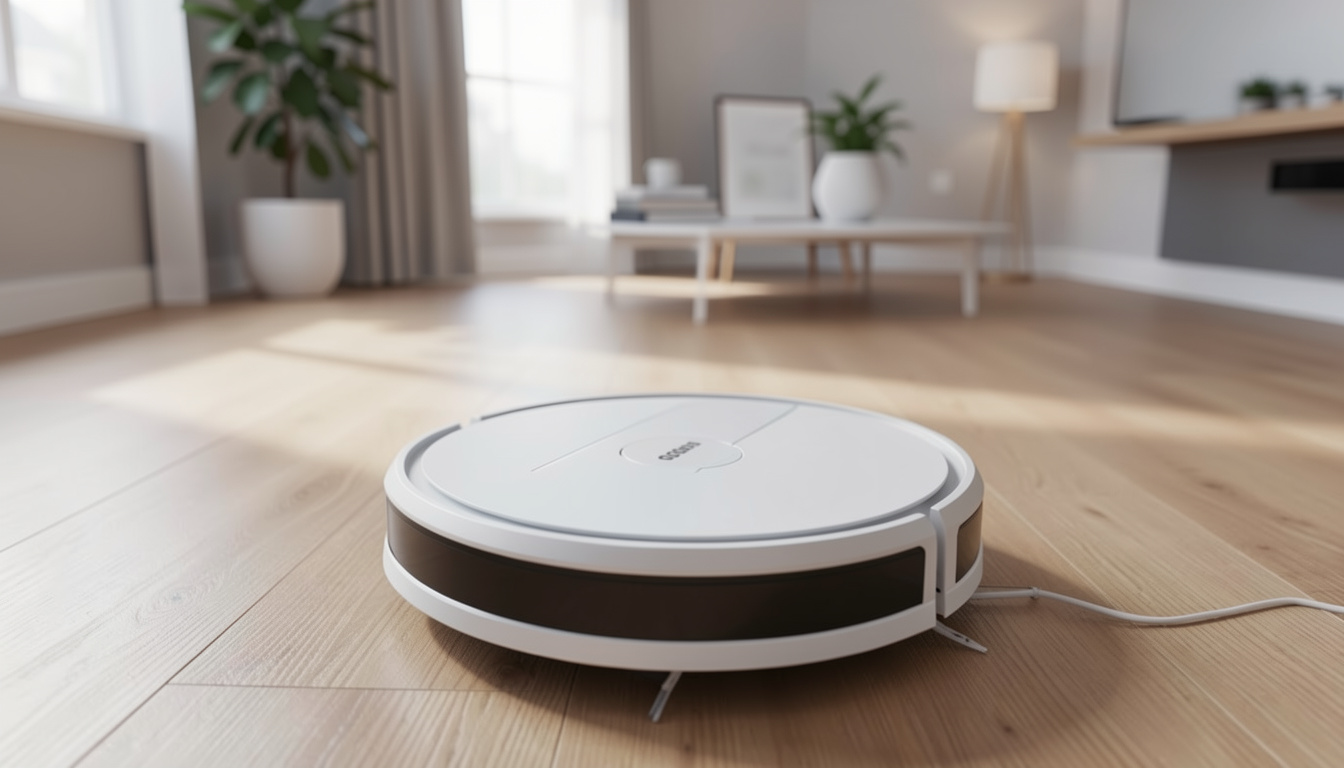
Ultra powerful suction robot vacuum technology is changing how people clean their homes, but there’s a lot more to these machines than just big numbers on a box. Suction ratings like “8000 Pa” grab attention, yet real-world performance, durability, and cost can be very different than what brand marketing might suggest. If you want to buy an ultra powerful suction robot vacuum (or get the most out of the one you have), understanding what really matters will save you time, money, and frustration.
Key Takeaways
- “8000 Pa” suction claims aren’t standardized—real cleaning results depend on more than suction alone.
- High-powered robot vacuums offer great daily maintenance but have clear drawbacks and recurring costs that most reviews gloss over.
- For deep cleaning thick carpet and heavy pet hair, strong uprights still outperform even the most advanced robots.
The Core Concept: What Is an Ultra Powerful Suction Robot Vacuum and Why Do People Want One?
An ultra powerful suction robot vacuum refers to a robotic vacuum cleaner with a manufacturer-claimed suction rating of 8000 Pa or higher, often paired with mopping, self-emptying docks, and advanced navigation. Homeowners look to these robots to save time, tackle pet hair, and reduce manual vacuuming—especially across mixed flooring and large spaces.
However, “8000 Pa” is just a marketing metric, not an industry standard. Recent TechRadar reviews point out there’s no unified test for Pa values, so brands report numbers in different ways. Independent tests consistently show that true cleaning power depends just as much on the brush, airflow, and robot design as on suction stats. For context, as of late-2024, premium robots claim anywhere from 6000 to 22000 Pa, but 8000 Pa remains a sweet spot for “ultra powerful” models balancing price and cleaning efficiency for most households. Robots in this range excel at surface debris on hard floors and low- or medium-pile carpet, with diminishing returns above this tier except on thick, deep carpets.
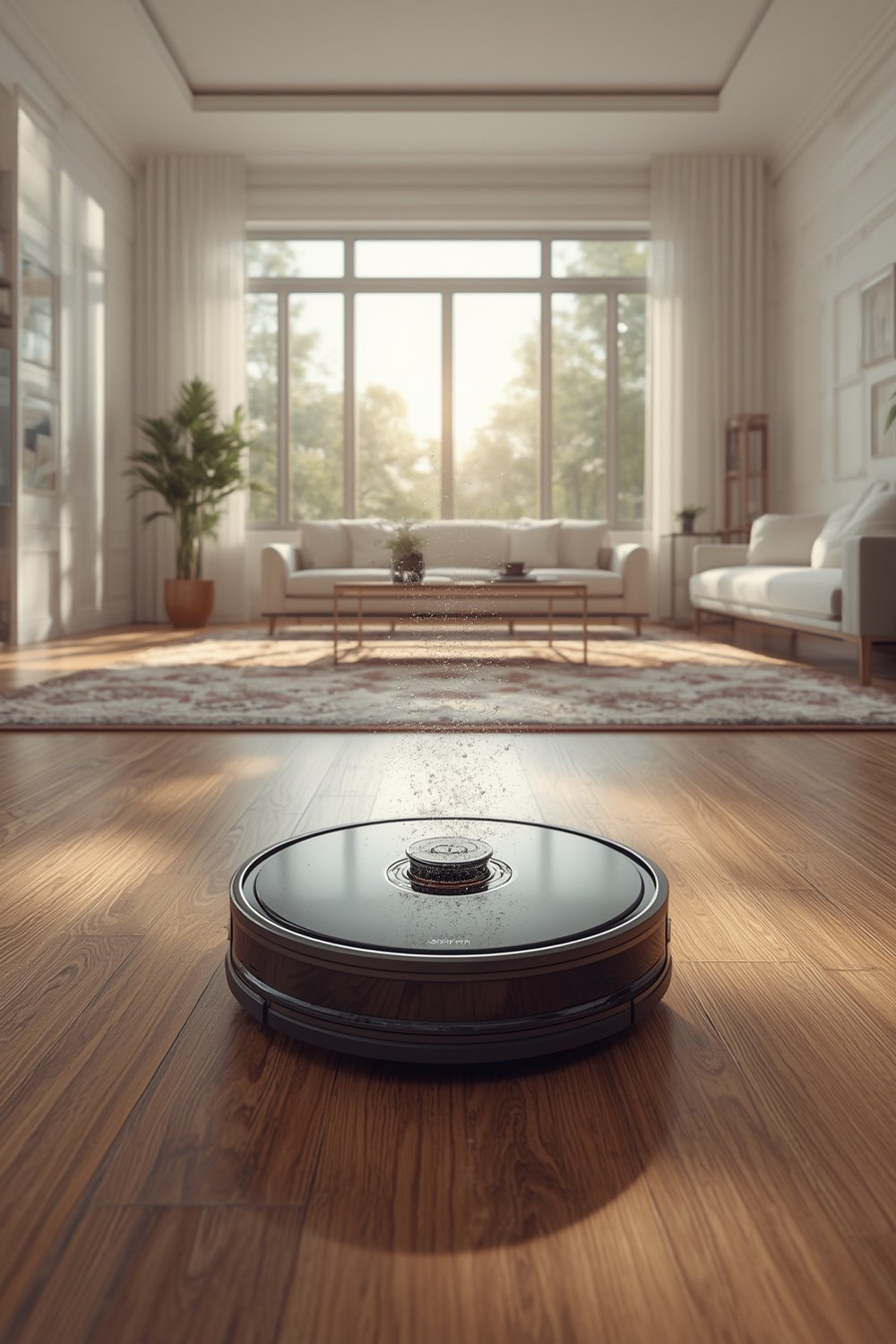
Step-by-Step Guide: Getting the Best Out of an Ultra Powerful Suction Robot Vacuum
- Set realistic expectations. An 8000 Pa robot vacuum will handle daily dirt and hair—especially on hard floors and low-pile carpet—but it won’t match a corded upright for deep cleaning thick rugs or removing embedded pet fur.
- Prioritize maintenance. High suction means more dust and hair captured, but also more frequent filter, brush, and roller cleaning. Keep spares handy, especially if you have pets or long hair in the household.
- Choose the right operating mode. Use max suction only for scheduled deep cleans or problem areas. For daily runs, standard or balanced mode strikes the best balance between performance, noise, and battery life.
- Set up mapping and virtual boundaries. Take time to teach the robot your floorplan via its app, set restricted areas, and define cleaning zones for high-traffic or pet areas.
- Give the dock and water systems regular TLC. If your robot has a self-emptying or washing dock, clean trays and tanks weekly and check for clogs or lint buildup to avoid leaks or odors.
- Track recurring costs and parts lifespan. HEPA filters, dust bags, mop pads, and water tanks add up. Plan for regular replacements—many users find that ownership costs can add $100-$250/year to the lifetime bill.
- Don’t skip manual deep cleans. Every 1-2 months, plan a thorough manual vacuum (especially in carpeted areas) to remove what robots miss.
Need more practical upgrades for your home? If you’re looking for a fast DIY touch, check out these Peel Stick Backsplash solutions, or upgrade privacy and energy savings with Privacy Film.
Advanced Analysis & Common Pitfalls: What the Specs and Reviews Rarely Tell You
Beneath the marketing, real-world issues often emerge for ultra powerful suction robot vacuums—many ignored in brand copy or shallow reviews. Here are the major pitfalls you should expect and plan for:
1. Suction Isn’t Standardized—or Everything
Pa ratings (Pascal) are helpful, but not directly comparable between brands. For example, a robot rated at 8000 Pa from one company may not outperform a “6000 Pa” competitor due to brush type, airflow design, and how tightly the suction path seals against the floor. Manufacturer ratings, highlighted in most product pages, are rarely tested side by side or converted to industry benchmarks like CFM (airflow) or kPa (kiloPascal). RTINGS testing and TechRadar both emphasize this gap.
2. Real User Complaints: Reliability, Noise, and Cost
- Self-emptying docks and complex stations can require repair within 12-18 months. Pumps, fans, or sensors in “Ultra/Omni/Combo” docks are weak points. Check warranty coverage and user forums for parts pricing before you buy.
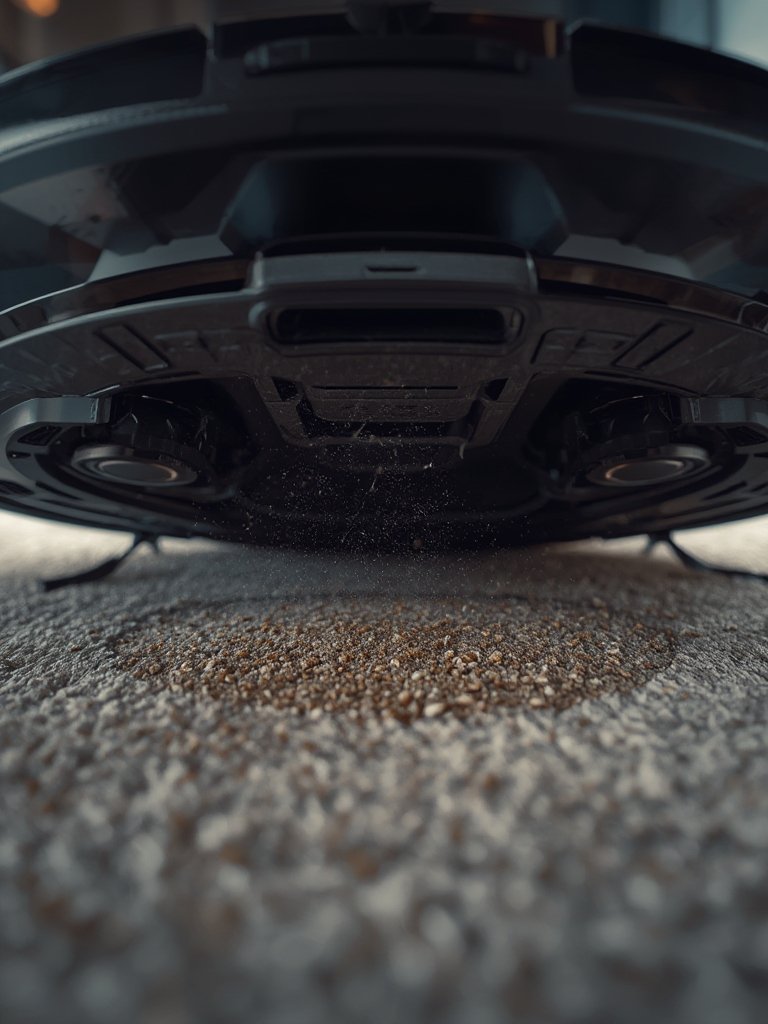
- Brush and roller wear out faster with max suction and thick carpets. Anti-tangle systems help, but hair still collects at the ends and needs manual clearing—especially in pet homes. Extended use on max suction shortens the service lifespan of small gears and bearings.
- High-suction robots are loud. While standard mode is tolerable, max mode and self-emptying cycles are intrusive—unsuitable for naptimes, work calls, or anxious pets. Expect more noise than classic models.
- Consumable parts add ongoing costs. Even with “self-cleaning,” you’ll be buying HEPA filters, bags, mop pads, and sometimes descaling solutions. Many users underestimate annual costs.
- Software sometimes frustrates. App controls remain buggy with mapping resets, slow fixes, and multi-floor management issues. Newer brands or recent models are most at risk.
3. Cleaning Efficiency Gaps—Robot vs Upright
| Model | Max Suction (claimed) |
Key Third-Party Findings | Battery (claimed) | Efficiency Notes |
|---|---|---|---|---|
| Roborock Q7 L5 | 8000 Pa | Very strong on hard floors and low/med carpet. Below upright for deep soil extraction. RTINGS tests | ~180 min eco | Needs more than one pass for truly deep cleaning. |
| Eufy X10 Pro Omni | 8000 Pa | Excellent daily results, solid mopping, still trails uprights on heavy debris. | ~180 min eco | Struggles with deep-pile rugs, especially sand/fine dust. |
| Eureka J20 | 8000 Pa | Top hard-floor scores. Carpet deep clean less impressive than flagship models. | ~150-180 min | Best for mixed-type floors, not plush carpets. |
| Yeedi C12 Pro Plus | 8000 Pa | Hair management improved, but still some tangling. Hard floors strong, thick carpet less so. | ~150-200 min | Manual cleaning still needed for pet-heavy homes. |
| Roborock S8 Max Ultra | 8000-10000 Pa | Among top all-rounders, still slightly trails corded models in carpet deep clean. | ~180-200 min eco | Best for complex layouts and hard/low-pile floors. |
Beyond just floor care, if you want smart upgrades throughout your home, check antimicrobial peel stick tiles for kitchen and bath or the LEGO Bamboo set for stylish low-maintenance décor.
4. Price vs Feature Set: Where Should You Buy In?
Cost plays a big role in satisfaction. “8000 Pa” models span from $400 to $1700+ depending on docks, mapping, and smart features. Premium all-in-one stations are convenient but multiply repair risks and recurring parts costs. For most homes, models in the $700–$1100 range offer the best feature-per-dollar mix.
5. Real Carpet and Pet Hair Differences
- Robots at 8000 Pa clean visible dust and pet hair on hard floors and short-pile carpet extremely well—but they leave some embedded sand and fur, especially in high-pile carpet.
- Upright vacuums still give the deepest clean in a single pass. If you have allergy concerns or heavy shedders, don’t retire the manual vacuum completely.
Looking to style the kids’ rooms while keeping things easy? Try these creative Princess Decals for a fast transformation.
Conclusion
Ultra powerful suction robot vacuums—especially models rated at “8000 Pa”—offer a genuine boost to daily cleaning convenience. But the truth is, suction numbers aren’t standardized, and real household performance comes down to internal design, brush quality, dock function, and ongoing maintenance. If you set your expectations, plan for annual parts costs, and keep your quality upright for occasional deep cleans, a robot vacuum can revolutionize your routine—just don’t expect miracles straight out of the box.
Want to make cleaning less of a chore? Explore the top-rated ultra powerful suction robot vacuum models, compare features and costs, and choose the one that fits your home and lifestyle best.
FAQ
Does an ultra powerful suction robot vacuum really replace manual vacuuming?
No. Even the best “8000 Pa” robot can’t match a quality upright or canister vacuum for deep cleaning thick carpets or removing embedded pet hair. Use robots for daily upkeep and quick runs, but plan a full manual vacuum twice a month for high-traffic or carpeted rooms.
Is higher suction (Pa) always better?
Not always. Above 8000–10000 Pa, returns diminish. Airflow, brush design, and how well the robot “seals” against floors matter just as much—sometimes more—than raw Pa numbers. Always check third-party reviews (see RTINGS) before buying.
What is the typical lifespan and cost of ownership for an “ultra powerful” robot vacuum?
With routine maintenance, most will last 3–5 years. Expect to spend an extra $100–$250/year on HEPA filters, dust bags, mop pads, and the occasional dock or brush replacement. More complex stations can add repair costs.
How loud are these robots compared to older models?
High-suction robots (6000–10000 Pa) are noticeably louder—especially in max mode or during self-emptying cycles. If quiet operation is vital (kids, pets, home offices), stick with balanced settings and schedule runs while you’re out.
Are “anti-tangle” brush systems really tangle free?
Improved, yes—but not magic. Even the best innovations can’t fully prevent long hair or pet fur from winding around bearings or rollers, especially in homes with long-haired pets or people. Expect some manual detangling every week or two.