

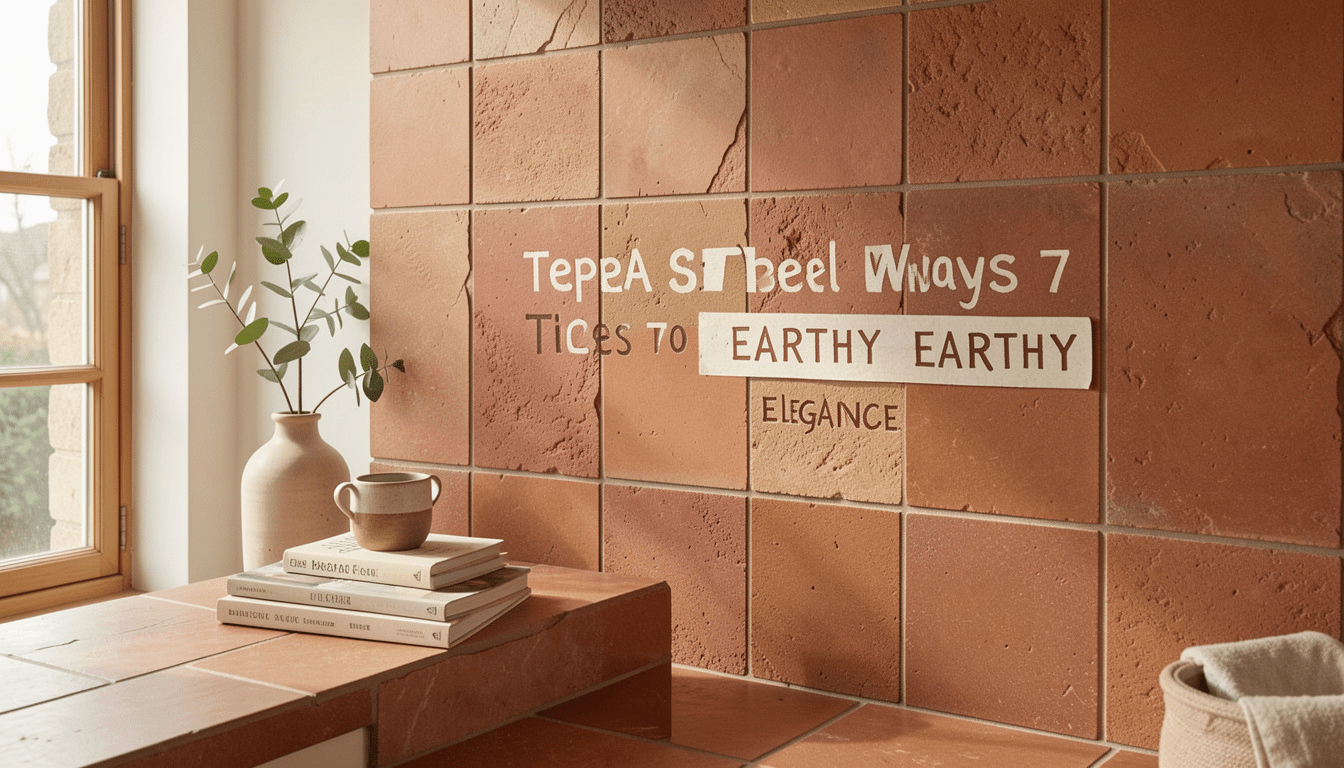
terracotta peel stick tiles are redefining home renovation, giving homeowners and renters an affordable and fast way to achieve earthy elegance. If you’re seeking a 2025 trend that’s practical, renter-friendly, and loaded with warm character, these DIY tiles deserve a closer look.
Key Takeaways
- Terracotta peel stick tiles are leading the 2025 trend for earthy, calming, and eco-friendly home upgrades, especially in kitchens and laundry rooms.
- They offer an accessible DIY solution, but buyers should be aware of potential challenges with adhesion and longevity in moisture-prone spaces.
- Careful prep and surface selection are essential for lasting, regret-free results with peel and stick tile installations.
- What Are Terracotta Peel Stick Tiles? Why Are They Trending?
- How to Install Terracotta Peel Stick Tiles (Step-by-Step)
- Advanced Analysis & Common Pitfalls
- Conclusion
- FAQ
What Are Terracotta Peel Stick Tiles? Why Are They Trending?
Terracotta peel stick tiles are self-adhesive tiles designed to mimic the warmth and natural appeal of traditional terracotta, but with a lightweight surface and removable installation. Unlike heavy clay tiles, these stick-on options use peel-off backing and modern low-VOC adhesives for a mess-free, quick upgrade. They’re especially popular with renters and homeowners wanting to revive kitchens, laundry spaces, and accent walls without hiring a contractor.
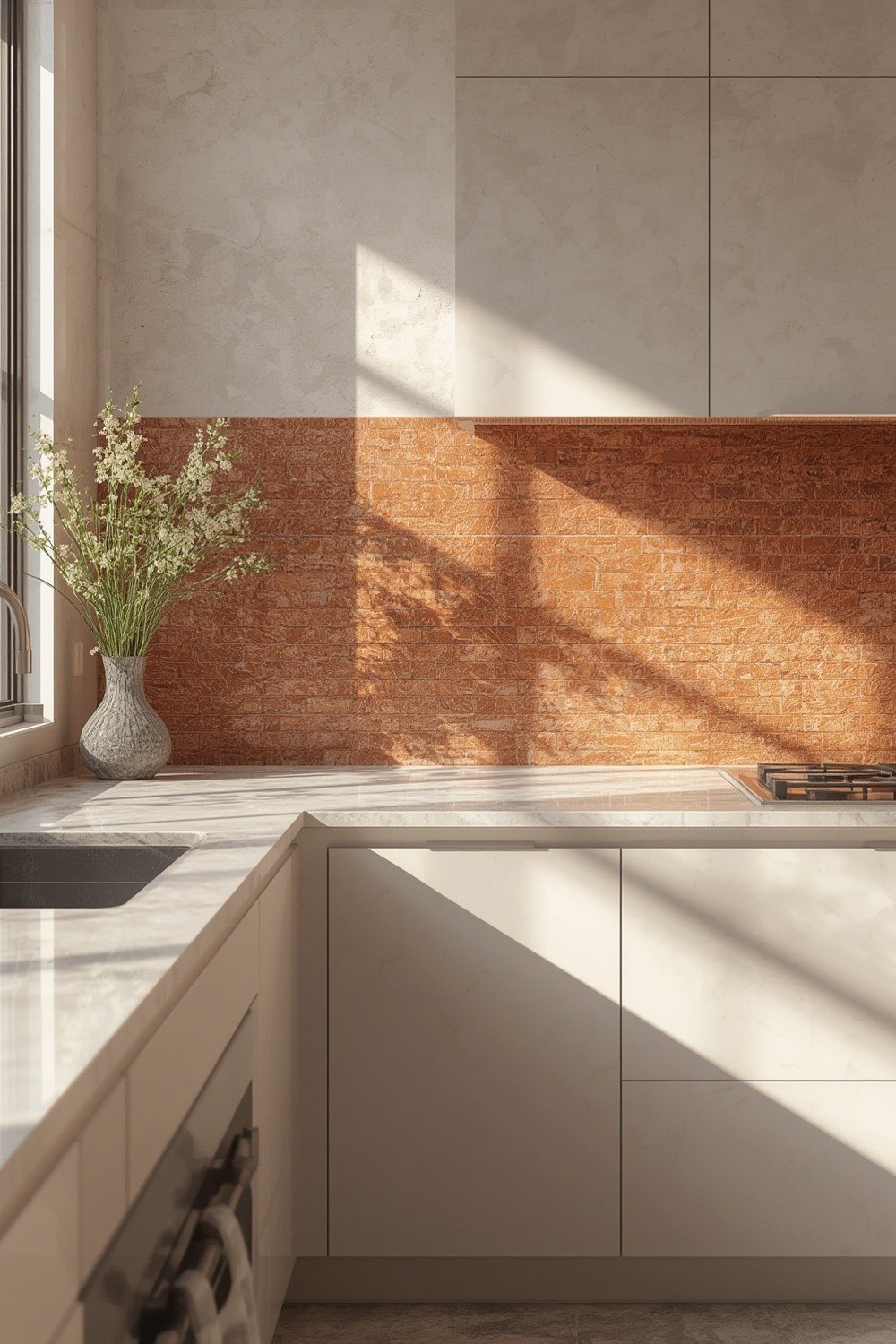
Muted, earthy colors—especially soft terracotta—headline 2025 tile trends due to their calming, grounding vibe and connection to sustainable design. Consumers increasingly want natural inspiration in their homes, but also flexible options that won’t break the bank or break the lease. Peel stick tiles answer this need, offering variety in patterns and matte finishes, and new eco-friendly adhesives signal a shift toward healthier interiors.
Traditional terracotta is semi-porous and requires sealing. By contrast, peel stick tiles offer a maintenance-light solution for kitchens or laundry rooms. While exact sales stats are sparse, the clear message is that terracotta peel stick tiles are on the rise for warm, affordable, and achievable home makeovers.
How to Install Terracotta Peel Stick Tiles (Step-by-Step)
Installing terracotta peel stick tiles is refreshingly straightforward, provided you follow some simple groundwork. Here’s how to get pro-quality results in your DIY project:
- Choose your location and style. Decide if your surface is a backsplash, accent wall, or floor. Measure accurately and select a tile pattern that complements your space. Earthy tones like terracotta, sage, and greige all have strong 2025 staying power (see more trends here).
- Prep the surface. Tiles stick best to clean, dry, flat walls. Remove dirt, grease, and loose paint. If applying over old tile or drywall, wipe down and sand lightly if needed for adhesion.
- Dry-fit tiles before peeling. Lay out your pattern on the surface first. This avoids cutting surprises and helps you visualize the design—especially critical with geometric or offset terracotta patterns.
- Peel and apply. Remove the backing and press each tile firmly onto the surface, starting at a corner and working methodically. Use a roller or flat squeegee to ensure full contact and prevent air pockets.
- Trim as needed. Use a sharp utility knife to cut around outlets or at edges. Measure twice before cutting to avoid waste.
- Seal the deal. Some brands benefit from gentle pressure over all seams and edges. While most are water-resistant, avoid exposing seams directly to running water unless the manufacturer specifically rates them as waterproof. For more on waterproof options—including genuine tile comparisons—check out our in-depth review of waterproof backsplash tiles.
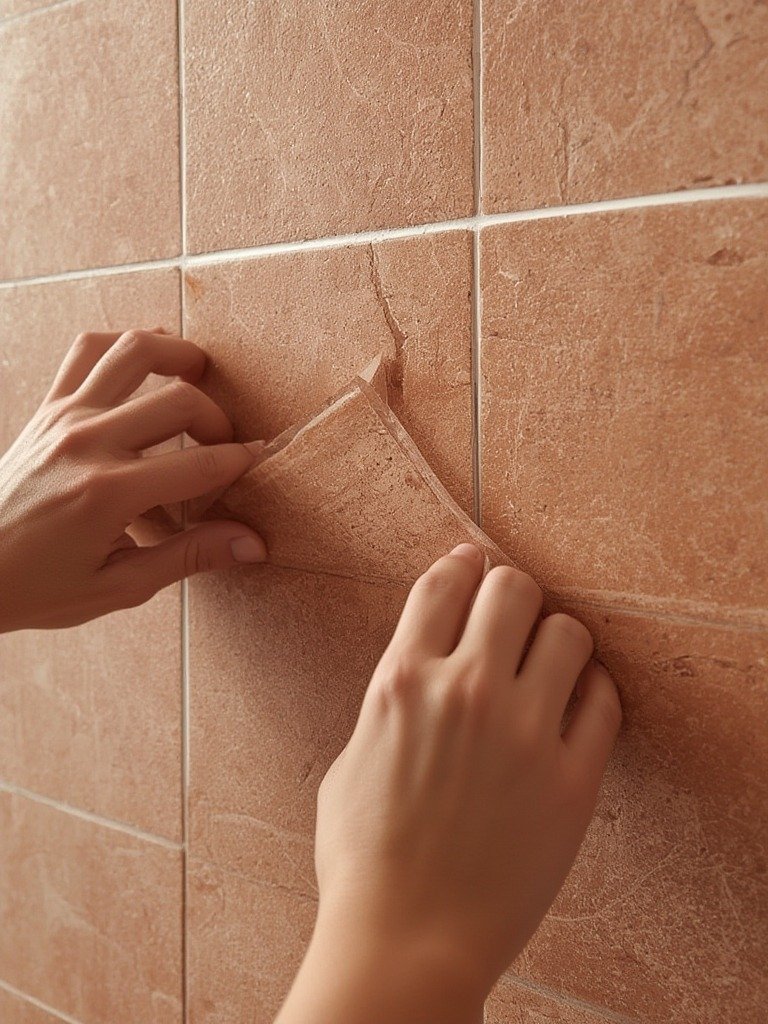
If you’re looking for more advanced tips and step-by-step walkthroughs, including for floors, check our hands-on guide: Peel Tiles: 10 Ultimate Steps For Amazing Floors In 2026.
Advanced Analysis & Common Pitfalls
Despite the clear benefits, there are important limitations and pitfalls to weigh before choosing terracotta peel stick tiles over traditional materials. Let’s break them down:
| Feature | Terracotta Peel Stick Tiles | Traditional Terracotta/Cotto Tiles |
|---|---|---|
| Installation | DIY, peel and press, minimal tools | Requires mortar, grout, sealing, pro recommended for large jobs |
| Durability | Moderate; vulnerable to heavy impacts, long-term heat, and moisture | High when sealed; lasts decades, stain and wear-resistant |
| Surface Requirements | Flat, smooth, primed recommended; adhesion issues on textured/uneven surfaces | Can install over varied surfaces with proper prep |
| Moisture Resistance | Typically splash-resistant only; not suitable for wet floors or showers | Excellent with proper sealing |
| VOC/Health | Low VOC options widely available | Natural clay, sealing products may emit VOCs |
| Cost per Sq.Ft | Generally low, but exact comparisons for 2025 unavailable (see analysis) | Moderate to high, balanced by longevity (learn more) |
- Surface prep is non-negotiable. Peel stick tiles hate dusty or textured surfaces. Poor prep leads to early failure and curling at the edges. They aren’t recommended for floors with heavy foot traffic or direct water exposure like showers.
- Long-term adhesion can vary. While most brands promise “removable” with no residue for renters, humid kitchens or steamy laundry rooms may challenge adhesion over several years if installed on improper surfaces.
- No hard data on color fade or user regret. Unlike traditional terracotta (which develops a characterful patina), there’s limited info on long-term color change for peel stick tiles. Most appear stable in indirect sunlight and with proper cleaning, but thorough reviews are lacking (source).
- Lack of direct price transparency. While all peel stick options promote affordability, direct per-square-foot comparisons between terracotta and trending shades like greige or sage green aren’t widely published. If you’re budgeting for a precise area or weighing flooring alternatives, compare them using our LVP flooring trends guide for context.
If you want to approach these trends with maximum flexibility, try combining terracotta peel stick tiles with mixed neutral colors or natural woods for a layered, on-trend look that’s ready for future updates. For ideas on whole-room upgrades, explore our advice on enclosed porch conversions.
Conclusion
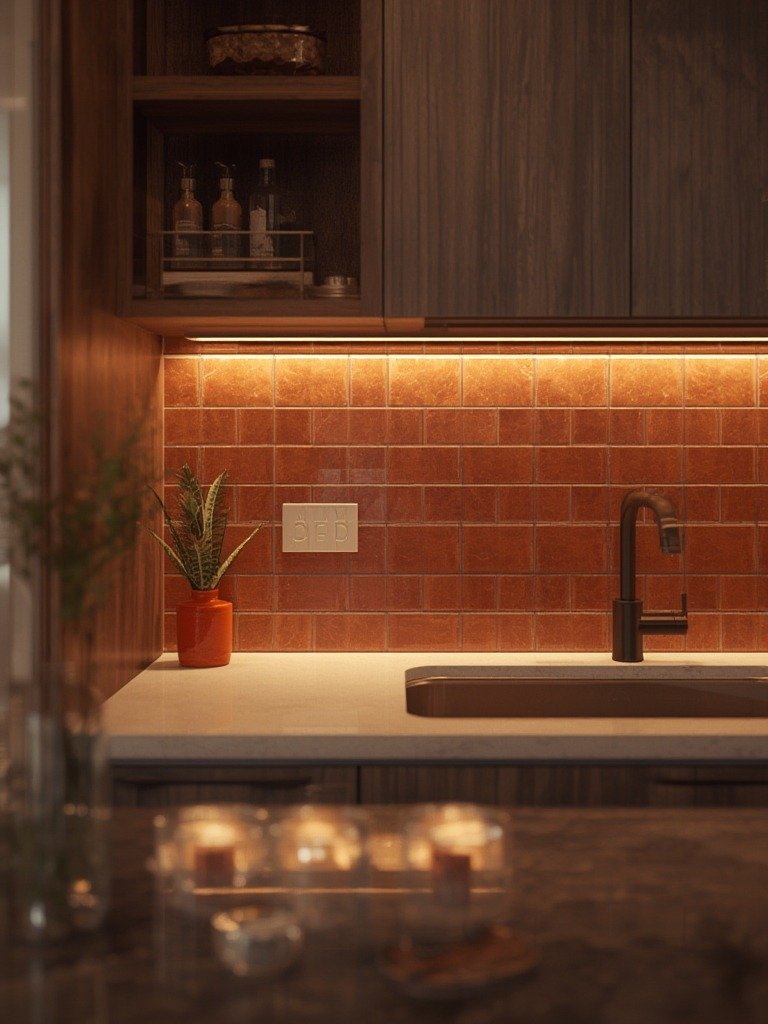
Terracotta peel stick tiles are a simple, contemporary way to bring earthy energy and warm sophistication to any home. While perfect for fast transformations, they demand careful attention to surface prep and realistic assessment of long-term durability. As DIY upgrades rise for 2025, the timeless style and practical value of terracotta peel stick tiles make them a smart option for confident self-installers—just start with the right expectations.
Ready to refresh your space? Compare patterns, prep well, and transform your kitchen or laundry room this season. For more inspiration or hands-on reviews of trending products, browse our ultimate guides to peel tiles and cork liners today.
FAQ
Can terracotta peel stick tiles be used in bathrooms and kitchens?
Yes, terracotta peel stick tiles are widely used for kitchen backsplashes and laundry room accent walls. Avoid locations exposed to direct water spray or heavy humidity for best results.
How long do terracotta peel stick tiles last before needing replacement?
When installed on prepared, clean surfaces, most peel stick tiles last several years. In areas with frequent moisture or poor prep, they may begin peeling or losing adhesion after 1-2 years.
Are terracotta peel stick tiles removable without damaging walls?
Most brands are designed to be removable, especially those with low VOC adhesives. Removal can still risk minor wall paint damage, especially if tiles have been in place for several years or surfaces weren’t fully primed.
What surfaces are best for installing terracotta peel stick tiles?
Install only on smooth, flat, non-porous surfaces like primed drywall, sealed tile, or painted wallboard. Avoid textured, dusty, or uneven surfaces to maximize adhesion.
What are current alternatives to terracotta if I want a similar vibe?
Sage green, greige, and mushroom beige are top alternatives for earthy 2025 tile trends. For a broader review of performance and aesthetics, check out our guide to waterproof backsplash tiles.