

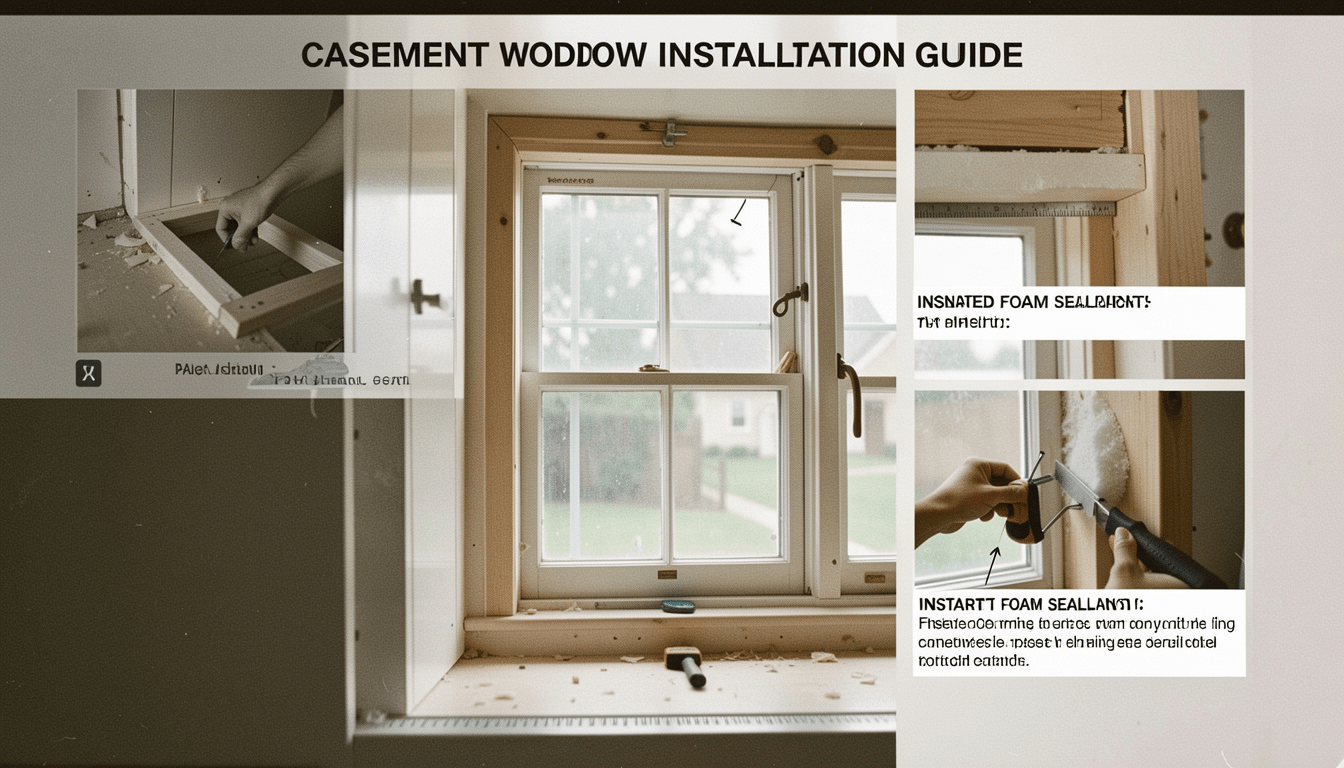
LVP flooring trends are shaking up the flooring industry in 2024, with homeowners and commercial designers alike drawn to new technology and stunning wood-look options that challenge traditional materials without the premium price. What should you know if you want floors that look sharp, stay clean, and perform in busy, real-life spaces?
Key Takeaways
- The LVP flooring market is growing fast, with new rigid core and embossed finishes transforming the look and feel of modern spaces.
- LVP offers remarkable value, with premium styles costing less than a third of hardwood and outperforming most other options for water and scratch resistance.
- Commercial spaces are adopting LVP at an accelerating rate, but the technology appeals to residential owners seeking easy installation and realistic wood textures.
- What Are LVP Flooring Trends and Why Do They Matter?
- How to Choose and Install Trendy LVP Flooring: Step-by-Step
- Advanced Analysis & Common Pitfalls in LVP Installation
- Conclusion: Should You Choose LVP Flooring?
- FAQ: LVP Flooring Trends in 2024
What Are LVP Flooring Trends and Why Do They Matter?
LVP, or luxury vinyl plank flooring, is engineered to mimic hardwood visually and by touch, all while delivering waterproof performance and easy installation. In 2024, LVP flooring trends are shaped by innovations like rigid-core construction for added stability, click-lock systems for DIY installs, and ultra-realistic printing that rivals real wood or stone.
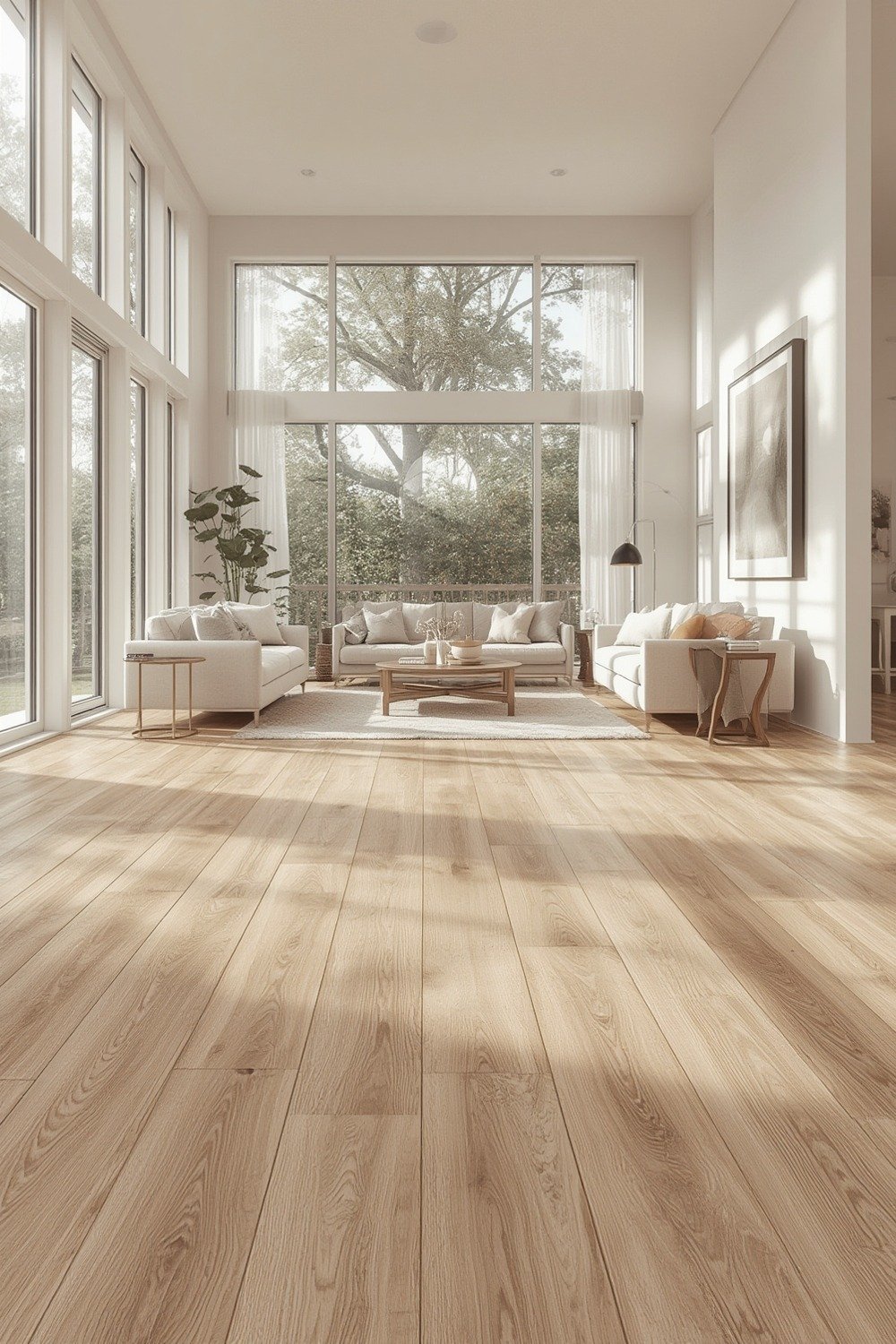
According to Grand View Research, the vinyl flooring market, which includes LVP, is valued between $25.37 billion and $54.58 billion in 2024 and expected to grow steadily through the next decade. Rigid core and wide plank LVP are earning headlines for both eye-catching design and highly practical use in kitchens, living areas, and even commercial settings like schools or clinics.
Why the surge? Advances in manufacturing (such as high-resolution printing and embossing in register) are closing the gap between vinyl and authentic wood or stone—both in appearance and in function. Meanwhile, brands are responding to consumer demand for healthy, eco-friendly options by introducing recyclable materials and improved indoor air quality standards. For those comparing LVP vs peel and stick alternatives, the style, performance, and durability improvements in 2024 set LVP apart.
Ultimately, these trends mean greater choice for buyers who want floors that withstand heavy traffic, moisture, and pets—without breaking the bank.
How to Choose and Install Trendy LVP Flooring: Step-by-Step
Choosing the right LVP flooring in 2024 means more than picking a color. It pays to focus on the latest features that influence durability, appearance, and maintenance. Here is a practical, step-by-step approach:
- Measure Your Space Accurately: Calculate total square footage, and add 10 to 15 percent for trimming and pattern matching.
- Pick Your Core Technology: Choose between flexible planks or rigid core LVP (SPC or WPC) for the best performance in high-traffic or moisture-prone areas. Rigid core outperforms in most commercial and busy home zones.
- Look for Realism: Prioritize printed and embossed surface technologies with “embossed in register” features. These align wood grain textures with the visual design, producing the most authentic look and feel.
- Choose the Plank Size: Wide planks create a modern, seamless look, popular in open-plan spaces. Standard widths will suit traditional rooms or small areas.
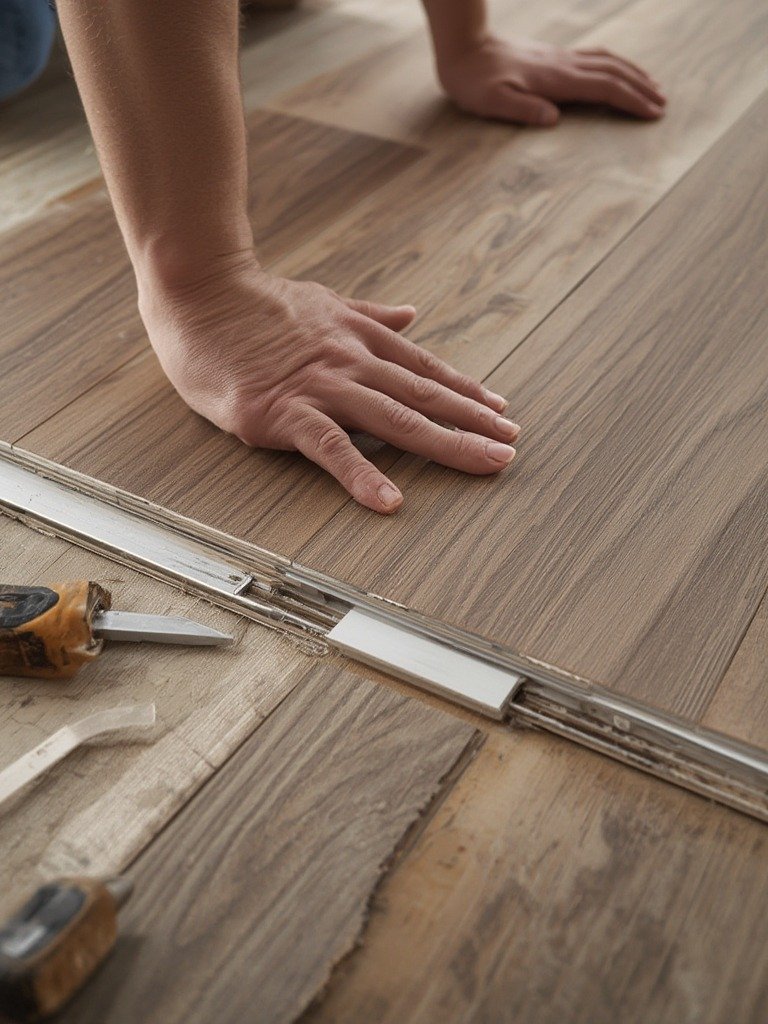
- Opt for a Click-Lock System: Most 2024 models feature DIY-friendly click-locks, making installation doable for skilled homeowners and saving money on labor.
- Compare Warranty and Eco Credentials: See if the manufacturer offers a robust warranty, and check for green certifications or low-VOC materials.
- Prepare Your Subfloor: Clean, dry, and level is non-negotiable for preventing peaking or buckling.
- Install the LVP: Follow manufacturer instructions tightly, staggering each row for optimal strength and visual flow.
- Maintain Regularly: Sweep frequently and mop with a pH-neutral cleaner. Protect from deep scratches by using felt pads under furniture.
If you need more inspiration for blending flooring with backsplash styles, check our tips on matching your kitchen backsplash and cabinets for a seamless interior vibe.
Also, if your project includes stairs or transitions, refer to our stair riser installation guide for finishing details that make your new floor pop.
Advanced Analysis & Common Pitfalls in LVP Installation
While LVP flooring trends offer unmatched versatility and modern looks, several pitfalls trip up even savvy buyers. Knowing these risks lets you avoid costly mistakes:
- Subfloor Preparation Errors: Poorly cleaned or uneven subfloors cause peaking, gaps, or noisy movement. Always address subfloor issues first.
- Improper Acclimation: Skipping the acclimation phase can make planks expand or contract after installation, leaving gaps or causing buckling.
- Choosing the Wrong Product for the Use Case: Not all LVP is designed for heavy commercial use. Double check specifications for wear layer thickness and commercial ratings.
- Installation Oversights: Failing to leave the right expansion gap along walls or installing over damp concrete can lead to premature floor failure.
- Surface Scratching: Even the toughest LVP isn’t immune to deep gouges from heavy furniture, rough grit, or pet claws. Protective pads are a must.
The cost-benefit edge for LVP is strong but not absolute. Here’s a direct comparison referencing national averages:
| Flooring Type | Material Cost (per ft2) | Installation Cost (avg) | Durability | Maintenance |
|---|---|---|---|---|
| LVP (Luxury Vinyl Plank) | $2–$8 | Low to moderate (DIY friendly) | High (water/scratch resistant) | Easy |
| Traditional Hardwood | $12–$20 | High (professional install) | Varies (vulnerable to moisture/scratching) | Maintenance intensive |
| Laminate | $1–$5 | Moderate | Moderate (can swell with moisture) | Easy with caveats |
Although LVP stands out for its value, it’s not entirely free from potential drawbacks. No large-scale consumer durability or scratch-resistance tests for 2024 models have been published, so real-world longevity relies on proper care and matching the product to its expected workload. Still, modern click-lock and rigid-core lines from leading brands are closing that reliability gap fast. It’s wise to read up on how to fix peel-and-stick installation errors, as these tips often apply to LVP as well.
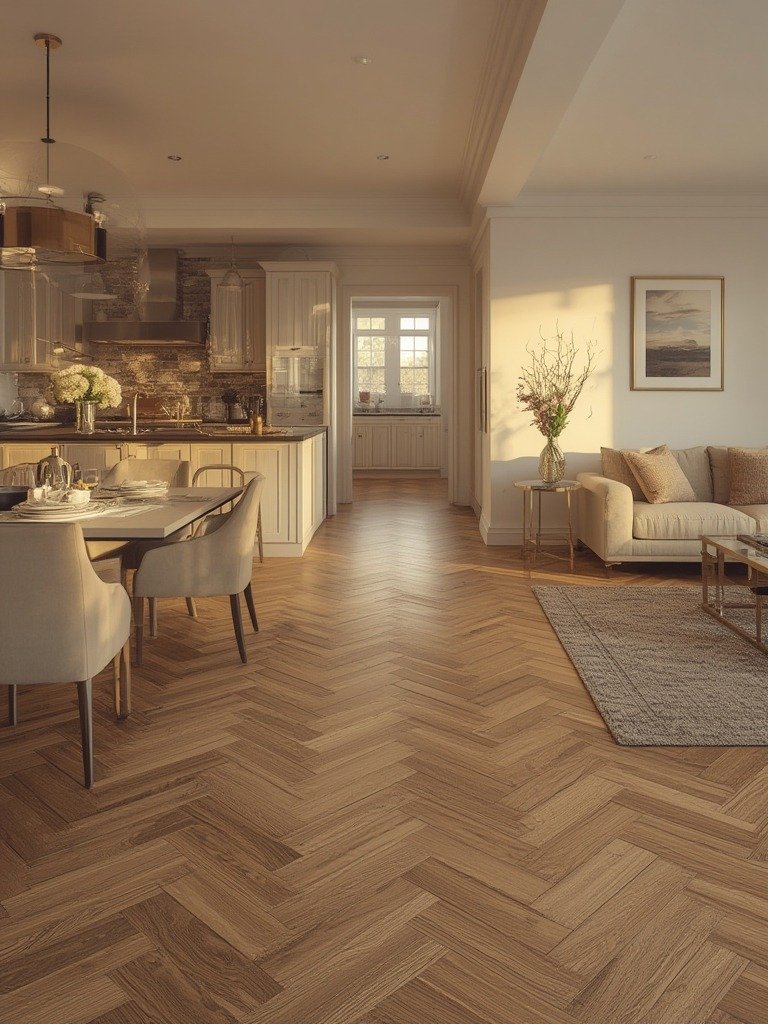
Advances in printing and embossing push realism even further. The latest wood grain textures align visually and physically, making it hard to tell at a glance whether you’re walking on vinyl or hundred-year-old oak. This leap in realism shapes buyer satisfaction more than any other feature, as noted in industry research from Spherical Insights.
Conclusion: Should You Choose LVP Flooring?
The leading LVP flooring trends in 2024 make it clear why so many homeowners and commercial designers are making the switch. With rapid advances in core stability, surface realism, and eco credentials, LVP delivers designer looks and robust performance at a fraction of the price of hardwood or stone. While pitfalls like poor preparation or product mismatch exist, most can be avoided with careful planning and attention to detail.
If you want floors that look stunning, handle messes, and are easy to live with, it’s time to consider LVP for your next project. Explore our kitchen LVP and backsplash inspiration or compare with other options at our in-depth reviews. Ready to renovate? Find your style and get started today.
FAQ: LVP Flooring Trends in 2024
How does LVP flooring compare to hardwood in terms of cost and appearance?
LVP typically costs $2 to $8 per square foot versus $12 to $20 for hardwood. With 2024’s advanced embossing, many LVP planks look and feel almost identical to real wood, but with added durability and easy maintenance.
Can I install LVP over existing floors?
Yes, most LVP can be installed over flat, stable surfaces including tile or old vinyl, provided the subfloor is clean, level, and dry. Floating click-lock systems make installation straightforward for DIYers.
What’s the biggest mistake homeowners make with LVP?
Not preparing the subfloor or skipping the acclimation step. Both lead to gaps, peaking, or buckling. Follow manufacturer guidelines closely for best results.
Will pets or kids scratch or damage the floor?
Modern LVP is highly scratch-resistant but not indestructible. Heavy furniture, sharp objects, or large pet claws can leave marks. Always use felt pads and sweep away grit regularly.
Is LVP eco-friendly?
Leading manufacturers offer LVP with recycled content, low-VOC certifications, and fully recyclable planks. Always check product labels for green credentials.