

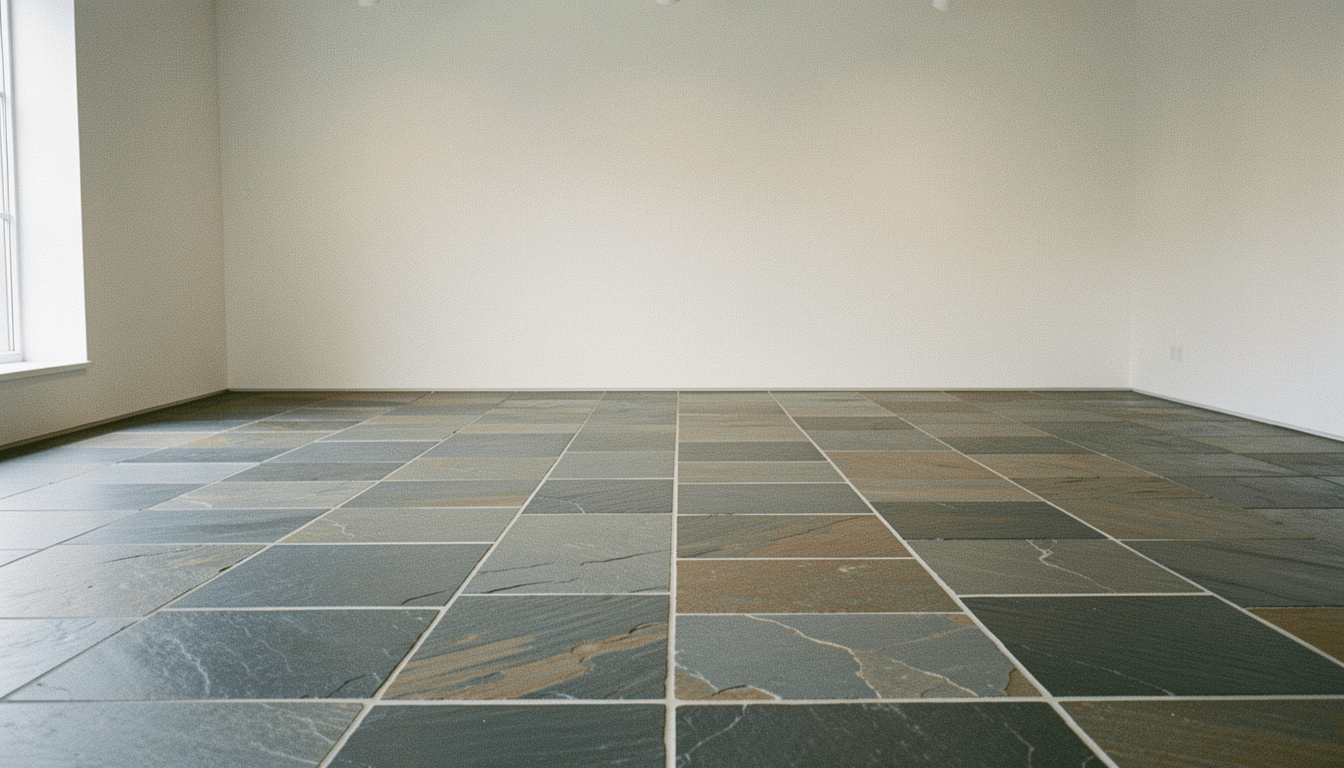
Stone grain peel stick floor is one of the fastest ways to give any room a natural stone look without the mess, expense, or skill needed for real tile or stone. This approach has shot up in popularity thanks to its DIY simplicity, realistic patterns, and low upfront cost—making it a favorite for both home and rental makeovers.
Key Takeaways
- Stone grain peel stick floor tiles capture natural stone aesthetics with easier installation and lower maintenance.
- Performance over time depends heavily on surface prep and traffic levels—expect shorter lifespan than traditional stone or ceramic.
- Critical gaps remain in user-reported durability and pattern authenticity; manage expectations and research specific products before committing.
- What Is Stone Grain Peel Stick Floor and Why Use It?
- Step-by-Step Guide: Installing Stone Grain Peel Stick Floor
- Advanced Analysis & Common Pitfalls
- Conclusion
- Frequently Asked Questions
What Is Stone Grain Peel Stick Floor and Why Use It?
Stone grain peel stick floor tiles are vinyl or composite tiles printed and textured to mimic real stone surfaces—like marble, slate, or travertine. They feature a pressure-sensitive adhesive backing, allowing users to simply peel and stick each tile to a clean, dry subfloor or existing surface. Unlike rigid LVT, they don’t require glue, nails, or float systems. The big attractions: speed, cost, and flexibility for DIYers, renters, or anyone wanting a rapid style change.
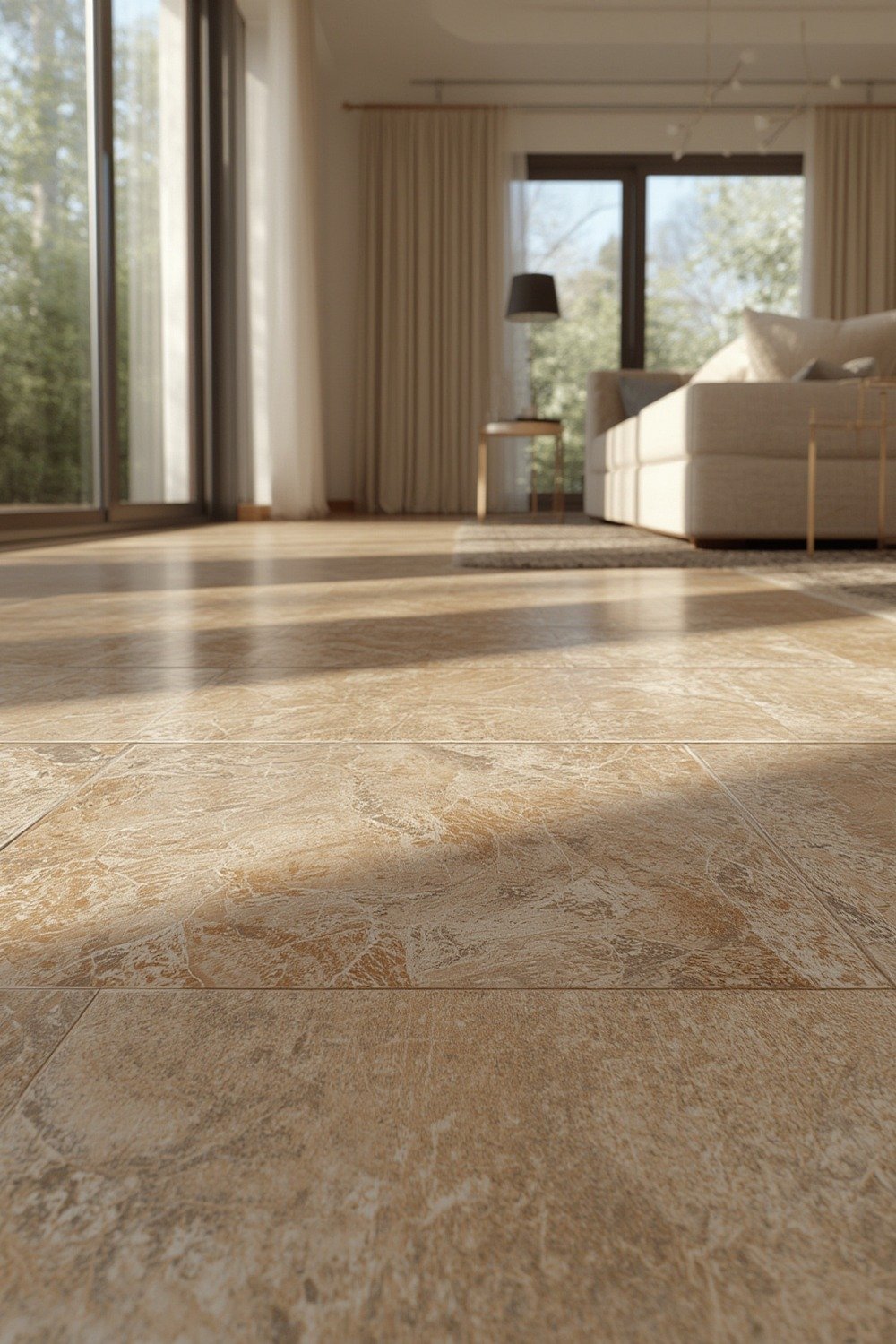
Industry reports show the peel and stick floor tile market hit $13.75 billion in 2024 and is growing rapidly—especially as natural textures like stone become more popular for slip resistance and style. In North America, these tiles are driven by DIY trends and design flexibility (source).
However, you won’t always find the same performance as real stone or even rigid LVT. Peel stick floors trade long-term durability for ease of install and lower up-front investment. If you need something waterproof for kitchens and baths, or just want a fast update before selling, they’re ideal. For high-traffic, permanent installs, they’re more a “quick win” than a forever solution.
Related: See how peel tiles compare for kitchens in our review of waterproof backsplash tiles.
Step-by-Step Guide: Installing Stone Grain Peel Stick Floor
Ready to jump in? Here’s a practical process for getting professional-looking results on your first try.
- Prep the surface: Sweep, vacuum, and mop thoroughly. The floor should be clean, smooth, and dry—bumps or dust will ruin adhesion.
- Acclimate tiles: Let the boxes of stone grain peel stick floor tiles sit in the room for 24-48 hours. This helps them adjust to temperature and humidity, preventing warping.
- Plan your layout: Find your room center and lay out the first few rows “dry” before peeling the backing. Create a balanced look by starting in the middle and working outward.
- Peel and position: Remove the protective paper then carefully place each tile, pressing from center outward to eliminate bubbles.
- Roll for bond: Use a floor roller for the best adhesion—don’t skip this step, especially for larger tiles!
- Trim edges: Score and snap tiles with a utility knife for clean cuts around walls, cabinets, or fixtures.
- Seal seams (optional): For wet-prone areas, use a clear seam sealer or fine bead of waterproof caulk between tiles.
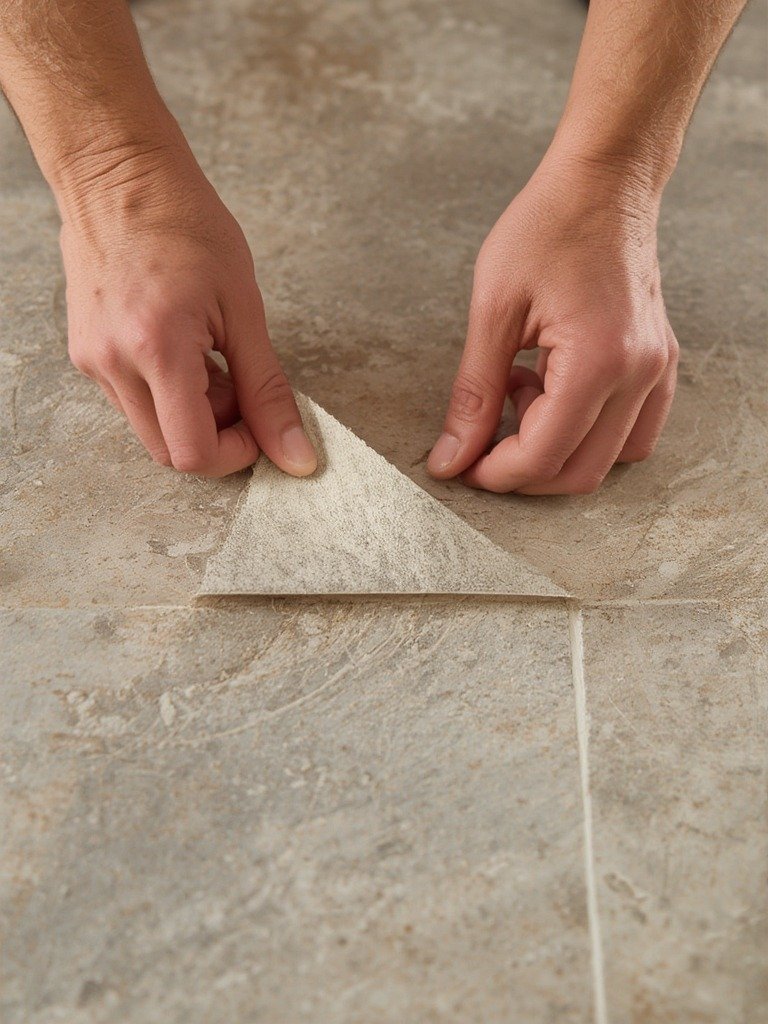
Looking for more visual inspiration? Check out our installation stories in this peel tiles ultimate steps guide.
Advanced Analysis & Common Pitfalls
While peel and stick tiles are booming in the market, there are common issues most shoppers overlook until it’s too late:
- Surface Prep Determines Lifespan: Poorly prepped floors (dust, grease, cracks) lead to weak adhesion and peeling at the corners—especially in humid or high-traffic rooms.
- Wear From Traffic: Thin wear layers and soft vinyl mean tiles may scuff or fade fast in entryways or kitchens. They’re best for lightly-used rooms.
- Pattern Repeat & Authenticity: Stone or wood patterns sometimes show visible repeats; certain colors (like Terra Yellow or Shale Gray) may look more artificial under bright lighting.
- No One-Size-Fits-All Specs: Unlike click-lock LVT, peel and stick tiles vary widely in thickness, wear layer, and adhesive strength. Specs aren’t always public—double-check the box or ask the retailer!
- Hard to Replace Individual Tiles Once Aged: Strong adhesives may bond too well, leaving residue that’s tough to remove or damaging the subfloor.
Here’s a direct comparison (where available) with conventional options:
| Feature | Stone Grain Peel Stick Floor | Rigid LVT or SPC | Standard Ceramic/Stone | Wood Grain Peel Stick |
|---|---|---|---|---|
| Typical Thickness | Unknown, usually 1.5-2.5mm | 3.5-6mm | 6-10mm+ | 1.5-2.5mm |
| Wear Layer | Variable, often unspecified | 12-20 mil, more robust | N/A (solid) | Variable, often unspecified |
| Adhesive | Pressure-sensitive peel stick | Click-lock/gluedown | Mortar & grout | Pressure-sensitive peel stick |
| Price per Sq Ft (2024) | No published data | $2-$5 | $4-$12 | Low—high-volume sales |
| DIY Friendly | ✅ | Partial | ❌ | ✅ |
| Expected Lifespan | 3-7 years | 10-20 years | 20+ years | 3-7 years |
| Moisture Resistance | Good for moderate moisture | Excellent (SPC) | Excellent | Good for moderate moisture |
A closer look at current industry data shows that while vinyl peel stick tiles account for nearly half the segment’s sales, options mimicking stone (like Shale Gray and Terra Yellow) are much less common than wood grain. Wood grain planks dominate Amazon’s sales charts (source).
For applications where waterproofing or longevity is essential, traditional ceramic or LVT remains king—and may pay off long-term. But for fast, flexible, and budget-friendly results, stone grain peel stick floor is hard to beat if you keep your expectations realistic.
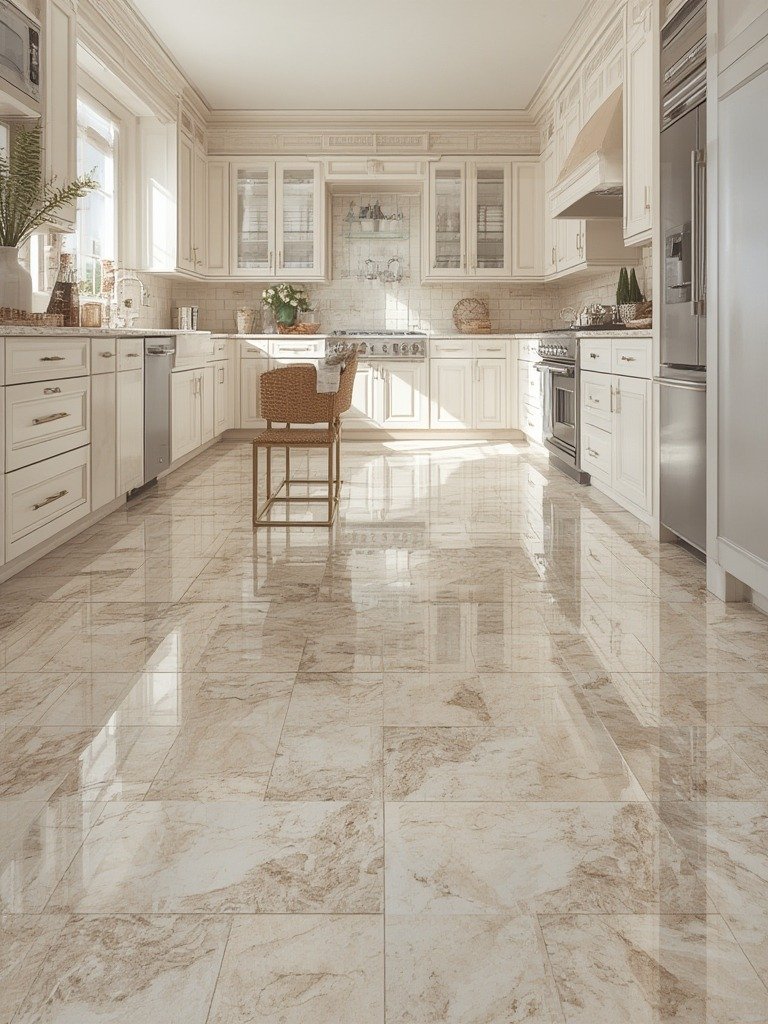
Curious about combining peel-and-stick with an enclosed porch? Our enclosed porch conversion guide explores more ways to experiment with cost-effective flooring solutions.
Conclusion
Stone grain peel stick floor gives homeowners and renters a no-fuss way to achieve a natural stone look, fast. Advances in print technology make today’s patterns more realistic than ever, and the DIY installation opens up creative options otherwise out of reach.
That said, be realistic: these floors offer affordability and ease, not the rock-solid longevity of real stone or premium LVT. Prep the subfloor well, limit use in heavy-traffic zones, and balance visual expectations against price. Want more on trending vinyl styles? See our coverage of LVP flooring trends for 2024. When chosen wisely, stone grain peel stick floor solutions can be a smart, good-looking upgrade for the right project.
Ready to transform your room? Explore our top peel tiles picks or learn more about maintenance tips in our guide to waterproof backsplash tiles.
Frequently Asked Questions
How long do stone grain peel stick floor tiles last compared to real stone?
Most peel stick floors last three to seven years in standard residential use—much less than real stone, which can last decades. Heavy traffic, moisture, or poor surface prep can reduce that lifespan quickly.
Can I install these over ceramic tile or old vinyl?
Yes, as long as the existing surface is smooth, dry, and damage-free. Fill grout lines and clean thoroughly. Raised grout or cracks may telegraph through over time.
Do stone grain peel stick floors work in bathrooms or laundry rooms?
They’re water resistant, but seams and corners are vulnerable. Use a seam sealer for best results, and consider LVT or ceramic if standing water is a risk.
How do I remove old peel stick tiles?
Gently heat each tile with a hair dryer to soften adhesive. Lift slowly with a putty knife and remove residue with adhesive remover. Some subfloor damage is possible if adhesive is strong or aged.
Are there any truly realistic stone grain patterns?
Realism has improved, especially in higher-end brands. Still, stone grain patterns may look more repetitive or less textured than real stone or even some click-lock LVT.