

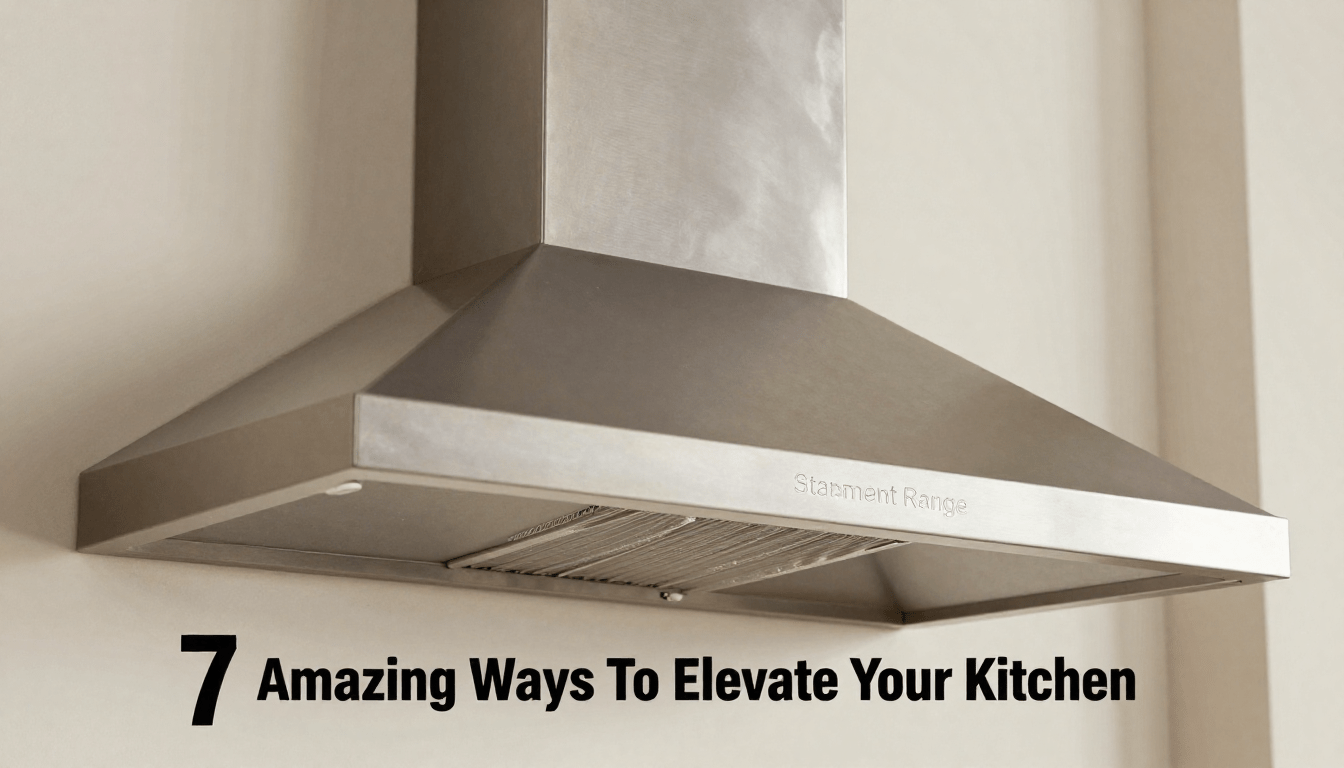
Statement range hood design is redefining the modern kitchen in 2024, turning a once-overlooked appliance into a commanding centerpiece that showcases taste, style, and innovation.
Key Takeaways
- Statement range hoods are now focal points in kitchen design, balancing functionality with personalized style and cutting-edge technology.
- Real-world challenges include complex installation, maintenance demands, and hidden costs—plan ahead to avoid common pitfalls.
- Market data and exact costs are scarce, but investing in quality materials and proper sizing ensures better durability and satisfaction.
- What Is a Statement Range Hood & Why Now?
- How to Select and Install a Statement Range Hood (Step-by-Step)
- Advanced Analysis & Common Pitfalls
- Conclusion
- Frequently Asked Questions
What Is a Statement Range Hood & Why Now?
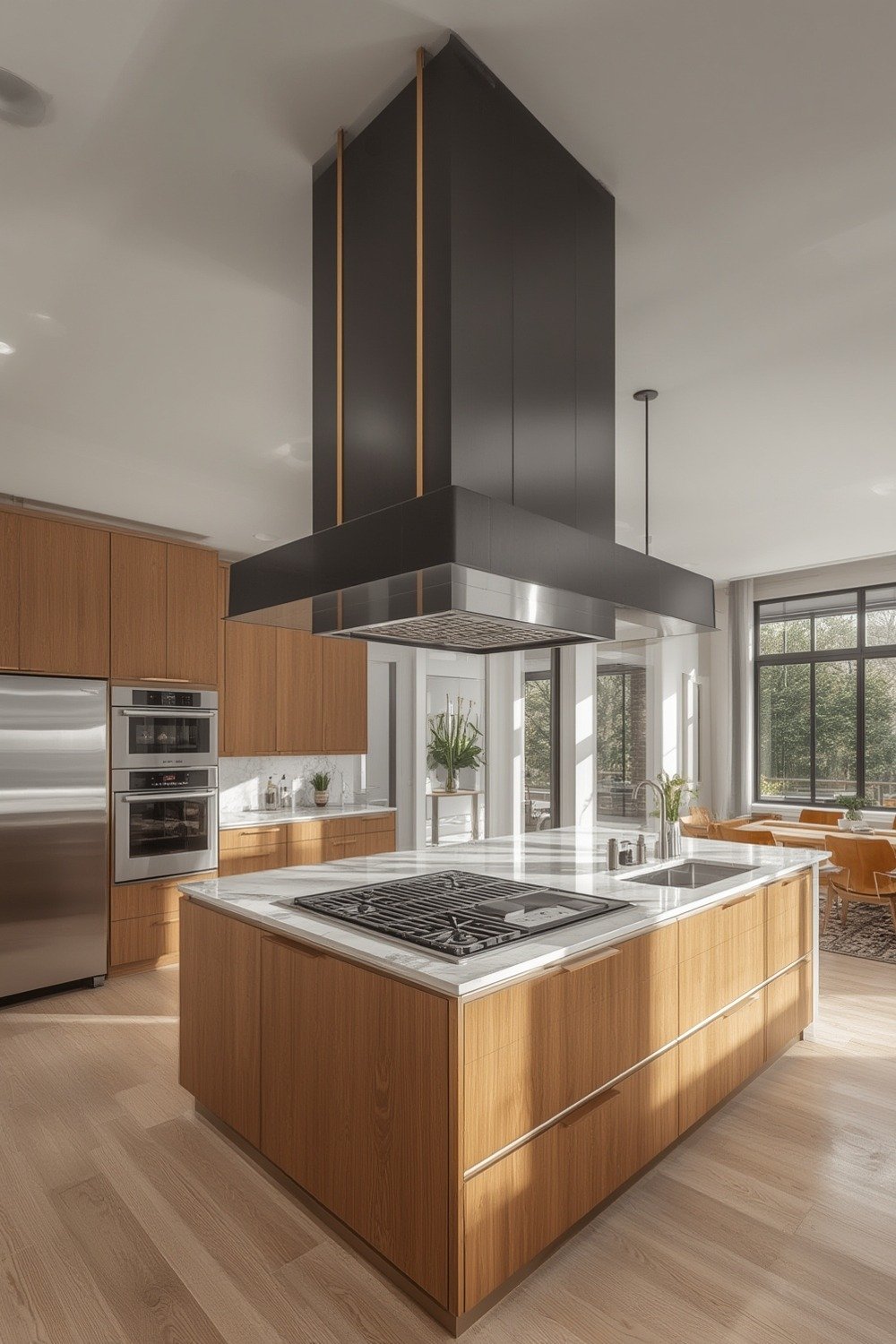
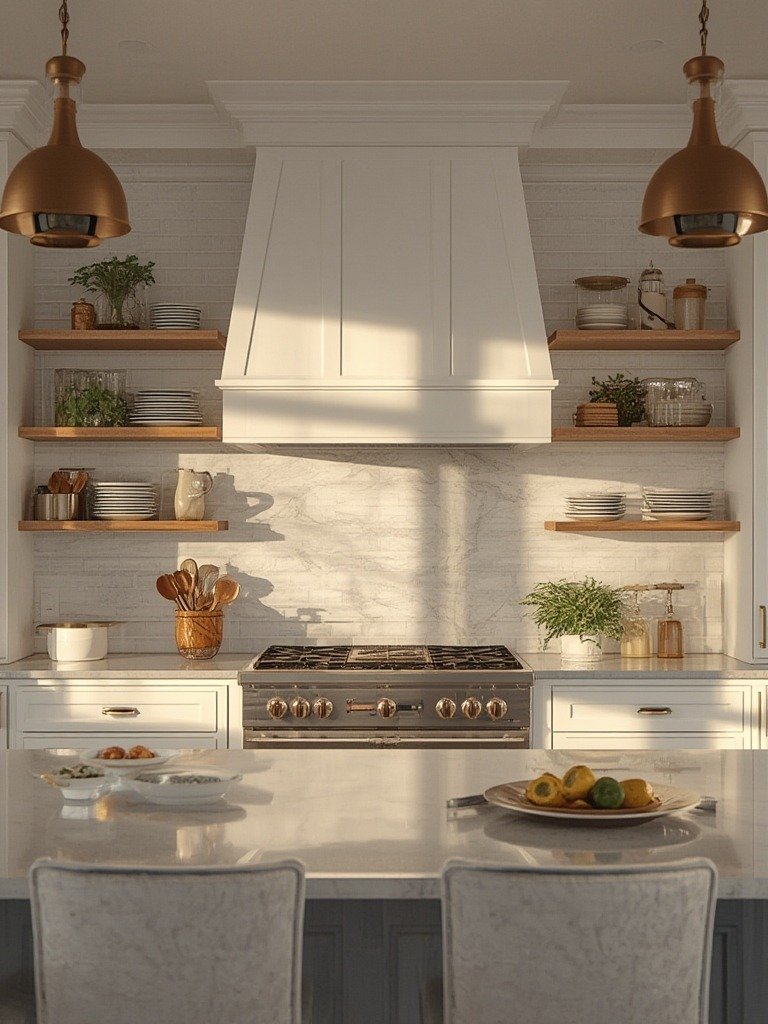
Statement range hoods are not just for ventilation; they have become design icons anchoring kitchen aesthetics. Homeowners and designers are embracing oversized, custom hoods crafted from materials like aged copper, brushed brass, wood, plaster, and natural stone. In 2024, these bold pieces answer the call for personalization, replacing basic stainless steel with sculptural forms that project personality and even integrate smart home features.
Customization is at the forefront: think mixed metals, unique textures, bespoke shapes, integrated LED lighting, and voice-activated controls. Wood alternatives over traditional metal are gaining favor for their charm and air-cleansing traits, making kitchens more welcoming.
Industry authorities note that this trend isn’t just about looks. Functional performance remains essential, from proper capture of cooking fumes to whisper-quiet operation. Designers often blend hidden ductwork and minimalist form with statement silhouettes to achieve visual drama without compromising utility. While there is no exact data on market size, these hoods are considered a “runaway hit,” with qualitative demand outpacing previous years.
How to Select and Install a Statement Range Hood (Step-by-Step)
- Assess Kitchen Design & Space: Identify your kitchen’s aesthetic and measure available hood space. Oversized hoods work best in open layouts but can overpower compact kitchens. Sizing should typically extend 3 to 6 inches beyond the cooktop to balance impact and utility.
- Choose Material & Finish: Pick from trending materials such as patinated copper, brushed brass, stone, plaster, or custom wood. Consider ease of maintenance—quartz and porcelain are lower-maintenance, while metal and wood require specific care. Mixing materials can yield unique statement pieces without sacrificing durability.
- Determine Ventilation Requirements: Calculate necessary CFM (airflow rate) for your cooking area. Plan for makeup air and ensure ducting and fan size meet your region’s codes. Remember that noise, hidden ductwork, and effective capture area are all critical to daily use.
- Integrate Features: Today’s top hoods offer tech such as integrated lighting (task, ambient, or color-changing LEDs), smart controls (motion/voice activation), and auto-clean reminders. Factor in tech compatibility with your smart home setup.
- Budget for Costs—Transparent and Hidden: Price varies widely. Besides the upfront cost for custom design and materials, account for professional installation, structural adjustments, ductwork rerouting, and future maintenance like filter replacements and periodic touch-ups for custom finishes (source). Though there are no precise figures, plan for both initial and ongoing expenses.
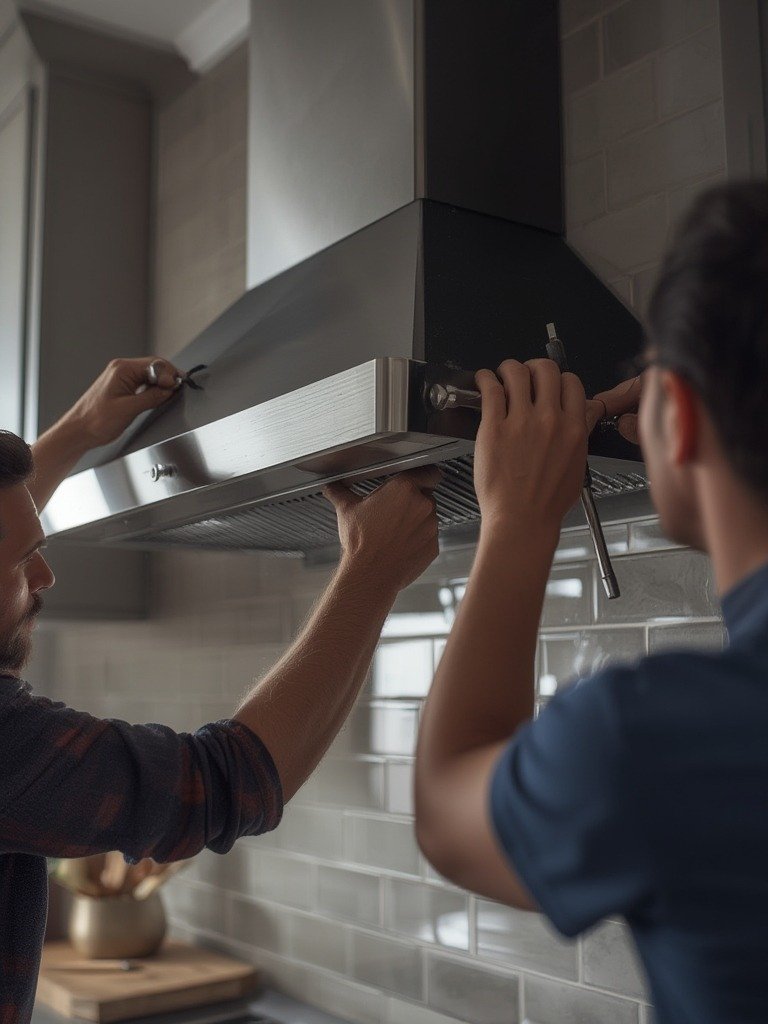
- Professional Installation: Hire experienced installers—working with large hoods or complex materials may require specialty equipment or reinforcements for safety and visual balance. Account for unique mounting heights and cabinet integrations.
- Establish a Maintenance Plan: Protect surfaces (especially custom metals and textured finishes), clean regularly per manufacturer recommendations, and schedule periodic servicing to preserve both function and visual appeal.
A common question is how to balance visual drama with daily use. Wooden hoods require more touch-ups and protection in humid or grease-prone environments, while textured metal and plaster create maintenance spots where grime can collect. Always review the manufacturer’s care instructions before finalizing material choices.
For more kitchen upgrade ideas, explore how LVP flooring trends or even an enclosed porch conversion can raise overall home appeal.
Advanced Analysis & Common Pitfalls
Even experienced designers hit snags with statement range hoods. Here’s a practical breakdown of challenges, cost factors, and what most competitor articles ignore.
| Factor | Standard Hood | Statement/Custom Hood |
|---|---|---|
| Material cost | Stainless steel, basic finishes, limited design choices | Bespoke metals, real stone, wood, artisan finishes—much higher variability |
| Installation | Often DIY or standard contractor | Frequently requires structural mods, experienced trades, permit checks |
| Maintenance | Simple filter change and wipe-down | Material-specific cleaning, professional touch-ups, finish care, custom filter sourcing |
| Operational costs | Minimal: periodic filter and light replacement | May include specialist servicing, tech updates (smart controls), periodic refinishing |
| Resale value | Rarely a selling point | Claims of “luxe” cachet abound, but little concrete real estate data; may boost perception if well-executed |
- Oversizing and Room Disruption: A hood that’s too large will visually crowd the space and make cleaning or access harder. Follow the 3-6 inch rule beyond cooktop width for best results.
- Ductwork Surprises: Custom hoods sometimes demand total rerouting of kitchen ventilation, which can add time, cost, and inspection hurdles.
- Unrealistic Maintenance: Ornate surfaces (hammered metals, carved plaster) need exacting care to avoid degradation, and some patinas change color or texture over time—good or bad, depending on your intent.
- Lack of Market Data: There’s almost no quantitative information on resale value or actual return on investment. Treat your purchase as a personal upgrade, not a guaranteed asset booster (source).
- Cost Underestimation: Many buyers assume the sticker price includes all work—hidden costs like finishes, labor, ducting, and ongoing care frequently surprise homeowners (source).
Conclusion
In short, a statement range hood is a powerful way to blend form and function, giving your kitchen a true signature look while addressing modern needs for customization and air quality. The tradeoff is real: higher upfront and ongoing costs, installation complexity, and maintenance. But for those who meticulously plan for sizing, ventilation, and long-term care—while sidestepping overhyped promises about resale value—the impact is uniquely rewarding. Ready to make your kitchen stand out? Use this guide to choose and care for a statement range hood that suits both your taste and lifestyle. For additional kitchen design ideas, check out our guides on waterproof backsplash tiles, peel tiles, and more.
Frequently Asked Questions
What materials are best for a statement range hood?
Popular materials include aged copper, brushed brass, stainless steel, plaster, natural stone, and custom woods. Each offers a different look, and care needs vary: metals and wood require more maintenance, while quartz and porcelain are easier to keep clean.
Are statement range hoods harder to install than standard models?
Yes. Most statement hoods are heavier and larger, frequently needing expert installation, advanced ductwork, and sometimes structural modifications. Budget extra time and resources.
What’s a typical price range for a custom or statement hood?
Prices vary dramatically, depending on material, finish, and installation demands. There’s no reliable published average, but costs can exceed those of standard models by several times. Always request a detailed quote before starting.
Does a statement hood add resale value to my home?
No hard data exists. While some realtors claim enhanced “luxury” perception, there’s no quantitative evidence of recouped investment. Treat it as a personal style upgrade first.
What technical requirements matter most in choosing a hood?
Ensure proper sizing (extend 3-6 inches beyond the cooktop), calculate appropriate CFM, and check that ductwork and make-up air meet local building codes. For high-BTU stoves, you’ll need a higher-powered unit, possibly with make-up air systems.