


SPC peel and stick flooring has quickly become a top choice among homeowners and commercial designers looking for a durable, waterproof, and easy-to-install alternative to traditional vinyl or laminate floors. But is it truly worth the premium—and how does it stack up under real-world use? This guide breaks down what you need to know before you invest.
Key Takeaways
- SPC peel and stick flooring outperforms vinyl and laminate in durability, waterproofing, and stability—ideal for high-traffic areas.
- Real-world complaints include hard underfoot feel, repetitive patterns, and potential VOC emissions—know the tradeoffs before choosing SPC.
- DIY installation is simple, but premium SPC is priced higher than vinyl or gel alternatives, balanced by lower long-term replacement costs.
- The Core Concept: What Is SPC Peel and Stick Flooring?
- Step-by-Step Guide: Installing and Maximizing SPC Peel and Stick Flooring
- Advanced Analysis & Common Pitfalls
- Conclusion
- FAQ
The Core Concept: What Is SPC Peel and Stick Flooring?
SPC peel and stick flooring stands for Stone Plastic Composite—a rigid core flooring type using a high-density blend of limestone powder, PVC, and stabilizers. This construction gives it superior dent resistance, waterproofing, and dimensional stability beyond traditional vinyl tiles, laminate, or wood. The peel and stick format allows for fast, mess-free DIY installation; just peel off the backing and apply directly to subfloors or even some existing finished floors.
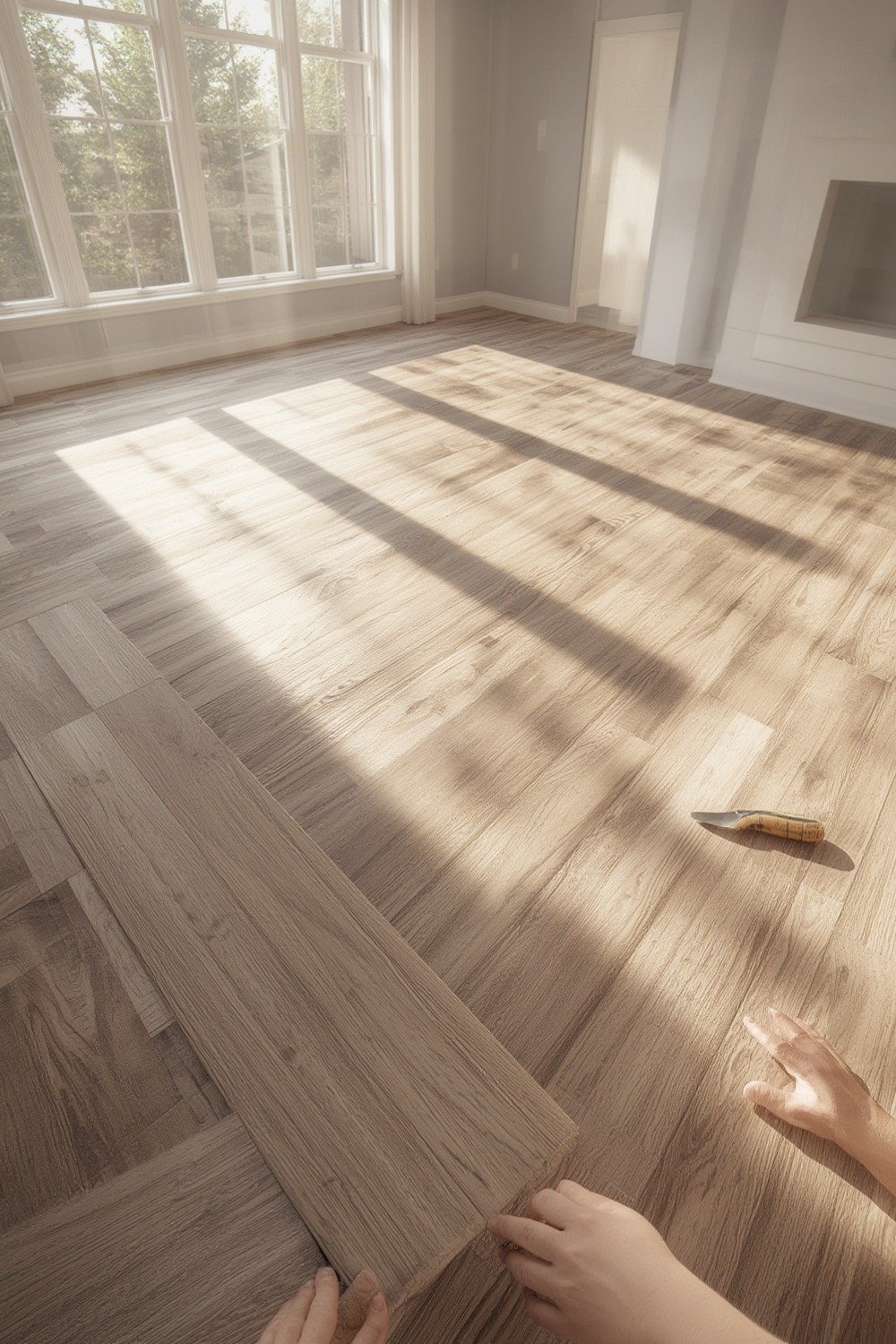
Most SPC planks last 15-25 years, with thicker, premium versions (often 5-7mm and a 20-mil wear layer) reaching 20-30 years, well beyond standard vinyl or laminate. It’s especially popular in busy entryways, kitchens, and even light commercial settings due to its rigid core’s ability to resist dents from furniture, impacts, or foot traffic. Unlike laminate, SPC peel and stick flooring is 100% waterproof—no swelling or warping when exposed to spills. This makes it an excellent choice for bathrooms or finished basement installations where moisture is a concern (source).
However, not all is perfect. SPC’s ultra-rigid and plastic-based design gives it a harder, sometimes chilly feel compared to laminate or engineered wood. Some users find the repeating patterns less natural than true stone or hardwood. Still, its dimensional stability and low-maintenance surface place it far ahead of click-together laminate and many LVP options (source).
Step-by-Step Guide: Installing and Maximizing SPC Peel and Stick Flooring
If you want a clean, modern, and ultra-durable floor in your home or business, SPC peel and stick flooring is a smart choice. Here’s how to get great results with minimal stress.
-
Prep Your Subfloor
Sweep and thoroughly degrease the surface. Patch large cracks, deep joints, or high grout lines. Peel and stick SPC needs a flat foundation; failure to prep can cause shifting or visible seams. -
Plan Your Layout
Start along the longest, straightest wall for best results. Dry-lay your first row and trim ends as needed—a simple way to avoid unsightly tiny slivers at the wall. -
Peel & Stick Methodically
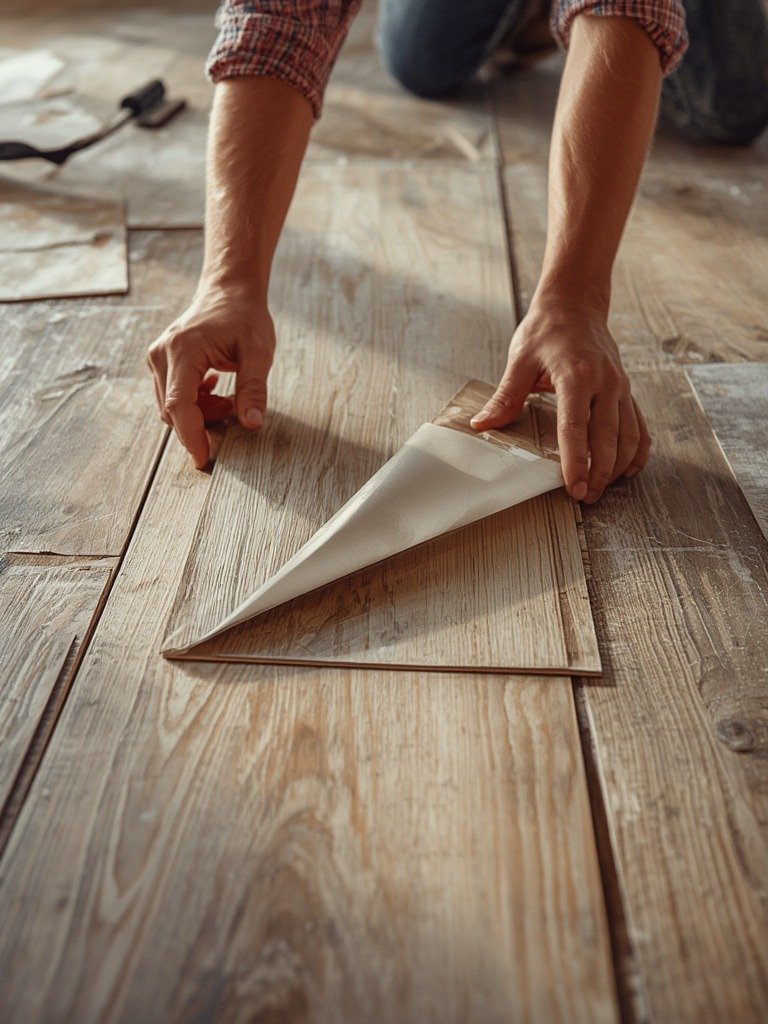
Peel backing off a single plank, align carefully, and stick it down. Use a hand roller or heavy object to secure adhesion. Stagger seams for a more natural pattern repeat. -
Accommodate Obstacles
Score and snap SPC planks for clean, easy cuts around door jambs, vents, or odd corners. A sharp utility knife is usually all you need. -
Seal & Finish
SPC is waterproof, but the weak link is the seams—add optional seam sealer in kitchens or baths for added protection against standing water. -
Heavy Furniture & Extreme Use
Use felt pads or sliders on heavy couches or appliances, especially if your plank’s wear layer is under 20mil. While SPC is dent-resistant, extreme, focused weight over time can eventually mark thinner products.
- LVP flooring trends provide additional insights into styles and finishes compatible with SPC core technology.
- If you’re working on an enclosed porch conversion, SPC peel and stick flooring delivers year-round durability.
- For small DIY jobs or learning installation techniques, compare your project to the peel tiles method here.
- SPC isn’t just for floors—check out waterproof backsplash tiles for matching wall protection.
- Need extra organization along with your new floors? Streamline the space with a functional shoe bench solution.
Advanced Analysis & Common Pitfalls
SPC peel and stick flooring is not without its limitations and drawbacks. Here’s what many homeowners report—and how you can make smarter decisions before investing.
| Feature | SPC Peel and Stick | Traditional Vinyl | Laminate | WPC |
|---|---|---|---|---|
| Durability | 15-25+ years (20-30 years premium) | 8-15 years | 10-20 years | 10-20 years |
| Dent Resistance | Excellent (stone core) | Moderate (prone to dents) | Good (sensitive to moisture) | Lower (softer core) |
| Waterproof | Yes (100% waterproof core) | Usually water-resistant | No (swells if wet) | Water-resistant |
| Feel Underfoot | Hard, cool | Softer, plastic feel | Cushioned (but hollow sound) | Softer, warmer |
| VOC Emissions | Possible (PVC-based) | Possible | Lower (wood-based) | Possible |
| Pattern Repeat | Visible (less “real” than wood/stone) | Visible | Better variety | Decent variety |
| Price per Sq. Ft. | $$$ | $ | $$ | $$$ |
| Recyclability | Questionable | Poor | Better (wood core) | Poor |
| Installation Ease | Very high (DIY, peel & stick) | High (peel & stick) | Moderate (click/floating) | Moderate |
- Appearance & Pattern: Many users find SPC flooring’s printed patterns repeat frequently, especially with large installations. This can make floors look less “natural” than hardwood or stone—and potentially impact home resale value (source).
- Feel: The rigid, stone-based core is hard and doesn’t offer the soft cushion of laminate, cork liner, or WPC. Standing for hours may cause fatigue, especially in thinner planks (source).
- VOCs & Health: SPC is PVC-based, which may contribute to low-level VOC emissions. While many brands advertise “low VOC,” third-party lab certifications are rare—look for explicit safety statements if you’re sensitive to chemical odors.
- Waterproof Ratings: Although marketed as “100% waterproof,” SPC can let water through seams if large spills sit for 24-48 hours, with no standardized ASTM or ISO waterproof test cited (source).
- Subfloor Prep: Floors with deep grout lines or uneven spots can create gaps, adhesive failure, or shifting tiles. For best results, patch or skim-coat imperfections—and aim for a clean, dry, level surface.
- Longevity & Wear: While SPC’s core is nearly indestructible, the clear plastic wear layer can scratch, haze, or scuff under repeated friction (e.g., chairs dragged without felt pads), so commercial spaces may need to budget for touch-up or replacement over time.
- Price-to-Lifespan: SPC’s lifetime value is higher than budget vinyl or gel floors, given reduced replacement frequency and fewer repairs, but upfront costs are similar to or higher than other “peel and stick” options (source).
For a complete look at peel and stick options and alternatives, explore reviews of pink marble contact paper or click over to the best modern cold plunge pool installation methods for your home improvement mix.
Conclusion
SPC peel and stick flooring is a robust, waterproof, and endlessly practical upgrade over conventional laminate or vinyl—especially if you want longevity and seamless installation. The premium price is offset by decades-long performance and reduced maintenance, making it a favorite for busy homes and businesses. Just weigh the challenges of pattern repeat, underfoot feel, and environmental considerations before committing to your project. For the right spaces, SPC peel and stick flooring delivers uncompromising value, longevity, and style—making ambitious DIY makeovers easier than ever.
Ready to transform your floors? Shop top-rated SPC peel and stick flooring options—or browse our floor care guides for the essential supplies you’ll need to get started.
FAQ
Is SPC peel and stick flooring truly waterproof for bathrooms and basements?
Yes, SPC flooring features a dense stone-plastic composite core and non-porous wear layer, making it 100% waterproof for everyday spills. However, standing water at joints for over 24-48 hours can eventually seep to the subfloor. Extra seam sealer is recommended for bathrooms, kitchens, and basements.
What surfaces can I install SPC peel and stick flooring over?
You can place SPC over smooth, flat, dry subfloors—including tile, concrete, old vinyl, or plywood. Avoid laying it over carpet or heavily textured/uneven surfaces, as this will cause gaps or adhesive failure.
Does SPC flooring feel hard underfoot compared to laminate?
Yes, the rigid stone core provides less “give” than laminate or WPC floors. This hardness adds durability but can feel less comfortable when standing for long periods, especially in thinner formats.
Are there any environmental or health concerns with SPC flooring?
SPC flooring is made from PVC, limestone powder, and stabilizers. While many brands advertise “Low VOC,” concerns about chemical emissions and recyclability remain—look for verified certifications if this is a high priority for you.
How does the price of SPC peel and stick compare to regular peel and stick vinyl?
SPC peel and stick flooring is generally priced higher but offers superior durability, waterproofing, and long-term value. While upfront costs are greater, you’ll likely replace it less often, so total lifetime expense is often lower.