

SPC peel and stick flooring is shaking up home upgrades with its promise of true waterproofing, easy installation, and commercial-grade durability. But does this innovative flooring live up to the hype — or is it just another passing trend? Here’s the unvarnished truth, packed with actionable steps and pitfalls to avoid if you’re considering this new class of stick-down floors.
Key Takeaways
- SPC peel and stick flooring offers high durability, superior waterproofing, and realistic looks compared to standard peel-and-stick options.
- Installation is beginner-friendly but requires careful substrate prep to avoid long-term problems like edge lifting or warping.
- Partial repairs are difficult; understanding wear layer specs and maintenance costs is critical for getting true value in high-traffic or commercial spaces.
- What Is SPC Peel and Stick Flooring? (And Why It Matters)
- How to Install SPC Peel and Stick Flooring: Step by Step
- SPC Flooring: Common Pitfalls and Advanced Analysis
- Conclusion
- Frequently Asked Questions
What Is SPC Peel and Stick Flooring? (And Why It Matters)
SPC (Stone Plastic Composite) peel and stick flooring is a cutting-edge update on classic vinyl tiles. Unlike regular peel and stick tiles that use a simple adhesive vinyl layer, SPC boards feature a stone-plastic composite core that’s ultra-dense, waterproof, and highly stable. This construction resists dents, avoids unsightly swelling in wet areas, and enables realistic textures that mimic wood or tile.
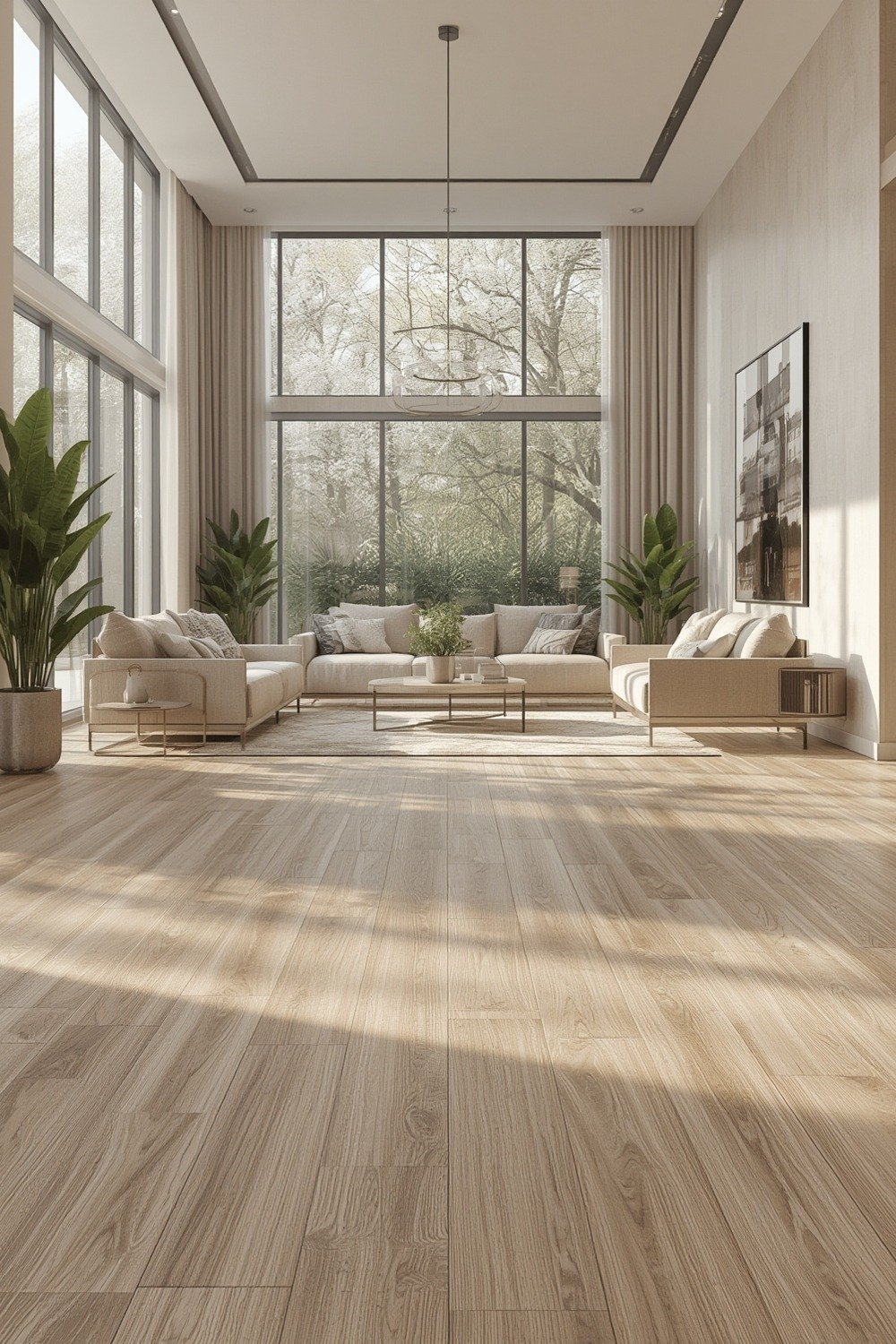
Why does this matter? First, SPC’s waterproof core crushes the biggest complaint about traditional peel and stick: warping or bubbling after spills. Second, compared to older stick-down tiles, SPC can withstand heavier loads, making it viable for home offices, kitchens, and even light commercial spaces. The average SPC peel and stick plank can last 15 to 25 years in residential use, outperforming budget stick-on tiles that may only last three to five years in busy areas.
For a deeper dive into today’s luxury vinyl trends, check out our LVP flooring trends guide.
How to Install SPC Peel and Stick Flooring: Step by Step
Installation is where SPC peel and stick flooring wins major points. You don’t need glue, nails, or exotic tools — just attention to detail and careful prep. Here’s how to get outstanding, long-lasting results:
- Prepare the Subfloor
Clean thoroughly (vacuum and damp-mop). Fill deep grout lines or joints with appropriate filler if installing over tile or uneven plywood.
Why? SPC is rigid, but an uneven substrate can still cause minor movement and eventual failure. Overlooked details here lead to the majority of edge-lift issues months down the road. - Dry Fit and Layout
Plan your row layout — especially if you want a staggered, wood-like look. Dry lay full rows, then mark your starting line for a straight, professional appearance. - Peel, Stick, and Press
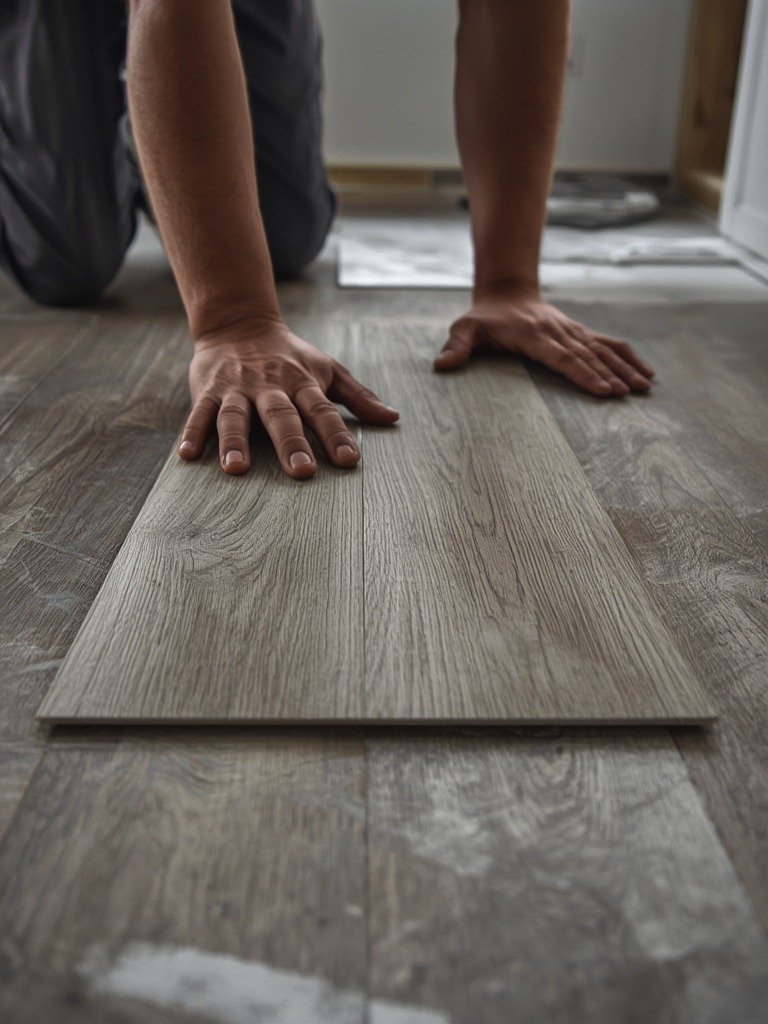
Working one plank at a time, peel off the backing and press the SPC tightly against the previous row and substrate. Use a hand roller or heavy book to press edges flat. - Trim and Finish
SPC planks can be scored and snapped with a utility knife, or cut with a fine-toothed saw for trickier angles. - Seal and Protect
Add quarter-round trim or caulk around perimeter — especially in bathrooms or kitchens — to block water intrusion under the floor.
- Maintenance: Damp mop as needed. Never use abrasive pads or bleach. For deeper cleaning, a pH-neutral floor cleaner is best. Avoid dragging heavy furniture to minimize scratches.
Want to explore more about prep work and trending installation ideas? See our step-by-step instructions in peel tiles: 10 ultimate steps.
SPC Flooring: Common Pitfalls and Advanced Analysis
Even top-tier SPC peel and stick flooring isn’t immune to user complaints or technical limits. Here’s what most brands and influencers skip in their sales pitches — plus how this product stacks up against LVP and classic self-adhesive tiles.
| Category | SPC Peel and Stick Flooring | Standard Peel and Stick Tiles | LVP (Luxury Vinyl Plank) |
|---|---|---|---|
| Abrasion Resistance (Rotations) | ~2,500 (medium traffic) | ~2,500 (light-medium) | 10,000+ (heavy traffic) |
| Waterproof | 100% | Resists spills, not flooding | 100% |
| Lifespan (Residential) | 15 – 25 years | 2 – 5 years | 10 – 20 years |
| Scratch/Dent Resistance | Excellent dent, fair scratch | Poor | Excellent |
| Partial Repairs | Difficult, disruptive | Easy, low cost | Moderate difficulty |
| Sound/Comfort Underfoot | Hard, less warmth | Soft, but less dense | Varies (EVA pad often included) |
| Cost per Square Foot | Slightly higher than vinyl stick tile | Lowest | Under $4 (mid-grade LVP) |
- Partial Repair Headaches: The biggest functional drawback is that a damaged SPC plank usually can’t be spot-patched. You’ll often need to cut and relift multiple pieces to make a clean repair, unlike classic stick-on tiles. This increases maintenance costs, especially in rental or busy spaces. (source)
- Scratch Sensitivity: While the core is dent-proof, heavy furniture, chair legs, or pet claws can damage the wear layer. Once gouged, SPC can’t be sanded like real wood or even basic vinyl. Consider high-traffic wear layer upgrades.
- Substrate Prep Matters: Deep grout lines from old tiles, or humps in old plywood, transmit through the rigid core if not addressed. Competitor guides often skip this crucial floor prep step — don’t. (source)
- Sound and Comfort Trade-offs: SPC feels noticeably harder and cooler than cushioned LVP with EVA pads. If you want warmth or noise absorption, consider layering an approved cork liner. See options in our cork liner guide.
- Warranty and Return Limits: Warranty terms are not always clear. As of 2024, you must contact the manufacturer directly for policy updates. (source)
If you’re thinking about water-resistant options for kitchens or bathrooms, you’ll also find useful comparisons in our waterproof backsplash tiles review. And for outdoor installs or porch conversions, you’ll find more in our enclosed porch conversion guide.
Conclusion
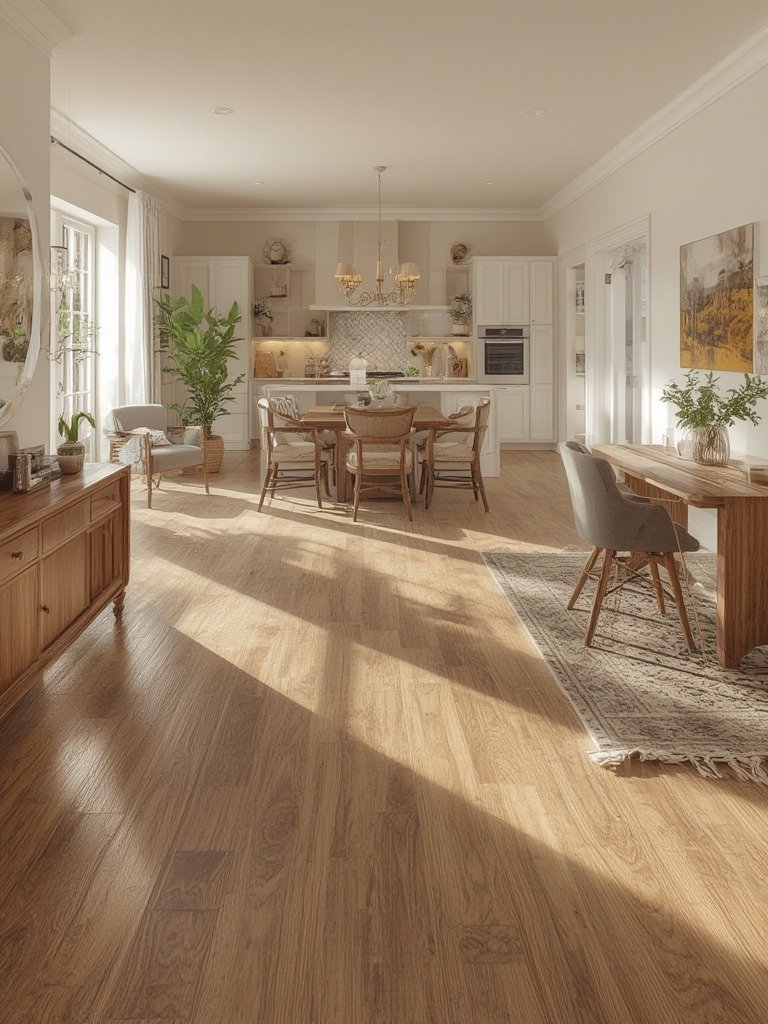
SPC peel and stick flooring delivers a convincing mix of waterproof protection, long-term wear, and DIY-friendly installation for most homes. The stone-plastic composite core outperforms old-fashioned stick-on tiles in every measurable way, though you’ll need to invest time in floor prep — and be ready for more involved repairs if planks get damaged. For renters, homeowners, or light commercial users seeking a stylish, low-maintenance surface, SPC peel and stick flooring is a smart upgrade when installed correctly.
Ready to transform your space? Compare product specs and real-world results — try a test plank in your own space before committing, and don’t hesitate to reach out for expert advice.
Frequently Asked Questions
Is SPC peel and stick flooring really waterproof?
Yes, SPC’s core is 100% waterproof, so it resists spills, flooding, and daily cleaning in kitchens, bathrooms, or basements. Just be sure to seal edges where water could get underneath.
How long does SPC peel and stick flooring last?
With proper installation and care, most SPC peel and stick flooring lasts 15 to 25 years in homes. Commercial-grade products and thicker wear layers increase lifespan even further.
Can I install SPC peel and stick flooring over tile?
Yes, provided the tile is solid and level. Fill deep grout lines so the hard SPC layer doesn’t telegraph old tile joints to the surface. Clean and dry thoroughly before sticking planks down.
What are the most common problems after installation?
Edge lifting from poor prep, scratches from heavy furniture, and difficult partial repairs are the main complaints. Plan for careful substrate work and use felt pads on furniture legs to extend the life of your floor.
Is SPC peel and stick flooring good for rental properties?
Yes, because it’s durable and easy to install. However, if frequent spot repairs are likely, note that replacing SPC planks requires lifting several connected pieces, not just swapping one tile.