

### Blog Post:
SPC flooring installation is one of the fastest-growing trends in home improvement, but most homeowners and pros miss a few critical steps when aiming for a flawless, long-lasting finish. If you want floors that outlast the hype and truly withstand anything, read on—this is not your average how-to guide.
Key Takeaways
- The global SPC flooring market is booming in 2024 with North America holding over 40% share and top brands like Armstrong and Mohawk leading installs.
- Many online guides skip crucial topics: proper underlayment, acclimatization time, and advanced waterproofing make-or-break your results.
- Expect hidden costs and potential pitfalls even with so-called “DIY-friendly” SPC floors—knowledge and planning save you real money.
- Understanding SPC Flooring Installation
- Step-by-Step SPC Flooring Installation Guide
- Advanced Analysis & Common Pitfalls
- Conclusion
- FAQ Section
Understanding SPC Flooring Installation
SPC flooring, or Stone Plastic Composite flooring, is engineered with a rigid core made from limestone powder and stabilizers. It’s truly 100% waterproof, dimensionally stable in temperature swings, and ideal for both residential (about 60% of demand globally) and commercial spaces. Unlike earlier luxury vinyl or laminate products, SPC promises a tough wear layer but still delivers realistic wood or stone visuals.
Why go for SPC flooring installation over options like LVP or WPC? The answer is durability, waterproof performance, and a snap-lock system that allows floating installs—even over less-than-perfect subfloors. This is a top choice in North America and Asia-Pacific, with production in China alone topping 450 million square meters in 2023 according to global reports.
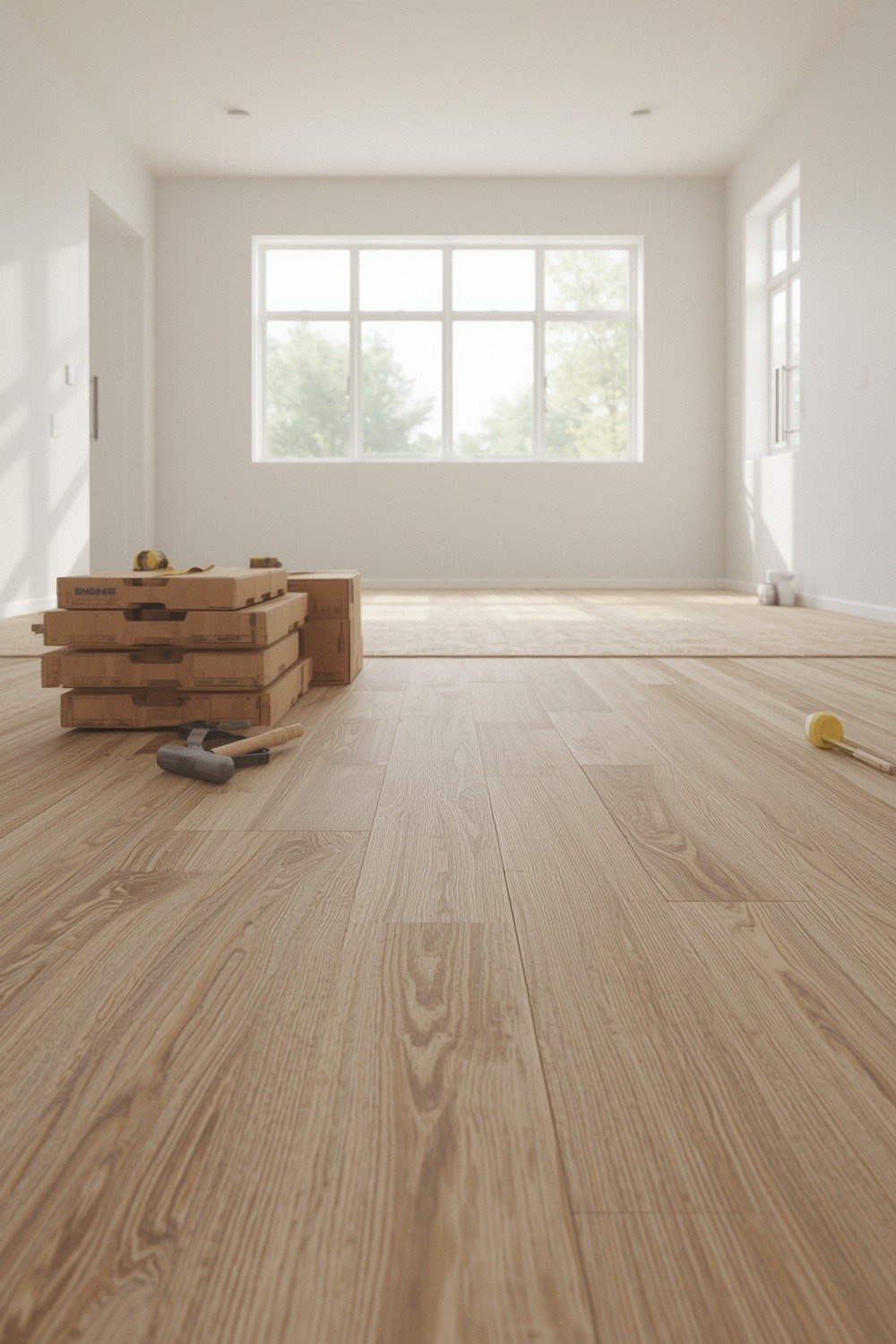
It’s also worth noting that leading brands like Armstrong (the largest global share at 95 million sqm installed last year) and Mohawk (with eco-friendly lines using 45% recycled material) are setting high standards for both product and environmental performance.
For homeowners considering upgrades beyond flooring, adding a modern, durable waterproof backsplash can further boost value, tying together kitchen or bathroom remodels seamlessly.
Step-by-Step SPC Flooring Installation Guide
Correct SPC flooring installation is less about brute force and more about planning, the right tools, and attention to details overlooked by most how-to articles. Here’s exactly what to do—whether going DIY or hiring a pro.
-
Prep the subfloor.
- Sweep, vacuum, and mop to remove all debris. Remove any old adhesives, nails, or staples—SPC hides only minor imperfections.
- Fix dips and high spots greater than 1/8″ across 6′. Use a self-leveling compound if needed.
- Concrete? Check for moisture (max 5% MC). For wooden subfloors, verify there’s no rot or flex.
-
Underlayment matters.
- SPC often includes a pre-attached foam underlayment, but check your manufacturer’s spec. High-traffic or below-grade basements may need a vapor barrier or separate acoustic pad.
- Never double up on underlayment: this can cause joint failure. If your product says “no underlay required,” trust it.
-
Acclimatize planks.
- Leave boxes in the installation area, unopened, 48 hours minimum. If installing during a seasonal swing (hot summer/cold winter), add 12–24 hours for every 10-degree difference from storage.
-
Layout planning & first row install.
- Measure your room. Lay out planks to avoid slivers (<2″ wide) at the far wall. Mix planks from 3–4 boxes at once for best color variation.
- Stagger plank ends (min. 8–12”) for visual realism and structural strength.
-
Lock and tap—don’t force it.
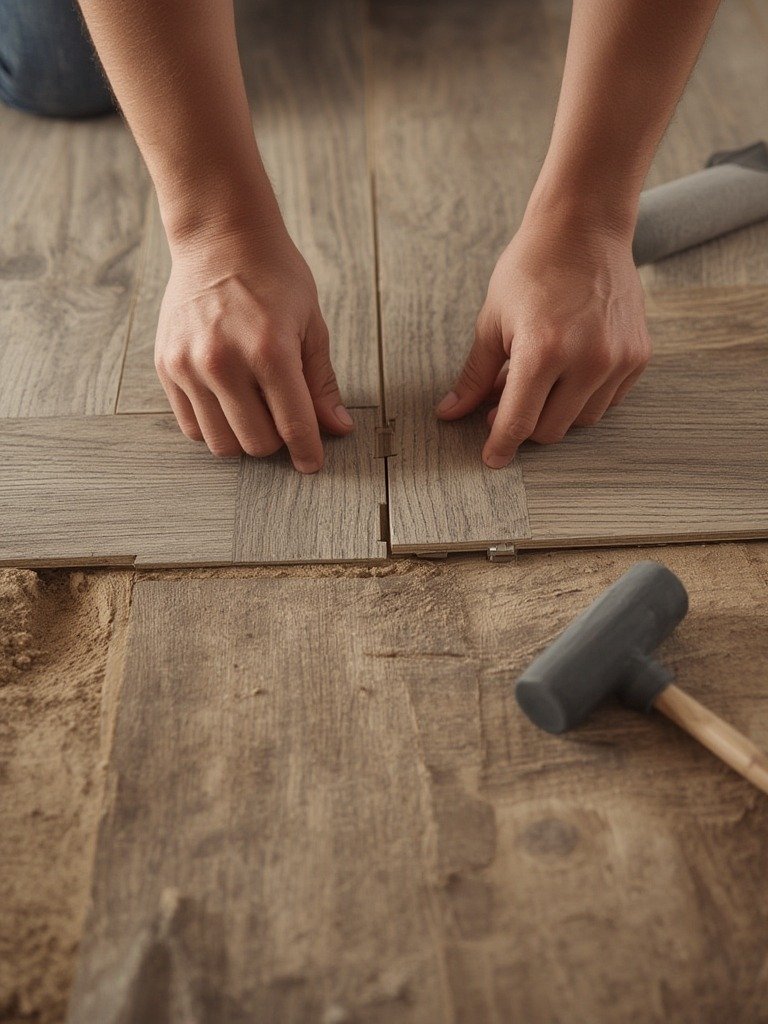
- Gently angle the tongue into the groove and firmly tap with a non-marring mallet and tapping block. Seams must be tight; if not, adjust, don’t hammer harder.
- Continue row by row, checking for level and fit.
-
Cutting to fit.
- SPC cuts with a heavy-duty utility knife (score and snap method), jigsaw, or laminate cutter. Always cut face-up for cleaner edges.
- Leave 1/4″ expansion gap along all walls—use spacers.
-
Finishing & transitions.
- Install baseboards or quarter rounds to conceal expansion gaps, but never nail through the SPC planks themselves.
- Install transition strips at doorways or where meeting another flooring type.
-
Clean up and final check.
- Remove spacers, vacuum, and damp-mop. Check for any movement or clicks indicating a loose plank—and correct before finishing.
Want to explore other modern flooring trends? See how LVP flooring trends are competing with SPC for both durability and design aesthetics in 2024.
Advanced Analysis & Common Pitfalls
Even though SPC floors sell as “foolproof,” reality proves there are problems and unexpected costs if you aren’t careful. Contractors and savvy DIYers alike stumble on these often—don’t repeat their mistakes.
- Improper acclimatization: “Waterproof” doesn’t mean immune to temperature changes. Rushed installs lead to gaps, squeaks, and planks that won’t lock together.
- Subfloor issues: Skipping repairs or trying to float over a bumpy subfloor almost always results in a spongy feel and joint movement.
- Poor underlayment choices: Using the wrong pad or vapor barrier can void your warranty or cause joint failures.
- Lack of certified product: Many cheap SPC products lack certifications like FloorScore or ASTM standards, meaning unknown VOC content and no guarantee of durability. Always request documentation, especially for larger installs.
- Underestimating hidden costs: DIY savings disappear fast if you need to buy tools (quality laminate cutters, tapping blocks) or make multiple trips for transition strips. Labor costs for professional install usually run $2–$4 per sq. ft. extra but can save on repairs down the line.
| Feature | SPC Flooring | WPC Flooring | LVP/LVT | Ceramic Tile |
|---|---|---|---|---|
| Installation Complexity | Easy (snap-lock, float) | Easy (float/glue) | Easy–Moderate | Complex (grout/mortar required) |
| Waterproof | 100% | Water-resistant | Most are water-resistant | 100% |
| Durability / Dent Resistance | Very High | Medium | Medium–High | Very High |
| Maintenance | Low | Low | Low | Low |
| Typical Thickness | 4–6.5 mm | 5–8 mm | 2–5 mm | 8+ mm |
| Cost (Materials Only) | $2–$5/sq. ft. | $2.5–$6/sq. ft. | $1.5–$4/sq. ft. | $3–$8/sq. ft. |
| Labor (Pro Install) | $2–$4/sq. ft. | $2.5–$5/sq. ft. | $2–$3.5/sq. ft. | $4–$9/sq. ft. |
Curious about quick upgrades that deliver amazing floor results? Our guide on peel tiles walks through an even faster install method for small budgets and rental properties.
Conclusion
The best outcomes in SPC flooring installation come from solid planning, careful execution, and knowing where to avoid mistakes that could undermine your investment. As global demand spikes in 2024, take time to verify certifications, follow manufacturer guidelines, and budget for both tools and finishing details. Whether you’re upgrading an enclosed porch, bathroom, or a whole home, this is one improvement you want to get right the first time. Ready for your next flooring project? Make a checklist today—and if in doubt, consult a certified installer.
FAQ Section
How long does it take to install SPC flooring in a typical room?
For a straightforward rectangular room under 300 square feet, a confident DIYer or pro can finish SPC flooring installation within one day, including prep and cleanup. Larger or irregular rooms may need two days.
Is SPC flooring really 100% waterproof?
Yes, SPC core planks are fully waterproof, making them ideal for kitchens, bathrooms, basements, and laundry areas. Just ensure edges and transitions are treated as directed to prevent leaks beneath the floor.
Do I need underlayment with SPC flooring?
Many SPC products have built-in underlayment. If yours does not, or your subfloor requires specific sound or moisture control, use only the underlayment recommended by your flooring manufacturer to preserve your warranty.
How do I clean and maintain my SPC floor?
SPC floors need only regular sweeping or vacuuming and an occasional damp mop. Avoid heavy steam mops, harsh chemicals, or abrasive scrubbers—all can damage the wear layer.
What certifications should I check before buying SPC flooring?
Look for FloorScore, ISO, or ASTM D5116 certification, which ensures your SPC flooring is low in VOCs, meets emissions criteria, and is safe for residential use. Always request documentation before purchase.