

Smart home devices that save energy are transforming how we manage power usage in everyday homes, but do they truly cut costs and deliver as promised? Here’s what works, what fails, and how you can avoid the most common headaches.
Key Takeaways
- Smart thermostats and smart plugs usually offer the fastest and most reliable payback on energy savings.
- Device interoperability, setup complexity, and inconsistent real-world results are major stumbling blocks for many users.
- Rebates and utility programs can sharply reduce the upfront cost of energy-saving smart home gadgets in 2024.
- What Are Smart Home Devices That Save Energy—And Why Should You Care?
- How to Get the Most Out Of Your Smart Home Energy Devices: A Step-by-Step Guide
- Real-World Results: Advanced Analysis & Common Pitfalls
- Conclusion: Are Smart Home Devices That Save Energy Worth It?
- FAQ: Smart Home Devices That Save Energy
What Are Smart Home Devices That Save Energy—And Why Should You Care?
Smart home devices that save energy include thermostats, lighting, plugs, and appliances managed electronically to reduce unnecessary power use. They work by monitoring conditions, automating routines, and adapting to your habits—minimizing waste and, in theory, slashing your energy bills. In 2024, field research shows homes using bundles of these devices can trim whole-home energy use between 5 and 20 percent (sometimes more, with aggressive automation and user engagement).
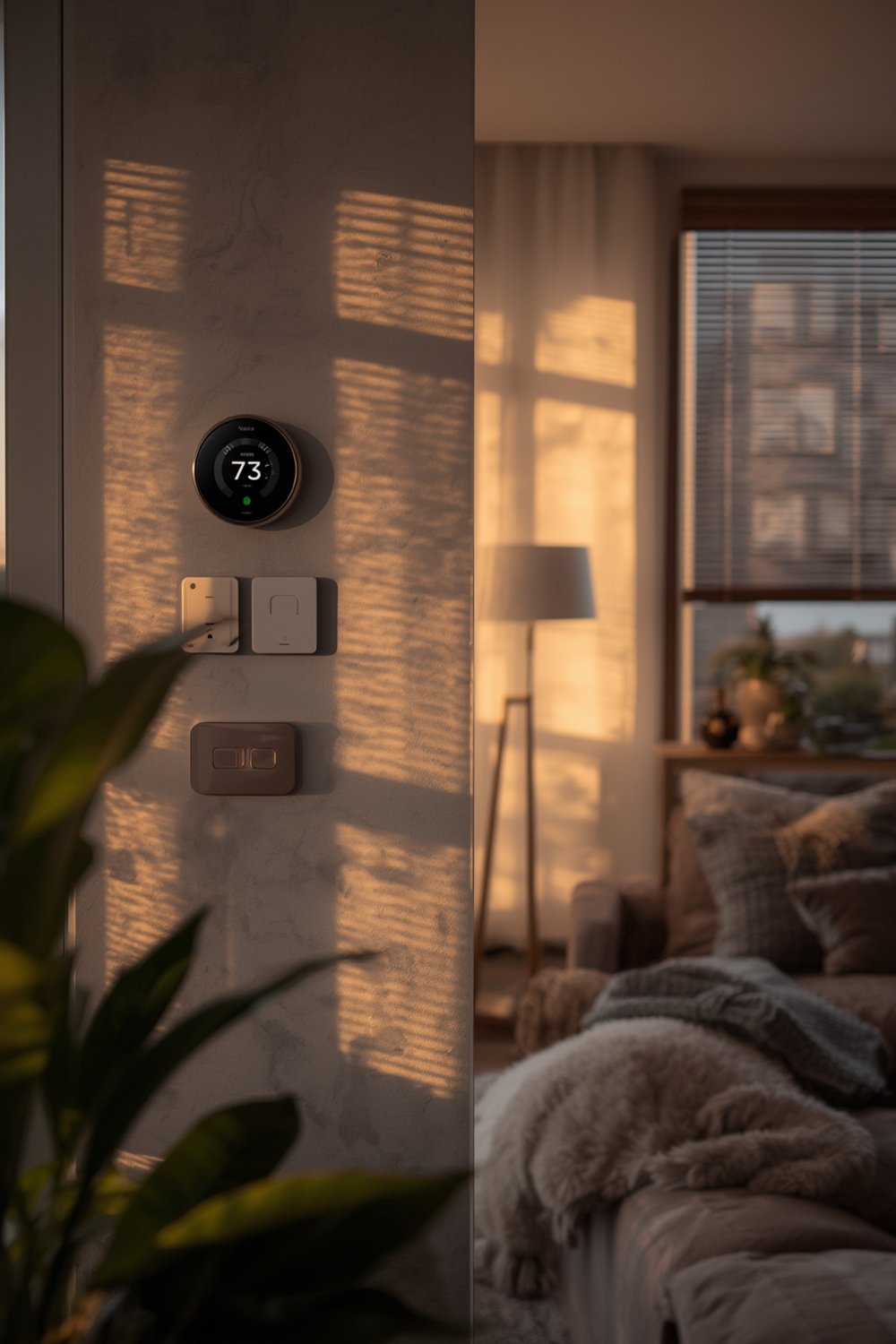
The “why” is twofold: to cut utility costs and to lower your household’s carbon footprint. With heating/cooling, lighting, and plug loads accounting for the majority of residential energy use, small improvements add up quickly—especially if your local utility offers rebates or dynamic rate incentives for smart management.
Actual dollar savings are highly variable. If you’re already efficient, gains might be modest. In typical homes, smart thermostats alone save about 8–15 percent on heating and cooling (source), while smart plugs and advanced lighting controls add a few percentage points more. Combining these with LED lighting or newer, smarter appliances further boosts the results.
Behind the marketing, the real impact depends heavily on what devices you choose, how well you set them up, and whether your daily routines support—or quietly undermine—the intended savings.
How to Get the Most Out Of Your Smart Home Energy Devices: A Step-by-Step Guide
Follow this proven process to boost your energy savings, sidestep typical frustrations, and actually see real savings with smart home devices:
-
Prioritize the Highest-Impact Devices First
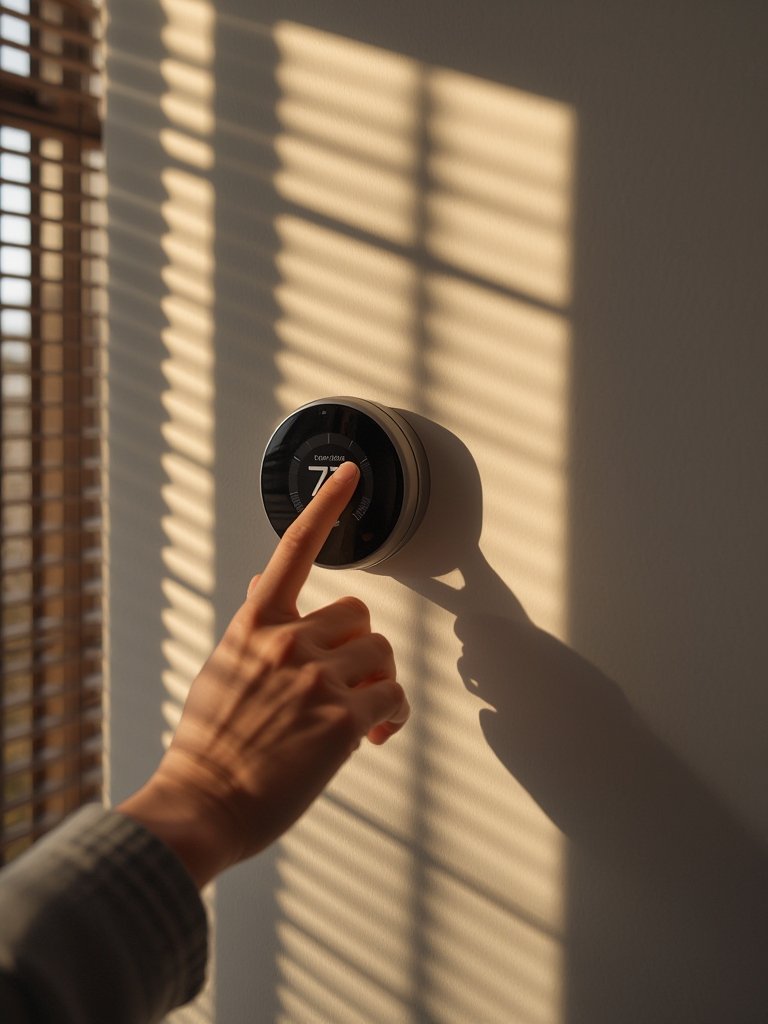
- Start with a smart thermostat if you control your own central heating/cooling (renters: check if your landlord approves).
- Target rooms where lights are most often left on—install smart bulbs or occupancy switches there before touching every fixture.
- Identify “energy vampires” (game consoles, media centers, secondary fridges) to connect to smart plugs with energy monitoring.
-
Choose Devices With Reliable Integrations
- Look for products supporting open standards like Matter and robust app ecosystems, but check recent reviews for reliability concerns and compatibility with your existing setup.
- Research return policies—test new devices within the window so you can swap out anything that doesn’t play nicely together.
-
Set Up Automation—But Keep It Simple
- Program straightforward schedules and geofence triggers (e.g., thermostats set back during work hours or when everyone leaves home).
- Avoid overly complex routines at the start. Use just a few rules and only add more once you’re sure everything’s stable.
-
Monitor Progress—and Adjust for Reality
- Use device apps or utility reports to compare actual usage and bills, not just vendor “energy savings” dashboards. If the numbers don’t match your bill, troubleshoot for setup errors or manual overrides.
- Calibrate or reconfigure devices (especially smart plugs) if readings look suspicious or unreliable (here’s why).
-
Leverage Utility Programs & Rebates
- Enroll in demand-response or time-of-use programs if you can. These often offer bill credits for letting your utility temporarily raise/lower thermostat setpoints during peak conditions.
-
Review and Refresh Automations Every 6 Months
- Firmware updates, changing Wi-Fi, and household routines often break automations over time. Schedule a semi-annual review to test and refine your setup.
-
Expand Only After Success
- Once core devices are running smoothly, consider layering in more advanced setups: plug load analytics, dynamic tariff automation, or smart appliance load shifting.
- For more simple, actionable home upgrades, check out Peel Stick Backsplash for stylish, no-fuss improvements.
If you want to go further with hassle-free, renter-friendly home upgrades, you might also explore
– LEGO Bamboo for sustainable décor ideas
– 4K streaming devices for energy-efficient entertainment
Real-World Results: Advanced Analysis & Common Pitfalls
Here’s what the data—and thousands of real user reviews—reveal about where smart home energy devices excel and where they disappoint:
What Actually Saves Money—Fastest Payback Table
| Device Category | Typical Savings % | Annual $ Savings | Upfront Cost | Common Pitfalls | Payback Period |
|---|---|---|---|---|---|
| Smart Thermostat | 8–15% (HVAC) | $60–$145 | $80–$260 |
|
1–3 years (often under 2) |
| Smart Plugs (energy monitoring) | 10–50% (plug loads*) | $5–$60/plug | $10–$20 per plug |
|
4 months–3 years (varies by device) |
| Smart Lighting | 7–27% (of lighting use) | $8–$60/room | $10–$60 per room |
|
2–4 years; infinite if not used consistently |
| Smart Appliances | 2–9% (whole home) | $30–$135 | $100–$400+ premium |
|
5–10+ years, or never |
*Only if you actually turn off standby devices regularly. Many only monitor usage passively.
Common Frustrations & Failures
- Interoperability gaps: Even with standards like Matter, many smart plugs and thermostats don’t work gracefully together—users face separate apps, broken routines, or forced upgrades that break automations. (ACEEE)
- Confusing energy readings: Plugs or monitors may display odd numbers or mismatched kWh totals due to cheap sensors and bad firmware. Trust but verify—compare to your bill whenever possible.
- “Set and forget” is a myth: Firmware updates, Wi-Fi changes, or new household routines silently break automations. Many users realize only months later that their savings never happened.
- Privacy delays savings: Advanced energy features—like utility demand response—may require giving your energy company limited remote control. Not everyone is comfortable or eligible, so don’t bank on these programs alone.
- Comfort vs. savings: Automated eco modes sometimes make your home too cold or hot. Family “override wars” quickly erase any dollar gains.
- Equity/access issues: Renters and lower-income households face more obstacles—upfront device costs, landlord restrictions, and less control over central HVAC (details). This often leads to lower adoption where savings would matter most.
If you want an energy-saving home update without automation headaches, products like Peel Wallpaper or antimicrobial peel stick tiles offer easy upgrades without complex setup or ecosystem risk.

Conclusion: Are Smart Home Devices That Save Energy Worth It?
Smart home devices that save energy deliver real, measureable gains—if you select the right products and actively use their automation features. For households with control over HVAC and appliances, smart thermostats and plug load management pay back in under two years in many cases. Lighting controls and smart appliances tend to yield slower or smaller returns.
Most pitfalls stem from setup complexity, unrealistic savings expectations, unreliable connectivity, and mismatched device ecosystems. For best results, start with a few targeted devices, secure your rebates, and focus on the automations that fit your habits—not just the ones in the brochure.
Ready to lower your bills and carbon footprint with less hassle? Check local utility incentives, choose thoughtfully, and begin your path with one or two smart home devices that save energy—then expand only as you see real results.
FAQ: Smart Home Devices That Save Energy
How much can I really save with smart home energy devices?
In most typical U.S. homes, expect 5–20 percent bill reduction—if you install multiple devices and actively use automation features. Smart thermostats routinely yield the largest savings, but only if you program setbacks and don’t constantly override eco modes.
Are smart plugs reliable for tracking and reducing energy usage?
Not always. Many budget smart plugs have calibration or firmware issues, resulting in data that doesn’t match utility bills. Stick to reputable brands, and test readings with real appliances before investing in a whole-house rollout.
What are the fastest payback smart devices for renters?
Smart plugs controlling media centers, space heaters, or window AC units can pay back in a single season if you use them to actually shut off standby power or schedule usage based on occupancy.
Do I need to join utility or rebate programs to make these devices worthwhile?
Not always, but utility rebates can help make higher-quality products affordable—or even free. Demand response program participation can add extra credits but comes with some automation and privacy tradeoffs.
What’s the biggest mistake homeowners make with smart energy devices?
They set up complex automations and expect “set and forget” savings—only to discover later that updates, Wi-Fi changes, or family overrides stopped everything months ago. Schedule regular reviews to keep your system running effectively.