

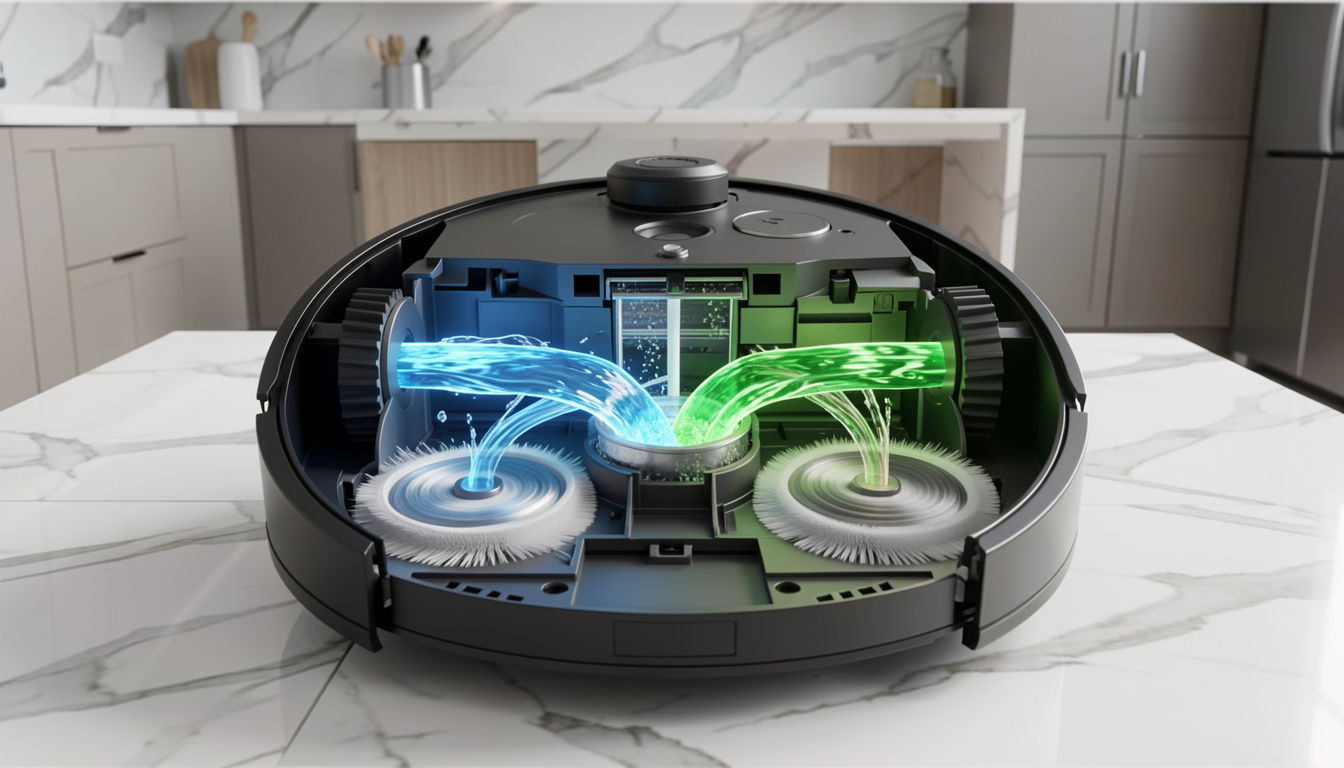
Robot vacuum mop with automatic detergent is changing how premium homes manage floor cleaning, blending convenience with a deeper clean—if you pick the right model and know what to expect.
Key Takeaways
- Automatic detergent systems are now a flagship feature in top mopping robots, but remain rare in most models sold as of 2024.
- Not all detergent-equipped robots outperform water-only models; pad design and maintenance matter just as much for real cleaning results.
- Sticking to manufacturer-recommended solutions and routine upkeep helps avoid clogs, residue, and warranty voids.
- Robot Vacuum Mop With Automatic Detergent: What Is It and Why Now?
- How to Choose and Use a Robot Vacuum Mop With Automatic Detergent (Step-by-Step Guide)
- Advanced Analysis and Common Pitfalls: What Most Buyers Miss
- Conclusion
- FAQ
Robot Vacuum Mop With Automatic Detergent: What Is It and Why Now?
A robot vacuum mop with automatic detergent goes a step beyond basic wet mopping robots by including a dedicated detergent reservoir in the docking station. This system mixes just enough cleaning solution into the water before each mopping run—no more manual guesswork or pouring solutions every time.
Between 2023–2024, brands like Dreame, Roborock, and Ecovacs have made automatic detergent dispensing a key selling point in their high-end “all-in-one” dock systems. This feature is ideal for homes with heavy foot traffic, pets, or kitchen messes, taking one more task out of your weekly routine. It also reduces the risk of over- or under-dosing cleaner, which can leave residue or reduce cleaning power.
The trend toward these robots is driven by real user demand for lower-maintenance, “set and forget” floor care. For anyone who has struggled with filling tanks by hand or forgetting the detergent, the leap to a fully automated, self-mixing station feels like a real upgrade—provided you choose a reliable system and stay ahead of common pitfalls.
Looking for other ways to simplify home upgrades? See our guide on Peel Stick Backsplash options for the kitchen.
How to Choose and Use a Robot Vacuum Mop With Automatic Detergent (Step-by-Step Guide)
-
Decide if auto detergent fits your needs.
If you mop heavy soils, want to avoid manual dosing, and are willing to pay for premium features, focus only on flagship models with built-in automatic detergent tanks. -
Compare flagship models side-by-side.
Focus on Dreame X40 Ultra, Roborock S8 MaxV Ultra, and Ecovacs Deebot X2 Omni. Unlike midrange robots or older Narwal units, these offer fully integrated self-mixing with their own dedicated tanks. For more in-depth reviews, visit RobotObzor’s 2024 best robot vacuums guide. -
Check cleaning solution compatibility and cost.
Most systems are designed for proprietary detergent. Using generic or homemade alternatives risks clogging or warranty loss. Confirm you’ll have easy local access to the official cleaner (and at what ongoing price). -
Install and calibrate correctly.
Place the dock on a level surface, fill both water and detergent tanks as directed, and use the app to select detergent concentration presets (if supported). Confirm initial dosing by checking for streaking or excessive residue on your floors. -
Maintenance is key.
Rinse detergent tanks and run water-only cycles regularly to prevent clogs. Descale hoses if you have hard water. Schedule app reminders for tank cleaning based on your usage. -
Monitor cleaning efficacy and adjust.
If you notice streaks or sticky floors, reduce detergent concentration. For tough stains, pre-treat spots or trigger a higher-dosage mode if available.
Curious how antimicrobial flooring options stack up? See our in-depth guide on antimicrobial peel stick tiles for more on keeping spaces healthy.
For easy room updates, check out these peel and stick Princess Decals—a fast way to change up your space between cleaning cycles.
Advanced Analysis and Common Pitfalls: What Most Buyers Miss
Flagship robots with automatic detergent offer unmatched convenience, but several technical and practical challenges can trip up even tech-savvy homeowners.
| Key Feature | Pros | Cons / Pitfalls |
|---|---|---|
| Automatic Detergent Tank | Set-and-forget convenience, consistent dosing, reduces manual filling | Clogs from improper detergent, maintenance hassle, proprietary solution lock-in, sensor glitches |
| Qualified Cleaning Solutions | Optimized for safety and hardware lifespan | High recurring cost, poor third-party support, risk of warranty void if using homemade mixes |
| Cleaning Efficacy | Better on greasy or sticky kitchen soils, less manual pre-treatment | Only slight improvement on light daily dirt, pad design and dock wash matter more |
| Long-term Ownership | Reduces day-to-day effort, adds to smart-home automation | Potential for leaks, long-term clogs, cost of repairs out-of-warranty, streaks on some floors |
Multiple independent tests have shown that detergent dosing adds only incremental cleaning benefit versus water-only for most daily soils. Where it helps most is on sticky residues and kitchen grease. Key technical issues include:
- Dispenser Clogs: Allowing thick or old detergent to sit can clog lines, requiring deep cleaning or service.
- Residue/Streaks: Over-concentrated solutions can leave visible streaks, especially on LVP and dark tile. Some reviewers suggest diluting more than factory presets for best results.
- Extra Maintenance: Systems with hidden tanks may be harder to rinse and decalcify compared to manual-fill designs.
- Cost Factors: branded detergent is expensive and not always easy to find; pricing can range from $15–40/liter.
- Warranty Risks: Using off-brand detergent—even if “compatible”—often voids the robot’s warranty on the dock and pump system.
Before investing, compare prices: expect to pay $100–300 more for robots with true auto detergent versus otherwise similar “all-in-one” mops that only offer water cleaning. For context, the Dreame X40 Ultra or Roborock S8 MaxV Ultra run $1400–$1900, roughly $300–800 more than advanced water-only flagships. ([Full 2024 price breakdown](https://robotobzor.com/ratings/the-best-robot-vacuums-2024.html) – external link)
Be wary of DIY solutions—most brands warn against anything but their own cleaner, and third-party mixes often risk leaks and damage. If you need to clean unsealed wood, stone, or special finishes, always test in a small spot.
Want more easy home upgrades? Try this Roku Stick 4K streaming solution for effortless entertainment between cleaning cycles.
Conclusion
Automatic detergent robots offer true set-and-forget convenience, but the technology is still maturing. Pad design, regular dock maintenance, and careful detergent usage will go just as far for keeping floors spotless as any upgrade in hardware. If you seek a smarter cleaning system—and don’t mind paying a premium for less daily hassle—a robot vacuum mop with automatic detergent is a realistic next step. Expect ongoing costs, follow the maintenance basics above, and you can count on easier, more consistent cleaning results.
Ready to take the next step? Compare premium models carefully or explore our expert advice on modern peel stick backsplash—then make your move toward a lower-maintenance, cleaner home.
FAQ
Do automatic detergent robots actually clean better than water-only robots?
On heavy grease or sticky kitchen spills, automatic detergent helps, but the cleaning “boost” over water-only robots is moderate for most daily dirt. Pad type, downward pressure, and how often the robot refreshes its pads matter just as much as the detergent.
Can I use homemade or generic solutions instead of the manufacturer’s detergent?
Technically, you might—but most manufacturers caution against it. Non-recommended detergents can cause dispenser clogs, leave residue, or void your warranty. Stick to official low-foam, neutral pH liquids whenever possible.
Is the extra cost for an auto detergent system really worth it?
If you have lots of kitchen or pet messes and value hands-off convenience, the upgrade can be worth it. Expect to pay $100–300 more than similar premium water-only robots, plus an ongoing cost for the branded detergent.
What is the maintenance like for these systems?
You’ll need to periodically flush the detergent tank, run water-only cycles to prevent clogs, and descale hoses if you have hard water. Most owners spend a few minutes every 1–2 months on maintenance if usage is regular.
Does detergent use risk damaging my floors?
As long as your floors are sealed and you stick to manufacturer-approved solutions, you’re safe. Avoid any detergent if cleaning unsealed hardwood, oiled wood, or sensitive stone. Always test new detergents in a discreet spot first.