

Plunge pool cost is the number one question homeowners ask before transforming their backyard or deck into a modern relaxation retreat. Want a low-hassle, high-impact water feature? Here is what you actually need to know—before you sign a contract or start digging.
Key Takeaways
- The average plunge pool cost is $28,000, but real prices vary based on material, size, and installation method.
- Aboveground plunge pools are often less expensive and easier to install, but in-ground and prefab options deliver longer-term value and style.
- Hidden costs like site prep, permits, and maintenance can easily add thousands, so plan for surprises and compare materials closely.
- What Are Plunge Pool Costs (and Why Do They Matter)?
- How to Budget for a Plunge Pool: Step-by-Step Guide
- Advanced Analysis & Common Pitfalls
- Conclusion: Is a Plunge Pool Worth It?
- Frequently Asked Questions
What Are Plunge Pool Costs (and Why Do They Matter)?
“Plunge pool cost” is more than just a number—it’s a mix of materials, installation types, regional pricing quirks, and all the hidden factors most budgets miss. A plunge pool is a smaller, deeper pool built for cooling off, light exercise, or therapeutic routines (like cold plunges). These compact pools fit where traditional pools can’t, and their price ranges are wide.
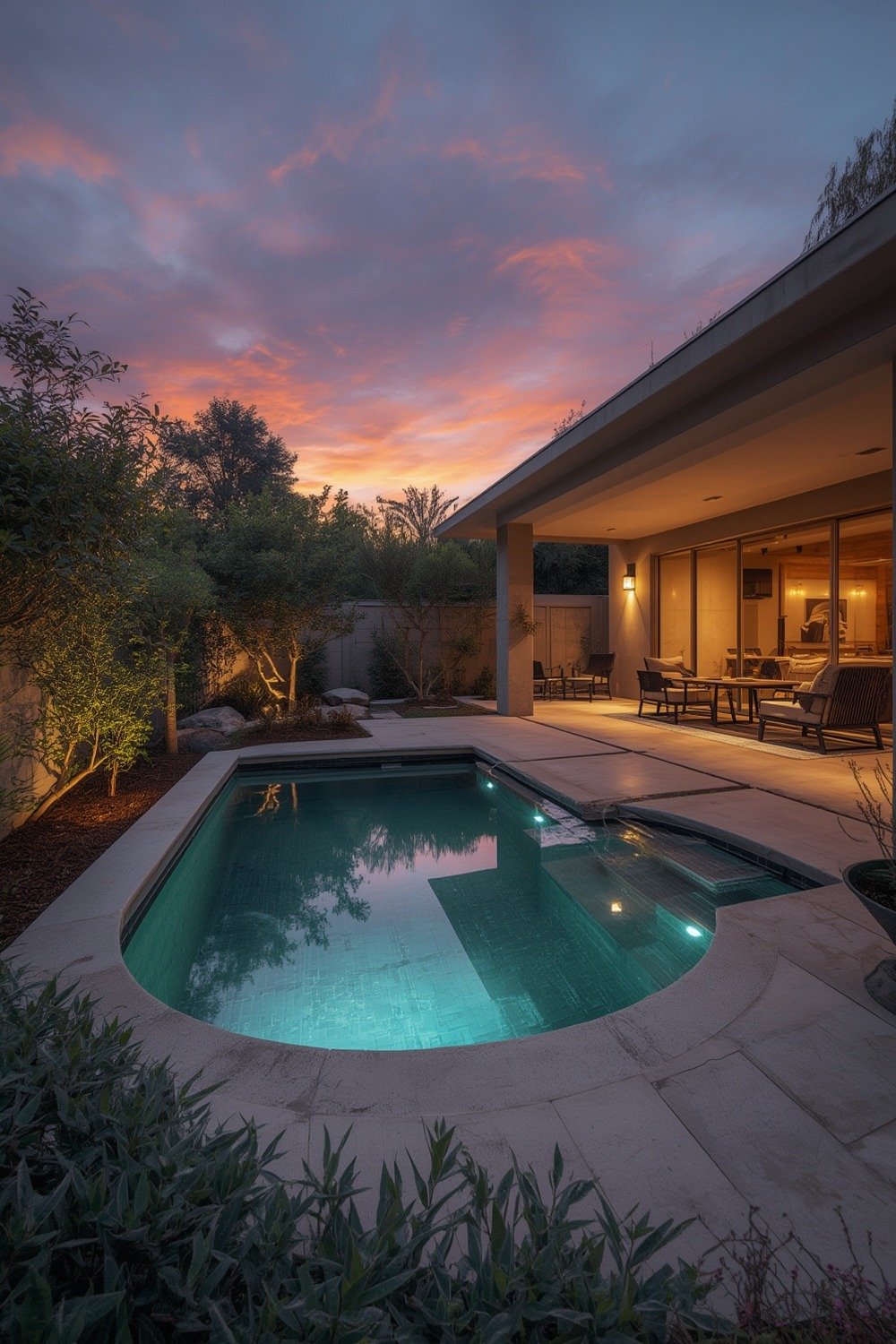
Average Costs: Most homeowners pay between $10,000 and $40,000 for installation. Vinyl-lined models sit at the low end, while fiberglass models are mid-range and concrete plunge pools reach the highest prices. If you’re looking at aboveground setups or shipping container pools, you might find deals as low as $3,000—or premium prefab options for $56,000 plus.
Compared to a traditional backyard pool (which can cost $90,000 or more), plunge pools offer big savings, a smaller footprint, and much faster install times. Still, the “real cost” depends on site prep, accessories, municipal permits, and ongoing upkeep. Understand these key drivers, and you can save thousands on your project or avoid surprise expenses that kill your budget.
How to Budget for a Plunge Pool: Step-by-Step Guide
Here’s how to break down the plunge pool cost and set a budget that covers all the essentials—and catches hidden costs before they wreck your plans:
-
Pick Your Type: Decide if you want an aboveground, drop-in, shipping container, or in-ground plunge pool.
- Aboveground: $3,000–$30,000
- In-Ground (vinyl/fiberglass): $10,000–$55,000
- In-Ground (concrete): $20,000–$75,000
Aboveground pools usually skip permit costs and eliminate big excavation fees, but in-ground pools offer higher property value and more customization.
For more about installation pitfalls, read our cold plunge pool installation guide.
-
Select Material: Vinyl is the cheapest upfront. Fiberglass is low maintenance, saving money over 10–20 years. Concrete gives unmatched flexibility in shape, but comes with higher upkeep.
Material Cost Range Main Benefit Main Drawback Vinyl $10,000–$30,000 Lowest upfront price Frequent liner replacements Fiberglass $18,000–$55,000 Low maintenance Limited shapes/sizes Concrete $20,000–$75,000 Highly customizable High maintenance & repairs For up-to-date flooring or waterproofing ideas in modern homes, visit our guide on LVP flooring trends.
-
Dial In Size & Depth: Average plunge pools are 7’×7′ to 13’×7′, and 4–6 feet deep.
- 4×4 ft: $5,000–$10,000
- 7×7 ft: $10,000–$30,000
- 13×7 ft: $40,000–$60,000
Larger size and custom features (like benches or sundecks) raise costs fast even with prefab options.
- Get Regional Quotes: Pricing swings with local labor, freight costs, and availability. Major cities or counties can charge higher permit or inspection fees. Always request multiple detailed quotes from local installers.
-
Budget for Extras: Shipping, crane rental for delivery, site stabilization or regrading, and landscaping almost always cost extra.
- Prefab delivery/installation can add $3,000–$10,000.
- Site-specific needs (tree removal, uneven ground, access limits) may add thousands more.
Review your HOA and city permit requirements up front. Aboveground pools are usually permit-free, but in-ground models may face surprise paperwork or inspection fees.
See how smart upgrades, like an enclosed porch conversion, can further boost your backyard’s value and year-round use.
- Plan for Ongoing Maintenance: Vinyl liners last 5–9 years. Concrete needs regular resurfacing. Fiberglass needs the least work but must be cleaned and checked for cracks. Filters, pumps, and heaters add to power and chemical bills every month.
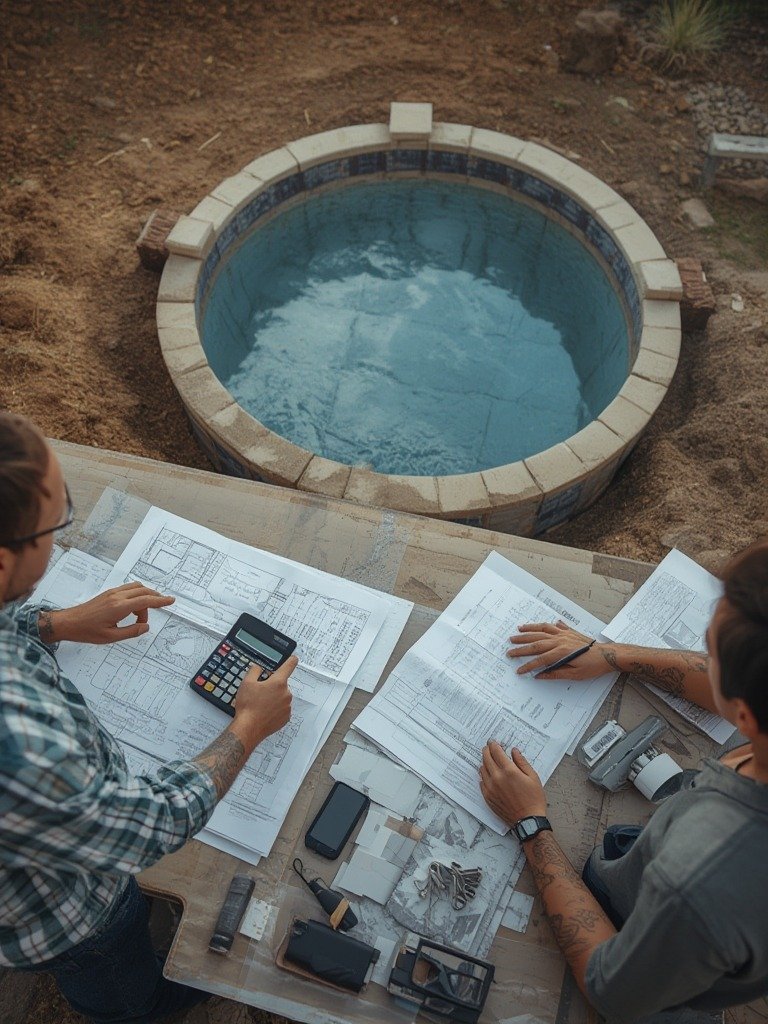
Looking for ways to maximize your warranty? Compare multiple prefab kit providers—some prefab fiberglass pools offer longer coverage than custom concrete models at the same price point. For an overview of simple, waterproof solutions for other projects, explore our reviews of waterproof backsplash tiles.
Advanced Analysis & Common Pitfalls
Even a perfectly planned plunge pool project runs into surprises. Here’s what most guides miss (and what you must factor into your calculations):
Most Overlooked Pitfalls
- Site Surprises: Tree removal, drainage fixes, or unexpected soil stabilization can cost $1,000–$8,000 on tough sites (source).
- Permit & HOA Hurdles: While aboveground plunge pools typically skip permits, many cities require permits, inspections, and even specific safety fencing for in-ground pools. Costs, delays, and paperwork are highly regional. Always check local rules up front.
- Prefab “Hidden Fees”: Delivery, crane, or foundation work is often NOT included in the “base price” of prefab models. Shipping container pool quotes can leave out thousands in required installation or reinforcement costs (source).
- Maintenance Realities: Vinyl liners tear, concrete needs resurfacing, and saltwater systems may void some warranties.
- Heating Costs: Small plunge pools heat faster, but lack of insulation or a winter cover can result in large power bills in northern climates.
Long-Term Cost Comparison
| Type | First Year Cost | 10-Year Total Cost (Estimate) | Key Upkeep Issue |
|---|---|---|---|
| Vinyl Plunge Pool | $10,000–$30,000 | $18,000–$38,000 | Liner replacement, leaks |
| Fiberglass Plunge Pool | $18,000–$55,000 | $23,000–$62,000 | Finish cracks, minor repairs |
| Concrete Plunge Pool | $20,000–$75,000 | $32,000–$91,000 | Resurfacing, chemical use |
Overall, the 10-year cost of a fiberglass plunge pool is usually the lowest, even if upfront pricing looks higher. For alternatives, compare with the estimated $90,000 for a traditional in-ground pool (source).
Design & Trend Insights for 2024–2026
- Top Features: Full-end stairs, sun shelf/benches, bench seating, and 27-mil vinyl liners with galvanized steel walls (source).
- Prefab Sizing: Ranging from 7’×7′ to 20’×12′ in up to 66″ depths; custom concrete designs only limited by your budget.
- Technology Gaps: Few prefab plunge pools include smart pool equipment, variable-speed pumps, or “eco” heating as standard—upgrades may be more affordable than you think, so request options in your quote.
Explore more finishing and decorative options for modern backyards with innovative peel tiles and other easy DIY updates.
Conclusion: Is a Plunge Pool Worth It?
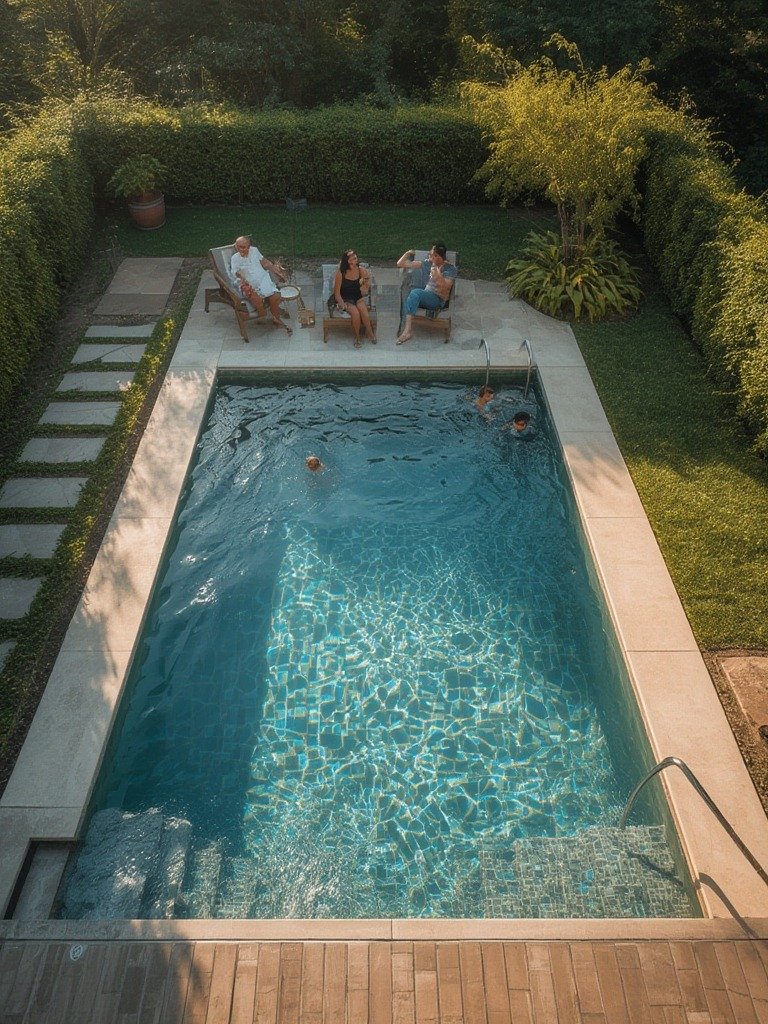
Plunge pools are fast to install, space-savvy, and deliver the luxury feel of a backyard sanctuary for a fraction of the price of a big pool. But plunge pool cost is highly variable and shaped by material, installation region, and small details most guides gloss over. Do your homework, get multiple quotes with all extras in writing, and think long-term on maintenance—not just installation. Ready to start or still weighing options? Get connected with qualified pros, and don’t forget to check out our step-by-step guide for those interested in cold plunge pool installation.
Ready to make your backyard extraordinary? Reach out now for a customized quote or expert consultation, and compare features to build a plunge pool that fits your budget, your style, and your life.
Frequently Asked Questions
How much does a plunge pool really cost to install?
The typical plunge pool costs between $10,000 and $40,000 installed, with aboveground types on the low end and custom concrete or large prefab pools at the high end. Costs will increase with size, depth, material, and any required site work. In large metro areas or with premium features, prices may reach $75,000.
What’s the biggest hidden cost for plunge pools?
Preparation and site-specific work—such as excavation, tree removal, crane delivery, or correcting a sloped yard—can add thousands to the base quote. Always ask for a walk-through onsite assessment, and get all extras explained in writing.
Are plunge pools cheaper to maintain than traditional backyard pools?
Generally yes, because they use less water and have smaller surface areas. That means lower chemical bills, heating, and cleaning costs. However, the exact maintenance costs depend on material choice and local climate—vinyl has liner replacements, concrete needs resurfacing, and fiberglass is usually lowest in upkeep.
Do I need a permit for a plunge pool?
Aboveground plunge pools often do not require permits. In-ground models trigger permit, inspection, and possibly fencing requirements in many areas. Always check with your local municipality and HOA before starting work. Permit and inspection costs will vary widely by location.
How can I increase my plunge pool’s ROI or resale value?
Choose durable, low-maintenance materials (fiberglass or well-built prefab), invest in energy-efficient heaters, and ensure professional installation with full code compliance. Extras like bench seating or sun shelves can boost appeal. For a year-round backyard value boost, consider pairing your pool with an enclosed porch conversion.