

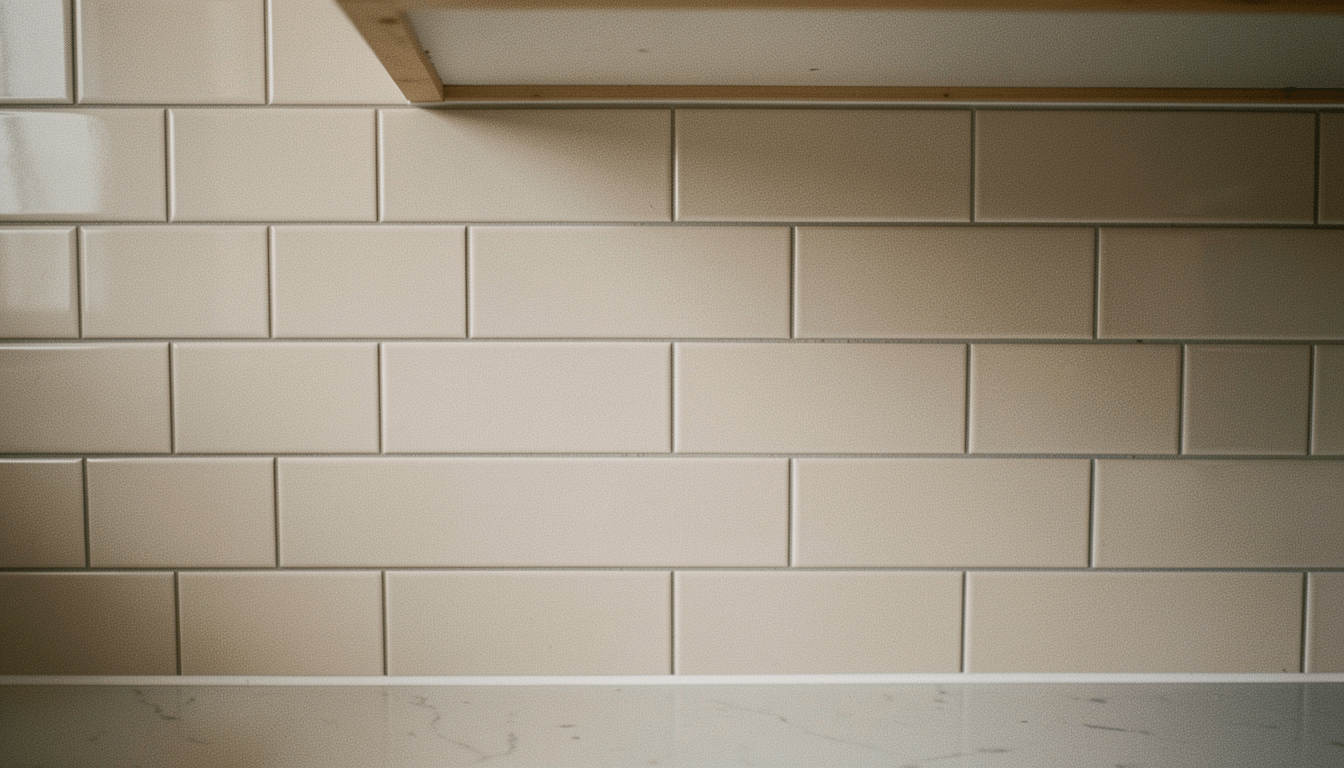
Peel stick tile for rental kitchen is a fast-growing solution for renters wanting a stylish, damage-free upgrade without risking the security deposit. Here’s the no-nonsense, actionable guide to transforming your kitchen backsplash—without getting on your landlord’s bad side.
Key Takeaways
- Peel stick tile backsplash market is on a sharp rise, doubling in size by 2032—driven by affordable, renter-friendly options.
- Not all “renter-safe” tiles guarantee residue-free removal; be selective about material, adhesive quality, and certifications.
- Installation is quick with the right prep, but pitfalls like grout alignment and older walls still trip up even careful DIYers.
- What is Peel Stick Tile for Rental Kitchen, and Why Use It?
- How to Install Peel Stick Tile for Rental Kitchen (Step-by-Step)
- Advanced Analysis and Real-World Pitfalls
- Conclusion
- FAQ
What is Peel Stick Tile for Rental Kitchen, and Why Use It?
Peel stick tile for rental kitchen is a temporary backsplash solution designed so renters can add high-impact, stylish upgrades without needing construction or causing damage to existing surfaces. Made from materials like vinyl, metal, glass, or engineered stone, these self-adhesive tiles stick firmly but are meant to peel off cleanly at the end of your lease.
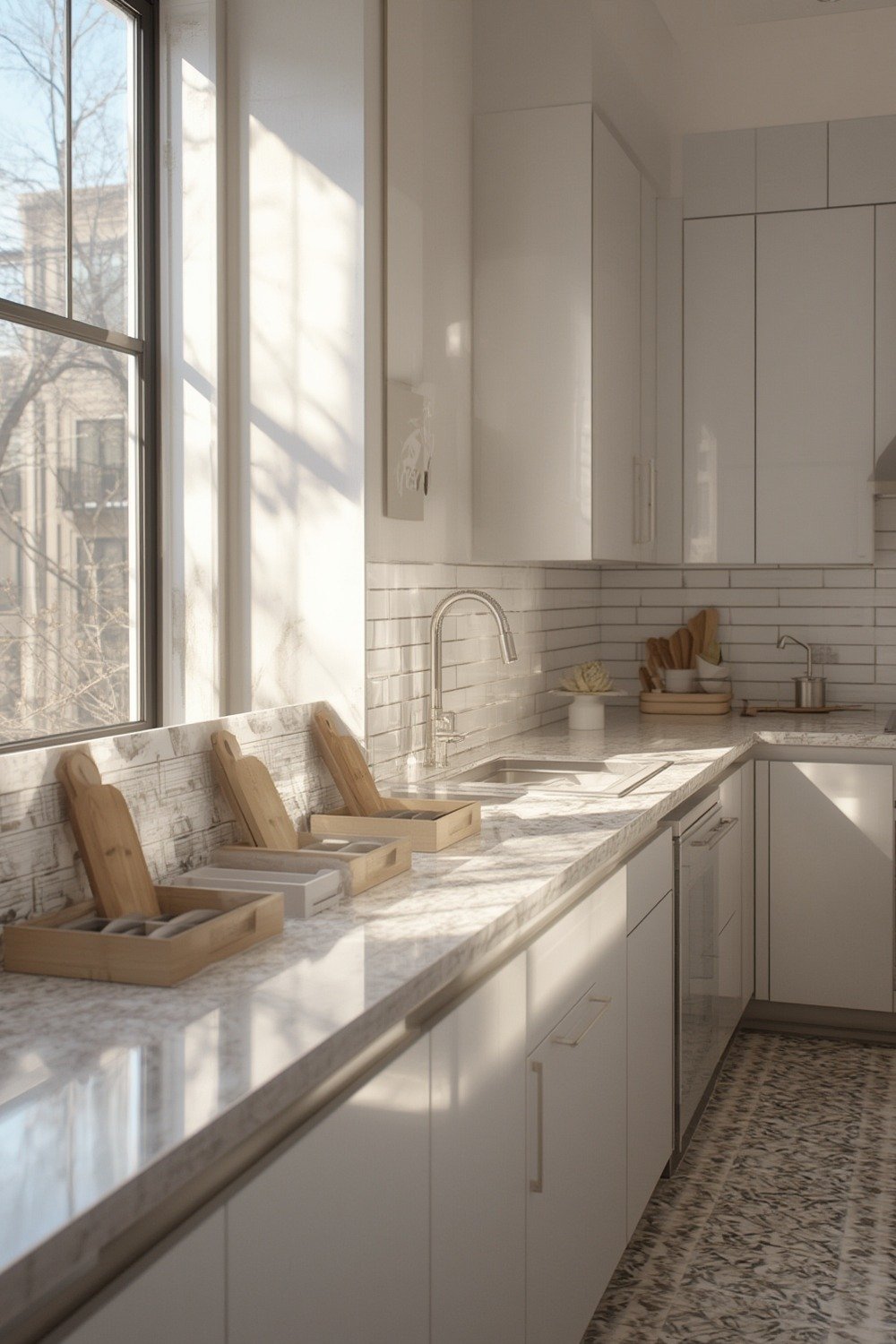
The market for peel stick backsplashes has exploded, valued at USD 1.2 billion in 2023 with projections surpassing USD 2.5 billion by 2032. Renovating rentals with these products is driven by modern design trends, the DIY mindset, and the need for solutions that skip the contractor—especially for apartment dwellers and short-term renters.
Not all products are created equal, and your choice should be informed by actual performance—especially when it comes to removal, which is the biggest concern for lease compliance and deposit returns.
Curious about how peel stick tiles compare with classic waterproof options? See our deep-dive on waterproof backsplash tiles for more on quality, durability, and value.
How to Install Peel Stick Tile for Rental Kitchen (Step-by-Step)
- Choose your tile wisely. Look for renter-friendly labels, and when possible, certifications like GREENGUARD Gold for low VOCs. Vinyl backed with a laminate overlay is the go-to for easy removal, but metals and glass create a more custom look for longer stays. Make sure the adhesive is low-tack but robust enough for kitchen moisture.
- Prep the backsplash area. Tiles adhere best to smooth, clean, and dry walls. Scrape off old debris, fill uneven spots, and give the wall a good once-over with a gentle, non-oily cleaner. If you’re worried about adhesive, test a small patch behind an appliance first.
- Measure twice, plan your layout. Map out your design before you peel anything. Start in the center for symmetry or from one side if you need to hide awkward edges. Mark reference lines using a level to avoid tilting rows or mismatched grout lines.
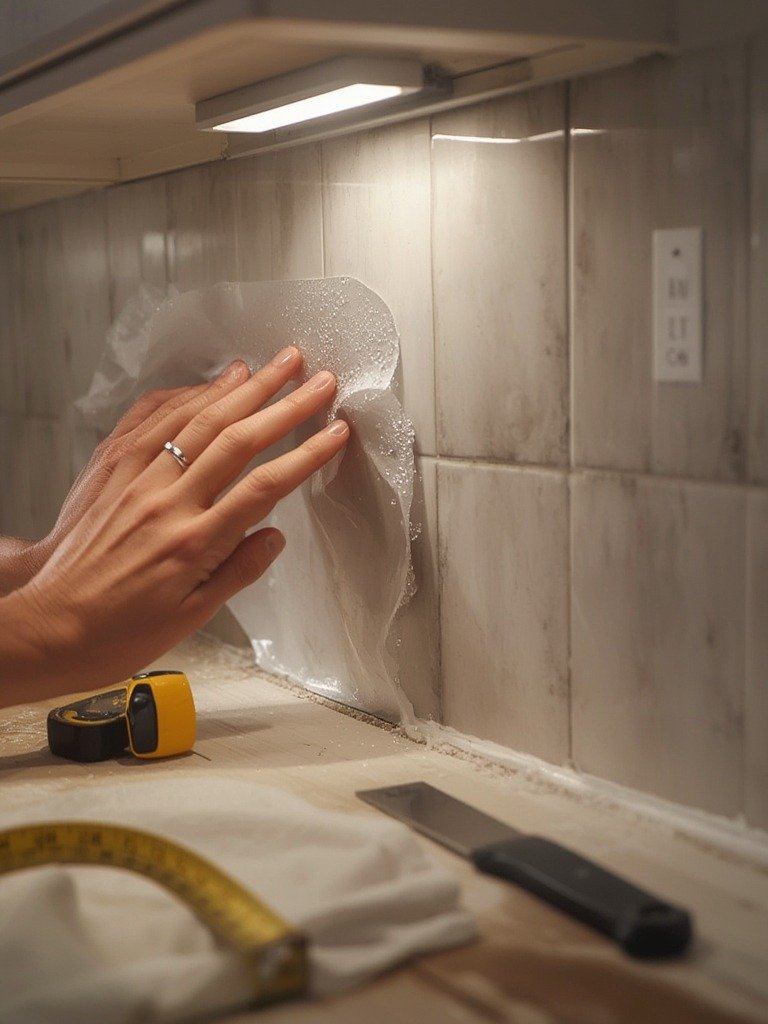
- Peel and stick—gradually. Remove the backing only as you go. Place each tile, pressing firmly from center outward to avoid air bubbles. For thicker stone or metal tiles, use a rubber roller for even pressure.
- Trim to fit edges and obstacles. Use a sharp utility knife or shears for vinyl and thinner materials. For metal or glass, have a glass cutter or small power tool ready. Fit carefully around outlets and corners for a seamless appearance.
- Seal edges (optional, but smart). A tiny bead of removable caulk along the outer edge helps defend against splashes and makes removal easier. Just avoid anything permanent or caulk that stains.
See detailed recommendations on waterproof performance in our comparison of waterproof backsplash tiles.
Want more long-term, high-impact updates? Discover clever options in enclosed porch conversions or check out modern flooring with LVP flooring trends.
Advanced Analysis and Real-World Pitfalls
While most peel stick tile for rental kitchen projects go smoothly, issues do come up—especially when products are chosen by looks alone instead of performance claims or third-party certifications.
Common Pitfalls (What Renters Say and What the Data Shows)
- Adhesive Residue and Wall Damage:
- Grout Line Issues: User reviews mention challenges lining up grout for faux-stone or mosaic patterns. Misaligned rows stand out and can make the job look DIY in the wrong way.
- Peeling or Lifting in Humidity: In kitchens with poor ventilation or over sinks and stoves, persistent humidity can cause the edges of some tiles to curl.
- Lack of Certifications: Very few products openly list fire ratings, low-VOC inks, or removal guarantees. For example, GREENGUARD Gold Certified ink is available on certain vinyl tiles, but many major guides don’t address these safety and landlord-approval elements. (source)
- Higher-than-Expected Costs: While the pitch is budget upgrades, a quality peel stick backsplash for a small kitchen can run around $200 (without precise per-square-foot costs publicized), which rivals simple ceramic tile jobs in some markets. (source)
| Material | Appearance | Typical Pitfalls | Best Use Case |
|---|---|---|---|
| Vinyl | Matte, glossy, or faux-stone | May yellow with heat, lower-grade glues can peel or damage walls | Quick upgrade for any kitchen; easy removal |
| Metal | Sleek, modern, metallic shine | Edges may lift, challenging to trim, not all adhesives hold up in moist air | Behind cooktops and busy prep zones |
| Glass | Bright, reflective, accent feature | Higher cost, brittle if mishandled, poor performance on rough walls | Accent in bright, open kitchens |
| Stone (faux/granite/marble) | Natural, rustic, or luxury look | Heavy, thick, sometimes awkward to install; usually more permanent | Longer-term rentals with patient application |
Wondering how these new tile choices stack up to classic floors? See our step-wise review of peel tiles for floors.
If you’re concerned about surface protection, organizing, or creating extra layers under your backsplash, read about cork liner tricks for added resilience.
Conclusion
Peel stick tile for rental kitchen upgrades can completely refresh your space—on your timeline and budget—without risking your lease. While trends are driving stylish options and easy installs, attention to prep, material choice, and residue-free removability is essential if you want hassle-free results at move-out.
Ready to upgrade your kitchen? Review the steps above, choose tested products, and enjoy a kitchen that feels truly yours—even if only for one lease term. Still researching? Browse top-rated waterproof backsplash tiles or explore the newest design trends for 2024 before you decide.
FAQ
Do peel stick tiles ruin rental walls?
High-quality peel stick tiles marketed as renter-friendly, especially with vinyl or certified low-tack adhesives, should not ruin painted walls. However, there’s always a small risk on older paint or poorly prepped surfaces. Test a single tile before completing a large job.
How do I remove peel stick tile without leaving residue?
Begin at one corner and peel slowly, pulling parallel to the wall to avoid tearing paint. Warm the adhesive for stubborn spots with a hair dryer set to low. Wipe any leftover residue with gentle soap and water—avoid harsh chemicals.
Are peel stick tile backsplashes really cheaper than ceramic?
Usually yes—especially if you factor in saved labor and zero demolition. Expect a small kitchen backsplash project to range from $100 to $250. Compare to ceramic where materials run lower, but labor and repairs (if you move out) are higher.
Which designs are trending for 2024 in rental kitchens?
Greens, natural stone looks, and metallic designs dominate for 2024. Faux marble and hand-painted looks also score high for modern rentals seeking personality without permanence. For more, see the 2024 green backsplash trend guide.
What should I check in my lease before installing peel stick tiles?
Look for clauses on wall alterations, adhesives, or fasteners. If unclear, get written permission or stick to completely removable solutions that leave no trace. Keep proof of product claims and your prep process in case the landlord raises concerns.