

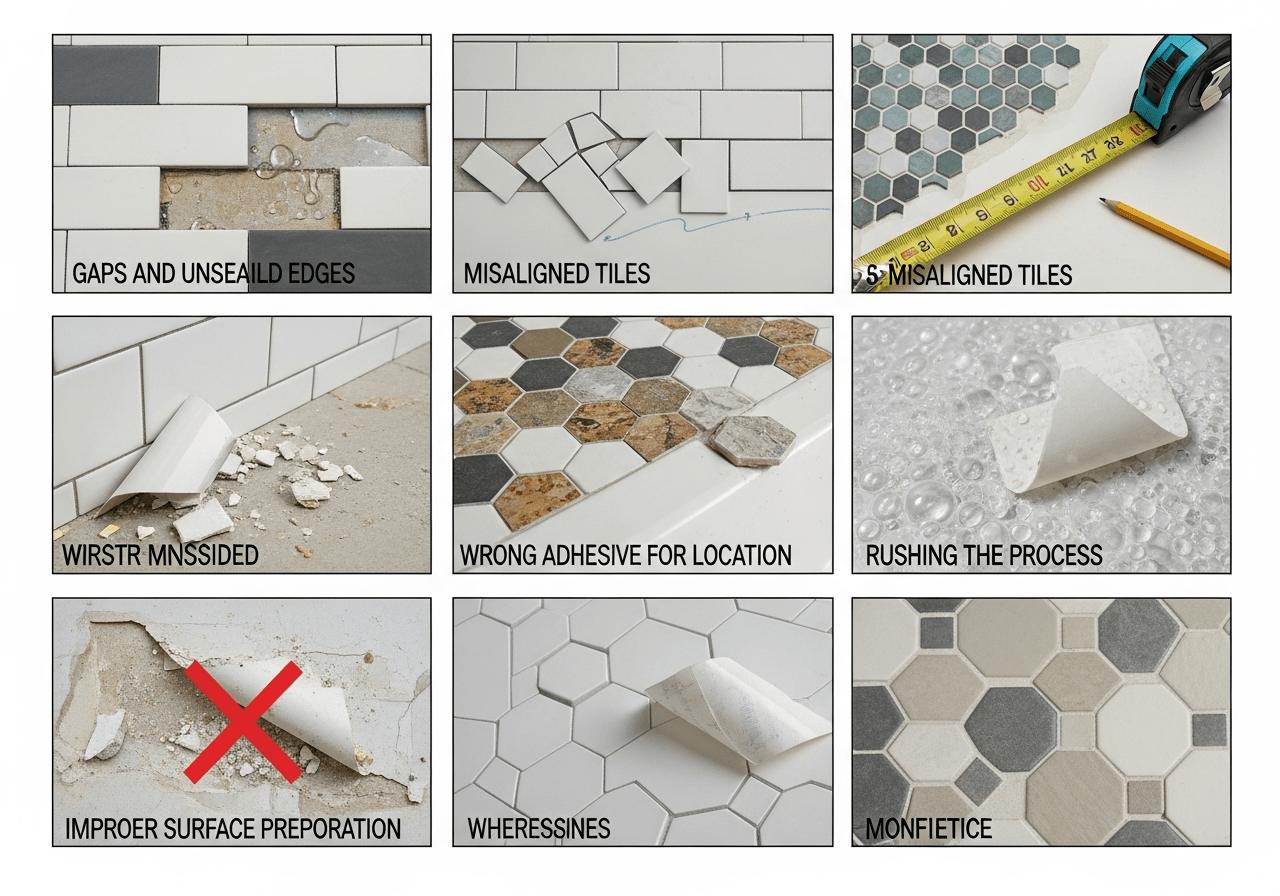
Peel stick tile installation mistakes can turn a fast home upgrade into a frustrating DIY disaster. If you want your peel-and-stick tiles to last—and avoid messy damage or wasted money—understanding the most common errors is critical.
Key Takeaways
- Skipping surface prep and barrier layers leads to major adhesive failure or wall damage during removal.
- Tiles stick better and remove cleanly if installed using tested substrates like quality contact paper or thin wood panels.
- Adhesive strength, moisture, and poor material choices are the main pitfalls—fixing these mistakes adds hours and hidden costs.
- What Makes Peel Stick Tile Installation Fail?
- How to Avoid Mistakes: Step-by-Step Guide
- Advanced Analysis & Common Pitfalls
- Conclusion
- FAQ
What Makes Peel Stick Tile Installation Fail?
Peel-and-stick tiles have exploded in home improvement for backsplashes and floors. They promise fast, no-mess upgrades—just peel, stick, and enjoy. However, many fail because of poor adhesive performance, wrong surfaces, or rushed prep. Manufacturers rarely advertise how stubborn their adhesives can be when it comes time to remove the tiles, and bad installs often lead to repairs, wasted product, and wall damage.
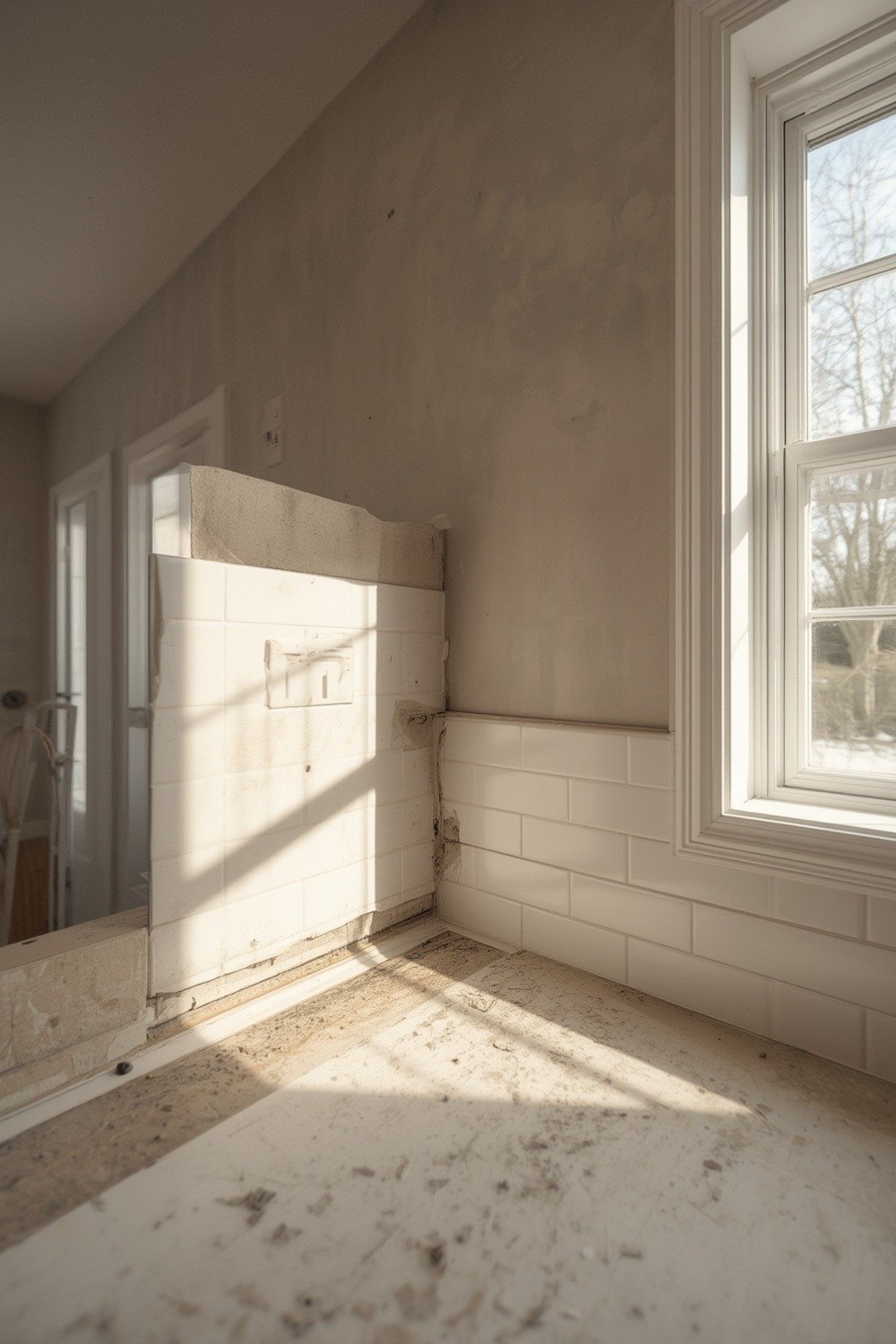
Unlike traditional tiles, these products depend on surface compatibility and the user’s prep work. Lifting, curling edges, or entire tiles popping off happen most in spots with water, heat, or on dusty and painted drywall. According to industry experts, premature failure is rarely about the tile product—it’s nearly always about mistakes or shortcuts during installation.
How to Avoid Mistakes: Step-by-Step Guide
Get long-lasting peel-and-stick tile results with these proven steps:
-
Plan Your Design
Measure your wall or floor. Buy at least 10% extra tiles for errors or patches (see our detailed step-by-step for floors). Lay out your pattern dry before peeling the backing to avoid misfits. -
Prep the Surface
Remove dust, grease, and loose paint. Avoid installing on raw drywall, glossy paint, or existing laminate unless you protect it. -
Add a Barrier Layer
For walls, apply a layer of removable contact paper (test first) or secure a thin wood panel using Command Strips.
Why not stick directly? Applying tiles to drywall or laminate means adhesive can pull paint or stain, or leave residue during future removal. See this in-depth real-world test for examples. -
Dry-Fit and Mark
Use a pencil to lightly mark guidelines. Start from the center or a focal point for best alignment. -
Peel and Stick Carefully
Remove adhesive backing. Press tiles firmly, starting from one edge and smoothing to avoid bubbles. Overlap edges tightly. -
Press with Pressure
Use a wallpaper roller or stiff smoothing tool to ensure full adhesive contact. -
Seal Edges (If Moisture Prone)
For kitchens or bathrooms, run a bead of clear caulk along edges to prevent water from seeping behind tiles (see more on waterproof options). -
Check After 24 Hours
Press on every tile. If any corners or edges lift, press again or add a few drops of construction adhesive sparingly as a touch-up.
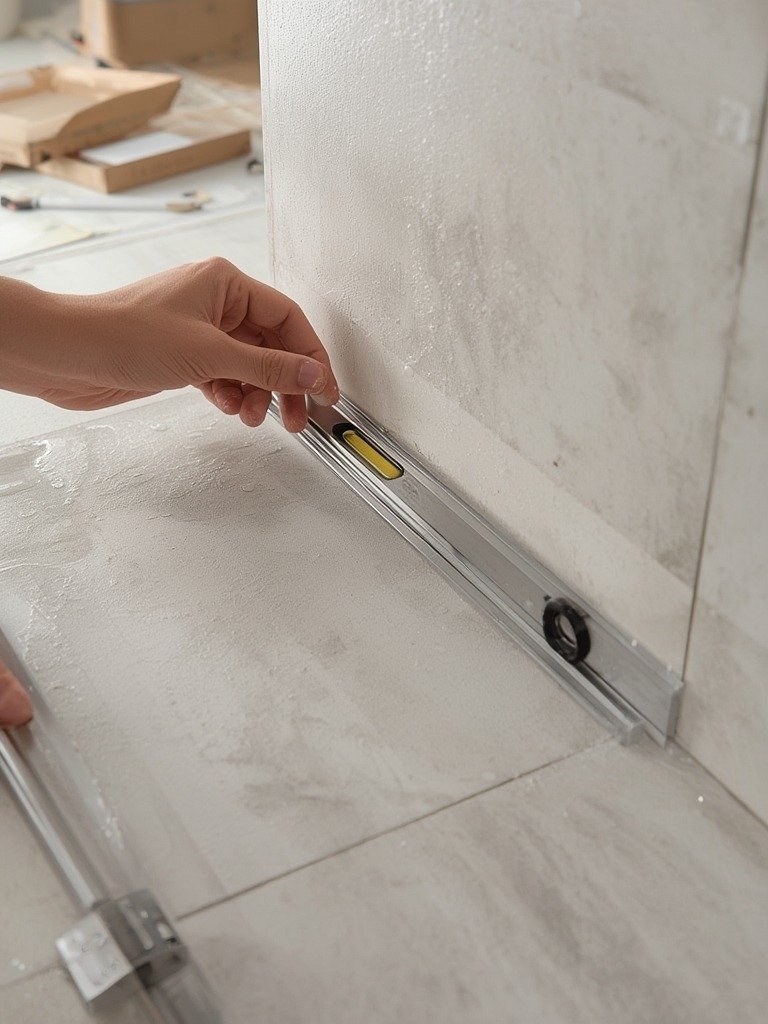
Tile Removal That Doesn’t Wreck Your Walls
- Soften the Adhesive First
Use a hair dryer or heat gun to gently warm each tile for 20–30 seconds, focusing on the edges. - Careful Prying
Insert a flathead screwdriver or spatula under a corner. Pry steadily but gently. Don’t rush—ripped substrate equals a repair bill. - Remove Residue
After all tiles are up, rub away sticky residue with a damp sponge and mild cleaner. For stubborn spots, use isopropyl alcohol or a commercial adhesive remover. - For Wood Barrier Panels
Detach the entire thin wood sheet from the wall by pulling the Command Strips (or removing temporary nails). This method greatly reduces the risk of wall repair or repainting.
Expect 3 or more hours for full removal of a medium backsplash. Tiles often bend and become unusable. But if you used a quality barrier or panel, cleanup is much simpler and wall repair is minimal.
Advanced Analysis & Common Pitfalls
The promise of peel-and-stick is speed and cost savings, yet real-world complaints prove it’s easy to end up with loose tiles, ugly edges, or ruined walls. Analyzing hundreds of user reviews and expert case studies, the most common issues are below.
| Problem | Source Surface | Typical Symptom | Fix / Prevention |
|---|---|---|---|
| Tiles Lifting or Peeling | Painted Drywall Glossy Laminate |
Edges curl up or full tiles fall off within months. | Clean and degrease. Apply quality contact paper or wood panel before tile install. Use a roller for pressure. |
| Adhesive Too Strong or Leaves Residue | Directly on Wall | Removes drywall paint or leaves sticky residue during removal. | Use removable barriers. Test adhesion limits before full install. |
| Cheap Intermediary Paper Tears | Brittle Contact Paper or Wallpaper | Tiles and backing split, leaving paper bits and glue stuck to the wall. | Test sample first. Only use tough contact paper or thin plywood/luan board. |
| Moisture Behind Tiles | Kitchen, Bath, Above Sinks | Tiles shift, separate, or grow mold over weeks or months. | Seal edges with clear caulk. Wipe splatters immediately. Consider waterproof tile varieties. |
| Expensive Rework | Any Unprotected Surface | Hours of scraping, sanding, or repainting during tile changeout. | Install with removable substrate. Budget for 10–30% extra time/cost if skipping steps. |
User reviews repeatedly cite adhesive failure—tiles popping or uncurling, especially in damp or steamy areas (see real user issues and technical adhesive considerations). Floor installations face unique problems due to cleaning abrasion and rolling weight. If you want an even more durable and up-to-date flooring guide, visit LVP flooring trends.
Cheap contact paper or thin wallpaper as a base often fails—tearing under the weight of rigid tiles or when removing with heat and pressure. Consider a sturdier substrate like luan plywood for best results. If you’re thinking about other room transformations, also check our guide to enclosed porch conversion and related DIY projects.
When mistakes happen, rework can be costly. Tiles themselves range from $0.50 to $25 per square foot. Factor wasted material, 2-3 hours of removal, possible wall patching, and you can see why prep, barrier layers, and careful install matter so much (cost analysis here).
Conclusion
Peel-and-stick tiles are a smart DIY option—but they’re unforgiving if you miss a step. Using a tested removable barrier, prepping your substrate, and respecting the adhesive’s strength are all that stand between you and weeks of frustration. If you avoid the most common peel stick tile installation mistakes, your space will look great and cleanup will be painless later. Questions? Check out our detailed resources or explore the latest comparisons on waterproof backsplash tiles. Don’t forget to review our guides on peel tiles for floors and other essential DIY products before your next project.
FAQ
Can I put peel-and-stick tiles directly on painted drywall?
It’s risky. Adhesives often pull off paint or drywall paper during removal, leading to costly patches. Always test a single tile first or use removable contact paper or a thin wood panel as a barrier.
How do I keep tiles from falling off in a kitchen or bathroom?
Clean and degrease the substrate, use quality removable contact paper or thin wood behind the tiles, and seal all edges with clear caulk to prevent water intrusion.
Is it possible to reuse peel-and-stick tiles after removal?
No. The adhesive typically isn’t reusable, and most tiles bend or distort during the removal process—plan to use new tiles each time you upgrade.
What’s the fastest way to remove tiles without wall damage?
Use heat (hair dryer or heat gun) to soften the glue first, then slowly pry up tiles with a flat tool. If installed on a wood panel with Command Strips, simply detach the whole panel.
How do the costs of correcting mistakes compare to a fresh installation?
Expect to spend extra on new tiles (often $0.50–$25 per sq ft) and several hours cleaning adhesive or patching walls. Using a barrier is the best way to avoid these hidden correction costs.