

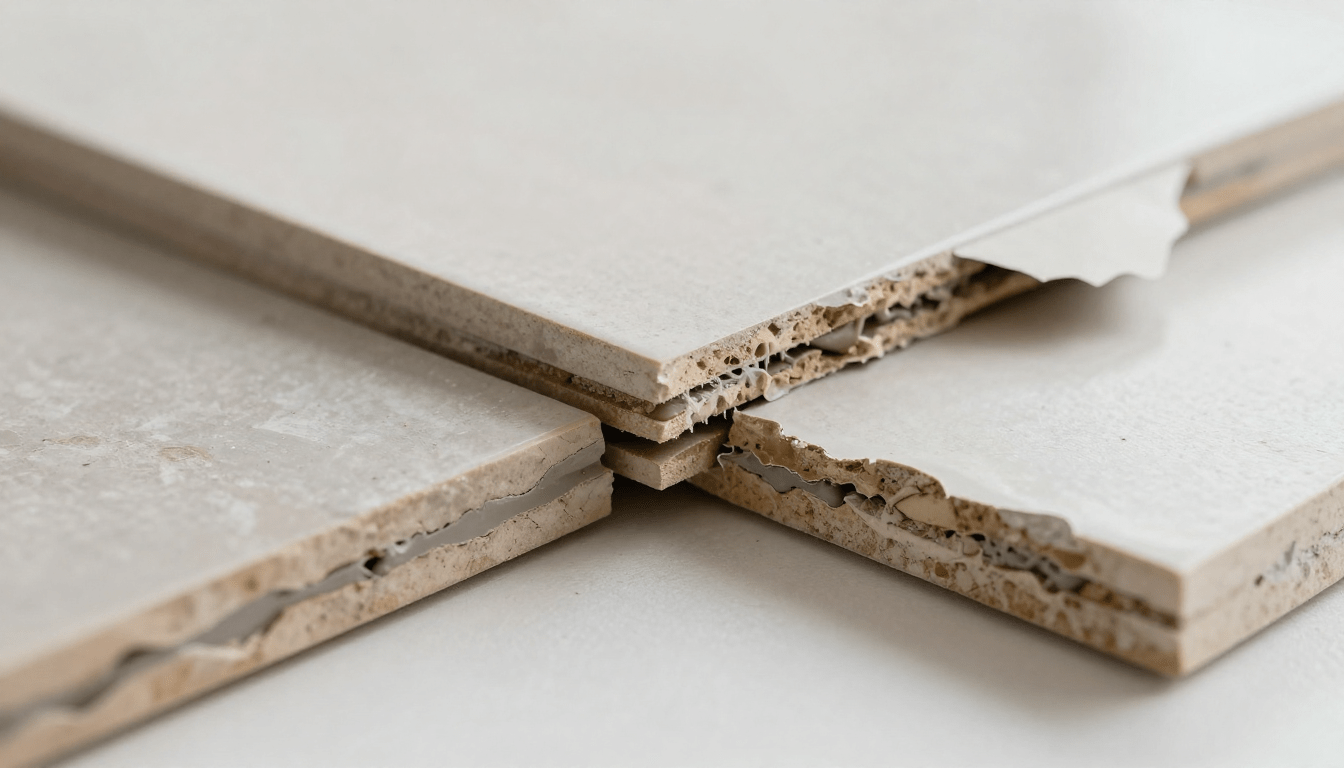
Peel stick tile durability review is a hot topic for anyone weighing fast, affordable flooring and backsplash upgrades against long-term results. Are peel and stick tiles worth it? How long do they actually last, and what can go wrong? This guide reveals what the performance data, user reports, and real-world testing really say—before you commit.
Key Takeaways
- Peel and stick tile durability greatly depends on installation quality, surface preparation, and environment—expect 3-5 years on average in ideal conditions, with some premium products reaching 10+ years.
- The biggest issues are adhesive failure, moisture intrusion, and visible wear, especially in wet or high-traffic areas.
- Traditional tiles outlast and outperform peel and stick by decades, making them more cost-effective long term.
- What Impacts Peel and Stick Tile Durability?
- Step-by-Step Guide: Maximizing Peel and Stick Tile Lifespan
- Advanced Analysis & Common Pitfalls
- Conclusion
- Frequently Asked Questions (FAQ)
What Impacts Peel and Stick Tile Durability?
Peel and stick tiles—also called self-adhesive or stick-on tiles—promise an easy, budget-friendly solution for floors and walls. But their true durability is shaped by three main factors:
- Product quality: Higher-quality tiles (especially thicker and with UV or moisture resistance) last longest. Cheaper options may fail faster, showing wear or adhesive issues within a couple of years.
- Environmental exposure: High moisture, sunlight, temperature swings, and heavy foot traffic all speed up aging and adhesive breakdown. Kitchens, bathrooms, and sunrooms are problem zones.
- Installation prep: Clean, dry, and smooth, clean, dry surfaces are critical. Any shortcuts here almost guarantee early edge lifting, sliding, or bubbling.
While a few manufacturers boast up to 25 years of service, the consensus—even from top-rated products—is 3 to 5 years of good looks on well-prepped, low-traffic areas. Some premium options may push closer to a decade, but this is the exception.
Read about real installation steps for modern peel tiles to see preparation and product choice in action.
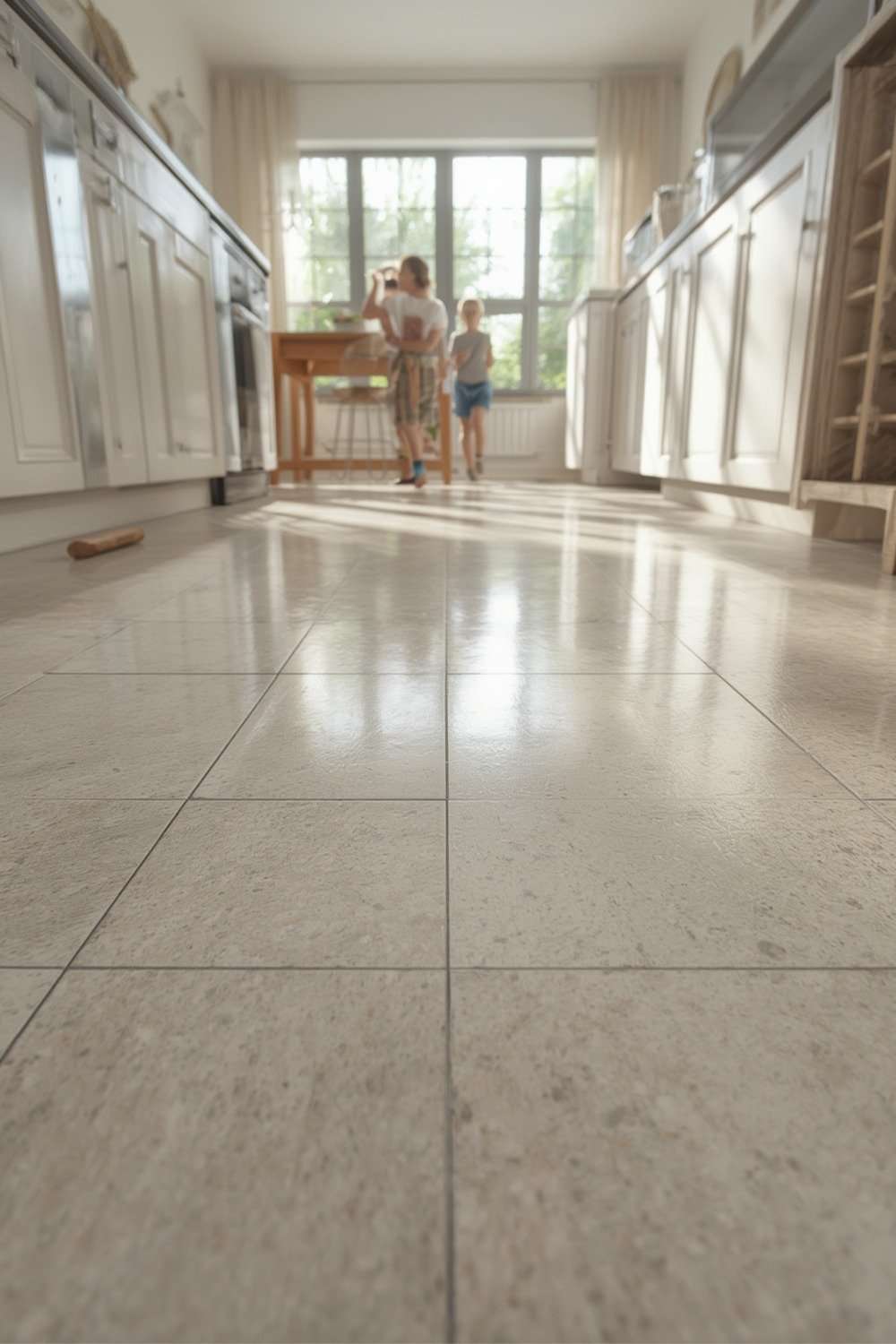
Step-by-Step Guide: Maximizing Peel and Stick Tile Lifespan
Follow these steps for the longest-lasting, best-looking peel and stick tile installation—whether you’re tackling floors, kitchen backsplashes, or accent walls:
- Choose Quality: Not all peel and stick tiles are created equal. Look for thick vinyl, UV-resistant, and water-resistant labels from reputable brands. Skimping here means rescheduling for repairs sooner than you think.
- Prep Your Surface: The surface must be smooth, clean, dry and free of any residue or dust. Scrape away old adhesives, fill holes, and use a degreasing cleaner—this step is nonnegotiable for a long bond.
- Acclimate Tiles: Leave the tiles in your installation room for at least 24 hours. This prevents heat or cold shocks, minimizing expansion or contraction after application.
- Lay Out a Dry Run: Arrange your tiles on the floor or wall (without peeling the backs) to plan patterns and cuts in advance. This prevents headaches on installation day.
- Install with Pressure: Press each tile firmly—especially around edges and corners—to maximize adhesive contact. Use a Install with Pressure roller or flat tool. Take your time!
- Treat the Edges Carefully: Avoid letting water, dirt, or air creep under tile seams. Where possible, use a waterproof sealant at edges—especially near sinks, stoves, or tubs.
- Protect from Wear: Use furniture pads, avoid dragging objects, and limit the use of sharp heels or dirty shoes on the tiles. Clean gently with a damp cloth and mild cleaner.
Bathrooms need extra attention. See our expert waterproof backsplash tiles guide for proven tips and tested products.
For more on design trends with longer-lasting floor finishes, explore LVP flooring trends. LVP offers similar DIY installation with greater long-term durability.
Advanced Analysis & Common Pitfalls
No peel stick tile durability review is complete without the flaws: Here’s what the performance research and real-world users reveal about where peel and stick often falls short:
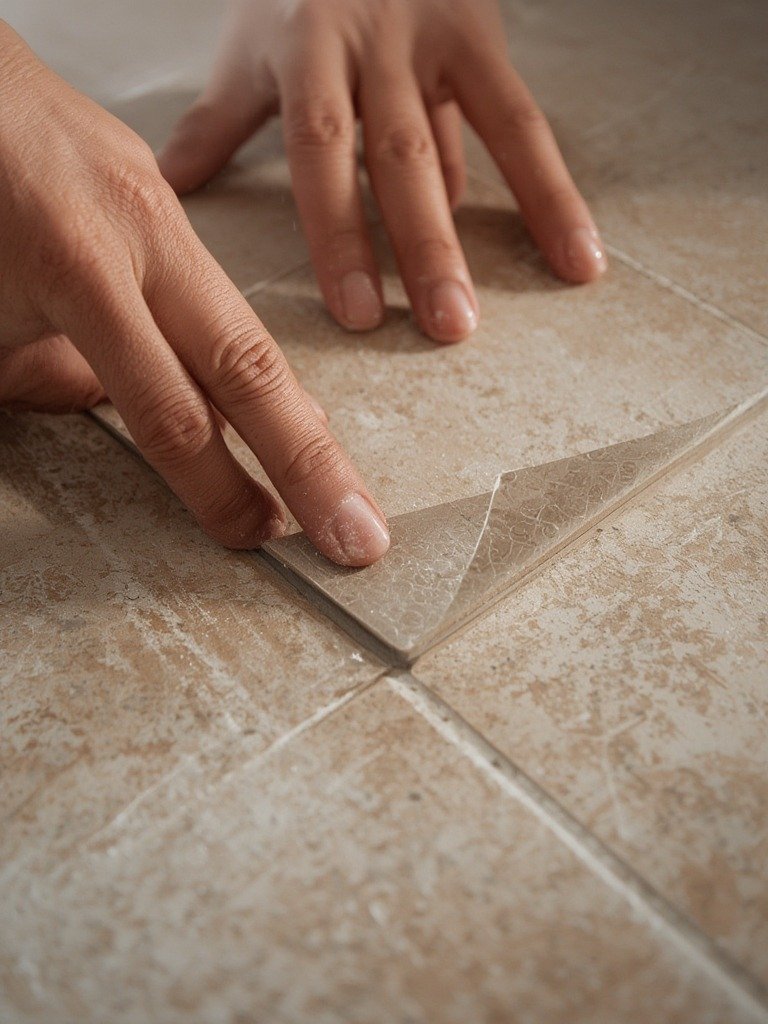
- Adhesive breakdown: Edges lifting, tiles sliding, or full sections buckling—especially on uneven, cold, or damp surfaces. Adhesive failure accelerates near heat, in sunlit rooms, or in bathrooms and kitchens [source].
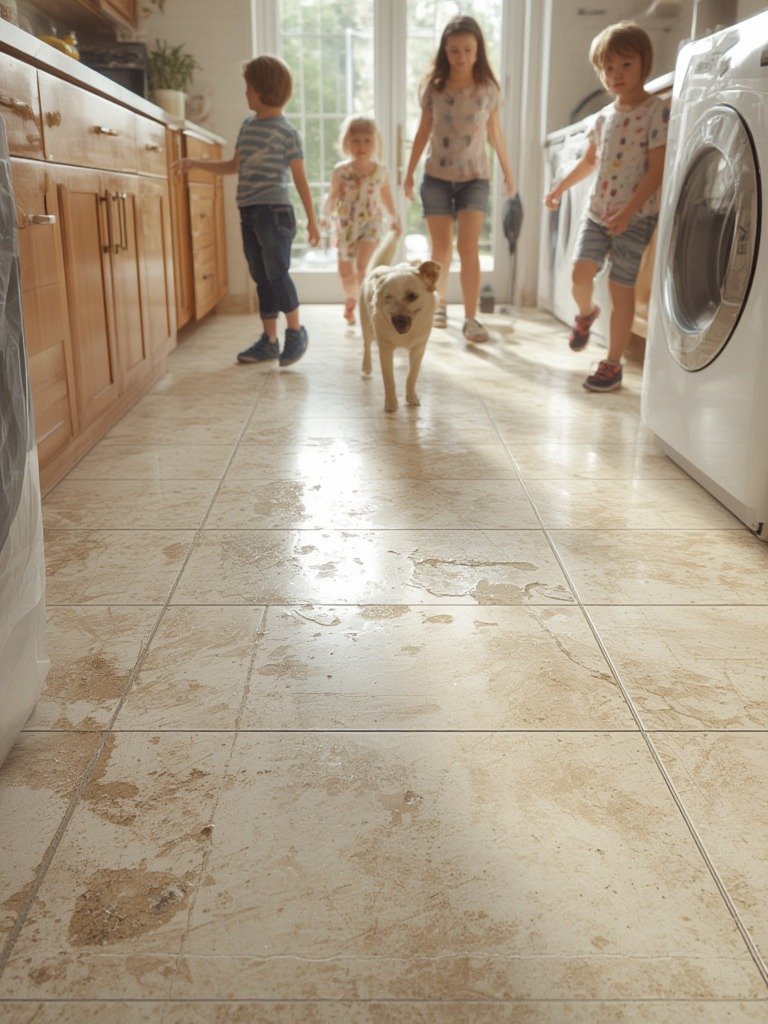
- Visible surface wear: Dragged chairs, furniture legs, and pet claws easily mar the soft vinyl surface. Signs include gouging, scratches, and dented spots after a year or two.
- Moisture issues: No true water barrier—unlike ceramic tile with grout. Water or spills seep between seams, softening adhesive and causing shifting or tile loosening [source].
- UV fading: Printed patterns can lose color or look dull in sunny rooms unless tiles have special UV protection.
- Poor cost-to-longevity ratio: Upfront cost is low, but replacements add up quickly versus the decades-long performance of traditional floor or wall tile.
Let’s see how peel and stick tiles actually compare for service life:
| Tile Type | Expected Lifespan | Moisture & Traffic Resistance | Relative Cost Per Year |
|---|---|---|---|
| Peel and Stick Vinyl Tile | 3-5 years (budget) 5-10+ years (premium, ideal install) |
Low (prone to adhesive failure, not groutable by default) | Higher over time (replacements needed regularly) |
| Traditional Ceramic/Porcelain Tile | 20-50 years | High (grout seals, PEI durability rating) | Lower over lifespan (few or no replacements) |
For most homeowners, peel and stick fits best for short-term style upgrades, rentals, or low-impact zones. When you need waterproofing or decades of trouble-free service, classic tile pays off.
If you’re converting seasonal spaces, see our enclosed porch conversion guide for how flooring choices impact long-term value.
Common mistakes to avoid for best durability:
- Skipping surface prep or leaving subfloor uneven/damp.
- Installing in humid or hot locations like bathrooms, laundry rooms, or near radiators.
- Dragging furniture or dropping heavy/pointed objects onto tiles.
- Ignoring the need for sealing edges in kitchens, near sinks, or tubs.
For a different DIY material, check out our hands-on review for cork liner projects or see the latest in contact paper finishes for a fresh, temporary style boost.
Conclusion
While peel and stick options make it easy to revamp your space quickly and affordably, the peel stick tile durability review makes it clear: these products rarely rival traditional tile for service life. Expect 3-5 good years, maybe longer with top-tier products, perfect prep, and mild environments. For permanent, moisture-proof, and traffic-hardy installs—classic ceramic or porcelain is the safer investment. Ready to upgrade, or need more advice? Review our full guides above and choose what fits your project goals—then share your install stories below!
Frequently Asked Questions (FAQ)
How long do peel and stick tiles actually last?
Most peel and stick tiles last 3 to 5 years under normal conditions. Premium brands may last up to a decade with meticulous prep and limited traffic, but most budget products see wear or adhesive problems sooner.
Are peel and stick tiles waterproof?
PeeI and stick tiles resist splashes on their surface, but the seams and adhesive areas are not waterproof. Water can seep between tiles and weaken the adhesive, especially without extra sealing.
What causes peel and stick tile failure?
Common causes include poor subfloor preparation, installation on damp or uneven areas, high humidity, UV exposure, and daily wear (furniture, shoes, pets). Edges may lift or tiles may shift when these factors are present.
Can I use peel and stick tiles in bathrooms or kitchens?
Yes, but with caution. Use only on walls away from direct water. For wet-prone floors or shower zones, traditional tile with proper grout is safer. Always seal edges and consider groutable stick-on options for extra moisture protection.
Is peel and stick cheaper than regular tile in the long run?
Upfront costs are lower, but repeated replacements make peel and stick more expensive per year than ceramic or porcelain tile over 20-50 years.