

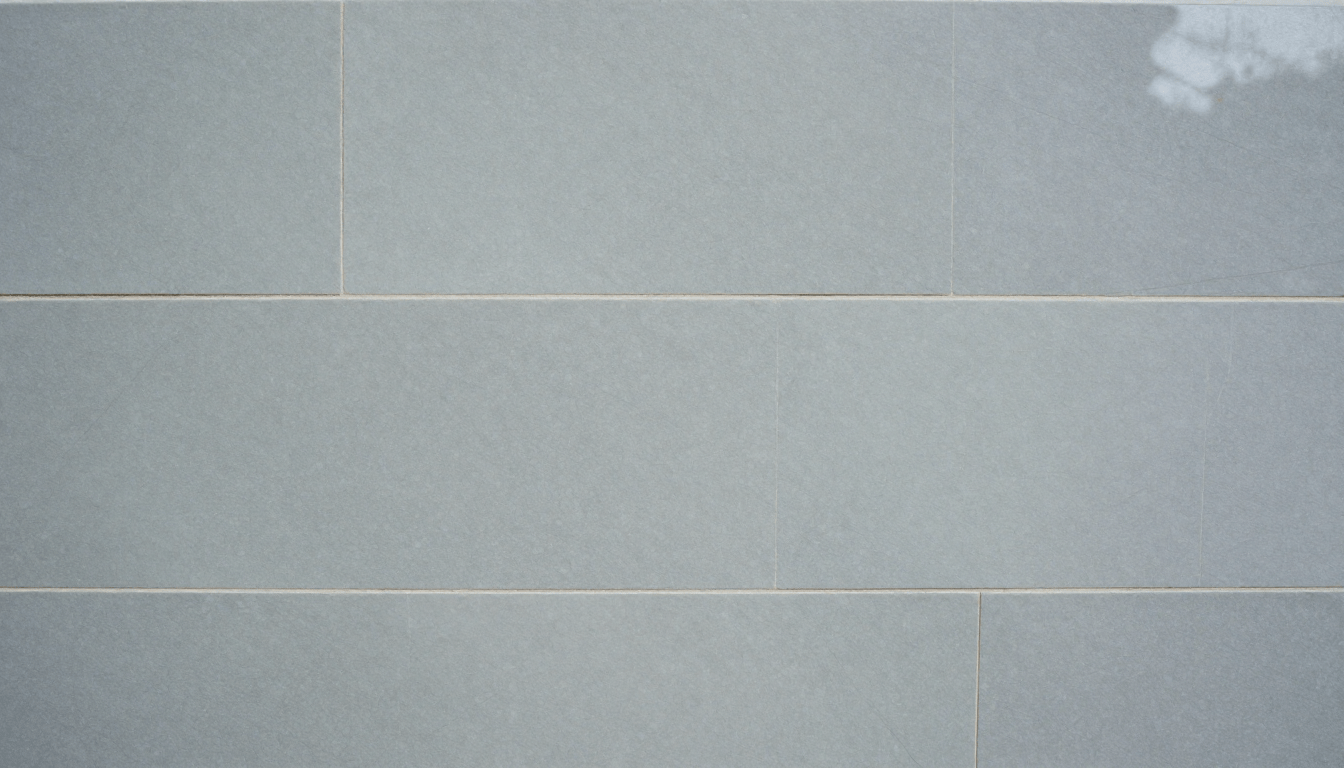
Oversized peel stick tile sheets are quickly changing the way homeowners and designers create seamless, stylish wall installations without the hassle of traditional tile work. If you want a modern slab look in your kitchen, bath, or commercial setting but dread the issues of grout, mess, or expert installation, peel and stick technology offers a real solution. But is it right for your next project? Here’s a data-backed look at what matters most if you want a flawless, lasting finish that actually performs.
Key Takeaways
- Global peel and stick tile markets are surging, driven by DIY demand and ease of installation, but specific data on oversized formats is still limited.
- Achieving a seamless slab look with oversized peel stick tile sheets requires careful prep, attention to seam alignment, and realistic expectations on durability.
- Most competitor articles overlook technical drawbacks, real-world pitfalls, and side-by-side comparisons with traditional large format tile solutions.
- The Core Concept: What Are Oversized Peel Stick Tile Sheets?
- Step-by-Step Guide: Installing Oversized Peel Stick Tile Sheets
- Advanced Analysis & Common Pitfalls
- Conclusion: Are Oversized Peel Stick Tile Sheets Right for You?
- FAQ
The Core Concept: What Are Oversized Peel Stick Tile Sheets?
Oversized peel stick tile sheets are self-adhesive panels designed to mimic the look of large format slabs or tiles for backsplashes, accent walls, and sometimes even floors. In place of smaller mosaics, these extra-large sheets—most commonly 12×24 inches or larger—help minimize seams and create a more seamless, contemporary, and upscale aesthetic. Their rapid rise is fueled by the DIY movement and desire for easy, mess-free remodels, especially in kitchens and bathrooms where a flawless finish is highly visible.
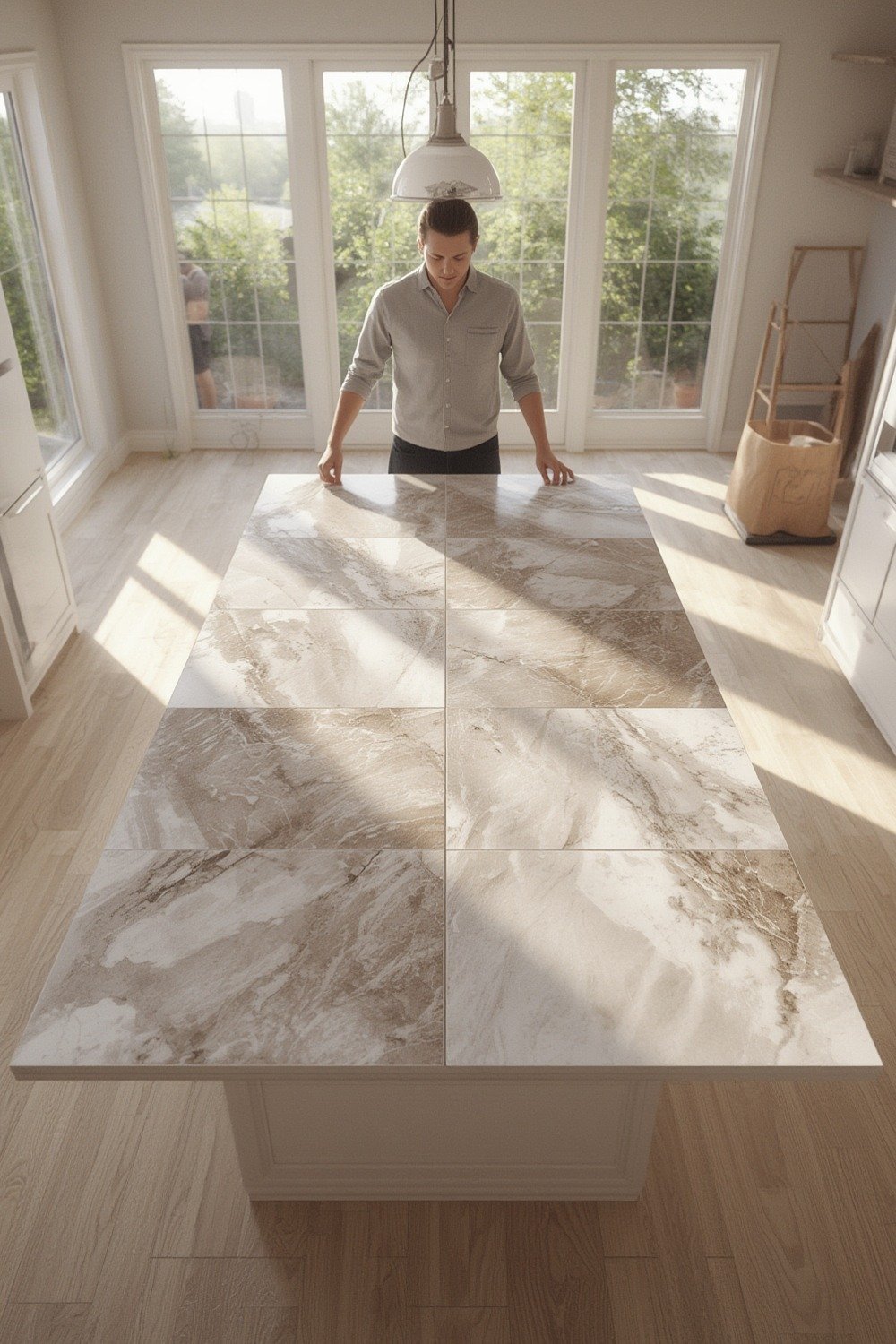
Unlike classic adhesive tile mosaics, oversized peel stick sheets can quickly transform entire walls with fewer pieces and less alignment work. For many, the appeal is skipping the grout, mess, and high labor costs of real stone or ceramic tile. But there are trade-offs you need to know—especially related to prep, seam visibility, and durability.
Global demand for self-adhesive tiles is booming, with the market projected to reach USD 26.5 billion by 2032, a CAGR over 8% from 2025, especially strong in North America, the US, and Asia-Pacific for cost-effective and quick DIY upgrades.
For a kitchen or bath wall that looks like a solid slab, oversized peel stick tile sheets can be a practical answer—when installed correctly and chosen with real expectations in mind.
Step-by-Step Guide: Installing Oversized Peel Stick Tile Sheets
-
Prep the Surface
Walls must be smooth, clean, and dry—painted drywall or primed cement board work best. Remove dust, oil, and any loose particles before you begin. -
Plan Your Layout
Dry-fit the oversized sheets to visualize the seam locations and pattern flow. Mark guidelines with a pencil or laser level for precise alignment. Remember: fewer seams mean a more authentic slab look. -
Trim to Fit
If you need to cut around outlets or at wall edges, use a sharp utility knife or heavy-duty scissors. For perfectly straight cuts, use a metal ruler as a guide. -
Peel and Position
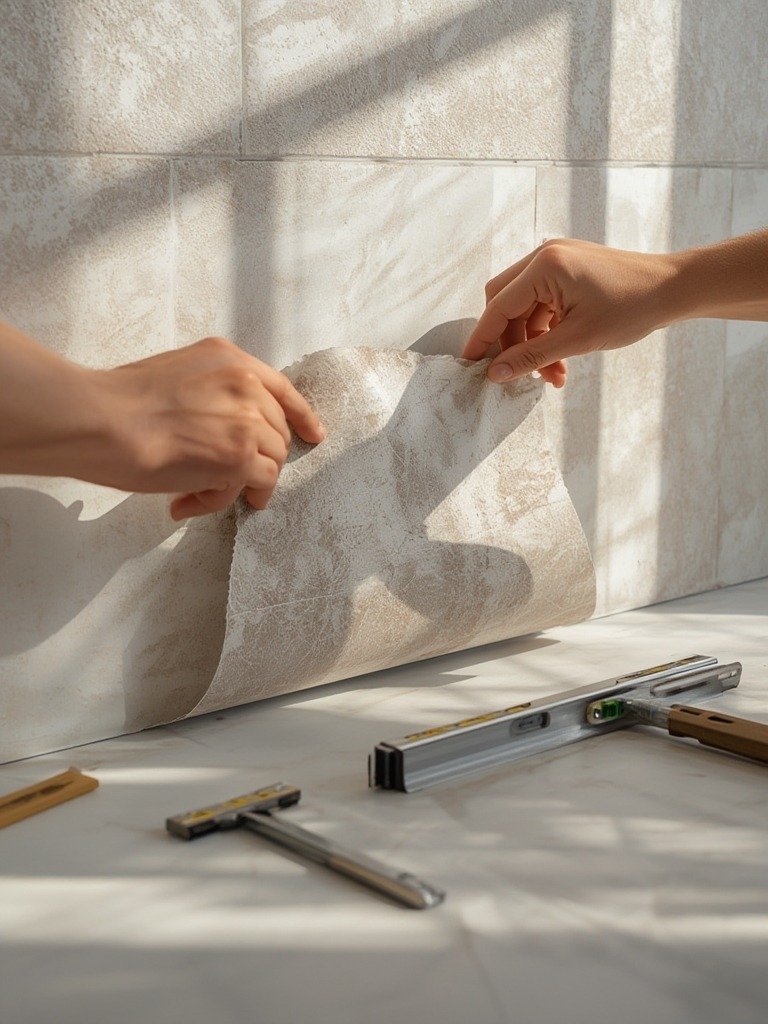
Gently peel back the adhesive liner only a few inches at first. Line up the first edge with the wall’s guideline, press lightly, and gradually peel away the remainder of the backing as you smooth the sheet onto the surface. -
Press and Seal Out Air
Use a plastic smoothing tool or wallpaper roller to eliminate air bubbles, working from the center out to the edges. Pay special attention to the seams—press them down firmly for the tightest possible fit. -
Repeat and Finish
Overlap seams only if the manufacturer suggests; most slab-look sheets should butt tightly together. Step back after each panel to double check for line-up and gaps.
- Use painter’s tape along seam areas before final pressing to avoid sticky residue on finished sides.
- Avoid installing over textured walls, as bumps or ridges will always show through large-format sheets and ruin the seamless effect.
If you want your backsplash to double as a waterproof backsplash tiles, explore products covered in our waterproof backsplash tiles review—some peel and stick slabs also offer moisture resistance for high-splash zones.
- For flooring, review the LVP flooring trends for insight on new durable peel and stick solutions.
Are you working in a multi-use space? Consider techniques from our enclosed porch conversion guide to upgrade laundry, porch, or office walls using large format peel and stick sheets without major remodeling cost or downtime.
- Check out our full installation workflow in the peel tiles step-by-step guide for floors—many tips also apply to wall sheets.
Advanced Analysis & Common Pitfalls
Oversized peel stick tile sheets make seamless wall transformations accessible, but they’re not without real-life challenges. Here are the main pitfalls and limitations to watch out for:
- Seam Visibility: Despite larger sheet sizes, seams may still show, especially if your walls aren’t perfectly flat or edges aren’t butted tightly. Lighting can also accentuate even minor gaps.
- Wall Prep is Critical: Any bumps, texture, or dust left behind can telegraph through large sheets, making them impossible to disguise once installed.
- Adhesive Strength & Edge Lifting: Cheaper brands have weak adhesives that fail in high heat or humidity (like behind a stove or in shower areas), leading to edge curling or bubbling. Always read technical specs, even if competitors overpromise.
- Heat and Moisture Resistance: Most peel stick sheets claim “water resistance” but few can handle direct, long-term moisture exposure or continuous high heat. If you need a true waterproof barrier, vet products carefully and compare them to solutions in our waterproof peel and stick tiles review.
- Durability and Cleaning: While DIY-friendly, most oversized peel and stick sheets can’t outlast real porcelain slab or high-end LVP options. Watch out for scratches and damage from abrasive cleaners.
| Feature | Oversized Peel Stick Tile Sheets | Traditional Large Format Tile (Porcelain/Stone) |
|---|---|---|
| Installation Time | 1-2 hours (DIY, no grout) | 1-2 days (pro labor + drying) |
| Seam Visibility | Low, but depends on prep/alignment | Minimal to none (grout can be color-matched) |
| Material Thickness | ~2-4 mm | ~8-12 mm |
| Durability | Moderate (scratches, peeling possible if mistreated) | High (chip-resistant, long lifespan) |
| Moisture Resistance | Good (short term, not submersion) | Excellent (with proper grout/sealant) |
| Heat Resistance | Limited; avoid direct flame or heavy heat | Excellent |
| Cost (Material Only) | Moderate-high; precise numbers vary by brand and region* | High; plus professional labor |
| Maintenance | Easy, but gentle cleaning needed | Very easy; can use strong cleaners |
*Recent market analysis shows global peel and stick tile sales booming, but direct cost-per-square-foot for oversized slabs vs. pro tile is not widely published. Most savings come from skipped labor expenses and DIY installation – see Global Market Insights and DataIntelo for growth data.
Looking for easy DIY options for nontraditional spaces? Slab-look sheets can be perfect for quick, high-impact upgrades when you don’t want permanent remodeling, as discussed in our peel tiles review.
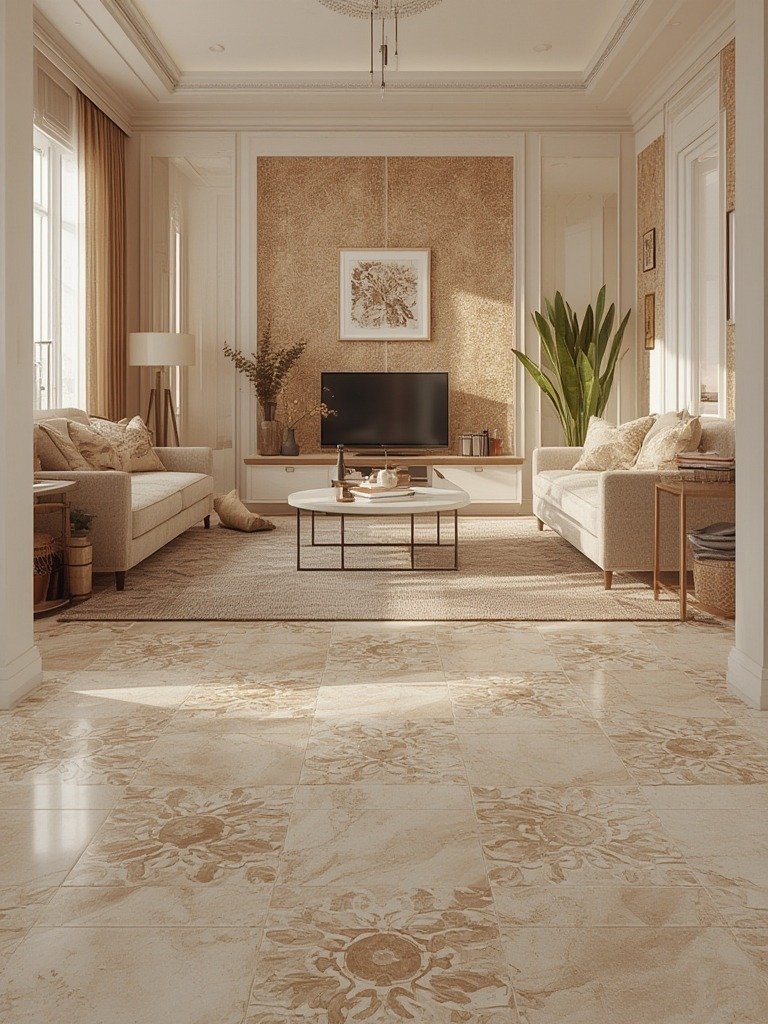
Bottom line: Oversized peel stick panels are best for dry, smooth, low-abuse walls, not for continuous wet zones or heavy-wear commercial spaces. For long-term durability or true slab performance, conventional tile or stone may be the better investment.
Conclusion: Are Oversized Peel Stick Tile Sheets Right for You?
Oversized peel stick tile sheets are a smart way to achieve a slab-style, seamless look with minimal hassle and at a fraction of traditional installation costs. They shine in quick kitchen backsplashes, accent walls, and light-commercial settings where speed and simple upkeep matter more than ultimate lifespan. If your surfaces are flat, dry, and you want a high-impact transformation without the mess—these products are truly hard to beat. Just stay realistic about their limits, especially in high-moisture or high-abuse areas.
Ready to try oversized peel stick tile sheets on your next project? Prep right, follow each step, and compare options for your needs. Explore related guides and product reviews across our site for more inspiration and pro tips.
FAQ
How long do oversized peel stick tile sheets last on a kitchen backsplash?
Most quality brands will last 3 to 7 years on a backsplash if installed on a clean, smooth surface away from direct heat or heavy water exposure. Keep them clean with mild soap and avoid abrasive scrubbers for longevity.
Can you use oversized peel stick tile sheets in a shower surround?
It’s not recommended. While many are water-resistant, few oversized panels are fully waterproof against daily soaking and hot water. For shower areas, traditional tile with proper waterproofing is the safer choice.
What’s the best way to hide seams between large peel and stick tiles?
Ensure the wall is perfectly smooth and align each panel tightly. Slightly warming the edge of the next sheet (with a hairdryer) can help “stretch” it for a narrower gap. Never overlap unless the manufacturer recommends it.
Do oversized peel stick tile sheets damage walls when removed?
On painted drywall or primed surfaces, removal is usually clean but can sometimes pull off paint or leave adhesive residue. Remove panels slowly at a low angle, using a plastic scraper or goo remover if necessary.
How do oversized peel stick tile sheets compare to LVP flooring or other peel tiles?
Large wall sheets deliver a seamless slab look, but standard peel and stick tiles (like LVP flooring) offer greater thickness and durability for floors. Choose the right material and thickness for each surface type.