

Outdoor living space design has become a cornerstone of modern home improvement, transforming ordinary backyards into functional areas for relaxation, dining, and entertaining. These spaces are driven by the need for comfort, seamless indoor-outdoor transitions, and practical solutions to weather and privacy challenges.
Key Takeaways
- Weatherproofing, proper transitions, and privacy are crucial for a truly usable outdoor living space.
- Space limitations, noise, and sloped terrain are the most common challenges homeowners face in outdoor living space design.
- Trends show a shift to low-maintenance, multi-season designs using durable materials and smart features.
- The Core Concept: What is Outdoor Living Space Design?
- Step-by-Step Guide: How to Create a Seamless Outdoor Living Space
- Advanced Analysis & Common Pitfalls
- Conclusion
- FAQ
The Core Concept: What is Outdoor Living Space Design?
Outdoor living space design focuses on extending your home’s usable area beyond its indoor walls, blending architecture and landscaping to create functional zones for dining, lounging, entertaining, or relaxation. The goal is to build an inviting, cohesive environment tailored to your lifestyle. Unlike generic patios, a thoughtful outdoor living space feels like a natural extension of your home—often including defined rooms, all-season weather protection, convenient transitions, and custom features that encourage year-round use.
Industry data highlights growing homeowner demand for covered patios, pergolas, hardscaped areas, and enclosures that allow outdoor spaces to function in varying climates. According to a Houzz survey, most homeowners prioritize structures like patios, arbors, and decks, seeking low-maintenance designs suited for entertaining and relaxation.
Step-by-Step Guide: How to Create a Seamless Outdoor Living Space
Designing an outdoor living space that truly works calls for planning, problem-solving, and creative solutions. Follow these actionable steps to achieve a cohesive and practical result:
-
Assess Your Needs, Space, and Site Conditions
Begin by clarifying your top goals: Do you want space for entertaining, dining, relaxation, or play? Next, measure the area and note potential obstacles, such as sloped ground, drainage, or noise from neighbors. For dramatically sloped lots, you may need terracing or retaining walls for flat zones (reference). -
Create Functional Zones—But Keep Flow in Mind
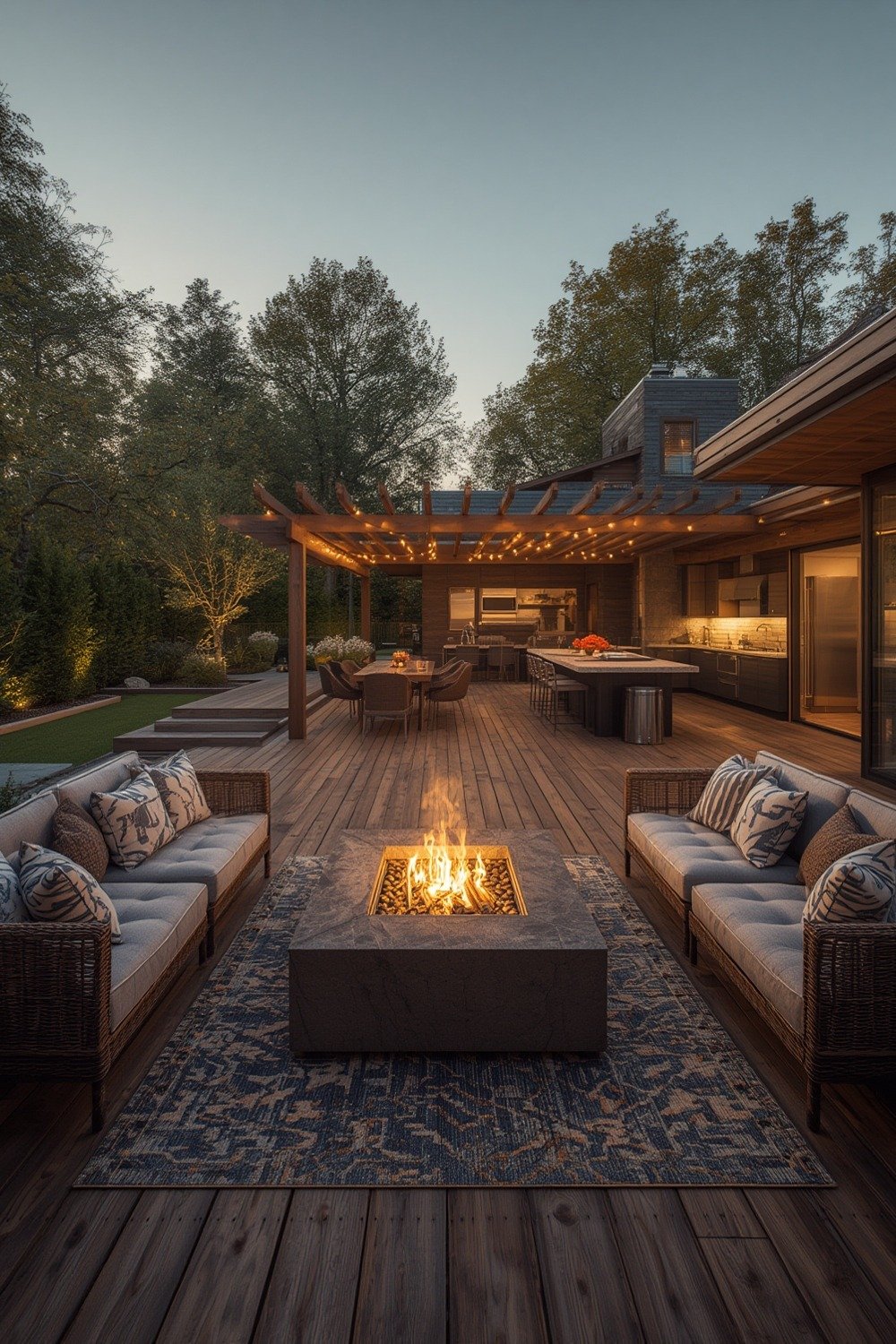
Divide the space into zones for lounging, cooking, eating, and play. Use features such as pergolas, low walls, or changes in flooring to create subtle separations while maintaining a unified look. Modular furniture and built-in planters can define spaces without crowding small yards. -
Maximize Indoor-Outdoor Flow
Place your main outdoor living area adjacent to the home’s primary indoor living or kitchen zone. Install wide, sliding or bi-fold doors to bridge inside and out. Choose decking or paver materials that blend visually with indoor flooring, further enhancing continuity. -
Address Weather, Privacy, and Lighting
Integrate retractable awnings, glass verandas, or louvered pergolas for shade and rain protection (SunSpaces source). For privacy, use tinted glass panels, outdoor curtains, or strategic plantings. Plan for both functional (path and task) and ambient (string lights, lanterns) lighting so the space works after dark. -
Solve Terrain & Drainage Issues
On sloped or tricky ground, hardscape with patios or composite decking for stable, flat surfaces. Terracing retains soil and ensures easy access. Proper grading and drains keep your investment protected from water issues (reference). -
Furnish and Decorate with Durability in Mind
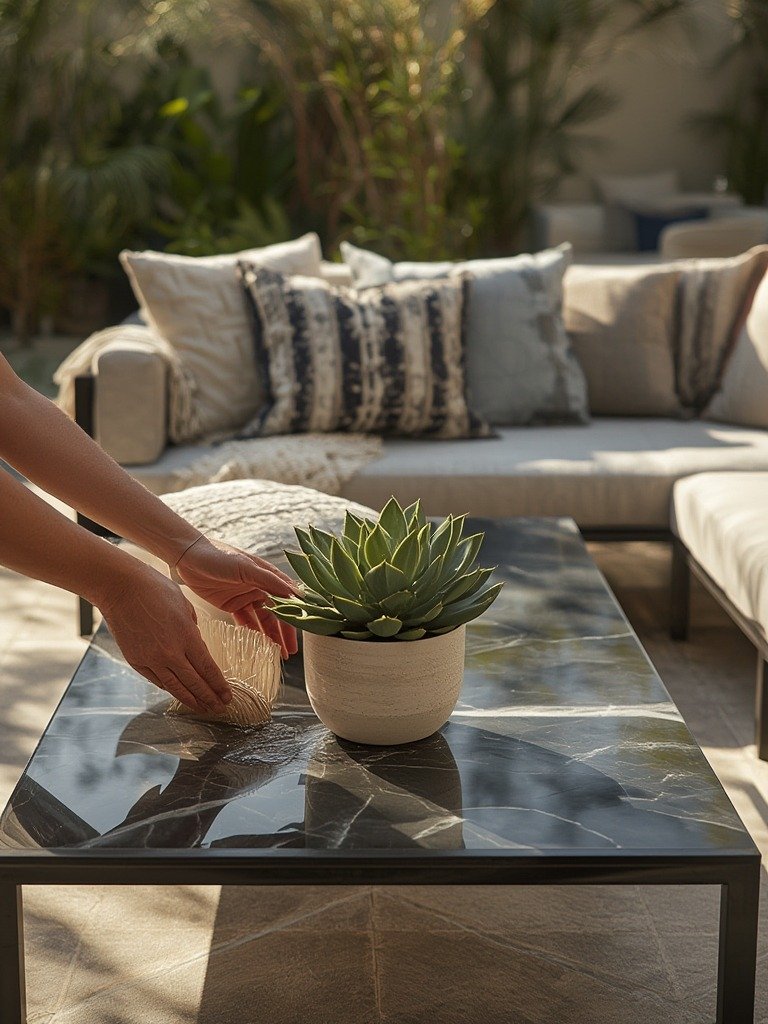
Select weather-resistant furniture and rugs, especially for uncovered areas. Modular pieces offer flexibility for adapting layouts. Add texture, throws, and planters to create a cozy, welcoming feel. -
Integrate Special Features
If budget allows, upgrade with amenities like built-in kitchens, fire pits, or an enclosed porch conversion (Enclosed Porch Conversion Guide). These can significantly expand the value and enjoyment of your outdoor living space.
For more inspiration on integrating water-resistant, stylish materials, check our practical review of waterproof backsplash tiles—their durability is ideal for both kitchens and outdoor kitchens.
Interested in trending, easy-to-maintain flooring? Explore our LVP flooring trends guide, which covers outdoor and indoor/outdoor hybrid spaces.
Advanced Analysis & Common Pitfalls
Even with careful planning, homeowners often encounter challenges in outdoor living space design. Below is a breakdown of typical pitfalls and how to avoid them:
| Common Problem | Impact | Recommended Solution |
|---|---|---|
| Unpredictable weather (rain, wind, heat, cold) | Outdoor space unusable for weeks or months; frequent repairs | Install enclosures, permanent or retractable awnings, or all-season verandas (source) |
| Noise and lack of privacy | Reduces comfort—less likely to use space for relaxation or entertaining | Integrate privacy screens, solid panels, noise-mitigating plantings or glass partitions |
| Limited or awkward space | Feels cramped; difficult to host or dine outside | Use modular furniture; prioritize zones; opt for built-in seating or hardscape extensions |
| Sloped or poorly draining yard | Material erosion, mud, unusable areas, water pooling | Add terracing, retaining walls, and integrated drainage systems |
| Awkward existing structures (old decks, stairs, etc.) | Hinders flow; reduces functionality | Redesign traffic flow; remove or integrate structures smartly; consult professional if major changes are needed |
| Poor lighting or power access | Not functional after dark; limits activities | Wire landscape and path lighting into plan early; choose solar or low-voltage lighting if budget is tight |
| Budget overruns, unclear priorities | Projects stall or require frequent repairs due to low-quality choices | List essential versus nice-to-have features; phase projects if needed |
These realities echo across most backyard improvement attempts. According to the Houzz survey, recent upgrades target tough obstacles like water shortages and flooding, with owners prioritizing low-maintenance, drought-resistant solutions.
For more actionable ideas, see our step-by-step advice on cold plunge pool installation, a wellness feature that adapts beautifully to modern outdoor living design.

Conclusion
A successful outdoor living space design balances aesthetics, practicality, and all-season usability. Start with your needs, address weather and privacy, manage problem terrain early, and seek out low-maintenance materials that extend the life of your investment. Whether upgrading an old deck, adding an enclosed porch (see our conversion guide), or creating zones for cooking and lounging, treat your outdoors as an equal part of your lifestyle. Ready to transform your home with thoughtful outdoor living space design? Start planning today and enjoy a backyard that truly feels like part of your home!
FAQ
What is the biggest challenge in outdoor living space design?
Weather exposure is the biggest challenge—rain, wind, and seasonal temperature swings can make outdoor areas unusable for much of the year without proper weatherproofing or enclosures.
Can I make a small or sloped backyard functional for outdoor living?
Yes, with the right strategies. Use terracing and hardscaping to create flat, usable zones, and choose modular furniture to ensure flexible, adaptable layouts.
How can I make my outdoor living area feel private?
Integrate tinted glass panels, privacy screens, dense plantings, or outdoor curtains to block views and reduce noise from neighbors and roads.
Are there outdoor flooring options that perform well in all weather?
Composite decking, natural stone, and outdoor-rated tiles offer excellent weather resistance. For detailed advice, check out our LVP flooring trends guide.
What’s a smart upgrade to boost value and comfort?
Converting a porch into a four-season room or adding a cold plunge pool can add year-round function and wellness appeal. See our enclosed porch conversion guide for actionable steps.