

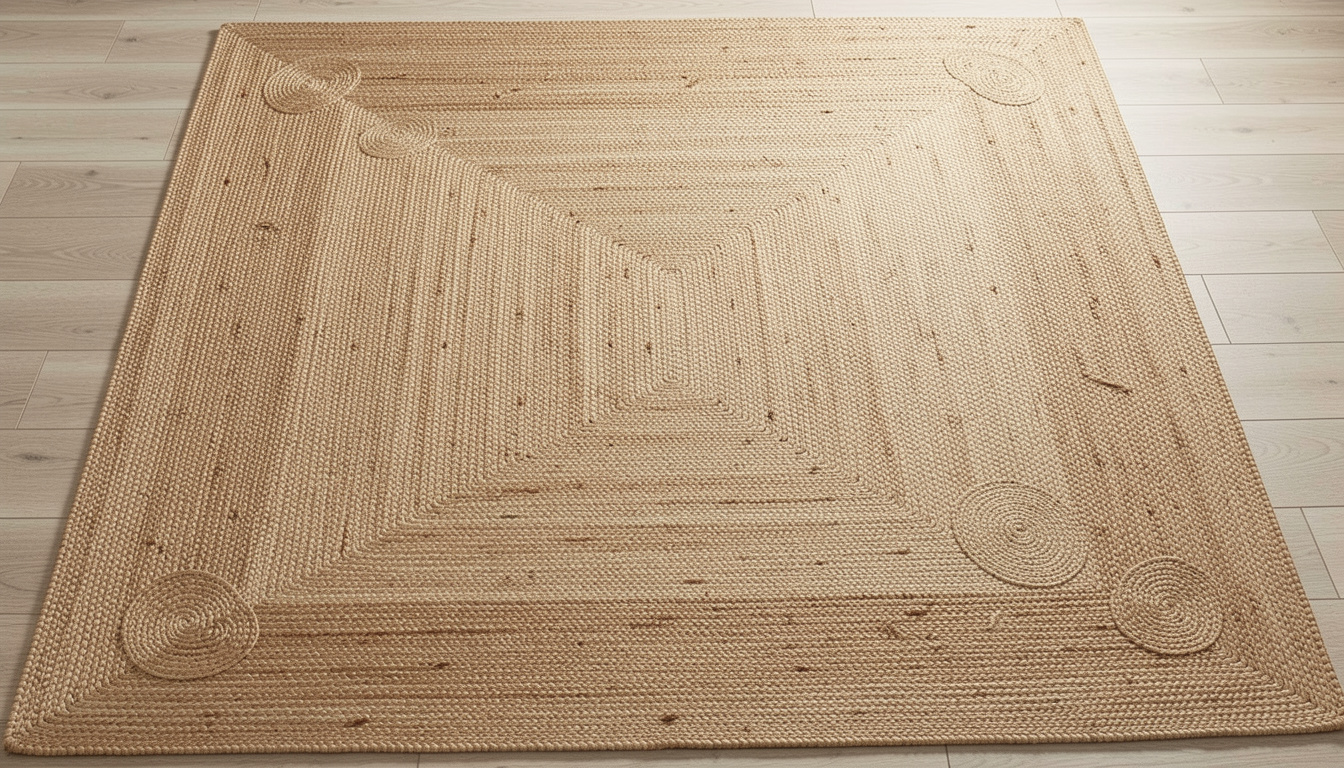
Natural fiber area rugs are surging in popularity for homeowners seeking sustainability and authentic design. But beneath the buzz, buyers want real answers—is it worth the investment, how do you spot true eco-friendly options, and what’s the hidden cost of going green with your flooring?
Key Takeaways
- The natural fiber area rugs market is growing fast, especially for jute and sisal rugs, driven by US and global demand for sustainability in decor.
- Natural fiber rugs offer hypoallergenic benefits and no VOC emissions, but buyers should know potential downsides like staining, shedding, and maintenance challenges.
- Few brands clearly display eco-certifications—learn what matters, how to vet products, and avoid greenwashing traps.
- What Are Natural Fiber Area Rugs and Why Are They Gaining Popularity?
- How to Choose and Use Natural Fiber Area Rugs: Step-by-Step Guide
- Advanced Analysis: Real Problems Buyers Face & How to Avoid Them
- Conclusion
- Frequently Asked Questions
What Are Natural Fiber Area Rugs and Why Are They Gaining Popularity?
Natural fiber area rugs are crafted from renewable plant-based materials like jute, sisal, sea grass, and sometimes hemp, offering a tactile, earthy alternative to synthetic or wool rugs. These rugs are favored for their low chemical impact, minimal off-gassing, and eco-friendly appeal—key for healthy homes and modern interior design.
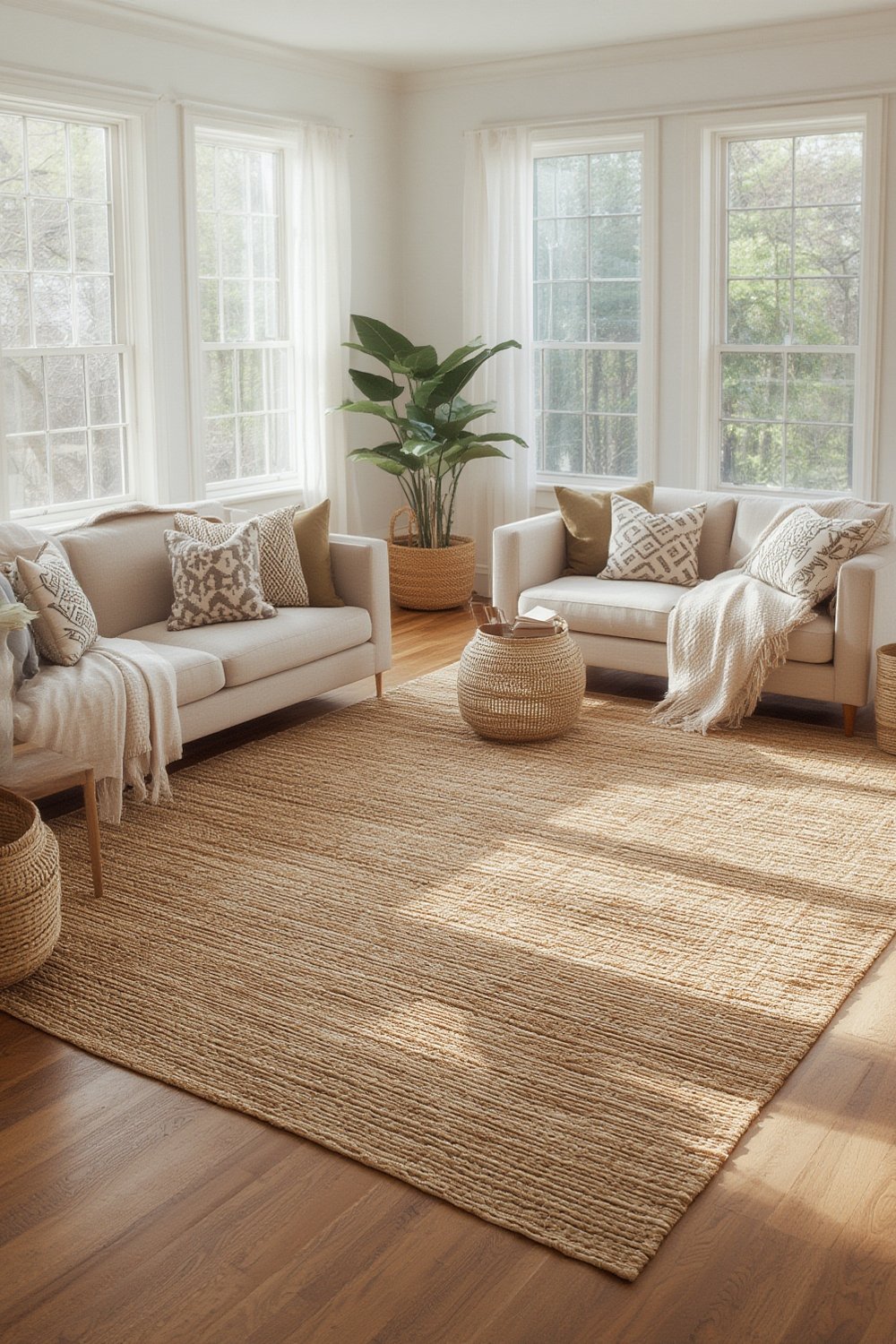
Globally, the demand for these rugs is skyrocketing. The area rugs market is worth nearly $12 billion worldwide in 2024, with natural fiber carpets set to grow nearly 8 percent per year through 2034, led by jute and sisal rugs [source]. The US dominates North American demand, particularly in stylish, coastal, and luxury settings. Homeowners choose natural fiber area rugs for their hypoallergenic qualities, safer indoor air, and timeless textures, as well as the preference for more ethical and eco-conscious home decor [source].
Still, choosing the right natural fiber rug—one that fits your lifestyle, allergy profile, and maintenance comfort—can be tricky. The market is booming, but quality and claims can vary wildly.
How to Choose and Use Natural Fiber Area Rugs: Step-by-Step Guide
- Define Your Priorities: Energy savings? Indoor air quality? Durable underfoot for high traffic? Decide what matters most: allergy relief, sustainability, looks, or easy cleaning.
- Compare Fiber Types:
- Jute: Soft, affordable, rustic look, less durable in wet/high-traffic spots; best for bedrooms, living rooms.
- Sisal: Strong, resilient, more textured, better for halls or entryways; can feel rough underfoot.
- Seagrass: Non-absorbent, slightly shiny, stain-resistant; great for dining rooms but limited color options.
- Hemp: Strong with a coarse, raw finish; less common but highly renewable.
- Check for Authentic Certifications: Look for explicit eco-labels like GOTS, OEKO-TEX, or verifiable low-VOC claims. Most brands don’t list them, so request documentation or frequent trusted shops.
- Assess Weave and Backing: Flat weaves show less dirt but may shed or fray faster, while thick looped or knotted styles provide texture and stability.
- Calculate Fit and Price by Room:
- Measure for key sizes—5×8, 8×10 are standards.
- Natural fiber rugs often fall in the mid-high price bracket—premium vs. synthetics, but more affordable than luxury wool.
- Consider Maintenance: Vacuum often; blot up spills fast (never saturate). Avoid steam cleaning or harsh chemicals. Rotate regularly for even wear.
- Install and Layer: Always use a non-slip rug pad. Layer over hard flooring or even wall-to-wall for grounding texture and warmth. Looking for a fast, mess-free flooring upgrade? See how Peel Stick Backsplash can deliver a stylish finish that pairs well with all-natural rugs.
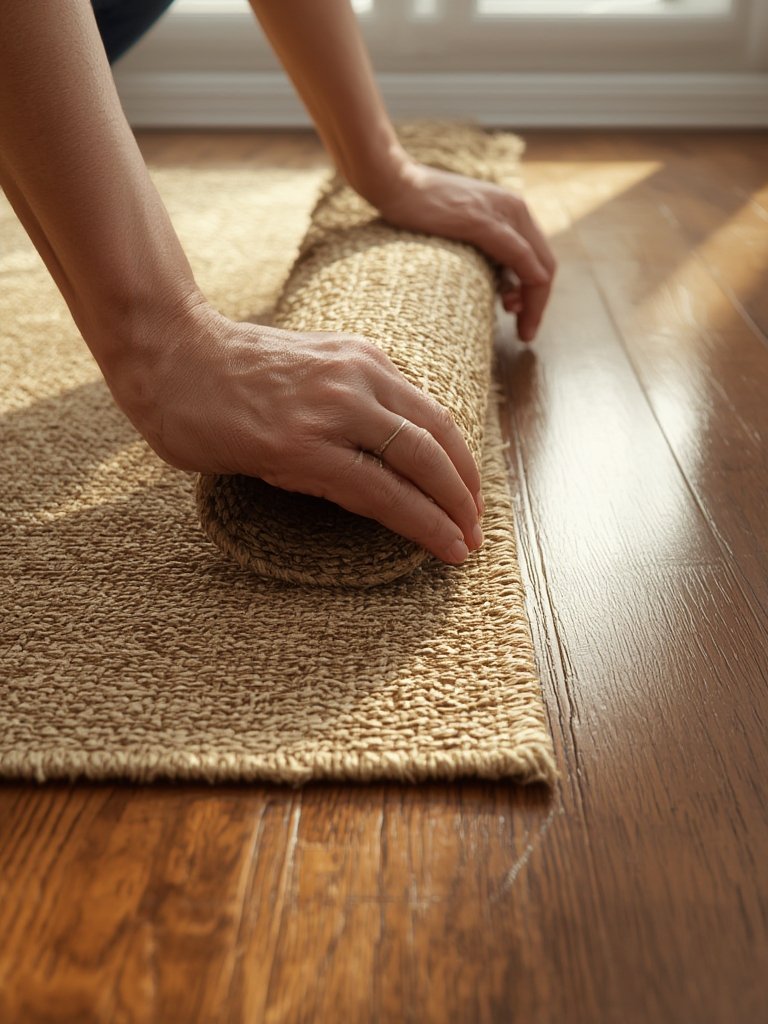
For creative layering inspiration, explore how LEGO Bamboo decor combines botanicals and floor accents for a stylish natural vibe.
Advanced Analysis: Real Problems Buyers Face & How to Avoid Them
Natural fiber area rugs are not without their flaws. Many buyers rave about their eco appeal and look, but a realistic view reveals a few persistent problems. The main risks and downsides include:
- Staining: All natural fibers absorb spills quickly. Sisal and jute lack inherent stain resistance—fast clean-up and rug pads are essential.
- Shedding and Fraying: Particularly with cheaper, loosely woven jute rugs, shedding is common and may frustrate allergy sufferers, despite marketing as hypoallergenic [source].
- Moisture Sensitivity: Jute and sisal degrade in damp rooms, making them unsuitable for bathrooms, mudrooms, or basements.
- Durability vs. Synthetics: Synthetics and LVT (luxury vinyl tile) compete with longer life and easier cleaning, especially in busy homes or commercial use [source].
- Allergy Claims: “Hypoallergenic” is valid only if rugs are kept extremely clean. Dust can build up in natural fibers if not maintained rigorously.
- Lack of Real Eco Certifications: Many rugs are marketed as eco-friendly but lack transparent certification—buyers must ask or check for brands that publish genuine labels.
Below is a technical comparison summarizing fiber types, durability, cleaning, and ideal use—know before you buy:
| Fiber Type | Source | Common Weaves | Durability | Cleaning Needs | Best Use Scenario |
| Jute | Stalks/roots of the jute plant | Flat, boucle, chunky weave | Softest, prone to staining/sprouting; med-low traffic | Vacuum, blot only, avoid moisture | Bedrooms, living rooms away from moisture |
| Sisal | Agave plant leaves | Tight, herringbone, basket weave | More durable, coarse; holds up to high-traffic | Vacuum often, use dry cleaning powder | Halls, entryways, stairs |
| Seagrass | Saltwater marsh grass | Matte, tight weave | Very durable, not colorable; slightly water-resistant | Vacuum, blot spills | Dining rooms, busy zones |
| Hemp | Stalks of hemp plant | Coarse, loose or thick braid | Very strong, less refined finish | Vacuum; avoid wet cleaning | Rustic living or accent areas |
Before you settle on a rug, get clear on which tradeoffs you’re willing to take on. If total maintenance ease is more important, synthetics may be a better fit. But for those prioritizing low off-gassing and eco appeal, check for brands with transparent materials policy. Looking for more low-maintenance wall upgrades? Check out Peel Wallpaper—it pairs beautifully with natural textures.

Take time to vet the brands—top names like The Natural Carpet Co., Natural Area Rugs, and Earth Weave operate in this space, but always ask for details on sourcing, certifications, and practices. If antimicrobial or stain-resistance is important, consider antimicrobial peel stick tiles for high-traffic or wet areas.
Conclusion
Natural fiber area rugs offer a rare blend of sustainability, classic appeal, and real wellness value for modern homes. They’re growing rapidly in the US and globally, but practical results depend on matching the right fiber and weave to your needs—and budgeting for a little extra care. Always check the company’s eco-claims and materials, and don’t hesitate to compare options for durability, allergy-safety, and ease of cleaning. Ready to create a naturally healthier, more stylish home? Rethink your next purchase for flooring using natural fiber area rugs.
For more ways to boost your space with practical style, see how privacy upgrades like Privacy Film can complement your organic rug choices and take living comfort to the next level.
Frequently Asked Questions
What makes a rug a true natural fiber area rug?
It must be woven primarily from undyed/untreated renewable plant materials such as jute, sisal, sea grass, or hemp, sometimes with minimal cotton backing. Synthetics, heavy chemical treatments, or plastic backings mean the rug isn’t truly natural.
Do natural fiber area rugs release harmful VOCs or odors?
No—one main advantage is the absence of off-gassing common with synthetics. They’re considered low-VOC and hypoallergenic, though they can still trap dust if not cleaned often.
Are natural fiber rugs safe if I have allergies?
Yes, generally, thanks to their lack of chemical finishes. However, you’ll need regular vacuuming to keep dust and allergens from building up. If you react to dust easily, choose a tightly woven sisal or seagrass over a loose jute.
What is the best way to clean natural fiber area rugs?
Vacuum weekly, blot spills immediately—never soak. Use dry cleaning powder for deep cleaning. Avoid steam cleaning, wet shampoos, or harsh soap, as these can damage the fibers.
How do I find truly eco-certified natural fiber area rugs?
Look for global certifications like GOTS or OEKO-TEX, or detailed material transparency from the brand. If the rug claims “organic” or “eco” but provides no certification, dig deeper or choose a provider who is clear about sourcing.
—