

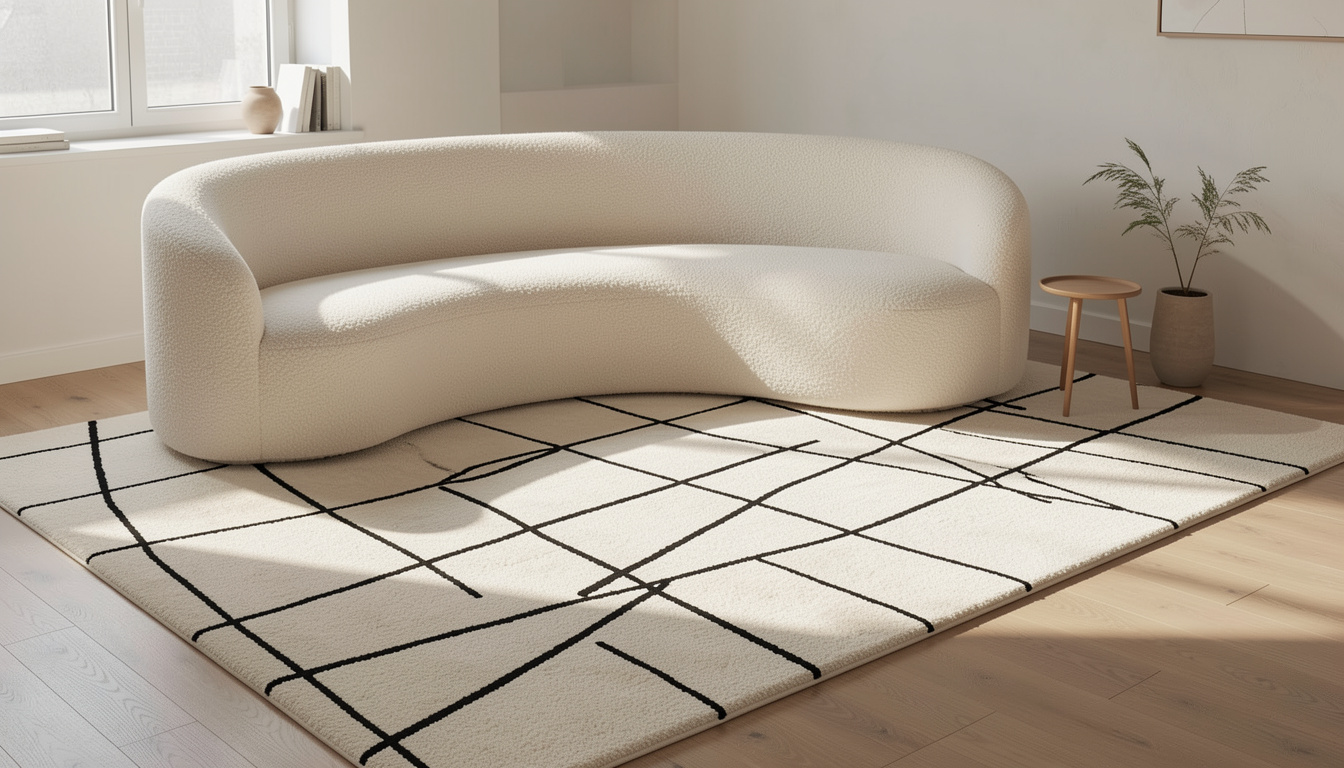
Modern geometric rugs are shaking up the interior design scene, offering bold patterns, clean lines, and a blend of durability with style for today’s urban homes. But before you buy—or regret—a new statement rug, it pays to know about the trends, pitfalls, and straight-shooting best practices in 2024.
Key Takeaways
- Bold geometric patterns and earth tones are dominating modern area rug trends for 2024.
- Material choice and manufacturing methods have a major impact on both the durability and price of modern geometric rugs.
- Practical issues—like cleaning, fading, and choosing the right size—matter as much as style, especially in busy urban homes.
- What Are Modern Geometric Rugs? Trends, Demand, and Design
- How to Choose and Style Modern Geometric Rugs: A Practical Guide
- Advanced Analysis & Common Pitfalls: What to Watch Out For
- Conclusion
- Frequently Asked Questions
What Are Modern Geometric Rugs? Trends, Demand, and Design
Modern geometric rugs are defined by bold repeating shapes, clean lines, and abstract compositions that align with current minimalist, urban, and mid-century interior styles. These rugs are more than just floor coverings: they anchor open spaces, add drama, and express personality through lines, symmetry, and color. Demand is surging as more people renovate urban homes bought during the pandemic and shop for decor online.
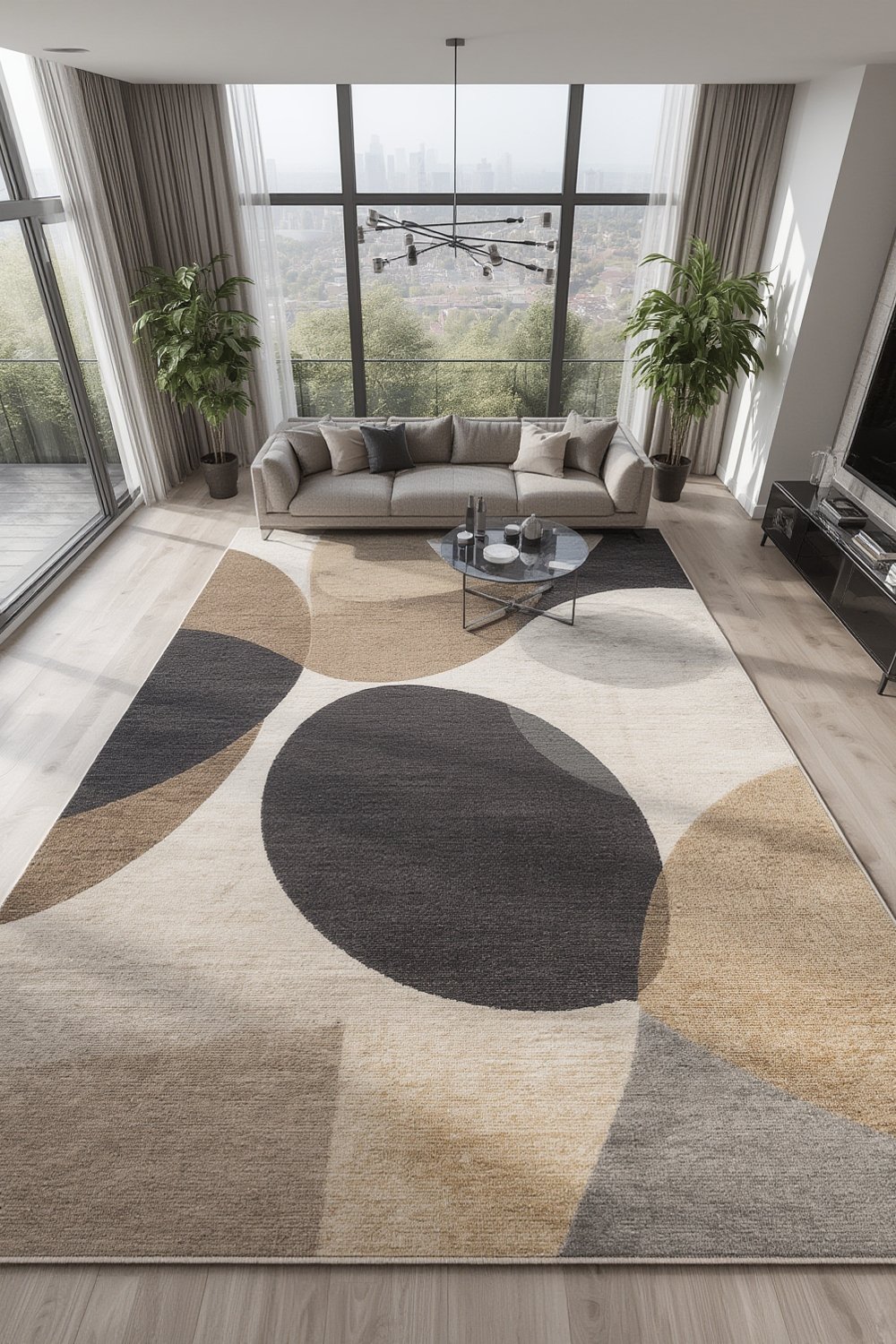
The area rug market, which includes modern geometric rugs, reached USD 12.6 billion in 2024 and is expected to grow steadily for the next decade. Leading the charge are urban and suburban homeowners, driven less by age and income, and more by renovation cycles and a love for curated spaces. The trend is universal but especially visible in North America (37% share) and rapidly in Asia-Pacific—China alone holds a 32.8% slice of the decorative rug market.
Design-wise, 2024’s must-haves include bold geometric forms, earth and jewel tones, and sustainable materials ranging from recycled nylon (holding a 42% market share) to natural fibers like wool and cotton.
If you enjoy experimenting with other trend-forward ideas, see how easy style updates like peel stick backsplash can work alongside modern rugs for a coordinated look.
But looks aren’t everything. Durability, maintenance, and functional choices are just as crucial—especially if you’re shopping for a busy household or urban apartment.
How to Choose and Style Modern Geometric Rugs: A Practical Guide
Selecting the right modern geometric rug takes more than picking a pretty pattern. Here’s a straightforward guide from research and proven experience:
- Plan the space. Start by defining the room’s color palette and overall vibe. Earth tones, such as deep sand or moss, pair well with bold geometric lines. Visualize possible rug placements—under a sofa, spanning a living room, or as a hallway centerpiece.
- Select the right rug size and shape. Measure first. In living rooms, the most common rule is to allow the rug to extend at least a few inches under furniture legs for a grounded look. Custom sizes are increasingly available if you have unique needs.
- Assess materials and durability. High-traffic areas in urban homes demand rugs that resist fading and stains. Nylon and wool offer a good blend of resilience; eco-conscious buyers can opt for recycled materials but should consider maintenance needs.
- Pick a pattern and colorway. Go bold if you want a statement, or opt for muted geometric prints for a subtler impact. Modern geometrics don’t mean garish—balance is key.
- Check maintenance requirements. Some printed or tufted geometric rugs are easier to clean than others. Read real-life reviews, and don’t be seduced by looks alone. If the rug will see kids, pets, or parties, make that your top filter.
- Layer with other design features. Modern geometric rugs work beautifully with minimal walls or accent pieces. Pair a pale rug with vivid wall art or metal accents. Mixing styles? Consider trying playful elements like LEGO bamboo for contrast and texture.
Thinking about an integrated approach? Pair your rug with peel wallpaper or even princess decals for kid-friendly spaces. For window coverage, privacy film offers a subtle compliment without visual clutter.
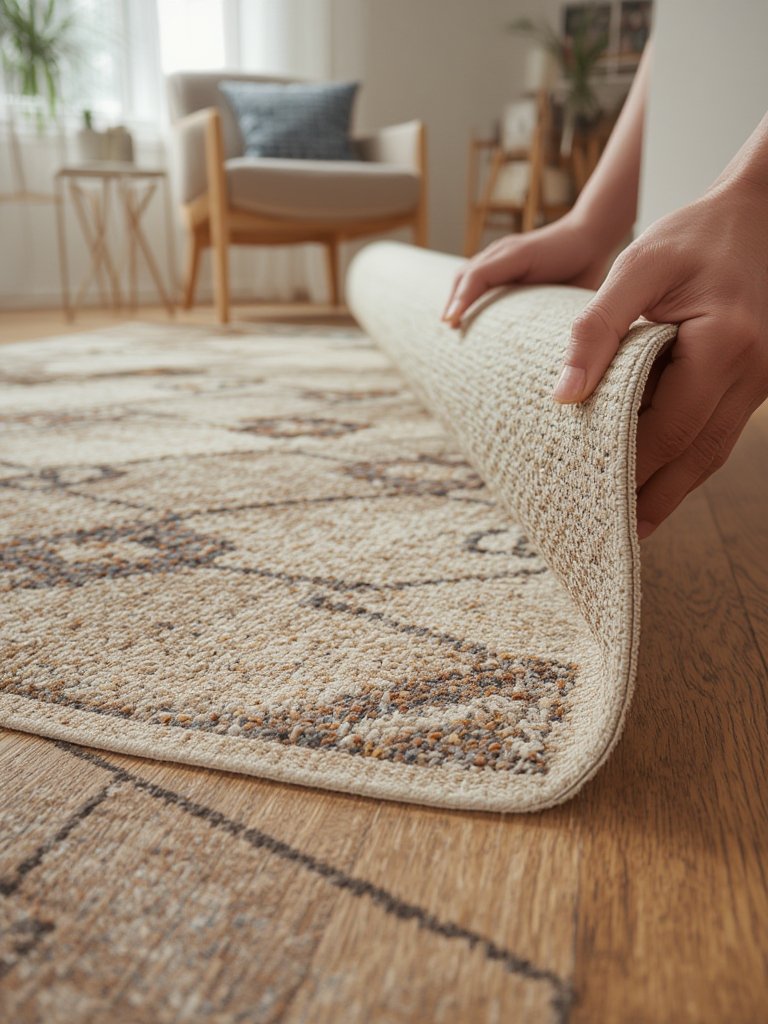
When you choose your rug, check seller info for material transparency and understand if the product is printed (more vivid but may fade) or hand-tufted/knotted (softer and longer lasting, but often pricier).
Advanced Analysis & Common Pitfalls: What to Watch Out For
Stunning aesthetics are only one side of the coin. Here’s a closer look at the realities—good and bad—of buying and living with modern geometric rugs, based on evidence and industry reports:
- Durability versus style: Printed and digitally rendered geometric rugs look crisp but may show wear or faded colors faster than traditional woven styles. In busy homes, nylon and wool outperform cheaper synthetics or flatweaves.
- Maintenance headaches: Complex geometric textures sometimes make cleaning tough, especially for pet owners or allergy sufferers. Rugs that are easy to vacuum, stain-resistant, or washable are a smart bet in high-traffic apartments.
- Rug competition: With luxury vinyl tile (LVT) gaining ground due to durability and easy cleaning, some buyers find rugs fall short when it comes to long-term resilience. Rugs win on comfort and warmth, but not always on practicality.
- Quality indicators: It’s not always clear which “bold geometric” rugs are worth the splurge. For high quality, look for durable materials (nylon or high-grade wool), a comfortable feel underfoot, fade resistance, and strong construction—hand-knotted for luxury, machine-tufted for affordability. Read supplier info and real-user reviews for clues.
| Factor | Machine-Made Geometric Rugs | Handmade (Tufted/Knotted) Geometric Rugs |
|---|---|---|
| Price | $–$$ | $$$–$$$$ |
| Pattern Detail | Crisp, high-color, newprint-friendly | Richer texture, sometimes less sharp edges |
| Durability | Good; fading possible with time | Excellent; lasts decades if cared for |
| Cleaning Ease | Typically easy (varies with pile height) | Can be harder; some need professional cleaning |
| Environmental Impact | Higher (synthetics, unless recycled) | Lower (natural fibers, artisan labor) |
For more on spotting premium features, see this rugs industry analysis and Future Market Insights for a breakdown of material impacts on price and performance.
Conclusion
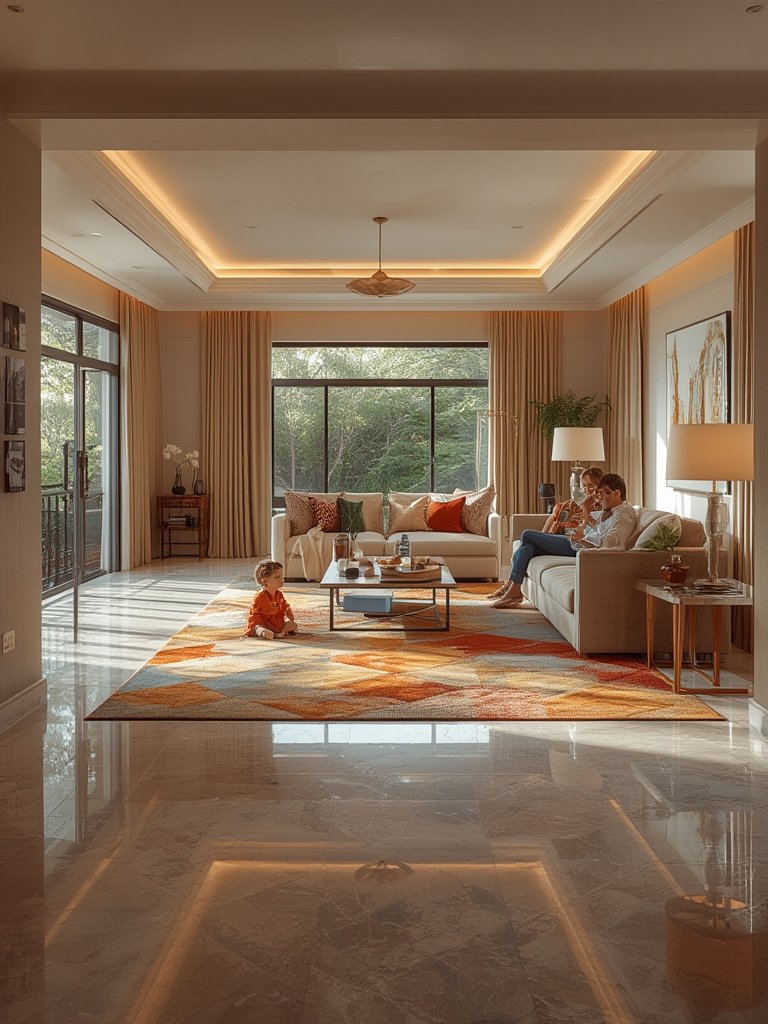
Modern geometric rugs combine trend-forward looks with functional benefits for today’s homes. Focus on balancing color, material, and durability. Do your homework—prioritize real-world needs (like cleaning and fade-resistance) alongside style. The choices you make help your modern geometric rugs stand out in every way.
Ready to take your space to the next level? Compare rug options and pair them with other easy updates—from antimicrobial peel stick tiles to design-forward wall coverings—to give your home the character and comfort it deserves.
Frequently Asked Questions
Are modern geometric rugs hard to clean?
Some geometric rugs with complex textures can trap dirt or pet hair, making cleaning more involved. Opt for low-pile or washable materials if easy maintenance is a priority, and always follow care instructions from the manufacturer.
What materials last longest for modern geometric rugs in high-traffic areas?
Nylon and wool are top picks for durability and resistance to fading or matting. Recycled and eco-friendly synthetics also hold up well under regular use—just double-check cleaning requirements before buying.
Do bold geometric patterns go out of style quickly?
While trends change, geometric forms are design classics that adapt well to contemporary and minimalist looks. Choosing versatile earth-tone colorways helps your rug stay on-trend even as décor styles shift.
What is the best rug size for an urban apartment living room?
A rug that covers the seating area and extends a few inches under furniture legs works best. Default to at least 5×8 feet for a small room, or size up for open layouts. Custom and runner sizes suit narrow spaces or entryways.
How can I extend the life of my modern geometric rug?
Rotate your rug every few months, vacuum regularly, and mop up spills right away. Consider professional cleaning for hand-knotted or wool rugs every 1–2 years, especially in busy households.
—