

laundry room peel stick upgrade is the fastest way to transform a utility area for less. Whether your laundry room walls look tired or you want a slicker, waterproof upgrade, modern peel-and-stick tiles offer easy, affordable style—no tile saw or grout required.
Key Takeaways
- Peel-and-stick tiles bring instant, DIY-friendly upgrades to laundry rooms with minimal prep and no pro labor.
- Choose waterproof, heat- and stain-resistant options for durability—especially in high-moisture spaces.
- Beware of installation shortcuts and adhesive quality issues that could cause tiles to peel or lose appearance over time.
- What Is a Laundry Room Peel Stick Upgrade? The 2024 Renovation Trend Explained
- Step-by-Step Guide: How to Nail Your Laundry Room Peel Stick Upgrade
- Advanced Analysis & Common Pitfalls: What to Really Watch Out For
- Conclusion: Should You Try a Laundry Room Peel Stick Upgrade?
- Frequently Asked Questions
What Is a Laundry Room Peel Stick Upgrade? The 2024 Renovation Trend Explained
A laundry room peel stick upgrade uses self-adhesive tiles made of vinyl, PVC, or polymer to make over your laundry area walls or splashbacks. These tiles mimic ceramic, stone, or designer patterns but need only a clean, smooth surface and a sharp utility knife for installation. Homeowners love them for their DIY ease and cost savings compared to traditional tile work.
In 2024, the peel-and-stick tile splashback market hit $850.75 million—and laundry rooms are a hot new segment. North America leads this DIY trend, driven by a need for moisture-resistant, quick-fix upgrades for utility spaces—fueled by strong e-commerce growth and user preference for projects that don’t require tile saws or messy grout.
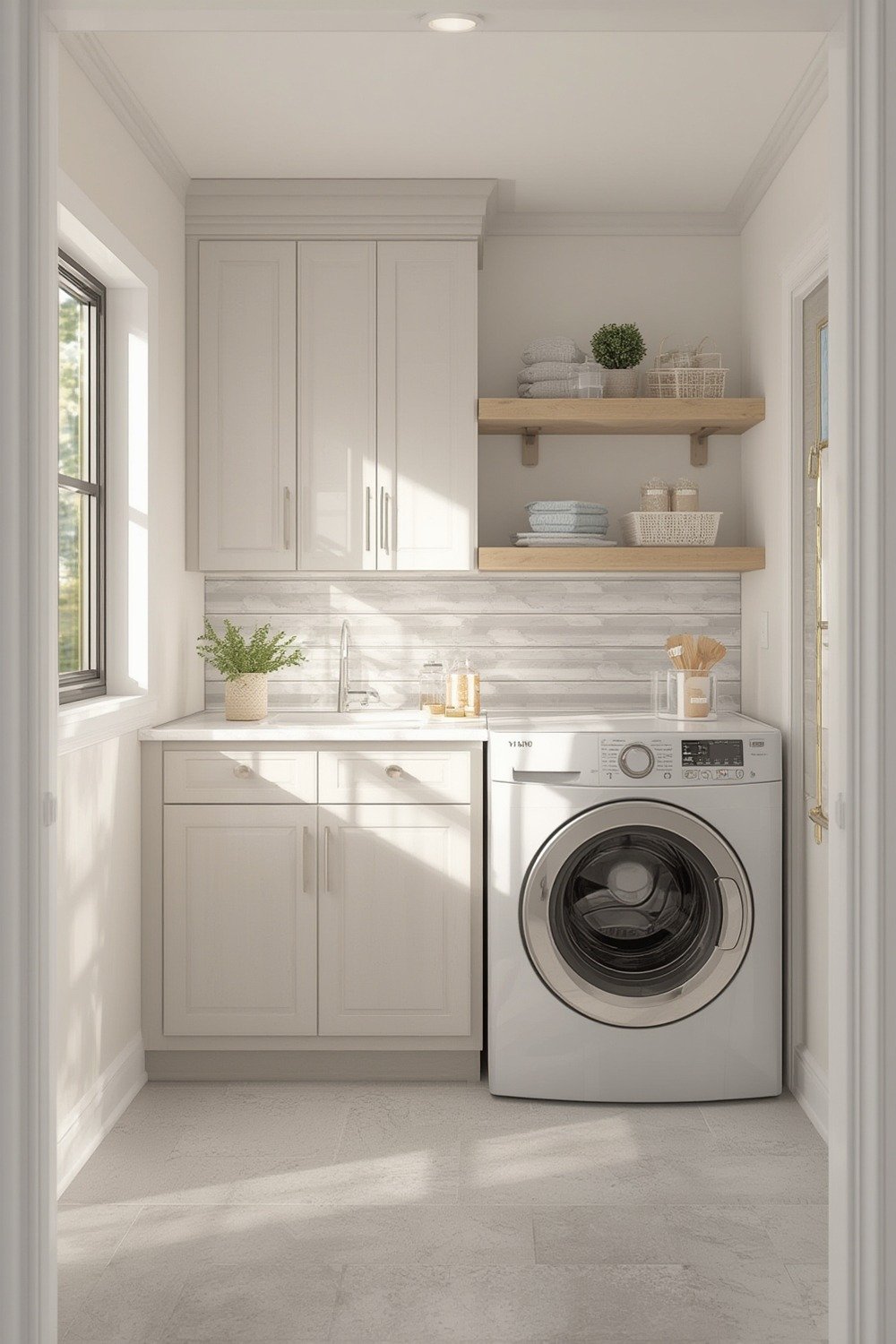
These tiles are popular because they are simple to cut, repositionable during install, and most new versions focus on waterproof adhesive formulas and stronger top layers for durability. Many designs offer trendy matte finishes, earthy tones, terrazzo, or even designer marble looks—without the permanent cost (or demo work) of traditional ceramic backsplash or wall tiles.
If you like practical, affordable upgrades with an option to switch up the look in a few years, peel-and-stick is hard to beat. However, proper surface prep, quality tile choice, and realistic expectations are key for satisfaction—especially in high-moisture, high-use rooms like laundry and utility spaces.
For a deeper dive into waterproof tile innovations, check out our review of waterproof backsplash tiles.
Step-by-Step Guide: How to Nail Your Laundry Room Peel Stick Upgrade
Ready to tackle your own laundry room peel stick upgrade? Follow these steps for results that last:
- Choose Your Tiles: Select quality, waterproof, and stain-resistant peel-and-stick tiles suited for high-moisture environments. Look for products labeled specifically for bathrooms or kitchens, as their adhesives will handle humidity better. Matte finishes and earth tones remain popular (see 2025 laundry trends here).
- Measure & Buy: Measure the area to be covered—always order 10–15% extra for mistakes and future repairs. Tiles are usually sold by the square foot or in packs.
- Prep the Surface: Clean the wall thoroughly. Remove dust, grease, and any soap residue. Allow the surface to dry completely. For textured or uneven walls, a light sanding and wipe-down help adhesion.
- Plan Your Layout: Do a loose layout by placing the tiles (with backing still on) along the wall. This prevents awkward small pieces at ends and visual misalignments.
- Start Sticking: Begin at the bottom center or a straight edge (not a corner). Peel the backing off each tile one at a time. Press firmly, smoothing bubbles out as you go.
- Cut to Fit: Use a sharp utility knife and straightedge for accurate cuts around outlets, trim, and cabinetry. For corners or odd shapes, work patiently—repositioning is possible with most modern tiles, but frequent lifting can weaken the adhesive.
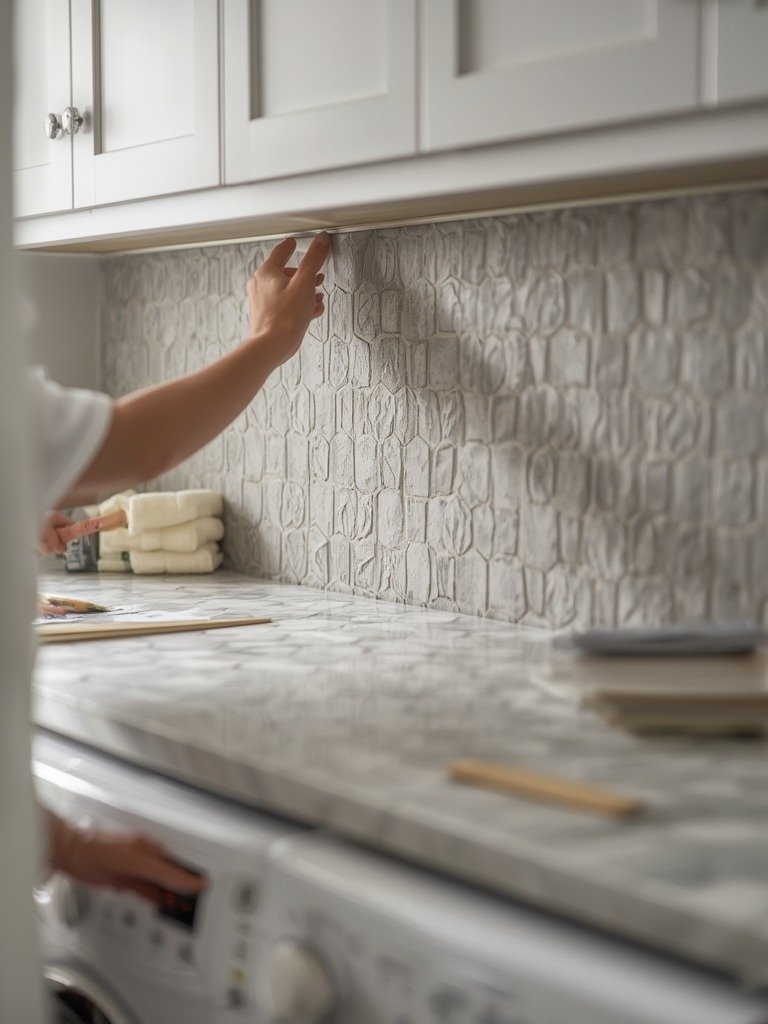
- Seal Edges (Optional): For laundry rooms prone to water splashes, use a thin bead of clear, mold-resistant caulk along the edges and around fixtures. This step improves water resistance and stops moisture from getting behind tiles.
- Final Inspection: Step back and check for gaps, misaligned patterns, or bubbles. Press them flat, trim excess, and clean the surface gently with a non-abrasive cloth.
For more upgrades that are renter-friendly and easy to swap out, see our guide to trending LVP flooring options or explore peel tiles for matching the look underfoot.
Want a cozy feel for baskets and ironed linens? Add a cork liner to laundry cabinets or drawers.
Advanced Analysis & Common Pitfalls: What to Really Watch Out For
While peel-and-stick tiles keep growing in popularity for laundry rooms, it’s not all smooth sailing. Here are the key issues, technical considerations, and honest comparisons you should know before starting your upgrade:
- Adhesive Weakness & Moisture: Even improved adhesives can struggle in very humid laundry spaces, especially if the installation surface wasn’t perfectly dry. Some users report tiles peeling at the corners or after months of exposure to steam, though most newer products improve on this with enhanced glue systems (source).
- Surface Prep Is Critical: Tiles rarely stick well to dusty, soapy, or heavily textured drywall. Skipping proper prep is the most common reason for low durability and poor finish.
- Seams & Appearance: Some inexpensive tiles can “shrink” over time, creating gaps or noticeable seams—especially with repeated temperature swings. Choose thicker quality materials and be precise in your cuts.
- Long-term Durability: There are no long-term, third-party durability studies specifically comparing peel-and-stick backsplash products in laundry rooms versus traditional tile. General consensus is they do well for light-to-moderate use but may suffer in heavy-duty or commercial utility settings.
- Waterproofing: While market reports highlight much-improved water resistance, there’s still no direct data showing peel-and-stick tiles outperform grouted ceramic or porcelain in water-prone settings (source). Treat them as viable—but not indestructible—upgrades.
- Cost & Budget: Most sources agree peel-and-stick tiles are more affordable than traditional installs, but current 2024 reports do not publish exact costs per square foot. You’ll still need to budget for extra tiles and caulk; full laundry makeovers typically stay under $500 if you avoid high-end designer ranges.
| Feature | Peel-and-Stick Tiles | Traditional Tile (Grouted) |
|---|---|---|
| Installation Time | 1–2 hours (DIY) | 6–12 hours (pro or skilled DIY) |
| Cost (2024) | Typically lower; under $500 for small rooms | Higher—often over $1,200 for pro install |
| Best For | Rental units, quick updates, moderate moisture | Permanent upgrades, heavy moisture, resale value |
| Durability | Good with proper prep; may peel in extreme humidity | Excellent (decades with proper care) |
| Waterproofing | Improved, but not quite grout-level | Superior (waterproof when well grouted/sealed) |
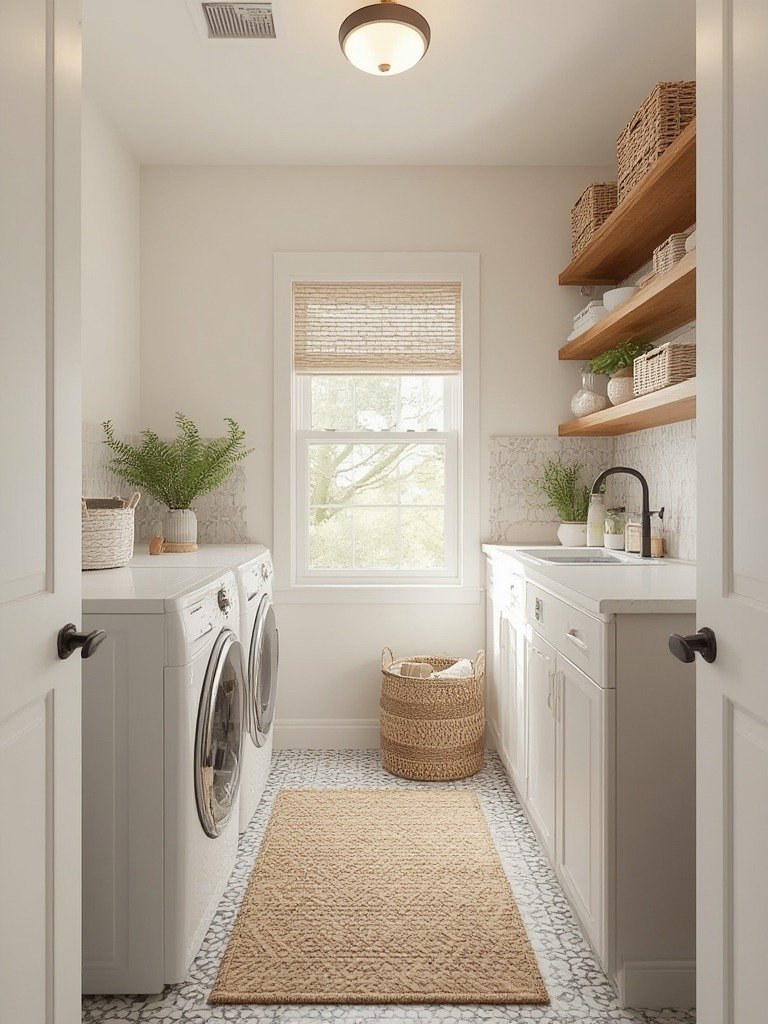
For utility spaces with extra wear (mudrooms or pet wash areas), you might want to pair your wall upgrade with new peel tiles on the floors for easy cleaning and a coordinated look.
Thinking bigger than laundry spaces? Try an enclosed porch conversion to maximize your whole home’s renovation value.
Conclusion: Should You Try a Laundry Room Peel Stick Upgrade?
If you want a dramatic, water-resistant makeover for less money and labor, a laundry room peel stick upgrade is a practical choice in 2024. While they don’t yet outlast traditional tiles in every scenario, peel-and-stick solutions are leaps ahead in adhesive performance, stain resistance, and visual variety—delivering more style for the dollar than ever before.
Find the right balance for your needs and space by focusing on careful surface prep and choosing only true waterproof and stain-resistant products. Ready to give your laundry area a fresh new look? Try your laundry room peel stick upgrade today and share your results with us!
Frequently Asked Questions
Can peel-and-stick tiles really handle laundry room moisture?
Yes, most modern peel-and-stick tiles designed for backsplashes offer water resistance suitable for light splashes and humidity. Always select brands labeled as waterproof and follow careful surface prep to minimize the risk of peeling.
How long do laundry room peel-and-stick tiles last?
With proper prep and in moderate conditions, expect 3-8 years of good performance. High heat or repeated soaking may shorten lifespan, and lower-priced products may peel sooner.
What surfaces do peel-and-stick tiles work best on?
Smooth, dry, and non-porous walls are optimal. Avoid textured paint, unpainted drywall, or brick without extra prep. Thoroughly cleaned painted drywall or primed wood is perfect.
How can I make a full DIY laundry room makeover for under $500?
Use affordable peel-and-stick wall/floor tiles, update storage with budget shelving or a shoe bench, and refresh handles/hardware. Avoid pro labor and do simple upgrades yourself.
Are there eco-friendly options for peel-and-stick laundry tiles?
Yes, several brands now offer eco-friendly tiles made from recycled vinyl or biodegradable polymers. Double-check product details for “eco” or “green” certifications if sustainability is your goal.