


Japandi furniture is transforming modern interiors, merging Japanese minimalism with Scandinavian warmth to create serene, clutter-free spaces. This guide covers everything you need to know before you buy or style with Japandi, revealing what to expect in the fast-growing market, realistic challenges, and little-known tips to get it right.
Key Takeaways
- Japandi furniture blends Japanese and Scandinavian design, emphasizing minimalism, function, and warm natural textures.
- The Japandi market is surging, especially among urban millennials and Gen Z—authenticity and material quality matter more than ever.
- Choosing the right Japandi pieces requires careful consideration of sourcing, size, wood type, and maintenance to avoid pitfalls.
- What Is Japandi Furniture? The Core Concept Explained
- How to Source & Style Japandi Furniture: Step-by-Step Guide
- Advanced Analysis & Common Pitfalls: Realistic Problems to Avoid
- Conclusion: Making Japandi Furniture Work for You
- FAQ on Japandi Furniture
What Is Japandi Furniture? The Core Concept Explained
Japandi furniture is a hybrid design trend combining the simplicity and natural focus of Japanese interiors with the functionality and coziness of Scandinavian style. The core of Japandi is balance: clean lines meet warm, earthy colors and high-quality, mostly wooden materials. People choose Japandi not for trendiness, but for calm, practical living in smaller, urban spaces.
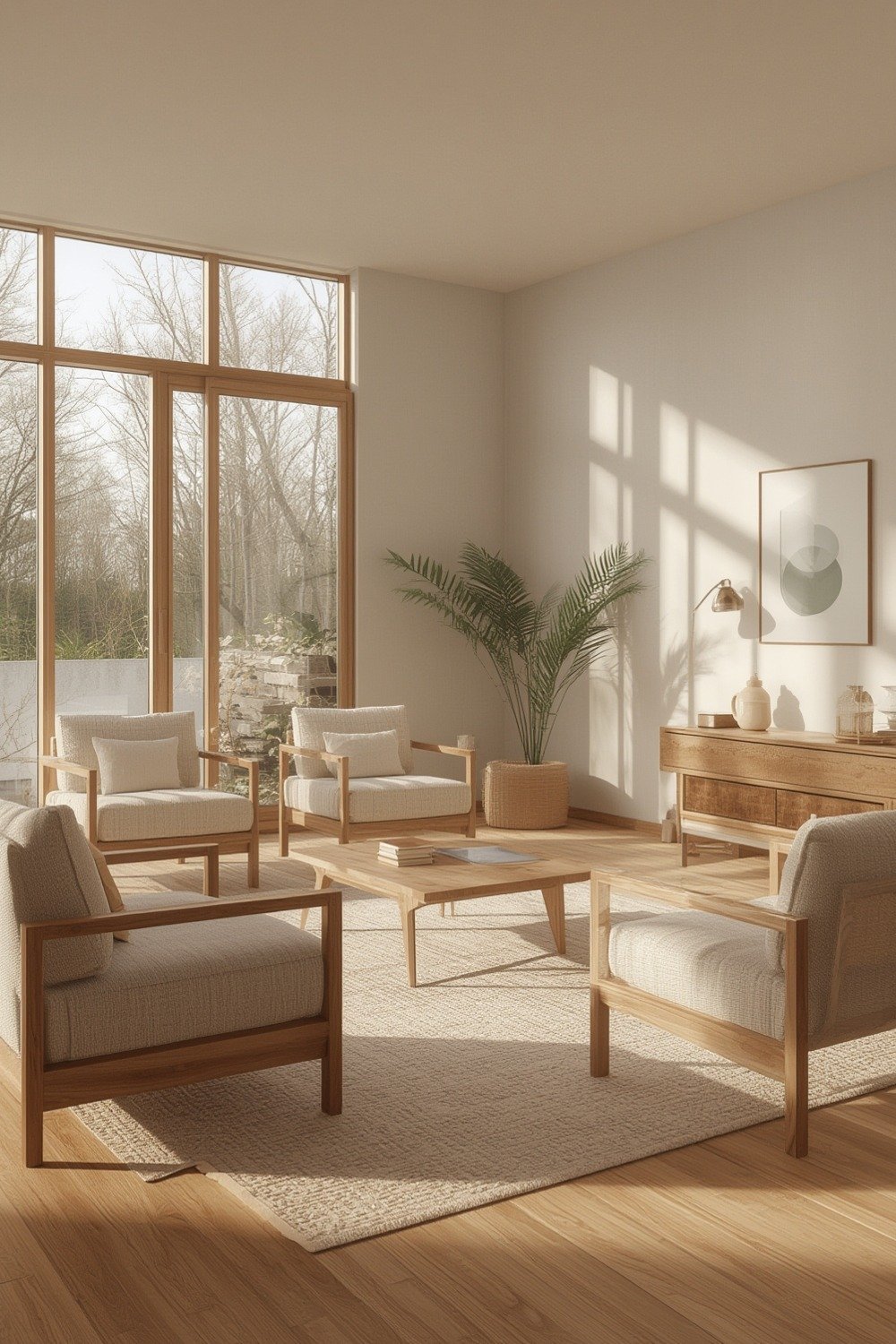
Furniture typically features low profiles, organic materials, and subtle details—think of a blonde wood dining table with tapering legs, or a linen-upholstered sofa in matte, muted tones. Japandi avoids clutter, electric colors, or synthetic-looking finishes. Instead, it relies on quality materials like solid oak, ash, and soft fabrics for a “slower” feel.
The trend’s popularity grows quickly: Japan’s home furnishing market reached USD 20B in 2024 and is projected to soar, driven by the urban, minimalist lifestyles of Millennials and Gen Z in cities like Tokyo and Osaka. Searches for Japandi living rooms on Pinterest rose 135% in 2024, revealing a craving for serene simplicity at home.
How to Source & Style Japandi Furniture: Step-by-Step Guide
Want to introduce the Japandi look at home? Follow these key steps for sourcing and styling Japandi furniture without common regrets:
- Assess Your Needs and Space
Measure your room and zero in on essential pieces (sofa, table, bed). Overfilling with accent chairs or décor defeats Japandi minimalism. - Source Furniture from Reputable Brands
Established brands like Nitori, IKEA, and MUJI offer Japandi-inspired lines for all budgets; for online options, check Wayfair or Restoration Hardware for a wide selection. Budget for higher quality on key pieces—premiums often justify themselves in durability and feel.
Related: See how LVP flooring trends can complement Japandi spaces - Prioritize Natural Woods and Durable Fabrics
Look for solid oak, ash, or beech rather than wood veneers or plastics. Sustainable domestic woods are growing, but check for certifications if sustainability matters. Seek tactile, natural fabrics like linen, wool, or organic cotton. - Choose Muted Colors and Simple Forms
Japandi colors are earthy: soft browns, muted greens, pale greys. Avoid plastic, glassy, or shiny finishes. Minimal hardware and visible joinery show honesty in materials—spotting metal screws on a bench usually betrays mass-market shortcuts. - Integrate Tranquility with Practicality
Storage is hidden or built-in, keeping visuals clean. No heavy patterns or heavy-handed accessories. Embrace wabi-sabi imperfection—minor knots or visible wood grain signal authenticity.
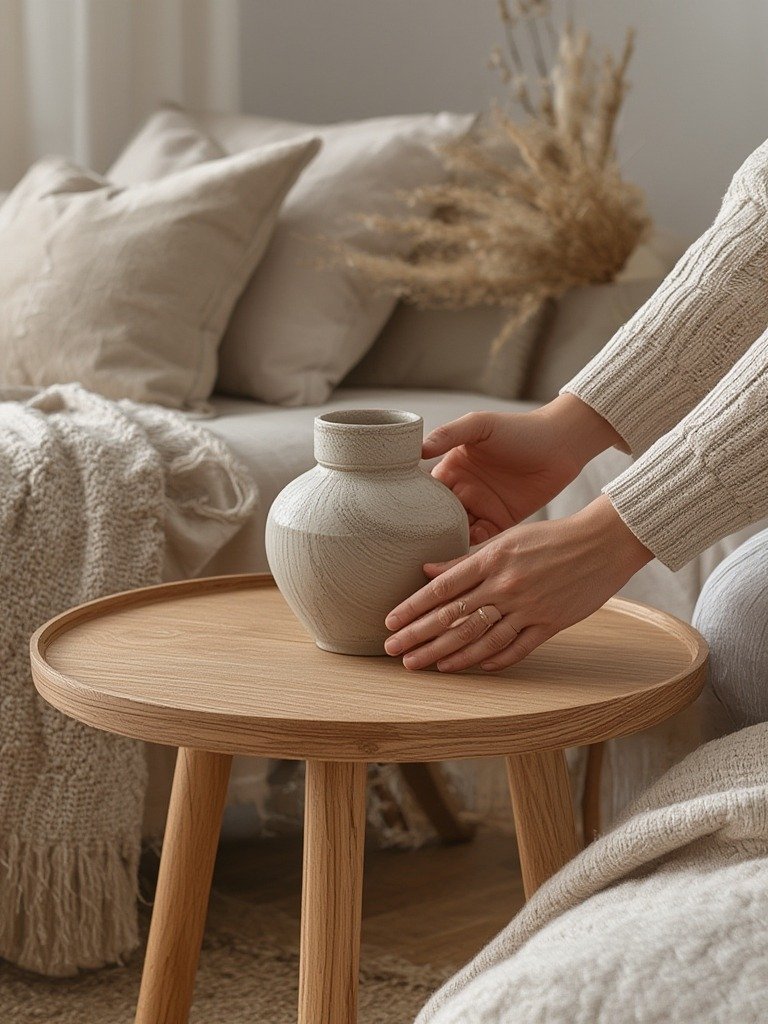
For wall and floor finishes, peel-and-stick tiles with a stone or wood look (see our waterproof backsplash tiles review) work especially well in Japandi kitchens. Similarly, choosing low, open storage (like a minimalist shoe bench) reduces clutter at entries. Converting an enclosed porch with earthy textures is another way homeowners create tranquil, multipurpose Japandi nooks.
Maintenance is simple: dust regularly, treat wood with natural oil, and avoid harsh chemicals. With time, small imperfections and patina add to authenticity and the wabi-sabi appeal.
Advanced Analysis & Common Pitfalls: Realistic Problems to Avoid
Japandi furniture promises tranquility and simplicity, but there are real issues buyers run into. Here’s what research and experience reveal:
- Sticker Shock & Authenticity: High-end Japandi pieces command premium prices; custom or artisanal craftsmanship (with solid woods/domestic content) often runs two to three times higher than mass-market brands. Budget ranges are hard to predict—mid-range dominates nearly 49% of the Japan market, but those on a budget can expect thinner veneers, lower durability, and some visible shortcuts. See the value breakdown below.
- Material Inflation: As wood prices rise, budget makers turn to composites and polymers, which might feel less authentic. Always ask about species and construction—even some “solid wood” claims hide layered cores.
- Urban Downsizing: Many Japandi buyers have small floorplans. Oversized furniture or poor space planning quickly ruins the effect—go compact and modular.
- Delivery Surprises: Large, heavy wood pieces risk delays or damage during shipping, especially from global retailers. Insist on robust packaging and inspect on arrival before signing off.
- Maintenance Neglect: Without simple oiling and care, even the best finishes fade or stain easily, particularly when used in high-traffic areas.
| Category | Material Quality | Typical Source | Expected Price (USD) | Pros/Cons |
|---|---|---|---|---|
| Custom/Artisanal | Solid hardwoods, hand-finished | Specialty shops, craftspeople | $2000–$6000+ (sofa/table/bed) | Unique, authentic, but costly, long lead times |
| Premium Retail | High-quality wood, some veneers | IKEA, Restoration Hardware, Williams-Sonoma | $800–$3000 | Good design, better warranties, risk of mass appeal over uniqueness |
| Mass-Market | Veneers, composites, some plastics | Nitori, Wayfair, Ashley Furniture | $300–$1000 | Accessible price, but may lack longevity, authenticity in look/feel |
Another common mistake is over-accessorizing—Japandi demands restraint. Avoid colorful or synthetic décor, and opt for a few high-impact, honest materials instead.
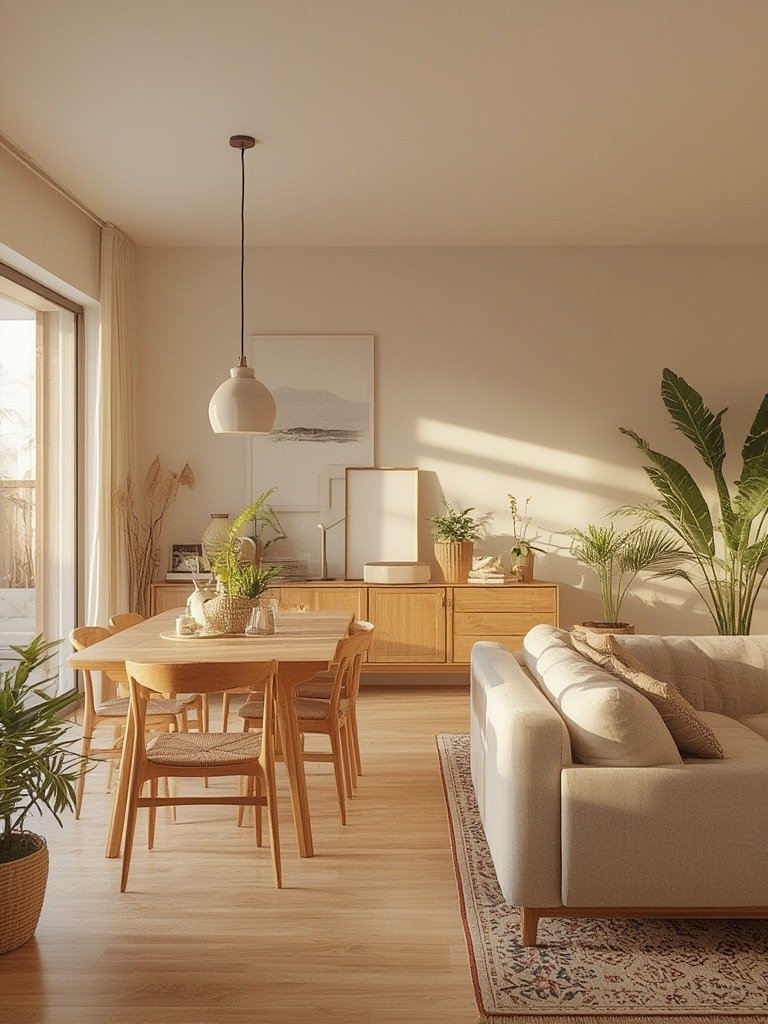
If you need to protect floors or walls near furniture, see our peel tiles floor guide—a smart complement for minimal interiors. Don’t forget that Japandi’s success relies on fewer, better things and a disciplined layout, especially in multipurpose zones.
Conclusion: Making Japandi Furniture Work for You
Japandi’s enduring appeal lies in its honest materials, efficient form, and subtle beauty. By choosing Japandi furniture thoughtfully—paying close attention to quality, scale, and authenticity—you can build a space that soothes without ever feeling spare. Avoid overbuying, plan for care, and embrace organic flaws. Ready to try Japandi? Start small, invest in key pieces, and let your home’s calm simplicity unfold.
Have questions or want to share your Japandi journey? Comment below or explore our other guides to pair your Japandi furniture with the latest in practical home upgrades.
FAQ on Japandi Furniture
What defines Japandi furniture compared to traditional Japanese or Scandinavian designs?
Japandi furniture fuses Japanese minimalism and craftsmanship with Scandinavian warmth and functionality. It usually blends natural, unfinished woods, low silhouettes, and matte, earthy colors—more restrained than Scandi, softer than Japanese modernist.
Which brands offer authentic Japandi furniture in 2024?
Top choices include Nitori, IKEA, MUJI, Wayfair, and Restoration Hardware, each offering differing levels of quality and price. For minimalist, modular options, MUJI is a standout, while Nitori emphasizes affordability and sustainability. For more guidance, see our enclosed porch conversion guide to expand your Japandi spaces.
How can I tell if a piece is truly Japandi rather than just generic minimalism?
Check for honest materials (solid wood, visible grain), simple joinery, muted color palettes, and no flashy hardware. Overcomplicated forms, glossy plastics, or ornate fabrics are not typical of Japandi design.
Is Japandi furniture suitable for small apartments?
Yes—Japandi’s low, compact furniture and focus on clear floor space make it ideal for modern urban living. Look for modular designs with built-in storage and avoid overfilling the space.
Are there affordable ways to achieve a Japandi look?
Absolutely. Upcycle unpainted wood pieces or choose economical lines from brands like Nitori and IKEA. You can also use peel-and-stick wood or stone tiles for floors and backsplashes for instant impact—see our Peel Tiles floor guide for ideas.