

Herringbone peel stick pattern is changing the way homeowners approach flooring and backsplashes, offering a stylish alternative to traditional tiles that saves time and money. If you want a designer look with less hassle, this guide breaks down everything you need to know for real-world success.
Key Takeaways
- Herringbone peel stick pattern tiles deliver high design with DIY-friendly installation, but require careful alignment for the best look.
- Success depends on surface preparation, measuring, and starting position to avoid frustrating misalignments or wasted materials.
- Durability, price, and long-term performance vary across brands; always check specs and reviews before committing.
- What Is a Herringbone Peel Stick Pattern and Why Choose It?
- How to Install Herringbone Peel Stick Pattern: Step-by-Step
- Advanced Analysis & Common Pitfalls
- Conclusion
- FAQ
What Is a Herringbone Peel Stick Pattern and Why Choose It?
A herringbone peel stick pattern consists of self-adhesive tiles, usually made from vinyl or PVC, cut into rectangular pieces that interlock at an angle to mimic the timeless herringbone layout. The appeal lies in its ability to elevate any space—floors, backsplashes, or accent walls—with a classic, geometric design that traditionally requires skillful tile setting. These products can be applied directly over existing surfaces, letting homeowners sidestep demolition, grout, and complicated installations. According to recent peel and stick tile market research, demand for peel-and-stick tiles is climbing, particularly for on-trend patterns like herringbone.
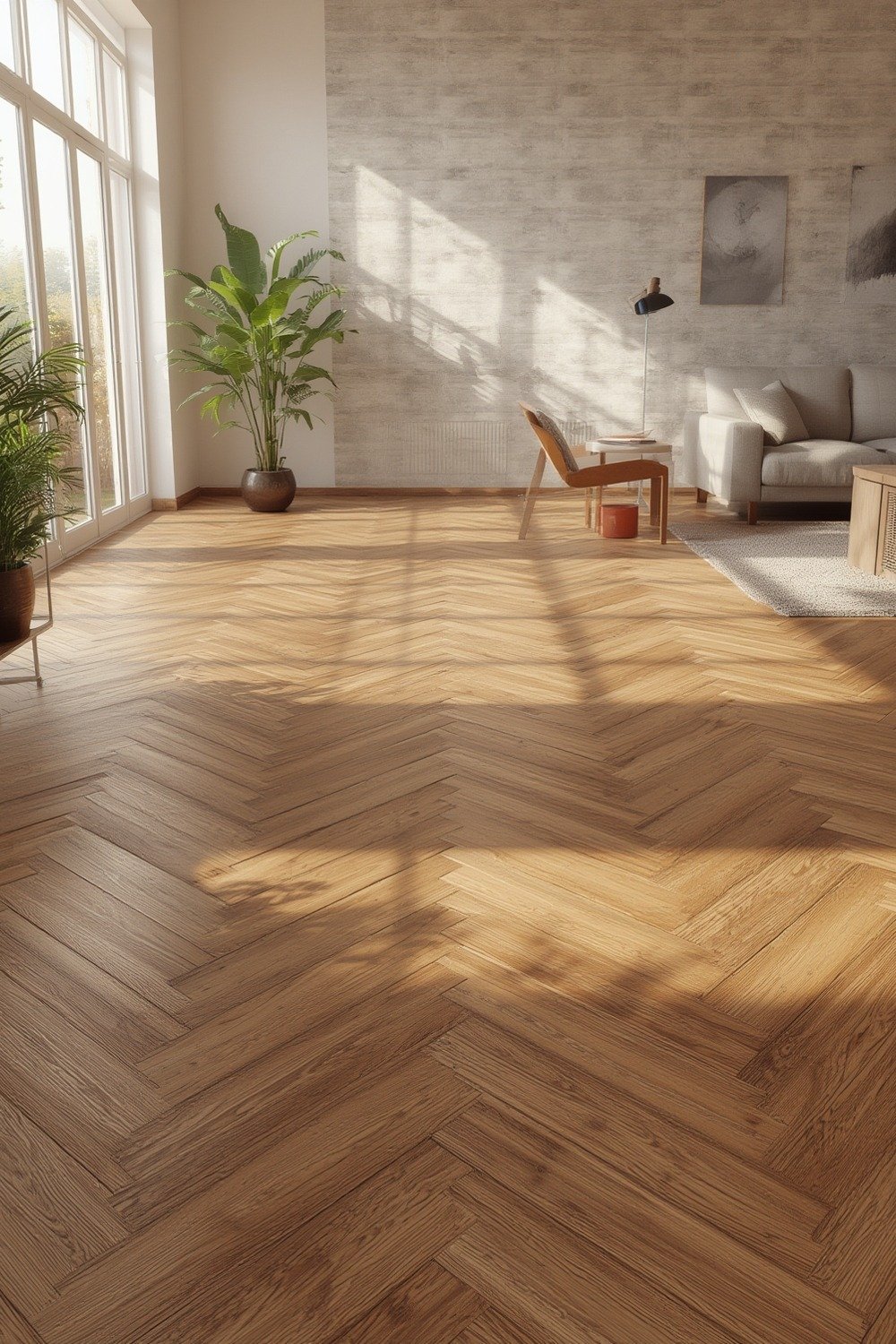
The main advantage? You get a high-impact pattern without needing professional help. The catch: precision is key. Herringbone layouts are unforgiving if you start off-kilter or let gaps drift. Yet, if you follow the right process, results can be stunning—on a budget and a tight timeline.
For more insights into easy, water-resistant tile solutions, visit our full guide on waterproof backsplash tiles.
How to Install Herringbone Peel Stick Pattern: Step-by-Step
Installing a herringbone peel stick pattern takes planning. Here is a proven method that helps you avoid common mistakes and creates a lasting, designer finish.
1. Pre-Installation Surface Prep
Clean your floor or wall thoroughly. Remove any dust, grease, or wax—these will reduce adhesive grip. Smooth out bumps with filler or a sander. Tiles stick best to smooth, dry, clean surfaces like sealed concrete, smooth wood, or primed drywall. Avoid direct application over uneven or textured tiles.
For installation on floors, it’s smart to check subfloor compatibility. Not all peel-and-stick tiles bond well to high-moisture areas. Refer to manufacturer recommendations or see our latest comparison of LVP flooring trends for more subfloor tips.
2. Planning the Pattern
Measure the full installation area. Mark a central point and snap a guide line at a 45° angle (for classic herringbone). This becomes your reference axis—small errors here cascade across your whole project. Dry-lay several tiles without removing the backing material to visualize the layout and pre-cut any edge pieces.
3. Applying the Tiles
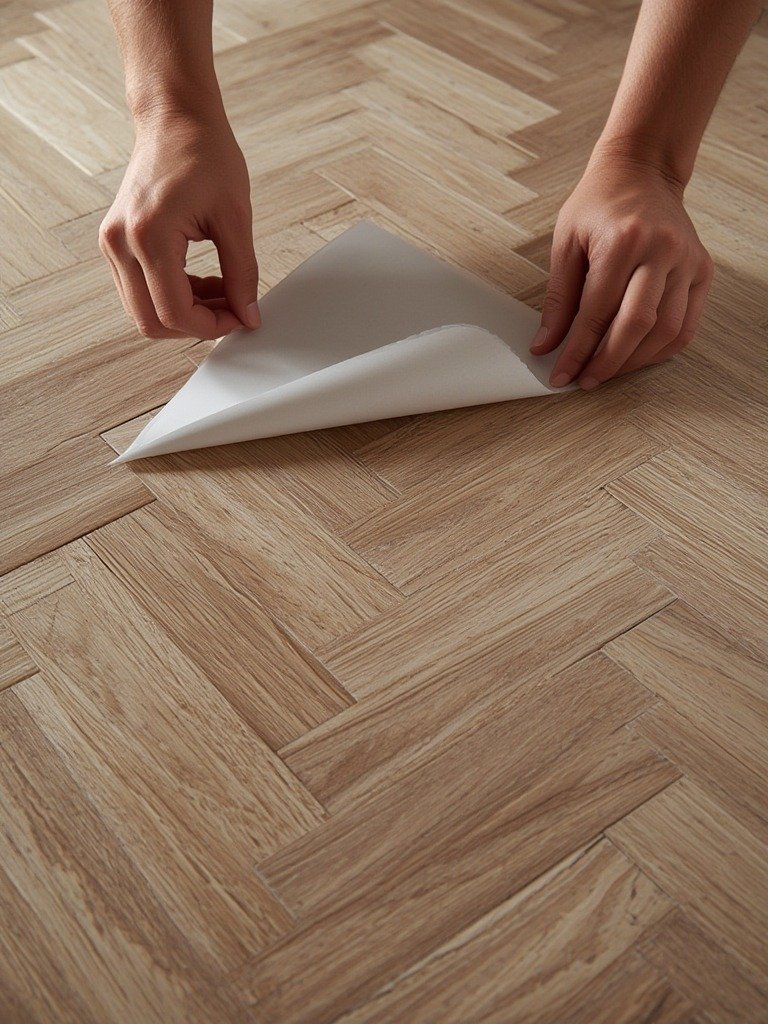
Starting at your marked baseline, begin peeling and sticking the tiles. Press down from the center and work outward, maintaining the precise angle. Use a roller or rubber grout float for even pressure. Stagger joints for a natural look. Trim edge or corner tiles with a sharp utility knife and straightedge.
If working around outlets, corners, or irregular features, take extra care when cutting. Consider watching video tutorials or referencing “hacks” from experienced DIYers via forums or retailer product Q&As.
4. Finishing Touches
Inspect for loose corners or visible gaps. For extra durability, especially on floors or backsplashes near sinks, apply a bead of silicone caulk around the perimeter. Avoid mopping or splashing water for at least 48 hours to give the adhesive time to bond fully.
Craving more inspiration for statement floors? See how modern “peel tiles” are used in trending home upgrades in our step-by-step flooring guide.
Advanced Analysis & Common Pitfalls
Herringbone peel stick pattern tiles are growing in popularity, but there are important realities to consider before you buy and install. Recent market data shows consumers are drawn to the style, but product experience varies.
Market Trends & Performance Considerations
Industry research confirms strong market growth: the global peel-and-stick backsplash market reached USD 1.2 billion in 2023 and is set for steady expansion through 2032 (see report). Self-adhesive tile products are especially popular for fast home makeovers, with notable sales spikes for trending wood-look and herringbone styles (source). However, not all install experiences are the same—especially with patterned layouts.
Problems Frequently Overlooked
- Misalignment and pattern drift: Even small angle errors at the start create visible, compounding gaps—especially problematic in herringbone designs, which demand precise symmetry.
- Poor surface prep: Residual dust, bumps, or old adhesive can lead to edge lifting or premature tile failure—one of the main complaints on retailer forums.
- Adhesive and durability differences: Many low-cost tiles offer thinner adhesive and are more prone to curling under moisture or heat, especially in baths or kitchens. Check for waterproofing claims and confirm with product reviews; our waterproof backsplash tiles review dives into best-in-class performers.
- Limited design “fixes”: Unlike real tile, peel and stick can’t be regrouted or repaired easily. A misapplied or lifting section usually means full replacement is needed.
| Feature | Herringbone Peel Stick Pattern | Traditional Herringbone Tile |
|---|---|---|
| Skill Level Needed | Beginner to Intermediate | Expert or Professional |
| Installation Time | 1-2 days (DIY) | 3-6 days |
| Cost per Square Foot | $0.30–$0.72 (varies by brand) | $5–$15 (materials & labor) |
| Moisture/Heat Resistance | Varies—best to check waterproof ratings | High; grout may stain or crack over time |
| Long-term Durability | 3-7 years (with care) | 15+ years |
| Repair/Replacement | Spot replacement usually visible | Re-grouting/repair possible |
For high-traffic spaces or multi-year permanence, consider whether you need removable, renter-friendly surfaces or a legacy investment. Compare more options and upgrades—like entryway solutions that complement your herringbone floor—in our shoe bench review.
Conclusion
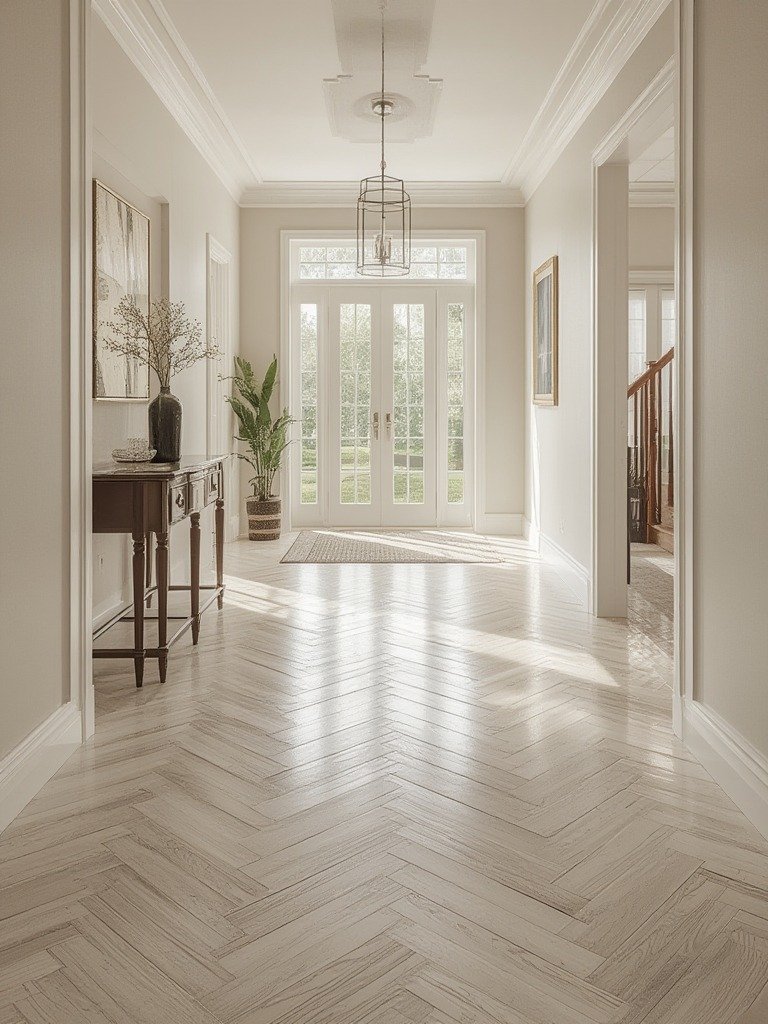
Done right, the herringbone peel stick pattern can entirely transform a room, delivering a premium look that is affordable and achievable by most DIYers. The key is a careful start, rigorous prep, and awareness of product limitations. Not all brands perform equally—always review technical specs and recent buyer feedback. If you’re ready to start your herringbone peel stick pattern project, gather tools, measure twice, and make your first cuts carefully. Want more DIY and materials guides? Explore our tips on enclosed porch conversions or build your skills with our cork liner tutorial.
Ready to elevate your space? Shop trusted brands and reference this guide—your new look is just a few careful steps away.
FAQ
What surfaces can I install herringbone peel stick pattern tiles on?
They work best on clean, smooth, dry, non-porous surfaces such as primed drywall, painted plaster, sealed concrete, or finished wood. Avoid dusty, oily, or heavily textured bases for best results.
Are herringbone peel stick pattern tiles waterproof?
Most are water resistant, but not all are fully waterproof. Always check product specs and use extra silicone caulk at the seams in high moisture zones like backsplashes or bathrooms.
Can I remove or reposition the tiles later?
Most peel-and-stick tiles are semi-removable, but may not cleanly lift if left for years or exposed to heavy heat/humidity. Tiles may break or leave adhesive residue behind. Repositioning is easiest within the first few minutes of placement.
What are the biggest mistakes to avoid with herringbone patterns?
The most common errors are poor surface prep, skipping a straight baseline, and rushing layout planning. Double-check your angle and do a dry run with cut pieces before you peel off the backing.
How do I make peel-and-stick tiles last longer?
Avoid excess water for the first 48 hours, clean gently, and add perimeter caulk. Protect against dragging furniture and use entry mats in high-traffic zones.