

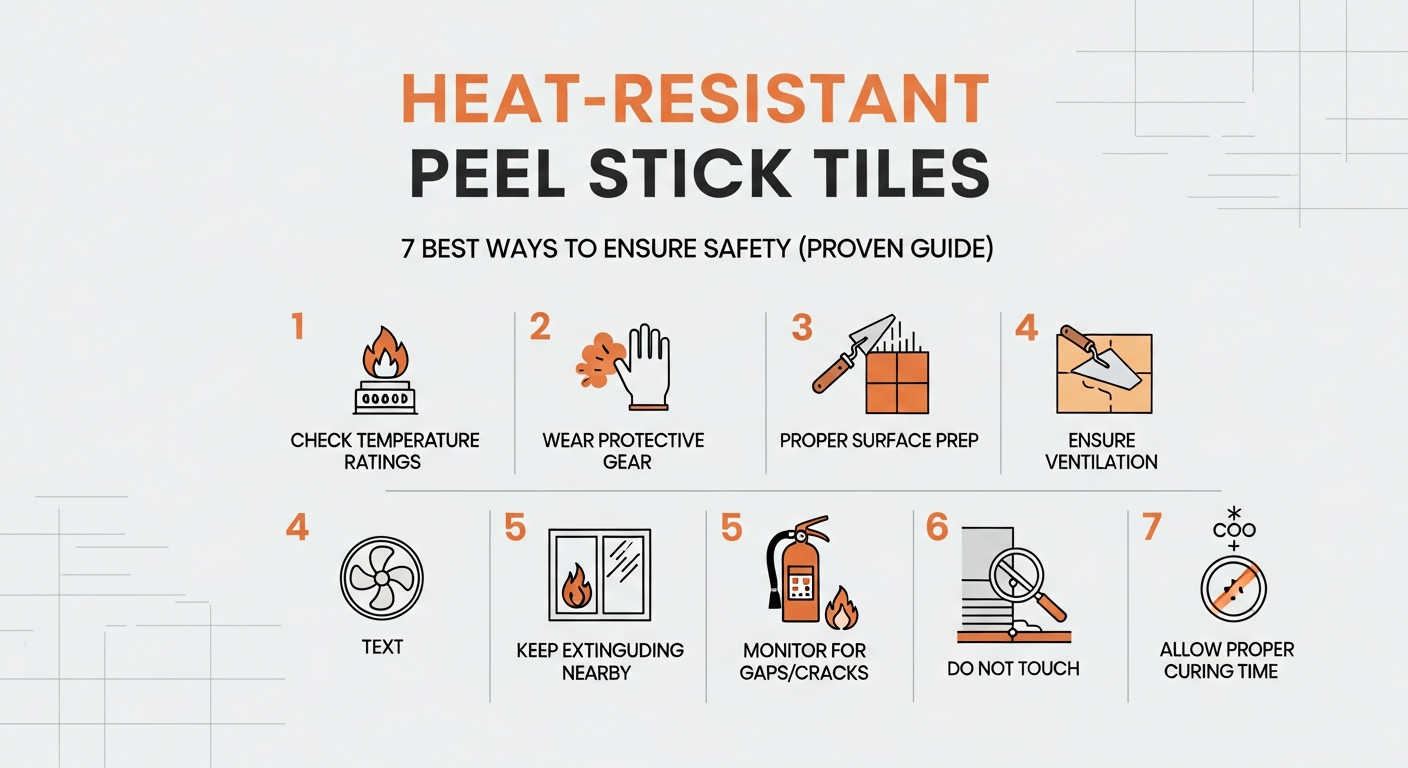
heat-resistant peel stick tiles promise a fast upgrade for kitchen backsplashes, but do they really hold up behind a stove? If you’re considering peel-and-stick tiles where heat and cooking splatters are constant, there are crucial facts and gaps the product descriptions won’t reveal. This is the no-spin, technical guide to what actually works—and what doesn’t—when choosing “heat-resistant” peel stick tiles for demanding real-life kitchens.
Key Takeaways
- Most “heat-resistant peel stick tiles” have low official temperature thresholds—often under 50°C (120°F)—far below the heat behind many stoves.
- Manufacturers rarely disclose long-term adhesion failures or safety standards, and formal third-party fire certifications are typically missing.
- Peel-and-stick remains a renter-friendly, low-cost cosmetic option, but verifying its suitability and compliance for use behind stoves is critical.
- The Core Concept: What Are Heat-Resistant Peel Stick Tiles?
- Step-by-Step Guide: Installing and Evaluating Heat-Resistant Peel Stick Tiles
- Advanced Analysis & Common Pitfalls
- Conclusion
- FAQ Section
The Core Concept: What Are Heat-Resistant Peel Stick Tiles?
Heat-resistant peel stick tiles are self-adhesive panels designed to mimic ceramic, stone, or metal backsplashes—requiring zero grout, thinset, or special tools. “Heat-resistant” versions claim to tolerate temperatures higher than standard decorative stick-on tiles, making them a tempting upgrade for splash-prone, high-traffic areas like the kitchen range or behind sinks. The stated appeal is quick installation, easy repositioning, and modern looks—plus the promise of durability against heat and moisture.
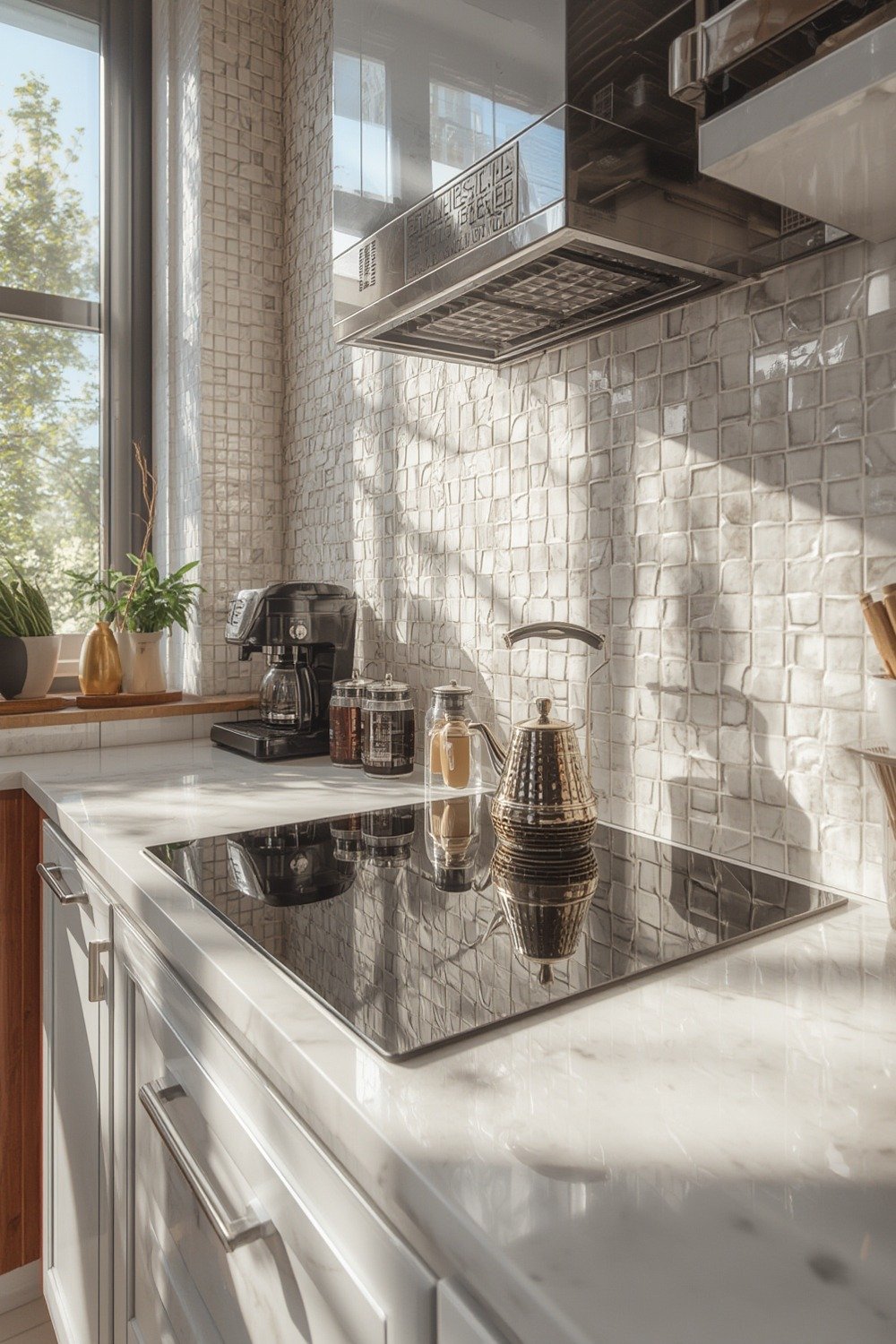
However, based on published specifications, the majority of these tiles define “heat resistance” as tolerating temperatures up to about 49°C (120°F)—the threshold for products like Blok White by Smart Tiles. This is dramatically lower than the actual wall temps recorded a few inches above stove burners, which regularly spike well above 200°C (400°F) in real-life cooking situations. Few, if any, self-adhesive tiles on the market carry certification for higher thermal resistance or official fire ratings. Other options, like metal-backed panels, add some thermal insurance but also lack clear code compliance for direct use behind gas burners or cooktops.
If your primary concern is waterproof performance for backsplashes outside the hottest “splash zones,” check out our review of waterproof backsplash tiles.
Step-by-Step Guide: Installing and Evaluating Heat-Resistant Peel Stick Tiles
Ready to try “heat-resistant” peel-and-stick tiles in your kitchen? Here’s how to do it safely—and maximize your return on investment.
- Confirm area suitability: Review both product fine print and local code. Verify the manufacturer’s stated heat limit (rarely higher than 49°C/120°F, per Smart Tiles). Many codes ban adhesives or plastics immediately behind active cooktops or open-flame ranges.
- Prepare the surface: Clean and dry the wall thoroughly. Paint, old caulk, and grease will weaken adhesion. Use mild degreasers and let dry for 24 hours.
- Map your layout: Mark a straight baseline and dry-fit all tiles to avoid last-minute realignment. Stagger joints for extra visual appeal.
- Remove backing and position tiles: Press firmly from the center outward to eliminate air bubbles. Most tiles are repositionable during installation and set fully after 48 hours (source).
- Seal edges for splatter zones: If near a sink or non-heated splash zone, consider a thin bead of clear silicone caulk at the seams. Never do this behind a stove unless the sealant is also heat- and fire-rated.
- Test for heat tolerance: Run your stove, oven, or cooktop for 10-20 minutes. Touch the wall just above with your hand—if it’s too hot to hold for more than five seconds, skip peel-and-stick in this area and opt for genuine tile, stainless, or glass.
- Monitor over time: Watch for edge curling, discoloration, or warping in the first few weeks. Immediate failures usually signal too much heat or poor adhesion due to cleaning residue.
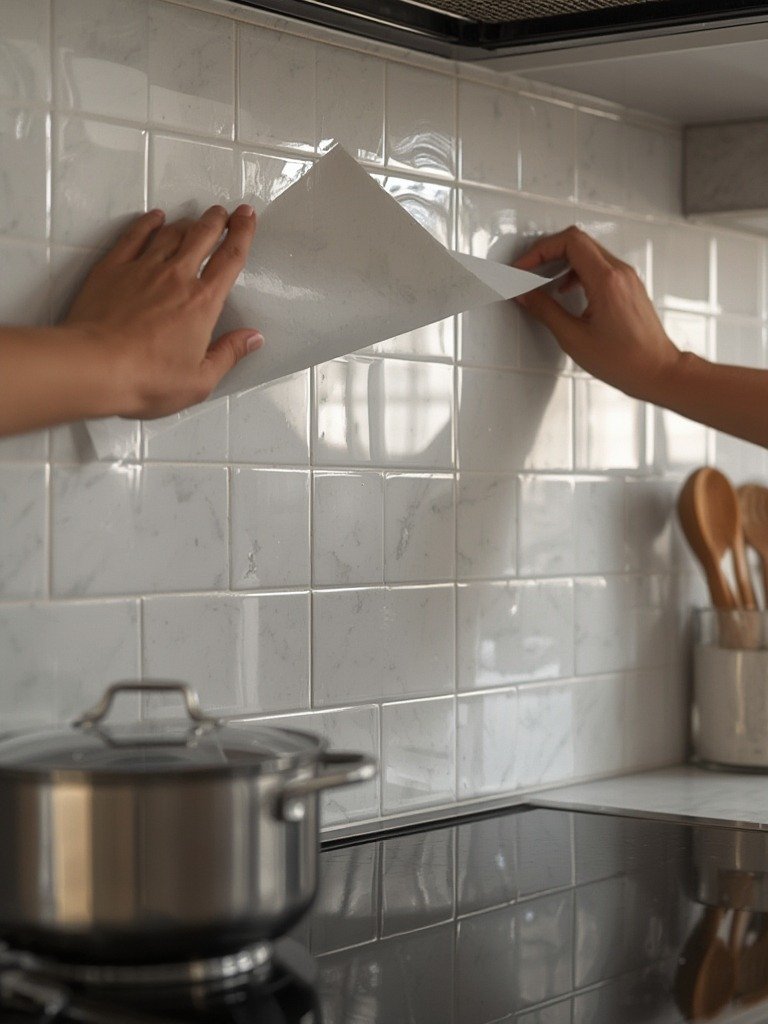
For renters or those seeking a fast cosmetic upgrade, look for removable tiles claimed to avoid residue or wall damage. Renter-friendly options excel not just for backsplashes, but for floors too.
If you’re on a strict budget, peel stick options lower up-front costs and avoid pro labor, but don’t ignore the possibility of rework or failed installs if exposed to direct high heat. See how total project costs compare by exploring both peel-and-stick and traditional tile methods side by side.
Advanced Analysis & Common Pitfalls
The biggest problems with heat-resistant peel stick tiles happen when marketing claims don’t match real kitchen abuse. No formal industry standard exists for “heat resistance” in self-adhesive tiles, and third-party lab fire safety certifications (such as ASTM E119 or UL) are almost never listed—forcing you to rely on manufacturer specs and user reviews.
| Feature | Peel Stick Tiles (Heat-Resistant) | Traditional Ceramic/Glass Tile | Metal (Aluminum/Steel Panel) |
|---|---|---|---|
| Max Rated Temperature | Up to 49°C (120°F) (typical) | >500°C (900°F) (naturally fire-resistant) |
Metal resists 400°C+; depends on substrate |
| Fire Certification | Usually not fire rated or certified | Often Class A/B (fireproof if installed per code) | Metal is noncombustible; adhesive or wall may not be |
| Installation Complexity | DIY-friendly, repositionable for 48 hours | Requires mortar, grout, tools, time | Simple install, but heat transfers through |
| Removal/Changeout | Easy for renters, may damage paint | Permanent; removal is destructive | Depends on attachment method |
| Cost | Low upfront; possible early failure in heat | Higher upfront + pro labor, lasts decades | Varies; often moderate |
| Common Failure Mode | Peeling, warping, discoloration, melting adhesive | Little risk; grout may stain/crack | Discoloration, heat transfer, sharp edges |
| Suitability Behind Stove | Rarely code legal; always confirm local regs. | Fully permitted by code | Permitted if installed over noncombustible wall |
Key pitfalls include:
- Assuming all “heat-resistant” labels mean code-compliant performance; they seldom do behind stoves (source).
- No published data on percentage of user complaints for discoloration, peeling, or melting behind heat sources.
- Lack of published high-temperature adhesive specs or Gel-O’s true limits (source), making apples-to-apples comparison impossible.
- Unclear interaction of adhesives with both heat and moisture—Blok White tiles warn against direct water contact even outside cooking surfaces.
- No incident reports connect these tiles to documented kitchen fires, but absence of evidence is not full proof of safety.
- Most renters and DIYers cite affordability and design first—not fire safety or thermal toughness—as their main reason for choosing peel-and-stick tiles.
For truly waterproof options fit for less intense heat, explore our guide on waterproof backsplash tiles. For advanced material swaps in other spaces, compare LVP flooring trends and enclosed porch conversions that boost home resilience.
Conclusion
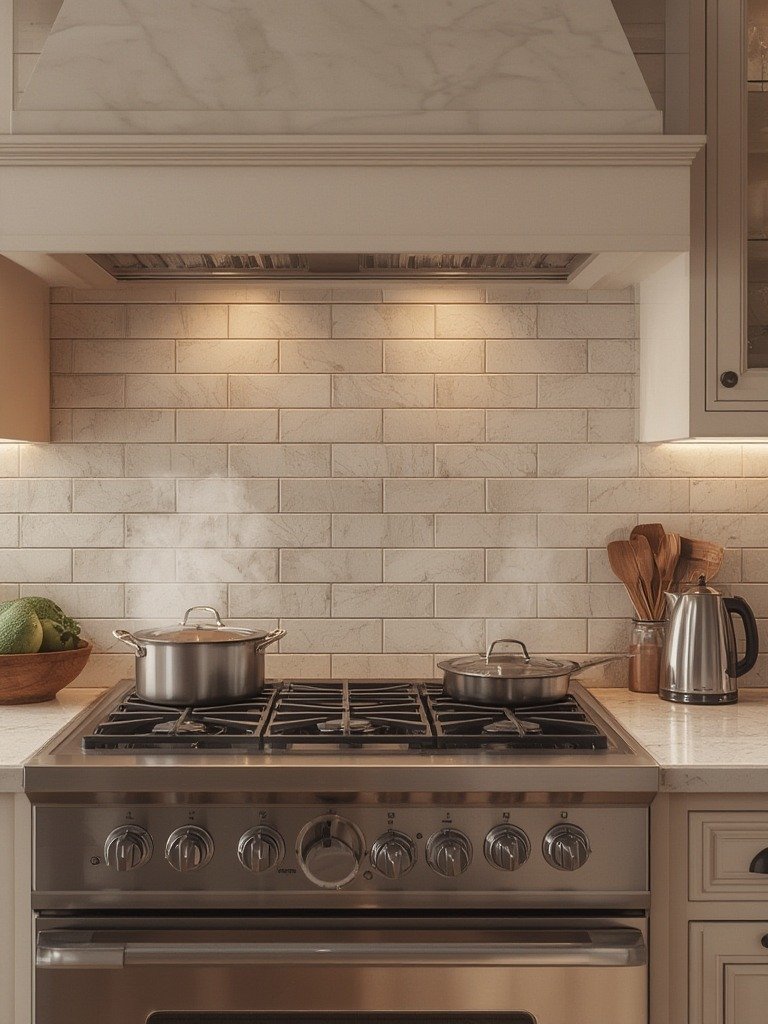
Heat-resistant peel stick tiles are a clever, cost-cutting solution for fast kitchen makeovers, but have real limitations above high-heat cooking surfaces. Labels promising “heat resistance” mostly refer to modest temperatures—too low for most stoves. Lack of code compliance, missing safety certifications, and vague manufacturer specs should make any homeowner cautious about direct installation behind burners or ovens.
For the right situations, especially outside the splash zone, heat-resistant peel stick tiles deliver affordable design, fast installation, and renter-safe removal. Always verify local code and manufacturer limitations before using them in high-heat areas—your safety, home value, and project durability depend on it.
Ready to transform your kitchen? Make sure to choose the right tile for the job—consult our coverage of waterproof backsplash tiles or see how peel tiles can refresh floors, too. For your stove zone, always double-check that your selected heat-resistant peel stick tiles won’t just look good on day one—but last for years, safely.
Don’t risk code violations or surprise DIY disasters. Research, compare, and update your backsplash the smart way today!
FAQ Section
Can I use heat-resistant peel stick tiles directly behind my gas stove?
Most heat-resistant peel stick tiles are not certified for use directly behind gas burners or electric cooktops. Maximum temperature ratings (often 49°C/120°F) are far below real-life wall temps above cooking surfaces. Always verify that your local code allows adhesive materials, and choose a fully fire-rated option if required.
Do peel stick tiles ever melt or discolor from heat?
Yes, user reviews occasionally mention warping, discoloring, peeling, or even adhesive melting when tiles are exposed to higher-than-rated heat. Because manufacturers usually report optimistic ratings, always test a small section and monitor closely.
Are there any peel stick tiles with official fire or heat certifications?
The vast majority do not advertise certification by independent labs (like ASTM or UL fire tests). A handful of metal-backed options may resist higher temps, but always request documentation or third-party ratings before installing in critical zones.
What are user motivations for choosing heat-resistant peel stick tiles?
Most shoppers want a fast, affordable makeover—citing easy installation, design flexibility, and renter-friendly removal over true thermal or fire safety. If heat-resistance is your top priority, a traditional backsplash or metal panel is a safer bet for the area behind stoves.
How do I remove peel stick tiles without damaging the wall?
Many peel stick tiles are designed for easy removal. Heat the tiles gently with a hairdryer, then peel slowly from one corner. Any remaining adhesive can usually be scrubbed off with mild soapy water or adhesive remover. Always test on a hidden spot first if you’re renting.