
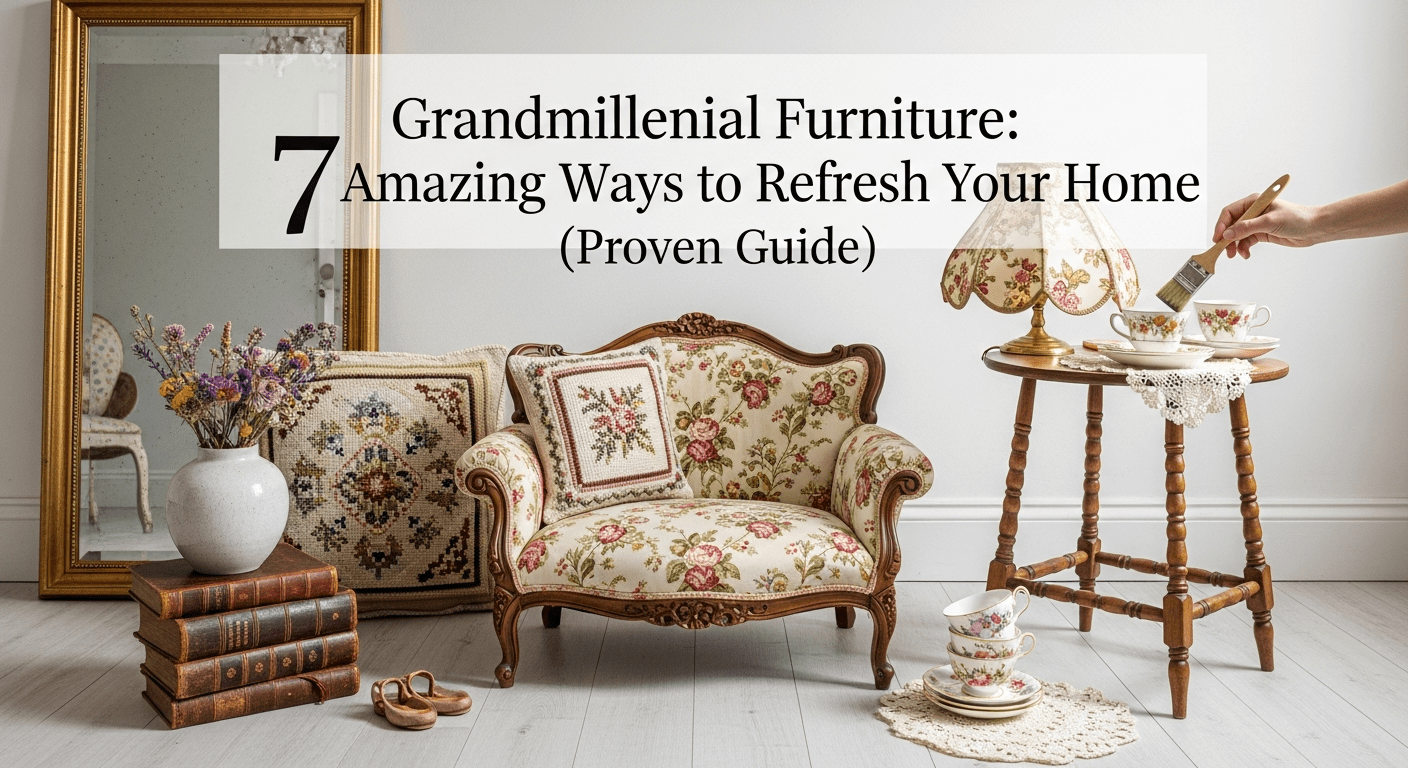
Grandmillennial furniture is changing how people decorate in 2024 by blending nostalgia with a fresh, modern twist—and it is much more than a fleeting hashtag trend.
Key Takeaways
- Grandmillennial furniture unites classic comfort, textures, and patterns with contemporary flair for timeless, affordable interiors.
- Thrift finds, sustainable heirlooms, and modern updates set grandmillennial style apart from mainstream vintage or shabby chic decor.
- Intentional choices offer practical benefits, but understanding materials and integration is essential to avoid overlooked drawbacks.
- The Core Concept: What Makes Grandmillennial Furniture Unique?
- Step-by-Step Guide: Decorating with Grandmillennial Furniture
- Advanced Analysis & Common Pitfalls
- Conclusion
- FAQ
The Core Concept: What Makes Grandmillennial Furniture Unique?
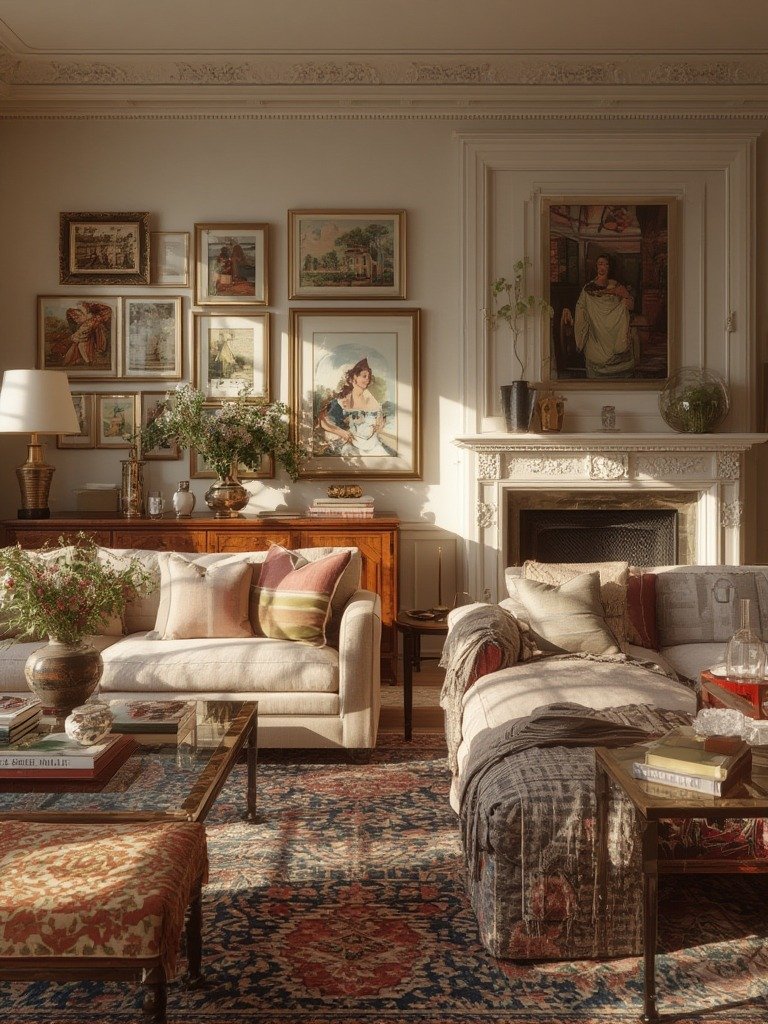
Grandmillennial furniture is a purposeful blend of familiar heirloom pieces, rich textures, layered patterns, and storytelling accents paired with today’s color palettes and modern touches. Think needlepoint chairs, skirted sofas, fringe details, and chintz or chinoiserie prints, but updated with linen upholstery, crisp base hues, and modern lighting. Top designers agree that what separates true grandmillennial style from generic “granny chic” or shabby chic decor is the balance between meaningful nostalgia and lively, collected freshness that resists stuffiness.
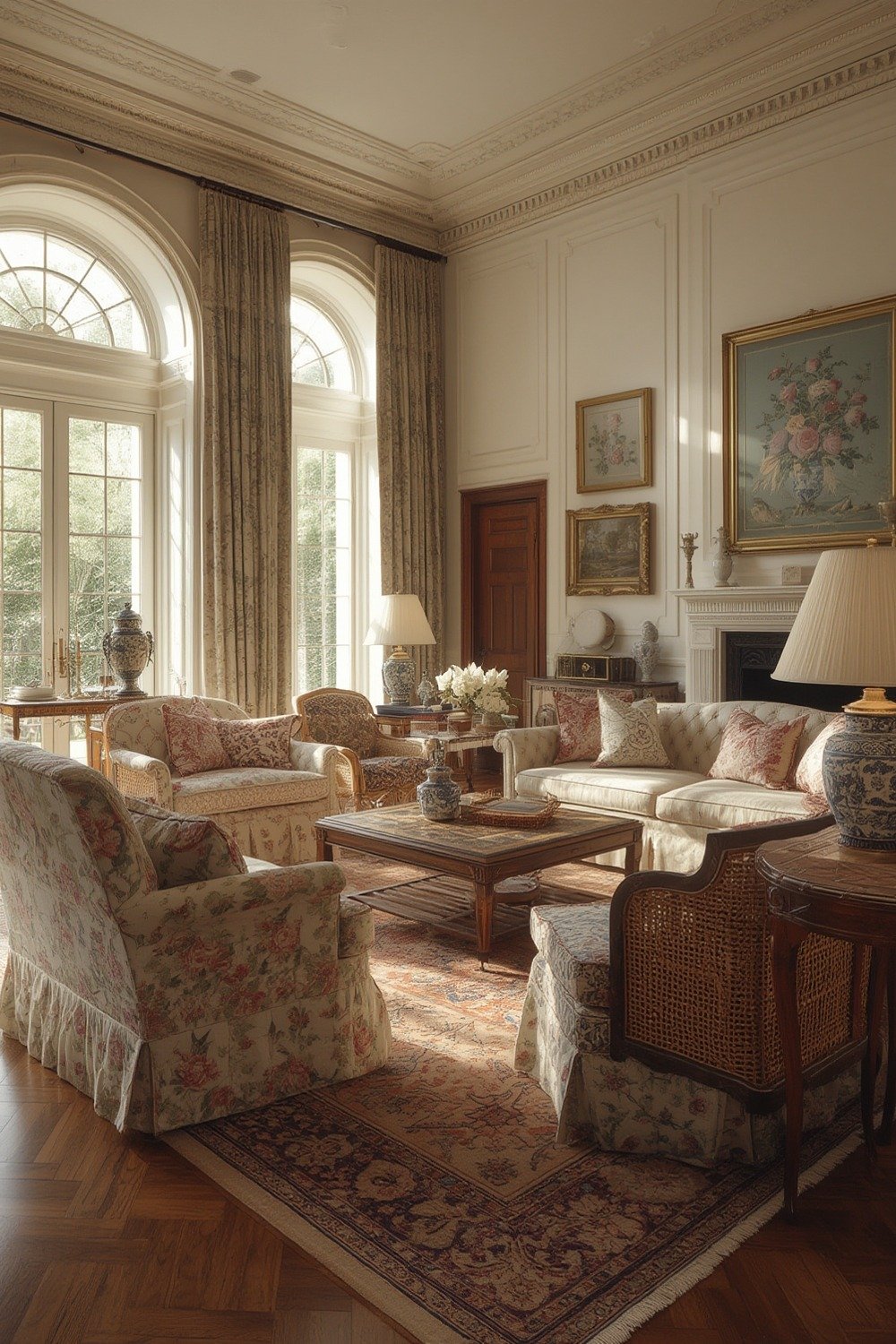
This style is about intentional curation: mixing thrift shop pieces, estate sale scores, and quality investments from retailers like HOM Furniture or Star Furniture, rather than matching sets. In a cost-conscious market, it is as much about sustainable reuse and unique stories as it is about coziness and color. The result is a “collected not decorated” look—modern but steeped in comforting nostalgia reminiscent of your grandparents’ home or any well-loved historic space.
Step-by-Step Guide: Decorating with Grandmillennial Furniture
Ready to create your own grandmillennial-inspired space? Here is a clear path you can follow, grounded in realism and practical know-how.
- Define Your Palette and Core Pieces
Modern grandmillennial style often starts with a base of crisp, neutral tones—think ivory, pale blue, or warm taupe. Pair classic shapes (like a tufted sofa, wingback or slipper chair, skirted table, or carved wooden sideboard) with a bolder accent: floral chintz, toiles, or cheerful stripes.
Tip: Mix pattern scales. Pair a large chintz with a mini gingham or a subtle stripe to avoid a cluttered look. - Start Small—Layer Textures and Patterns
Bring in velvet throw pillows, needlepoint cushions, or an embroidered lampshade for an instant update. Don’t forget the charm in details: ruffled edges, passementerie trim, or a hint of fringe add visual interest and depth. - Draft a Room Plan—Mix Old with New
Sketch your room layout so vintage finds, hand-me-downs, and modern accessories interact as a single, cohesive story. Sprinkle in modern black accents or a streamlined side table for contrast and to avoid an overly “period” feel.
Try this: If you love upcycling, give a worn-out chair new life with linen upholstery or paint a thrift store brass lamp a matte black for instant edge. - Embrace Sustainable and DIY Elements
Grandmillennial style values longevity, so choose well-built furniture, upcycle thoughtfully, and repair or reupholster whenever possible. Repurposing or restoring pieces isn’t just budget-friendly—it helps reduce landfill waste.
If you are a DIYer, this is the perfect style to explore—sew a chintz table skirt, add fringe trim yourself, or restore old cane chairs with paint or a new seat pad. - Accent with Personality and Storytelling
On tabletops and shelves, group objects that tell your story: a stack of vintage books, a ceramic dog, heirloom silver, or playful “granny” collectables. It’s the mix that makes the magic—let your personality shine, whether bold or subtle. - Update Lighting and Accessories
Swap harsh or dated lights for soft, modern table lamps, sconces, or even a classic chandelier in a fresh finish. Avoid matching sets to preserve that curated, “not bought at once” vibe. Accessories like floral wallpaper, lace doilies, and pastel ceramics add instant softness and contrast beautifully with modern finishes. - Shop Smart—Combine High/Low Finds
Mix thrift or estate sale scores with investment pieces. For inspiration and product guidance, check proven resources on flooring and entryway upgrades like modern LVP flooring trends or choosing the right shoe bench. The right basics help ground grandmillennial splendor with everyday practicality.
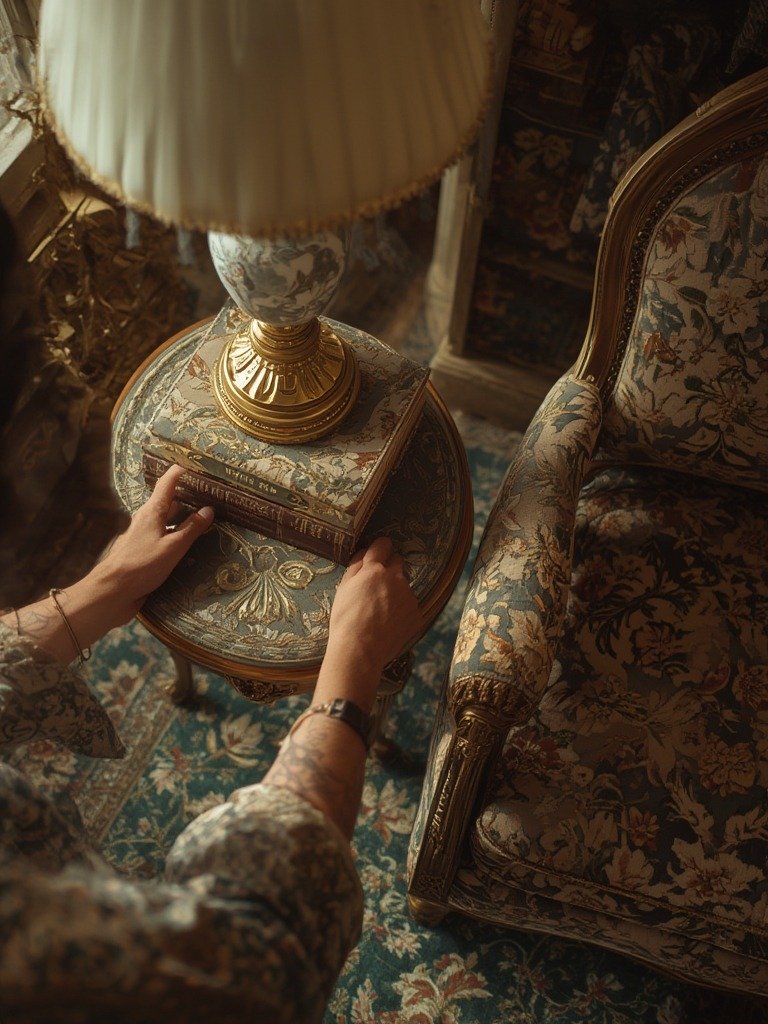
For maintenance, use slipcovers or washable fabrics if you expect heavy traffic, and keep cleaning supplies gentle to protect delicate trims or fragile vintage pieces. This realistic approach ensures grandmillennial style works for modern living.
Advanced Analysis & Common Pitfalls
Grandmillennial furniture is versatile, but not foolproof. Here is what users often overlook—and what you need to watch for.
- Appearance vs. Comfort: Some ornate heirloom furniture may be less comfortable than you expect. Before buying secondhand, check seat height, cushion resilience, frame stability, and upholstery condition. Modern updates or professional re-padding can upgrade comfort.
- Maintenance Needs: Delicate trims, chintz fabrics, and fringed details need careful upkeep. Washing slipcovers in cold or gentle spot-cleaning is safer than traditional laundering, which can damage fabrics. Sunlight and humidity can cause fading or warping, so plan for window treatments and humidity control.
- Integration with Modern Elements: Sometimes bold patterns and rich textures can clash with starkly modern homes. If your home features contemporary materials—like waterproof backsplash tiles in the kitchen (see backsplash reviews)—choose grandmillennial details that echo colors or motifs for a smoother blend.
- Authenticity vs. Clutter: Grandmillennial rooms should feel curated and intentional, not chaotic. Avoid overstuffing every surface or mixing too many patterns. Editing is key; step back and remove anything that feels forced.
- Environmental Impact: While reusing and upcycling older furniture is generally more sustainable than buying fast-furniture, modern synthetic fabrics or cheap reproductions may not offer the same durability. If environmental impact matters, prioritize antiques, natural materials, and heirlooms when possible.
| Factor | Grandmillennial (Vintage/Heirloom) | Modern Mass-market Vintage Inspired |
|---|---|---|
| Durability | High if well-built heritage piece | Varies—can be low if flatpack or cheaply made |
| Environmental Impact | Low—reuse, upcycling, no new resources | Medium to high—new production, mixed materials |
| Cost | Low to moderate (thrift/estate sale); high for rare antiques | Low to moderate retail; can lack quality details |
| Maintenance | May need restoration, gentle cleaning | Simple upkeep, but may not age well |
| Comfort | Varies; can be updated with new padding | Consistent but sometimes less character |
Top retailers like HOM Furniture and Star Furniture offer both curated pieces and advice, but always review construction, craftsmanship, and materials before investing.
When integrating grandmillennial furniture into an older porch conversion or balancing floor choices, see guides on effective enclosed porch conversions (enclosed porch tips), LVP flooring (LVP flooring advice), or even adding a practical shoe bench in your mudroom. These resources help bridge the old and new with style and function.
Conclusion
Grandmillennial furniture combines cherished traditions and modern flair, producing rich, loveable interiors on a real-life budget. True grandmillennial style rests on intentional curation, mixing thrift finds, heirlooms, and designer updates. Its practical and sustainable focus sets it apart from throwaway trends. If you want to elevate your own space, start small—source vintage pieces, layer with intent, and let your decor tell your unique story. Explore more about connecting modern finishes with tradition, like peel tiles for floors or discovering new ways to work a pink marble contact paper into your home. Your grandmillennial transformation can start with one intentional find—make it count.
FAQ
What defines grandmillennial furniture?
Grandmillennial furniture blends heirloom-quality antiques and traditional decor—like skirted sofas, chintz, fringe, and rich patterns—with fresh colors, modern accents, and new lighting. It is always intentional and comfortably curated, not cluttered or maximalist.
Is grandmillennial style expensive to achieve?
It can be affordable. Mixing thrift store and estate sale finds with carefully chosen investment pieces is encouraged. DIY restoration and upcycling can also help control costs while boosting authenticity.
How do I keep grandmillennial furniture looking fresh?
Use washable slipcovers, gentle spot-cleaning, and avoid direct sunlight for delicate fabrics. Regular editing and mixing with modern accessories keep the style feeling current, not dated.
Are there drawbacks to grandmillennial furniture?
Maintenance is higher for ornate pieces or vintage fabrics. Some secondhand finds may be less comfortable without updates. Over-layering can look cluttered—curation and editing are keys for success.
Can I blend grandmillennial style with contemporary finishes?
Absolutely. Modern lighting, bold accent colors, or practical upgrades like waterproof backsplash tiles or luxury vinyl flooring help bring this timeless look into any home.