

Fish scale peel stick tiles are transforming statement walls in kitchens, baths, and laundry spaces for 2024. These self-adhesive, mermaid-inspired tiles deliver striking, geometric style without the expense or mess of traditional tiling. But are they right for every project? Let’s get realistic about how they work, where they fall short, and how to make them last.
Key Takeaways
- Fish scale peel stick tiles offer bold style and DIY-friendly application, but moisture and surface prep are critical for best results.
- These tiles cost less and install faster than ceramic or glass, but they don’t match traditional durability or waterproofing.
- Smart prepping, pattern planning, and regular care help you avoid lifting, gaps, or premature wear on high-impact walls.
- The Core Concept: Fish Scale Peel Stick Tiles
- Step-by-Step Guide: Perfect Fish Scale Peel Stick Tile Install
- Advanced Analysis & Common Pitfalls
- Conclusion
- FAQ
The Core Concept: Fish Scale Peel Stick Tiles
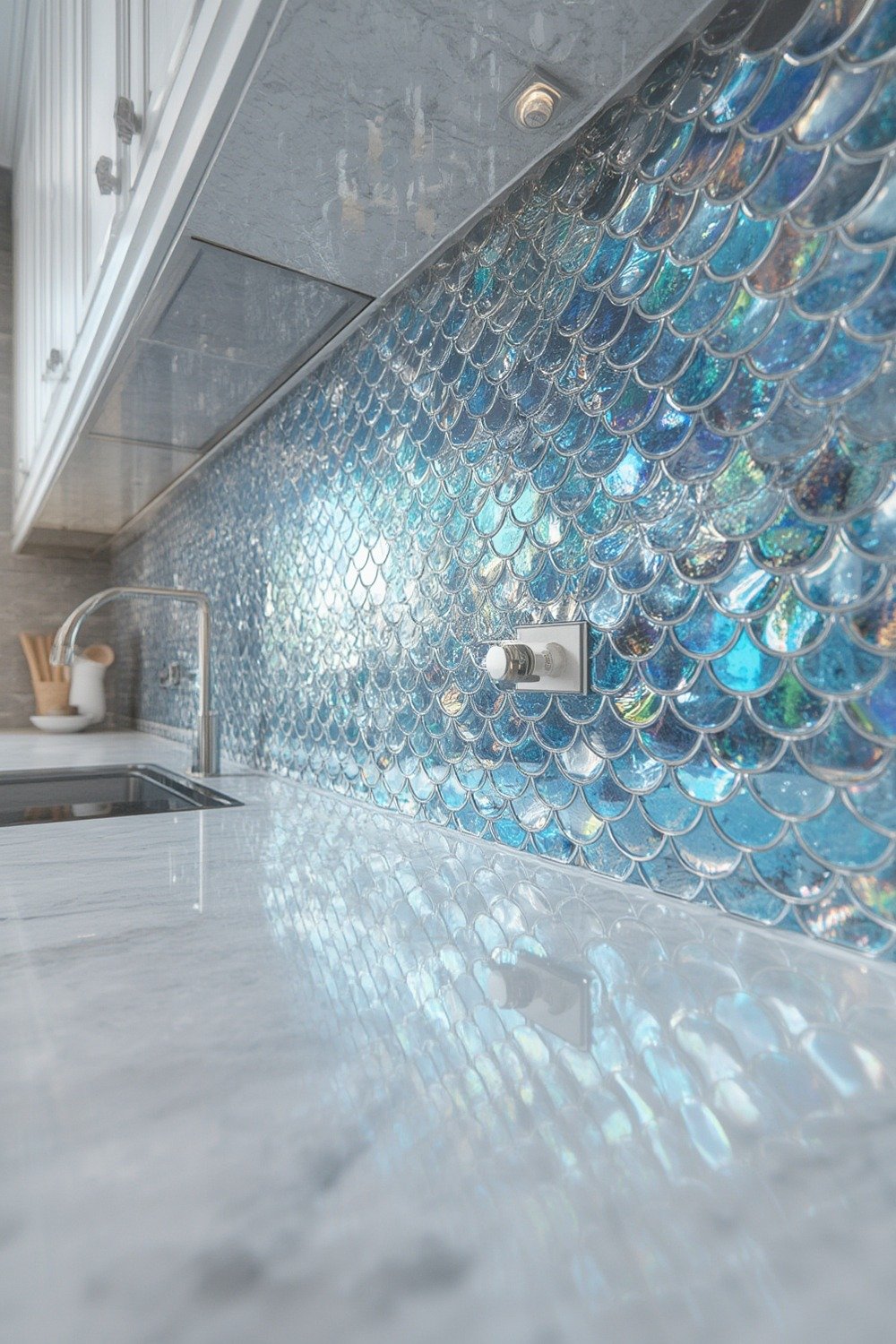
At their simplest, fish scale peel stick tiles are adhesive-backed vinyl or faux-stone wall tiles with a whimsical scallop or mermaid pattern. Their purpose is to deliver head-turning design as a quick DIY upgrade for statement walls. Instead of grout and mortar, just peel the liner and press each tile onto a smooth, flat surface.
The main appeal? You can dramatically transform a backsplash, accent wall, or powder room in a few hours—with minimal tools, less mess, and much less commitment compared to ceramic or glass tile. Emerging in the design world as an ocean-inspired, geometric twist, these tiles make it simple to test bold color (like dark green or sapphire), Art Deco waves, or metallic finishes with less risk and lower cost.
Growth reflects the appeal: The peel-and-stick backsplash market was valued at $1.2B in 2023 and could reach $2.5B by 2032, with statement walls leading the surge in kitchens and baths (source, source).
Step-by-Step Guide: Perfect Fish Scale Peel Stick Tile Install
Ready to try fish scale peel stick tiles for your own statement wall? Here’s a practical sequence to get seamless, pro-looking results:
- Choose the right tile and surface. Measure your wall. Fish scale peel stick tiles work best on smooth, clean, fully dry, and flat surfaces—think painted drywall, glass, or primed plywood. Skip rough or highly textured walls.
- Prep is everything. Clean thoroughly. Use a degreaser (like diluted dish soap) to remove oils, then rinse and dry. Any dust or leftover residue can cause tiles to lift.
- Plan your pattern. “Dry fit” the tiles without peeling the backing to visualize your starting point and avoid tiny slivers at the ends.
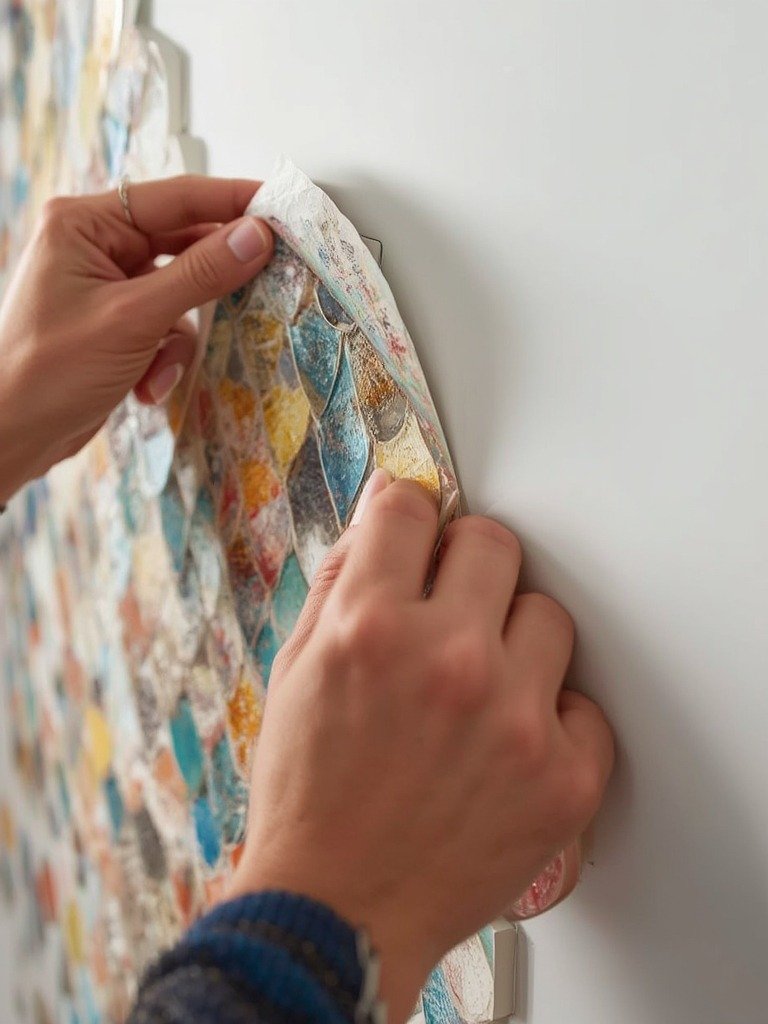
- Peel, stick, and press. Starting in the center or most visible corner, peel the backing off each tile, align carefully, and firmly press it into place. Use a rubber roller for best adhesion and use a utility knife for clean edges.
- Seal the deal. For kitchens and baths, consider running a bead of clear caulk at countertop or shower intersections to minimize moisture intrusion.
- Care and cleaning. Wipe with a non-abrasive sponge and mild cleaner. Do not soak or steam clean.
Want more waterproofing help? See our full review of waterproof backsplash tiles for performance insights.
If you’re reimagining your floor as well as your wall, discover what’s new in LVP flooring trends for a totally coordinated look.
Advanced Analysis & Common Pitfalls
Fish scale peel stick tiles are tempting for quick, affordable transformation, but let’s get honest: they are not bulletproof. Here’s what the research (and real users) reveal.
Comparing Peel Stick Fish Scale Tiles to Traditional Backsplashes
| Feature | Fish Scale Peel Stick Tiles | Traditional (Ceramic/Glass) Fish Scale Tiles |
|---|---|---|
| Installation | DIY, no grout, minimal tools. | Professional or advanced DIY, mortar & grout required. |
| Moisture Resistance | Handles mild splashes. Not suited for high-water zones or direct showers. | Highly water-resistant. Suitable for all wet areas. |
| Durability | Good for light traffic; prone to scratches/gaps with impact or moisture. | Very durable, lasts decades. No lifting or peeling when properly grouted. |
| Residue After Removal | Rare reports, but possible minor stickiness. Prep affects clean removal. | No adhesive residue, but grout lines remain if removed. |
| Cost (2024 Market) | Generally $8–$16/sq ft, lower than custom install. Exact fish scale pricing limited. | $25+/sq ft for professional scallop pattern design with labor/materials. |
| Pattern/Color Options | Rich style range—dark green, metallics, Art Deco waves, etc. | Extremely broad, including custom glazes and mosaics. |
Common Pitfalls & How to Avoid Them
- Poor adhesion due to surface prep. Applying tiles to dusty, glossy, porous, or damp surfaces causes corners to curl or whole tiles to drop within weeks. Wait for paint to fully cure before applying.
- Alignment drift and pattern mismatch. Fish scale/mermaid designs reveal errors quickly; even a small gap is obvious across a shimmering wall.
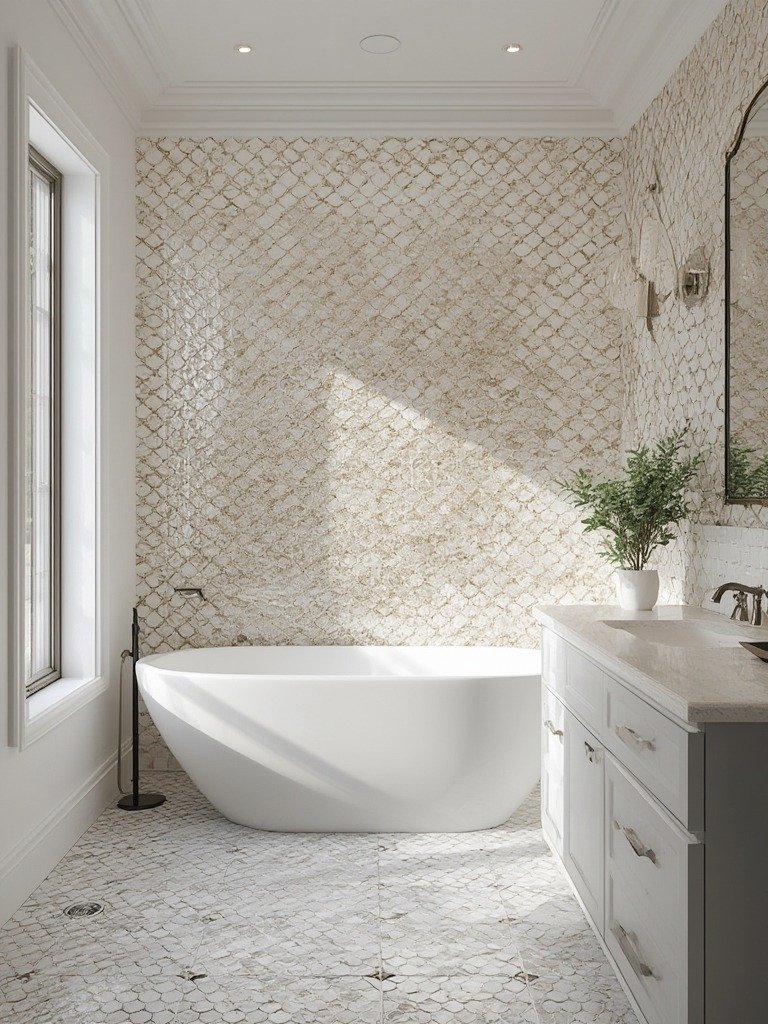
- Limited waterproofing. For full showers or where direct water sits, these tiles may darken at the seams or peel. For wet rooms, real tile remains top choice (source).
- Durability and scratches. Vinyl or plastic surfaces can scratch from pans, cleaners, or pet claws. Use gentle cleaners and avoid scouring pads.
- Residue on removal. Some brands may leave sticky residue—especially if wall prep was lacking or if tiles are exposed to heat/moisture.
For curated steps on achieving seamless floors, view our guide to peel tiles in modern interiors.
If you’re converting a porch space with water exposure risk, our enclosed porch conversion breakdown addresses moisture-friendly wall upgrades as well.
High-traffic hospitality or kitchen projects? For truly waterproof performance, review our in-depth waterproof backsplash tiles comparison.
For further market forecasts, read the 2024 self-adhesive tiles industry report.
Conclusion
Fish scale peel stick tiles make it easier than ever to create a bold, decorative wall without pro installation or steep costs. They’re ideal for renters, trend-setters, or anyone craving express design—but they require precise prep and smart care to perform at their best. From stylish powder rooms to lively kitchen backsplashes, your next fish scale peel stick tiles project is just a weekend away. Ready to start? Shop, measure, and transform your space—beautifully and on your terms.
Upgrade with confidence—and see why fish scale peel stick tiles are the trend to watch for dazzling, affordable statement walls.
FAQ
Are fish scale peel stick tiles really waterproof?
They resist light splashes and humidity well, but are not suited for direct, prolonged water exposure such as inside showers or behind constantly wet sinks. For the most waterproof result, combine with caulked edges or choose grout-based ceramic alternatives for true wet areas.
Can you use these tiles on textured or uneven surfaces?
No—the adhesive needs a clean, smooth, flat base. Applying to rough, dusty, or bumpy surfaces will cause tiles to lift, crack, or not stick at all.
Is it easy to remove fish scale peel stick tiles without wall damage?
Removal is usually simple, especially if the wall was properly prepped first. Minor adhesive residue may occur. Slow, careful peeling minimizes the risk. Warm tiles with a hair dryer if needed to soften adhesive before removal.
How do you cut fish scale peel stick tiles for outlets or corners?
Mark the cut line with a pencil, then use a sharp utility knife and a straightedge over a cutting mat. For awkward curves, sharp scissors can help with vinyl tiles.
What’s the price range for high quality fish scale peel stick tiles?
Most range from $8–$16 per square foot in 2024, depending on finish and thickness. This is much less than professionally installed scallop ceramic or glass tile, though exact pricing varies by brand and color.