

Cork peel stick tiles are emerging as a realistic floor upgrade for eco-conscious homeowners and renovators who want natural style and a DIY-friendly install. But are these renewable tiles a smart long-term move, or are there tradeoffs beneath the surface? Dive in for a no-nonsense breakdown of what cork peel stick tiles offer, how to install them, the pitfalls nobody talks about, and practical next steps for any project.
Key Takeaways
- Cork peel stick tiles offer quick installation and renewable materials, but user experience, adhesive reliability, and certification transparency remain underreported.
- The global cork resilient flooring market is valued at over $1.1 billion in 2024, with strong growth, but concrete cost and lifecycle benchmarks are hard to pin down.
- To make a truly informed choice, shoppers need details on real-world durability, VOC emissions, and disposal impacts—gaps many articles and vendors skip.
- The Core Concept: What Are Cork Peel Stick Tiles?
- Step-by-Step Guide: How to Install Cork Peel Stick Tiles
- Advanced Analysis & Common Pitfalls
- Conclusion
- FAQ Section
The Core Concept: What Are Cork Peel Stick Tiles?
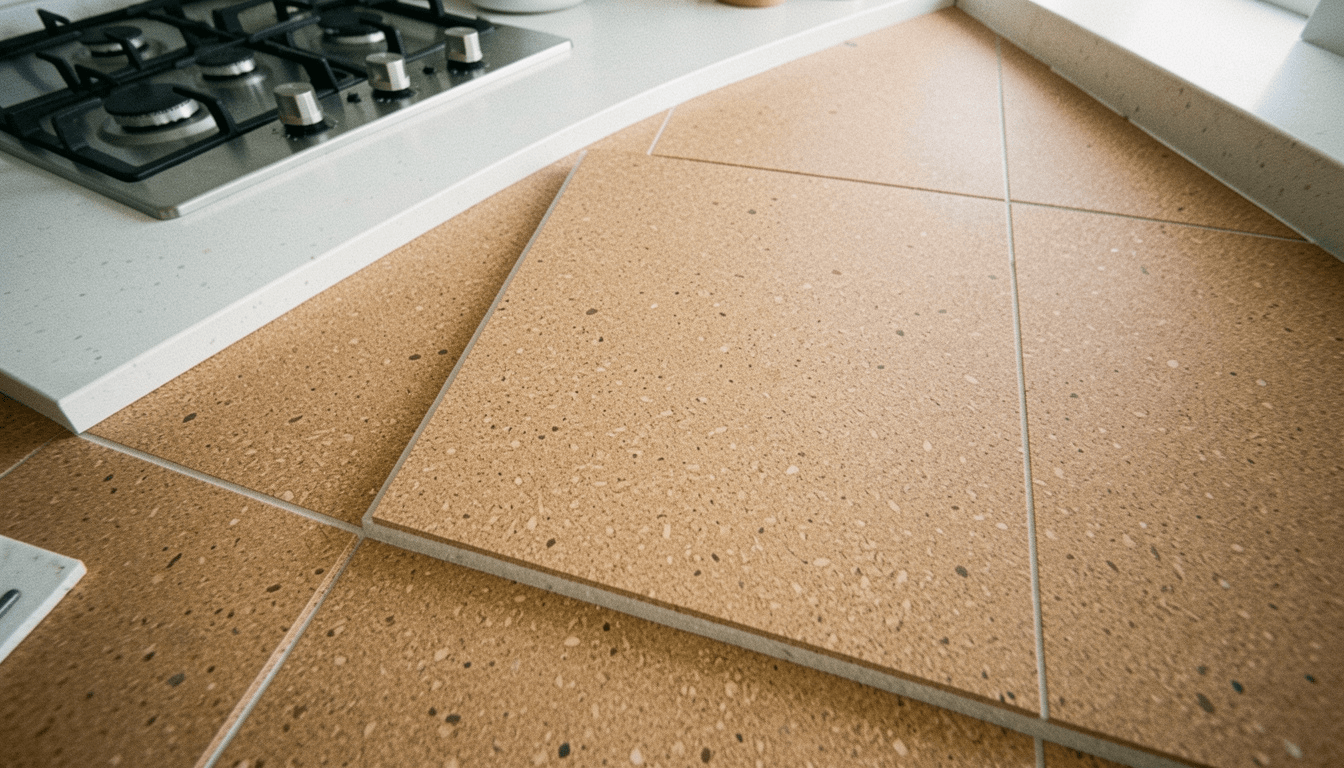
Cork peel stick tiles are thin squares or planks made from natural cork, backed with a pressure-sensitive adhesive layer. Unlike traditional glue-down or click-lock floors, these tiles can be installed directly onto a clean subfloor by peeling away the backing and pressing into place. The goal: deliver a renewable, warm, and resilient surface with minimal tools or labor—even for first-time DIYers.
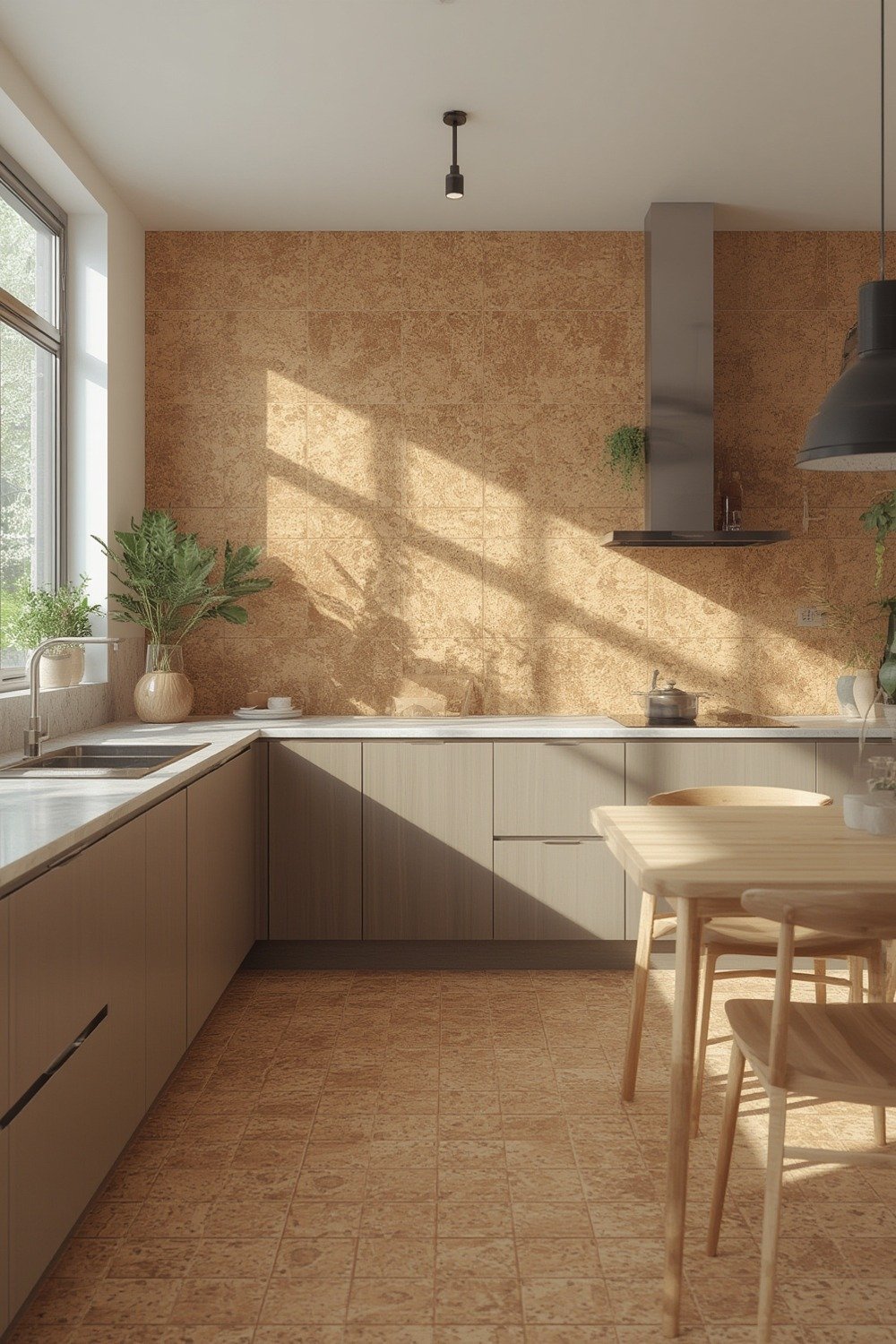
Interest in cork and bamboo flooring is booming. The cork flooring market surpassed $1.1 billion in 2024, projected to grow through 2030, while the bamboo sector is not far behind at $1.43 billion. Peel stick tiles represent a niche but growing installation method, promising fast results and eco-friendly credentials. They’re especially popular with renters, small space renovators, and anyone seeking a softer, natural surface underfoot.
However, buyer beware: details about adhesive chemistry, long-term durability, sourcing certifications, and VOC emissions are still thin—even as the category grows. Most manufacturers promote the convenience and sustainability angle, yet few back claims with robust evidence or transparency. Down below, we’ll cut through what’s known and what’s still missing.
Step-by-Step Guide: How to Install Cork Peel Stick Tiles
Installing cork peel stick tiles is often marketed as “easier than paint.” Realistically, it’s streamlined but requires careful prep for a lasting result. Here’s how you do it ― and how to avoid rookie mistakes.
- Prep the Subfloor: Sweep, vacuum, and degrease thoroughly. Even tiny dust or bumps can ruin adhesion. For old vinyl or concrete, prime with a dedicated subfloor sealer for best stick.
- Plan Your Layout: Snap chalk lines, dry-fit rows, and start from the room’s center. This ensures cut tiles land along the edges, creating a balanced look.
- Peel and Stick: Remove the backing slowly and press each tile down firmly with a hand roller or block. Avoid trapping air bubbles.
- Trim to Fit: Use a sharp utility knife and steel ruler, especially for perimeter rows. Don’t force tight fits—leave a tiny expansion gap at walls.
- Seal Edges (Optional): Some brands recommend a water-based polyurethane to boost water resistance. Spot-test before coating your whole floor.

If you want deep-dive floor installation tips, don’t skip internal guides on peel tiles or detailed cork applications like the cork liner tutorial.
Bonus: When tackling high-moisture areas or kitchens, check out this review of waterproof backsplash tiles to understand the difference in stickiness and water proofing expectations. Both share similarities in prep and finish.
Advanced Analysis & Common Pitfalls
Cork peel stick tiles are promising—but far from foolproof. Here’s what stands out in the 2024 research and what most product pages don’t tell you:
- Adhesion Longevity: There is little published data on failure rates over time, especially in humid or high-traffic settings. Adhesive chemistry details are often omitted.
- Certification Gaps: Most brands mention renewability but rarely provide specifics (FSC, Cradle-to-Cradle, formaldehyde levels). If you need documented sustainability, ask before buying—or research leading names like Amorim Group and Armstrong World Industries cited here.
- Price Transparency: No up-to-date, apples-to-apples cost comparison for cork peel stick, bamboo, and vinyl exists in North America as of 2024. Expect cork to cost less than solid hardwood but more than budget vinyl. Bamboo’s cost-positioning varies by finish.
- Biodegradability Realities: The surface layer is renewable, but backing adhesives may not compost or biodegrade quickly—real-life decomposition rates remain unmeasured for most brands. For true green results, confirmation of adhesive ingredients is a must.
- VOC & Indoor Air Quality: VOC content and offgassing are seldom listed. Only third-party labels like FloorScore or GreenGuard can verify low-emission performance—confirm before installing in nurseries or tight spaces.
- Wear & Tear: Cork is soft, comfortable, and springy, but can dent under heavy furniture or fade in UV-prone rooms. Applying an extra sealer coat may help, but not all adhesives work with all topcoats—test in a hidden spot first.
| Attribute | Cork Peel Stick Tiles | Bamboo Adhesive Tiles | Vinyl Peel Stick Tiles |
|---|---|---|---|
| Sustainability | Renewable, but adhesive source uncertain; certifications rare | Rapidly renewable, similar adhesive caveats | Petroleum-based; rarely renewable or certified |
| Installation Ease | Very DIY-friendly | DIY, with some brands trickier to trim | Easiest, very forgiving |
| Long-Term Durability | Good for light-traffic or dry areas; prone to denting | Harder surface; resistant to wear | Waterproof, varies by brand; can lift over time |
| Moisture Resistance | Moderate if well sealed | Better than cork, but checks needed | High; best for baths, kitchens |
| Removal/Disposal | Tile is compostable, sticky layer may not be | Same as cork | Landfill only |
| Transparency | Few brands disclose adhesives, VOCs, or 3rd-party eco-labels | Similar issues | Variable transparency |
Looking for more advanced guidance on project cost and maintenance? Read about today’s LVP flooring trends or our enclosed porch conversion guide for floor budgeting tips and design synergy—both show how to balance upfront savings against long-term results.
Conclusion
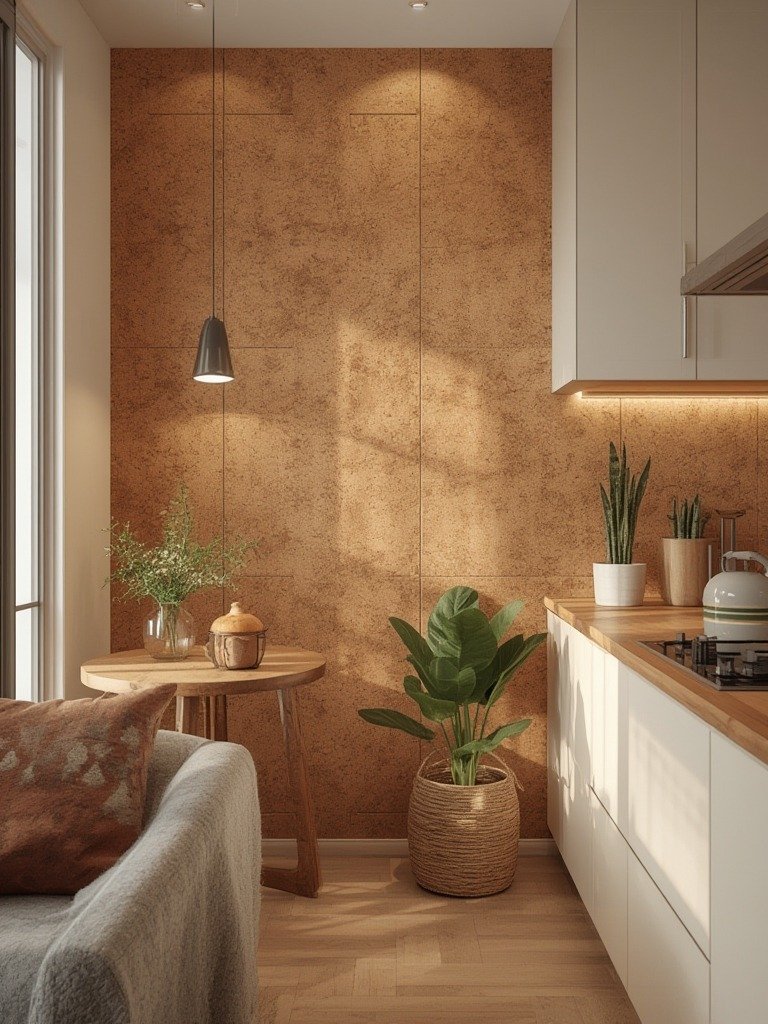
Cork peel stick tiles deliver a unique blend of comfort, fast install, and sustainable appeal—but with caveats. The lack of full cost, durability, and certification transparency means smart shoppers should press manufacturers for more specs before buying. As of 2024, eco-friendly flooring is trending hard, but collecting and verifying details still takes legwork. If you value low-VOC, authentic renewable products (and are willing to do some homework), cork peel stick tiles could be a worthwhile choice for your next flooring update.
Ready to get hands-on? Compare how cork stacks up to alternative peel tiles in our detailed review or see why a modern shoe bench could finish your entryway transformation.
Action step: If you want sustainable comfort now, start by shortlisting at least three cork peel stick tile brands. Request VOC and certification documentation, and test install leftover pieces in a closet to gauge adhesion. Your floor—and indoor air—will thank you.
FAQ Section
Are cork peel stick tiles waterproof?
No, cork peel stick tiles are not fully waterproof by default. While cork is moisture-resistant, standing water can seep through seams or edges. Sealing with a polyurethane topcoat improves protection, but for true wet areas, consider waterproof backsplash tiles or vinyl options instead.
How long do cork peel stick tiles last?
With proper prep and gentle use, cork peel stick tiles can last several years in light-traffic spaces. In heavy-use areas or humid climates, edges may lift or tiles may compress over time. For longest life, avoid dragging heavy furniture and apply a compatible sealer after install.
Do cork peel stick tiles need underlayment?
Usually, no—these tiles are designed to install directly onto clean, flat subfloors. However, a subfloor primer or sealer may boost adhesion and performance, especially over concrete or dusty surfaces. Test adhesive grip before doing an entire room.
Are cork peel stick tiles safe for people with allergies?
Cork naturally resists mold and dust mites, making it hypoallergenic. However, the adhesives used can sometimes emit VOCs or odors. Always look for third-party air quality certifications like FloorScore, and ventilate well for several days after install.
Can I use cork peel stick tiles on walls or backsplashes?
Some brands allow wall or backsplash installation, but check the manufacturer’s guidelines for weight and moisture. For splash-prone areas like kitchens, a proper waterproof product like peel and stick backsplash tiles is usually a better fit.