

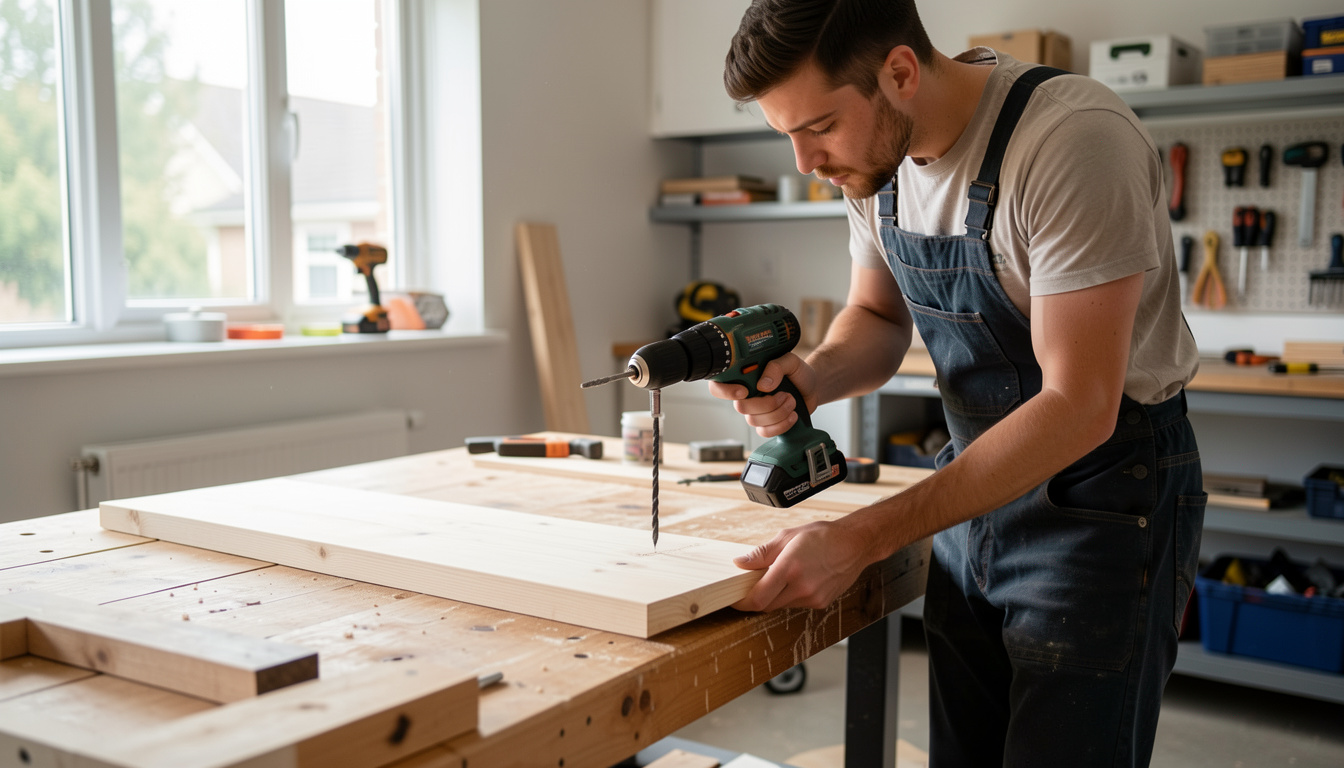
Cordless drill for beginners is the essential tool for anyone starting do-it-yourself projects at home or tackling their first furniture assembly, yet finding the right one can be overwhelming with so many options and hidden pitfalls.
Key Takeaways
- The best cordless drill for beginners prioritizes lightweight design, safety features, and ease of use.
- Avoid overpaying—solid beginner kits with core features cost as little as $80 and cover most home needs.
- Beware hidden costs like extra batteries and missing bit sets—these can nearly double your real spend.
- What Makes a Cordless Drill Beginner Friendly?
- How to Choose and Use a Cordless Drill for Beginners: Step-by-Step
- Advanced Analysis and Common Pitfalls
- Conclusion
- FAQ
What Makes a Cordless Drill Beginner Friendly?
Cordless drills for beginners are designed to be simple, safe, and practical for everyday DIY tasks. Unlike heavy-duty models, they emphasize light weight, ergonomic grip, and straightforward controls. Brands like Skil, Ronix, Black+Decker, and Ryobi all make models that help remove confusion for first-timers.
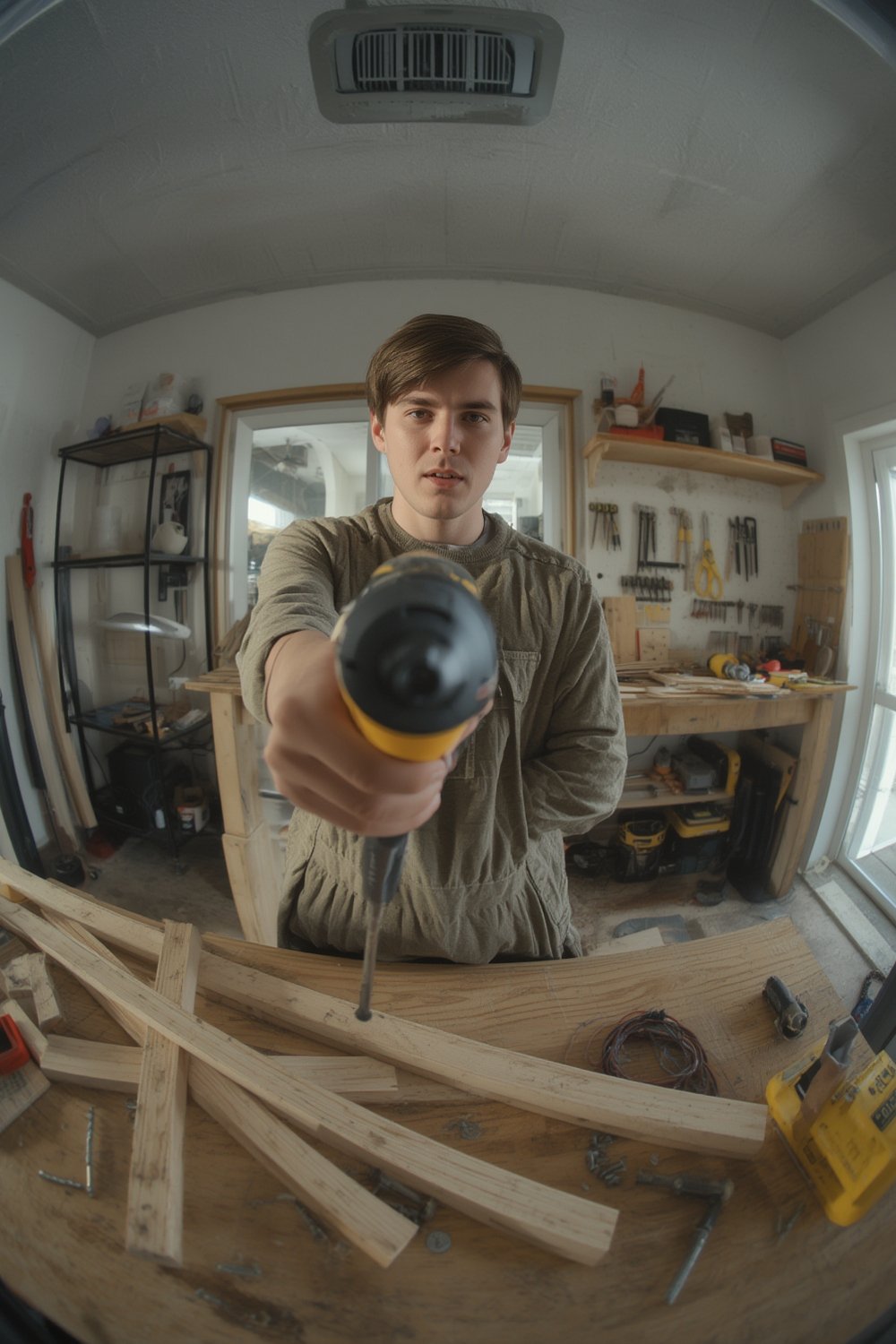
Entry-level cordless drills usually operate on 18–20V battery systems, helping strike a balance between power and comfort. Safety features, particularly anti-rotation shutoff, are crucial: they protect against sudden motor stall that can twist your wrist. Look for simple adjustment dials (for torque and speed), a well-placed LED worklight, and an accessory kit—many users struggle if the drill doesn’t ship with the most common driver bits or starter drill set.
Affordability matters most: a solid kit like the Skil PWRCORE is less than $100, while premium pro sets are over $300 and unnecessary for most beginners. Don’t get upsold “just in case”—focus on what you’ll really use.
If you want additional home-improvement ideas, consider reading about LEGO Bamboo for unique home décor or explore simple peel wallpaper solutions for your next renovation project.
How to Choose and Use a Cordless Drill for Beginners: Step-by-Step
- Set a Realistic Budget: For most beginners, plan to spend between $80 and $120. Resist “feature creep”—solid starter kits like the Skil PWRCORE Drill Driver Kit are complete enough.
- Focus on Weight & Ergonomics: Choose a drill under 2.5 pounds (without battery). Compact models like the Ronix 8012 are easier on your wrist and arm, especially for precise work.
- Prioritize Safety Features: Seek drills with anti-rotation shutoff, especially on 18V or more. Injury from sudden twist is the #1 beginner risk.
- Check the Chuck and Bit System: Buy a two-sleeve keyless chuck model so you aren’t fumbling with tools or power switches to swap bits.
- Choose Your Accessories Wisely: If your kit does not include a bit set, add a starter drill set. Some brands include accessories; others don’t. Double check to avoid hidden costs.
- Practice Safe Drilling:
- Start on lowest speed and lowest torque.
- Use correct bit for material—wood, metal, or masonry.
- Keep a firm grip; brace your wrist.
- Use an LED worklight if included.
- Learn Battery Care Basics: Don’t leave lithium batteries fully drained—charge after each session for best battery life.
Want to make the most of other simple upgrades in your space? You can boost privacy with affordable adhesive solutions—discover the details in this guide to privacy film.
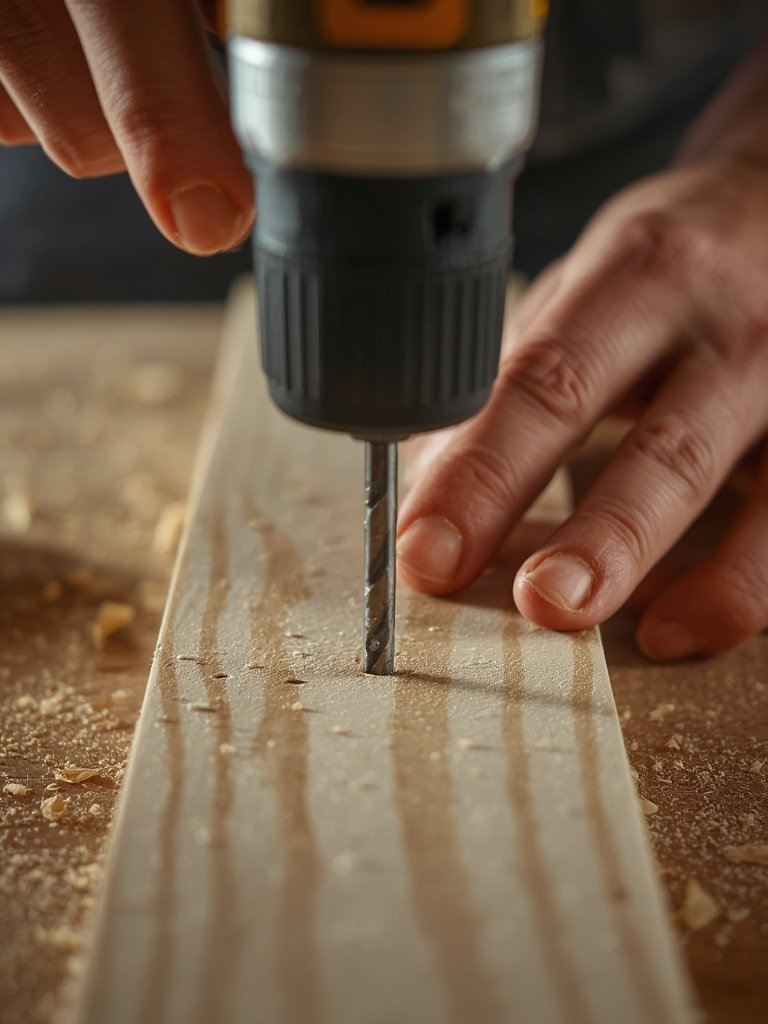
Finally, take a quick inventory after purchase: what’s missing from the box? Bits, charger, extra battery? Missing accessories are the top reason for frustration among first-time buyers—and a key budgeting blind spot.
Advanced Analysis and Common Pitfalls
No cordless drill is truly “plug and play.” Here’s what first-time users actually struggle with—and how to avoid costly mistakes.
| Common Beginner Challenge | Why It Happens | Best Solution |
|---|---|---|
| Drill Over-rotation Injury | Motor stalls, drill twists wrist suddenly | Choose drills with anti-rotation/auto-stop (e.g. DeWalt, Skil, Ronix) |
| Stripping Screws or Bits | Incorrect clutch/torque setting or starting on high speed | Start at lowest speed and torque; adjust upward only as needed |
| Battery Dies Mid-project | Only one battery provided; charge doesn’t last | Buy a second battery with your kit if possible; keep it fully charged |
| Confusion Changing Bits | Improper chuck; user uncertainty | Look for a keyless, two-sleeve chuck and practice swapping bits |
| Total Cost Suddenly Doubles | Forgot to budget for extra bits, battery, or fast charger | Audit kit contents before purchase—some add value, others don’t include basics |
| Drill Feels Heavy or Uncomfortable | Bought a pro-grade (4lb+) model “just in case” | Prioritize kits under 2.5lbs; test grip and balance before buying if possible |
Comparing recommended beginner drills:
| Model | Weight (No Battery) | Battery System | Key User Benefit | Starter Kit Price |
|---|---|---|---|---|
| Skil PWRCORE | 2.23 lbs | 20V | Lightest, best value for small homes and apartments | $80 (source) |
| Ronix 8012 | 2.2 lbs | 12V–20V | Super compact, efficient bit-swap system | Varies (source) |
| Ryobi 18V One+ | 3.2 lbs | 18V | Ergonomic for longer jobs; best for DIYers upgrading from manual | About $100 |
| Black+Decker LD120VA | 3.5 lbs | 20V | Comes with basic accessories, great for assembling furniture | About $70 (source) |
Remember: pro-grade features, like 24V max power, fast chargers, or vibration control, can be nice but are rarely needed for household DIY unless you plan heavy use. For niche upgrades, such as improved hygiene in kitchens, consider antimicrobial peel stick tiles to simplify your workflow even further.

Conclusion
Choosing the right cordless drill for beginners comes down to three things: light weight, safety features, and value for money. Don’t fall for overpowered tools, and don’t get stuck paying more for features you’ll almost never need. Instead, focus on solid starter models that include key accessories and make your DIY experience frustration free. Ready to start your next project? Shop with confidence and remember these tips for the best results with your cordless drill for beginners—your hands and wallet will thank you.
Want a fun and stress-free room makeover while organizing your new DIY tool kit? Discover creative uses for Princess Decals for home makeovers and simplify your next upgrade.
FAQ
What voltage is best for a cordless drill for beginners?
Most experts recommend starting with an 18V or 20V drill. These have enough power for furniture assembly, wall anchors, and light construction without excessive weight or battery cost.
Do I need to buy extra drill bits or batteries?
Yes, often beginner kits have limited bits and only a single battery. It’s best to buy a starter bit set and a spare battery up front—otherwise, you risk delays mid-project.
How do I use the torque and speed settings safely?
Start at the lowest setting for both torque and speed. Only increase as needed. This reduces the risk of overdriving screws, stripping threads, or hurting your wrist if the drill binds.
What safety features should I look for?
Anti-rotation or auto-stop tech is a must since these features cut the power if the drill binds, preventing sudden wrist injuries. LED worklights and an ergonomic grip also add safety and comfort.
Will I need a high-end model if I start DIY more seriously?
No, most homeowners and DIYers never outgrow a well-chosen 18V–20V starter kit. You only need heavier or more powerful tools for constant jobsite use or heavy drilling in masonry or steel.
—