

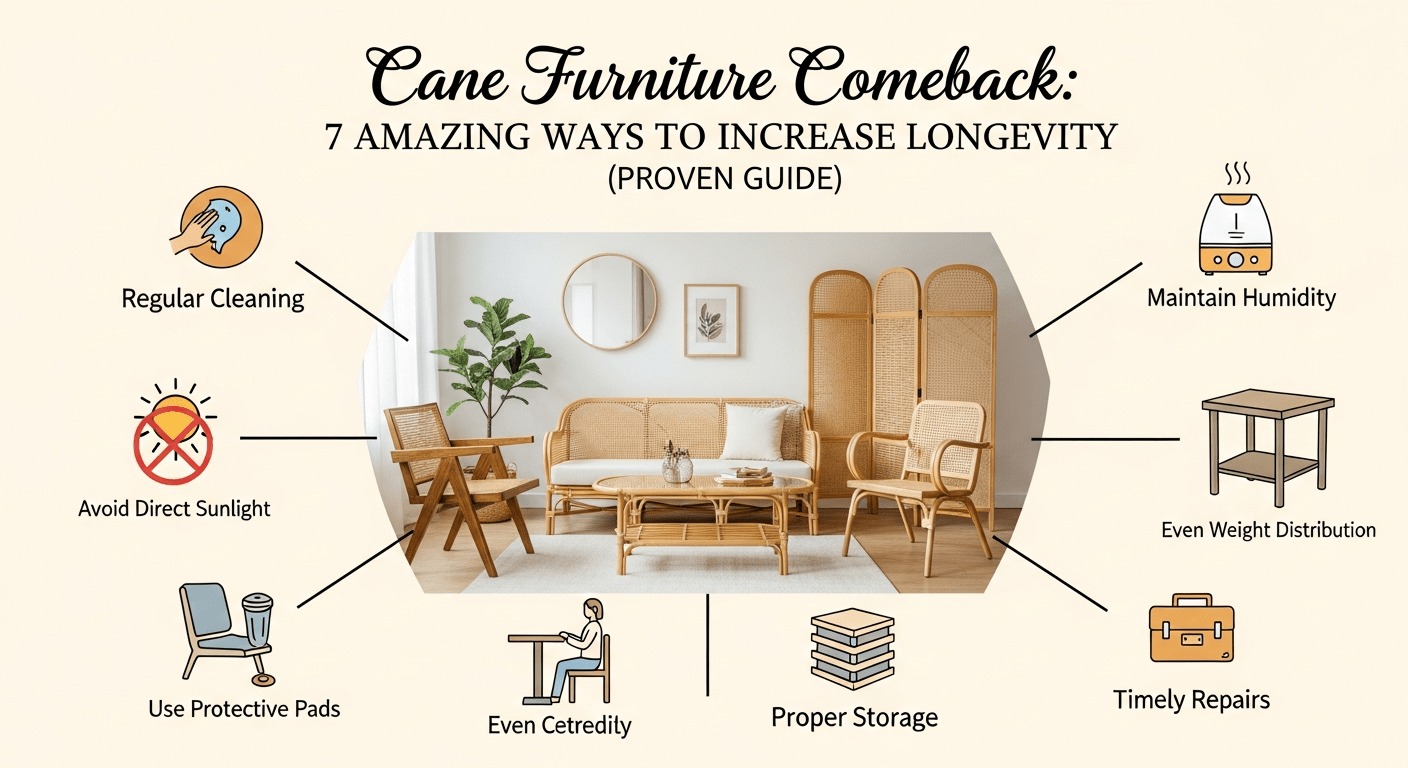
Cane furniture comeback is taking center stage in modern interior design, driven by eco-conscious trends, innovations in material science, and a desire for more natural living spaces. But what’s really behind the surge, and what do you need to know to make smart choices?
Key Takeaways
- Cane and rattan furniture are surging in global popularity, with the market projected to reach USD 1,886.2 million in 2025 and outpace many other categories in growth.
- Sustainability, biophilic design, and innovative synthetic rattan options are fueling demand—but price transparency and long-term durability vary widely.
- Maintenance is easier for synthetic rattan, but traditional cane pieces require regular care to maximize longevity and visual appeal.
- What Is the Cane Furniture Comeback?
- Step-by-Step Guide: Choosing and Caring for Cane & Rattan Furniture
- Advanced Analysis & Common Pitfalls
- Conclusion
- FAQ
What Is the Cane Furniture Comeback?
Cane furniture’s return isn’t just a trend—it’s a market reset. Designers, furniture makers, and homeowners are embracing woven cane and rattan for their sustainable footprint, natural look, and tactile appeal. Driven by environmental awareness and a growing market—cane furniture expected to hit USD 1,886.2 million in 2025 at a rapid growth rate according to WiseGuyReports—the comeback is about more than nostalgia. Biophilic design encourages bringing the outdoors in, and contemporary consumers are prioritizing healthier interior environments over purely synthetic materials.

Cane, bamboo, and rattan furniture are also easier for many manufacturers to source sustainably, compared to hardwoods or mass-produced plastics. This aligns with a 2024 CREDAI survey showing that 68% of urban homeowners in major Indian cities now prioritize sustainability when making furniture choices (MMC Wood Creations). The shift is not just aesthetic; it’s deeply practical, with increased demand in both residential and hospitality sectors (Technavio).
This resurgence offers real opportunities, but there are pitfalls buyers should be aware of—especially with the flood of new materials and suppliers in the market.
Step-by-Step Guide: Choosing and Caring for Cane & Rattan Furniture
Ready to make a smart investment in cane or rattan furniture? Follow these critical steps to avoid disappointment and ensure your purchase delivers lasting beauty and value.
1. Assess Material Type and Source
Not all cane and rattan are created equal. Ask sellers about their sourcing—genuine rattan is harvested from palm trees with low ecological impact, while synthetic rattan is engineered for greater durability (Indonesia Rattan Furniture). Look for sellers who disclose their supply chain and use renewable harvesting practices. Bamboo and rattan pieces often carry more eco-appeal than opaque “wood composites.”
2. Inspect Craftsmanship and Joints
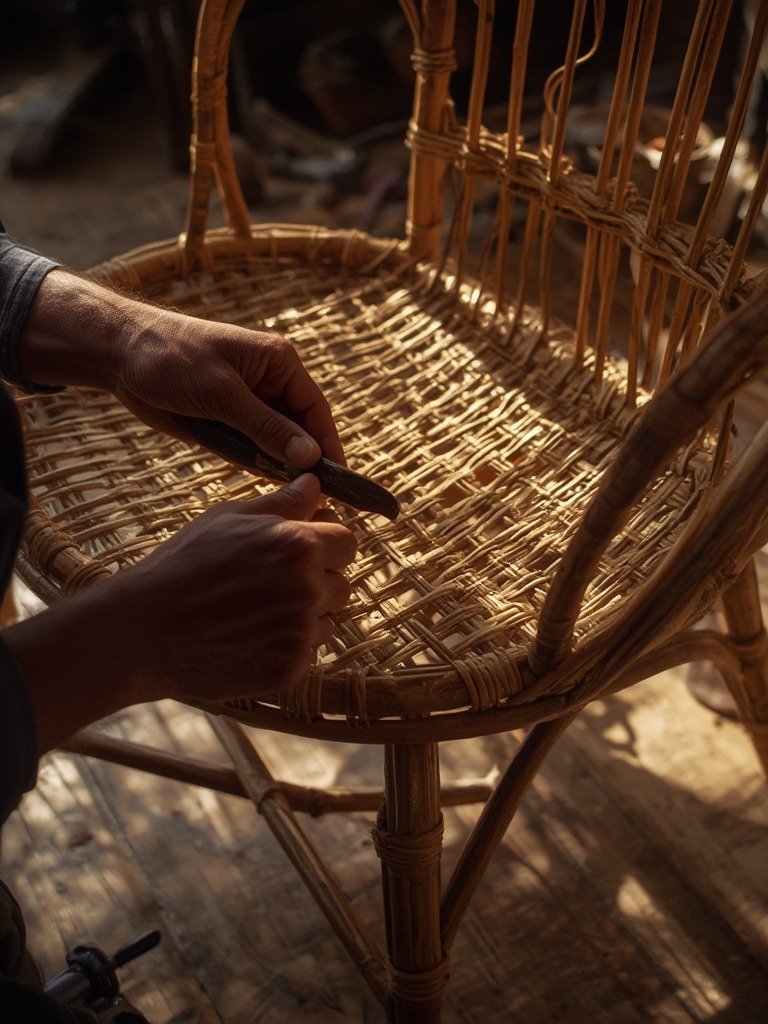
High-quality cane furniture uses tight hand-weaving, secure joints, and reinforced frames. Inexpensive mass-productions often skip these steps, leading to wobbly chairs and misaligned patterns. If possible, inspect the bottom and interior edges for any loose ends.
3. Balance Aesthetics, Comfort, and Intended Use
Decide where and how you’ll use each piece. Cane headboards can add airy texture to bedrooms, but may require a solid wall and care in mounting. Woven cabinets look light but sometimes lack the structure to support heavy objects inside. Natural cane chairs breathe well but suit indoor or covered patio use best.
4. Maintenance Matters: Plan Ahead
Cane and rattan need regular gentle cleaning and humidity control. Synthetic options can often be hosed down, while natural versions require dusting and the occasional wipe with a damp (not wet) cloth. Avoid harsh sunlight or heaters, which can dry and crack natural fibers.
See trends in new flooring options that complement cane’s retro look by reviewing LVP flooring trends or waterproof backsplash tiles for cohesive interior design planning.
5. Sustainability and Certifications
While few reports specify actual certifications, inquire about renewable harvesting, recycled content, and low-VOC finishes. Some top manufacturers are beginning to offer greener options—ask before buying.
Advanced Analysis & Common Pitfalls
While the market is booming, understanding these hidden pitfalls will help you avoid costly mistakes and maximize your satisfaction.
Common Pitfalls
- Lack of Pricing Transparency: Actual retail prices for signature cane pieces are often unpublished. Without clear benchmarks, comparison shopping is tricky, and buyers risk overpaying for poorly made items.
- Misleading Sustainability Claims: Not all “eco” cane products are created equal. Synthetic rattan is durable but may contain plastics; natural options are renewable but need responsible sourcing. Always investigate supplier claims and ask for documentation.
- Maintenance Myths: There’s a common misconception that all cane and rattan are low-maintenance. Natural versions are sensitive to moisture and dryness unlike their synthetic counterparts. Routine gentle cleaning and climate control are crucial.
- Durability Limitations: Cane headboards, woven cabinets, and natural chairs tend to flex and fade more quickly if overloaded or kept in extreme environments. Synthetic upgrades improve lifespan, but not all are visually identical.
| Feature | Natural Cane/Rattan | Synthetic Rattan |
|---|---|---|
| Maintenance | Gentle cleaning, humidity control | Easy; hose down, less sensitive |
| Durability | Can crack/fade in dry or humid areas | Highly weather resistant |
| Eco aspects | Renewable, biodegradable | Reusable but plastic-based |
| Suitability | Indoor & covered outdoor | Indoor & fully outdoor |
Integrating cane furniture with enclosed sunrooms or porch conversions? See actionable ideas for your layout in our guide to enclosed porch conversion.
A lack of user review data on durability, comfort, and longevity makes it even more critical to buy from reputable sellers and routinely inspect furniture for early signs of stress or damage. For additional support and style, pair cane benches with a high-quality shoe bench in high-traffic entryways.
Conclusion
The cane furniture comeback is more than a passing fad. It’s a measurable shift driven by real-world sustainability choices, market growth, and evolving design needs. Buyers who prioritize quality, clarify the type (natural versus synthetic), and commit to realistic maintenance will enjoy both the beauty and longevity of these iconic pieces. As with any fast-moving trend, skepticism pays off—verify supplier claims and avoid direct sunlight and inspect craftsmanship before committing. Ready to join the cane furniture comeback? Start by comparing products and verifying that the features match your needs for years to come.
FAQ
How is cane furniture different from rattan and bamboo?
Cane comes from the outer skin of the rattan plant, making it ideal for weaving and tight finishes. Rattan is the solid core of the same plant and is used for sturdy furniture frames. Bamboo is a separate grass species with hollow stems, used in entirely different construction techniques. All three are popular for their renewable properties.
Should I choose synthetic or natural cane/rattan furniture for outdoor use?
Synthetic rattan is generally better for outdoor settings because it resists UV, rain, and mildew. Natural cane or rattan fares best indoors or on covered porches, as it’s sensitive to moisture and direct sun.
What maintenance does cane furniture really need?
For natural cane furniture, regularly remove dust, wipe gently with a damp cloth (never soaking wet), and maintain stable humidity. Avoid heaters and direct sunlight. Synthetic furniture is easier: simply rinse or clean with mild soap as needed.
Are there actually eco or sustainability certifications for cane and rattan?
Some manufacturers claim sustainable harvesting, but explicit global certifications are rare. Always ask your retailer for documentation or at least a clear sourcing explanation. Look for recycled content or low-VOC finishes when possible.
Why are price ranges for cane headboards or cabinets so hard to find?
Retailers rarely publish standardized pricing due to material, design variation, and shipping costs. To avoid overpaying, compare several reputable retailers, ask about warranty, and only buy what you can inspect or return if necessary.