

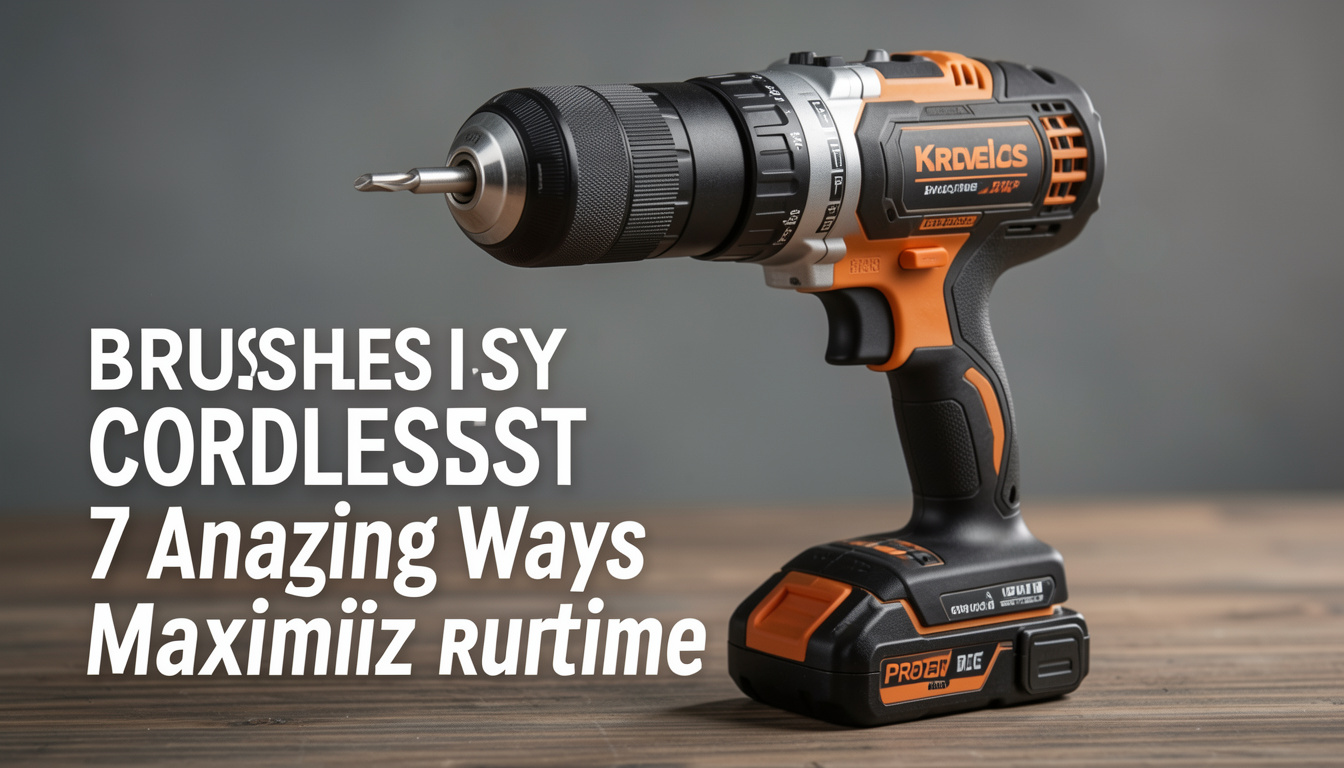
Brushless cordless drill technology is rapidly outpacing brushed models for anyone who wants more power, efficiency, and long-term value in a cordless tool. What does this shift really mean for homeowners and pros, and is the upgrade always worth the investment? Here’s the clear truth, plain facts, and actionable advice for buyers in 2024.
Key Takeaways
- Brushless cordless drills are now preferred by over 60% of residential users due to superior battery life, efficiency, and reduced tool weight.
- Initial cost is higher, but longer lifespan and lower maintenance can make brushless drills the more economical choice in the long run.
- New features like AI-driven speed control are reducing user fatigue and making brushless tools safer and more precise than ever.
- What Is a Brushless Cordless Drill and Why Does It Matter?
- How to Choose & Use a Brushless Cordless Drill: Step-by-Step Guide
- Advanced Analysis & Common Pitfalls to Avoid
- Conclusion: Should You Upgrade to a Brushless Cordless Drill?
- FAQ: Brushless Cordless Drill Explained
What Is a Brushless Cordless Drill and Why Does It Matter?
A brushless cordless drill uses a motor design that replaces mechanical brushes with electronic controls. Unlike traditional brushed drills, the brushless design eliminates friction, reduces heat buildup, and greatly extends tool lifespan. This not only delivers more power for the same battery size but also makes for a lighter, more ergonomic tool you can use all day.
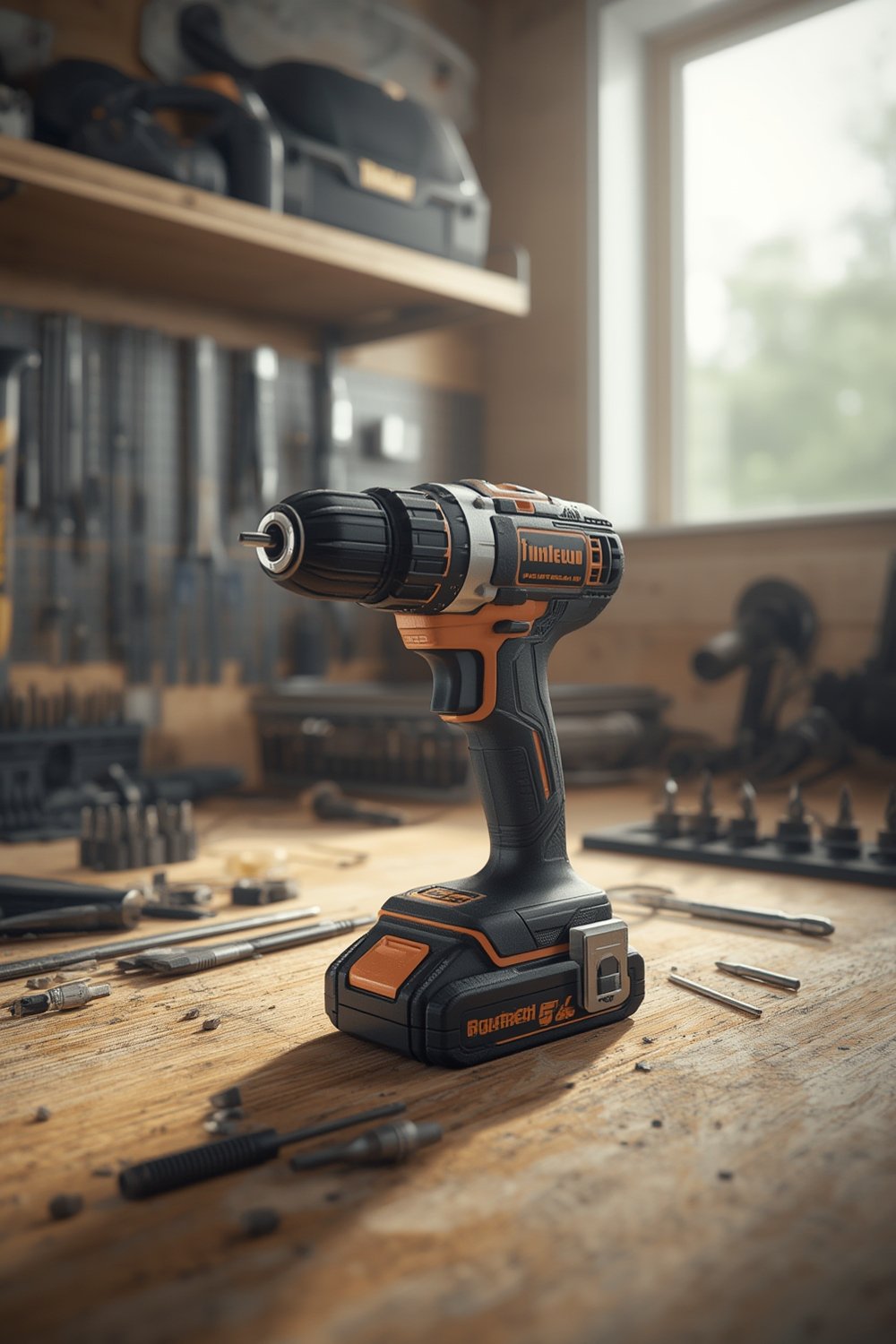
Why does this shift matter? In 2024, about 63% of residential users now prefer brushless drills. The benefits go beyond the marketing buzz: you get 30% more runtime, 75-90% motor efficiency (vs. 50-60% for brushed), and up to 10,000+ hours of motor life, according to market data.
From heavy-duty job sites to quick home repairs, users are upgrading for these measurable payoffs. As leading brands like Bosch introduce AI-driven speed control into their brushless cordless drills, the gap only widens between old and new.
Looking for other ways to upgrade your home toolkit? Read about hassle-free alternatives like the Peel Stick Backsplash that transforms your kitchen in a weekend.
How to Choose & Use a Brushless Cordless Drill: Step-by-Step Guide
Choosing the right brushless cordless drill is about more than just grabbing the latest model. Follow these steps to avoid regret and get maximum value.
-
Assess Your Real Needs:
- If you mainly hang pictures or assemble furniture, a compact 12V brushless model is usually enough.
- For deck work, stud drilling, or masonry, go for 18V/20V models with adjustable clutch settings and hammer function.
- Heavy-duty contractors should consider 36V or 60V models for power-demanding tasks—just remember these are heavier.
-
Compare Battery Kits:
- Battery capacity (Ah) matters as much as voltage. For all-day use, ensure at least two batteries are included in the kit.
- Look for platform compatibility—brands like Bosch, DeWalt, and Makita now offer 12V, 18V/20V, and sometimes 36V solutions with batteries interchangeable across dozens of tools.
- Consider the charger’s speed, as some entry-level kits include underpowered chargers that slow you down.
-
Check for Smart Features:
- Many brushless drills now come with variable speed triggers, torque settings, or even AI-powered speed control (Bosch’s latest innovation), helping to reduce user fatigue and increase control.
- Choose models with LED work lights and ergonomic, balanced grips for safer, longer use.
- Quiet operation makes brushless ideal for indoor work or sites with noise restrictions—a safety factor often missed in reviews.
-
Calculate Total Ownership Cost (Not Just Price Tag):
- Brushless drills can cost more up front, but when you factor in lower maintenance, fewer battery changes, and longer tool life (over 10,000 hours on average), the real bargain usually becomes clear.
- For most homeowners, modern kits are available for under $150 including batteries and charger, eliminating the cost barrier versus brushed alternatives.
-
Care & Maintenance:
- Brushless drills have fewer wear parts. Still, clean air vents, check battery contacts, and store in a dry place for longevity.
- Periodically update any firmware if your model supports Bluetooth connectivity for best performance and safety updates.
For renters and DIYers looking to refresh their space fast—sometimes without any power tools—explore this LEGO Bamboo Home Décor guide for totally tool-free upgrades.
Advanced Analysis & Common Pitfalls to Avoid
Market research shows that while a brushless cordless drill delivers clear technical advantages, there are still several common pitfalls and issues that can catch buyers off guard in 2024:
| Feature | Brushless Cordless Drill | Brushed Cordless Drill |
|---|---|---|
| Motor Efficiency | 75-90% | 50-60% |
| Energy Use per Task | 25-30% less | Higher |
| Battery Runtime | ~30% more fastenings per charge | Shorter |
| Typical Motor Lifespan | 10,000+ hours | Under 2,000 hours |
| Startup Cost | Higher | Lower |
| Noise & Vibration | Quieter, less vibration | Louder, more vibration |
| Maintenance | Low (no brushes to replace) | Requires periodic brush changes |
Common Mistakes and Oversights
- Misjudging Required Power: Many users overbuy—purchasing heavy, expensive models for casual DIY, leading to fatigue and wasted money. Match voltage and size to your real needs, not marketing hype.
- Ignoring Platform Compatibility: Not all batteries or chargers are interchangeable. Check your brand’s tool family before expanding your set to avoid costly redundancy.
- Overlooking Total Lifetime Cost: Some buyers focus only on sticker price and miss big savings in reduced battery replacement and almost zero motor servicing over the drill’s lifespan.
- Missing Quiet & Safety Benefits: Quieter operation is not just about comfort—it can help you comply with local noise ordinances or workplace safety limits, especially in residential zones.
- Forgetting Maintenance: While brushless drills need less upkeep, neglecting air vent cleaning and battery care shortens even the toughest tool’s life.
Potential Downsides
- Upfront Cost: Brushless cordless drills often cost 10-30% more than their brushed counterparts, which could be a hurdle for price-sensitive buyers. However, kits under $150 are now common, reducing this barrier over time.
- Complex Electronics: Advanced smart features can fail, especially in dusty or wet environments. When possible, choose models with solid water-resistant ratings or simpler controls if you need maximum reliability on jobsites.
- Batteries Degrade Over Time: Despite better efficiency, lithium-ion batteries eventually lose capacity. Budget for replacements every few years if you use your drill frequently.
Want upgraded home privacy in minutes? Check this DIY privacy film for windows guide—no drill required.
Conclusion: Should You Upgrade to a Brushless Cordless Drill?
A brushless cordless drill is now the smart choice for most homeowners and professionals wanting reliability, better battery life, and less tool downtime. While the initial price is typically higher, the improved efficiency and lifespan tip the scale for both value and performance. As prices continue to drop and advanced features (like adaptive speed control) become commonplace, the arguments for brushed models are fading fast.
Ready to make smarter tool investments for your home? Start comparing today—your next brushless cordless drill could be the most valuable upgrade in your kit.
If you’re interested in more pro tips for quick home upgrades, see how mixed metal peel stick tiles and easy-install solutions can save time and stress on your next project.
FAQ: Brushless Cordless Drill Explained
What is a brushless cordless drill?
A brushless cordless drill uses electronic controls instead of mechanical brushes in its motor. This makes it more efficient, with longer battery life, less heat, and a dramatically longer lifespan compared to brushed models.
Is a brushless cordless drill worth the extra cost?
For most users, yes. The upfront cost is higher, but lower energy use, longer tool life (often 5x or more), and reduced maintenance deliver solid value over time—even for casual DIYers.
Can I use my old batteries and chargers with a new brushless drill?
Not always. Many brands offer cross-platform compatibility within their ecosystem (for example, Bosch’s 18V batteries work on dozens of tools), but battery shape and voltage must match. Always check compatibility before buying.
How long does a brushless drill typically last?
A well-maintained brushless cordless drill motor can exceed 10,000 hours of use, compared to around 2,000 for brushed motors. However, battery replacements will be needed periodically.
How do I maintain my brushless cordless drill?
Keep air vents clean, store batteries in a cool dry place, and use compressed air after heavy-duty jobs. Unlike brushed drills, you won’t need to replace brushes.