

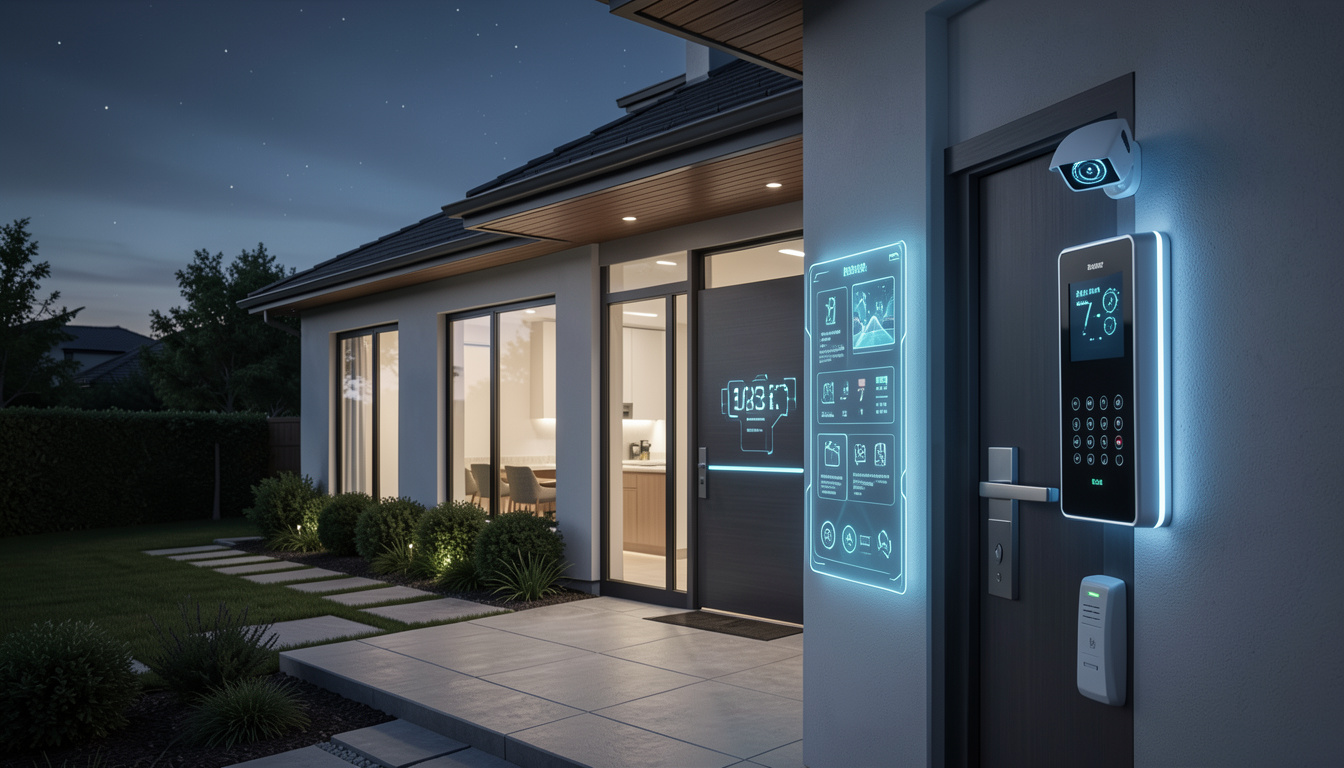
Best smart home security devices are changing how homeowners protect their families and property in 2024. From AI-powered cameras to smart sensors, the landscape keeps evolving—offering more security but also new challenges. Here’s a realistic look at what works, what doesn’t, and how to actually make smart security work at home.
Key Takeaways
- Smart home security market is projected to grow rapidly, with North America leading in adoption and innovation.
- Balancing cost, privacy, and integration is key—no device is perfect for every home.
- Technical specs, connectivity, and ease of use are just as important as features and subscription fees.
- What Are Smart Home Security Devices and Why Do They Matter?
- How to Choose and Set Up Smart Home Security: Step-by-Step Guide
- Advanced Analysis & Common Pitfalls
- Conclusion
- FAQ
What Are Smart Home Security Devices and Why Do They Matter?
Smart home security devices are internet-connected gadgets—like cameras, doorbells, sensors, and alarms—that help monitor and secure your home in real time. Their value goes beyond simple deterrence. Thanks to AI, machine learning, and remote connectivity, these systems are fast becoming the standard in US households, especially urban and suburban settings where burglary, package theft, and general anxiety about property security are on the rise.
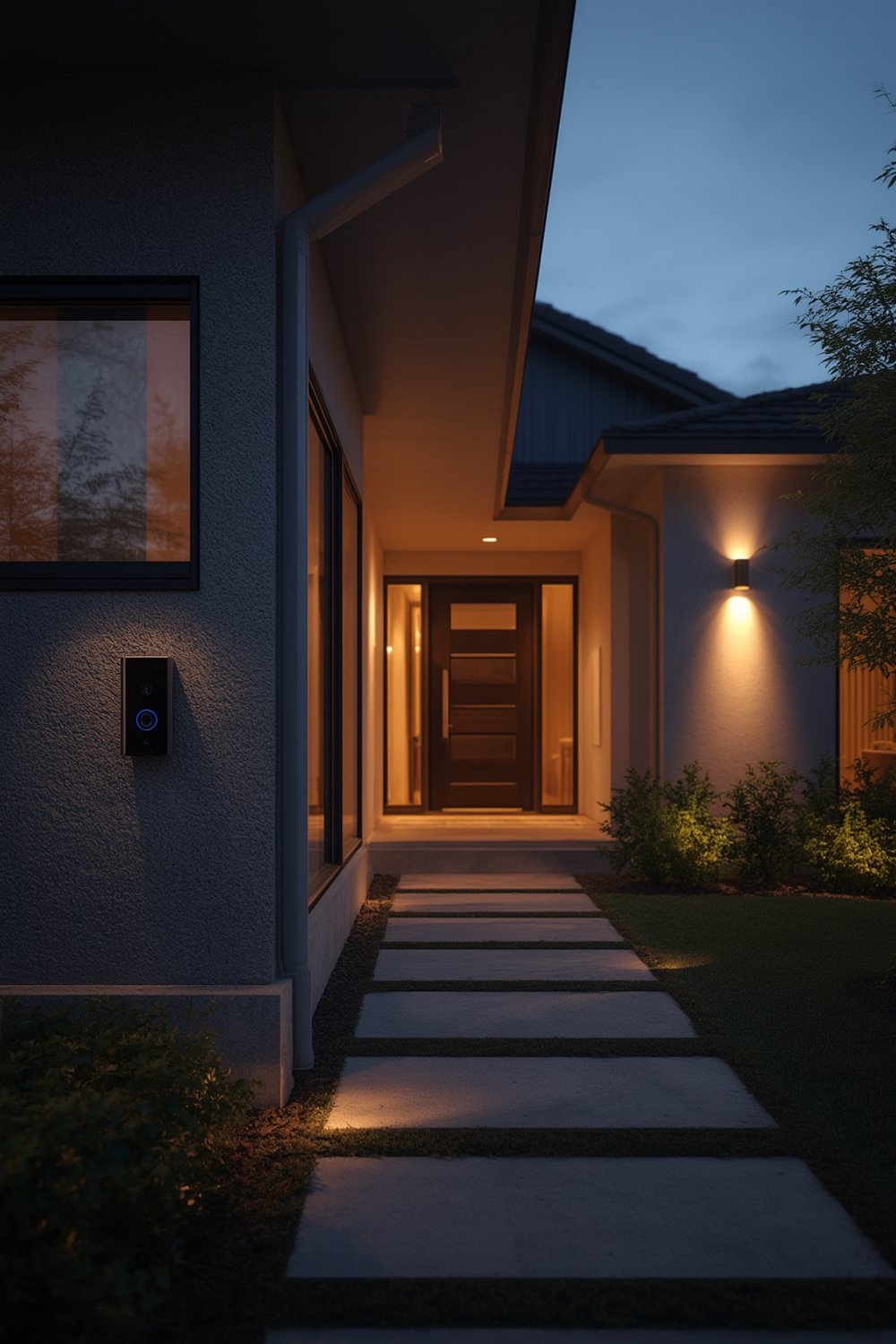
According to Grand View Research, the global smart home security market hit $33.94 billion in 2024 and is expected to more than double by 2030. North America, led by the US, holds over 37% of this market share, thanks to high smart home penetration and advanced connectivity infrastructure. The top reasons homeowners are upgrading include:
- Remote monitoring and alert capabilities during travel or work hours
- Integration with other smart devices and assistants (Alexa, Google Assistant, HomeKit)
- Advances in AI-based threat detection, facial recognition, and real-time notifications
- Flexible options from affordable DIY setups to premium, professionally monitored systems
The trend is clear: adding smart security is now a mainstream home improvement—if you know how to choose and use the right devices.
How to Choose and Set Up Smart Home Security: Step-by-Step Guide
Selecting and installing the best smart home security devices requires more than picking the highest-rated item online. Here’s the process that actually works in 2024:
-
Set Your Budget (Upfront + Ongoing Fees)
The true cost includes device price, installation, and subscription for cloud storage or professional monitoring. DIY systems with local storage reduce recurring fees but may limit remote access. -
Identify Needed Devices
Typical components are:- Smart video doorbell (for packages and visitor insights)
- Indoor/outdoor security cameras (wired or wireless)
- Entry/window sensors
- Smart locks and integrated alarms
Decide if you want a hub-based system or something that runs through an app.
-
Compare Features and Compatibility
Look for:- Camera resolution (1080p is good; 2K/4K is better for facial details)
- Battery life vs wired options (battery can be easier for renters, wired is better for reliability)
- Connectivity: Does it support WiFi 6, Z-Wave, Zigbee, Bluetooth, or PoE?
- Smart assistant support and third-party integrations
Tip: Devices like Ring, Arlo, or Eufy often balance camera quality, privacy, and price, but verify specific needs.
-
Plan Installation
Use mounting templates, check WiFi coverage with a speed test, and install at height/angle that avoids privacy disputes with neighbors. Test all alerts and permissions before activating monitoring. -
Set Privacy Controls & Automations
Create schedules, zone alerts, and control which footage (if any) gets uploaded to the cloud. Always enable two-factor authentication for accounts and app access. -
Maintenance
Test sensors, replace batteries, and check software updates every few months. Secure your router and update device firmware to close any vulnerabilities.
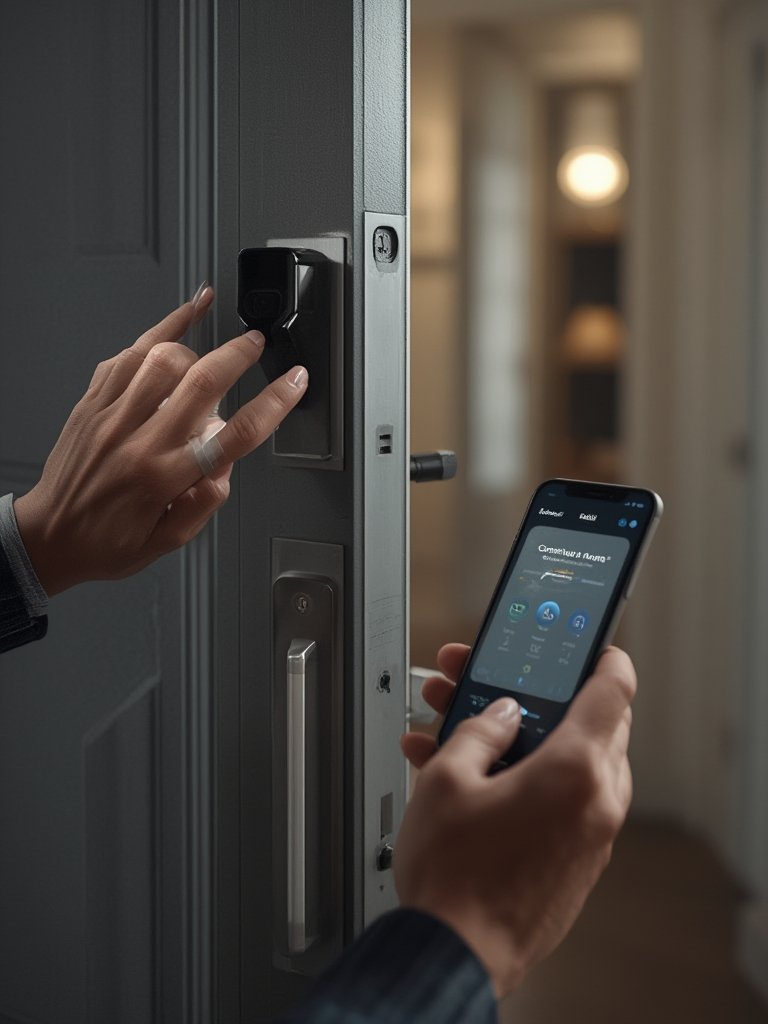
For added comfort (or if you’re a renter), check out flexible solutions like Peel Stick Backsplash or DIY-mount privacy films that give a custom fit without permanent damage—these go well with wireless security cameras and sensors.
Want more smart organization? See creative room touches with Princess Decals or design tips from LEGO Bamboo for personalizing home zones.
Advanced Analysis & Common Pitfalls
While the market is booming, not every smart home security setup is hassle-free. Here’s where users often stumble, and a realistic look at common issues:
- Device Interoperability: Not all products play nicely with each other, especially across brands or ecosystem (Apple HomeKit vs Google/Android, etc.)
- Cloud Dependency: If the provider’s cloud service goes down (or you stop paying), you might lose ALL access to footage or alerts.
- Privacy Concerns: Some smart cameras have faced scrutiny over privacy leaks, especially with cloud storage or voice assistant integration. Always use strong passwords and avoid “default” usernames.
- Weak WiFi Coverage: Your security is only as good as your home network. Concrete walls, routers stuck in a basement, or multiple devices can cripple camera feeds.
- Real Costs Add Up: Cloud subscriptions, battery replacement, and paid advanced features can surprise you after the initial setup.
- Bland Alerts: Without AI filtering, you might get bombarded by useless notifications (passing cars, squirrels, blowing leaves, etc.). Smart detection helps but isn’t always perfect.
| Feature | Smart Doorbell Camera | Wireless Sensor | Smart Alarm System |
|---|---|---|---|
| Resolution | 1080p–2K (most models) | N/A | Visual alerts only (panel UI) |
| Battery Life | 6–12 months (wireless); continuous (wired) | 1–2 years | 1–3 years (AA/AAA batteries in sensors) |
| Connectivity | WiFi, sometimes PoE, rarely Zigbee | Zigbee, Z-Wave, or proprietary RF | Usually Zigbee/Z-Wave to hub, WiFi for app |
| Subscription Required? | Usually for cloud storage | No, unless tied to central system | Often for pro monitoring |
| Integration | Alexa, Google, rarely HomeKit | Depends on protocol and hub used | Vary by brand; basic voice control common |
Efficient setups often combine these devices with other smart home upgrades. For example, pairing security with Roku Stick or Mixed Metal Peel Stick Tiles can help modernize both entertainment and aesthetics without major renovation.
Conclusion
The market for smart security is booming, with more choices than ever. But picking the best smart home security devices isn’t just about grabbing a top-rated camera or alarm; it’s a process that requires balancing upfront cost, subscription costs, technical fit, and real privacy protection. Before buying, map your space, set a budget, and compare real-world specs and subscription details—not just marketing headlines. Ready to take your home’s protection to the next level? Start by assessing your entry points and test compatibility with your existing smart home setup now.
FAQ
Can I use different brands of smart home security devices together?
Yes, but compatibility isn’t always guaranteed. Most devices work best within a specific ecosystem (like Ring, SimpliSafe, or Google Nest). If you want to mix brands, check for integrations through Amazon Alexa, Google Assistant, or Apple HomeKit, and confirm protocol support (Zigbee, Z-Wave, or WiFi).
Do smart security systems work if the power or internet goes out?
Many devices switch to battery backup during power outages, but cloud access and remote alerts won’t work without internet. Systems with local storage (like Eufy or some older models) let you review footage once power/internet returns. For critical locations, consider products with built-in SIM card (cellular backup).
Are subscriptions required for smart cameras or alarms?
Not always, but many top brands (Ring, Arlo, SimpliSafe) charge for cloud storage and advanced AI alerts. Some devices support basic use without a plan, but automatic backups, smart detection, and pro monitoring may require ongoing fees.
How can I make my smart home security more private?
Enable two-factor authentication, regularly update firmware, avoid default usernames/passwords, and control which footage is shared to the cloud. For extra privacy, disable always-on microphones and use local-only storage when possible.
What’s the fastest way to improve home security for renters?
Go wireless. Use peel-and-stick cameras, door sensors, and alarms—no drilling required. Temporary privacy films are also easy for windows and glass doors. Check out solutions like Peel Stick Backsplash for quick upgrades that don’t void rental agreements.