

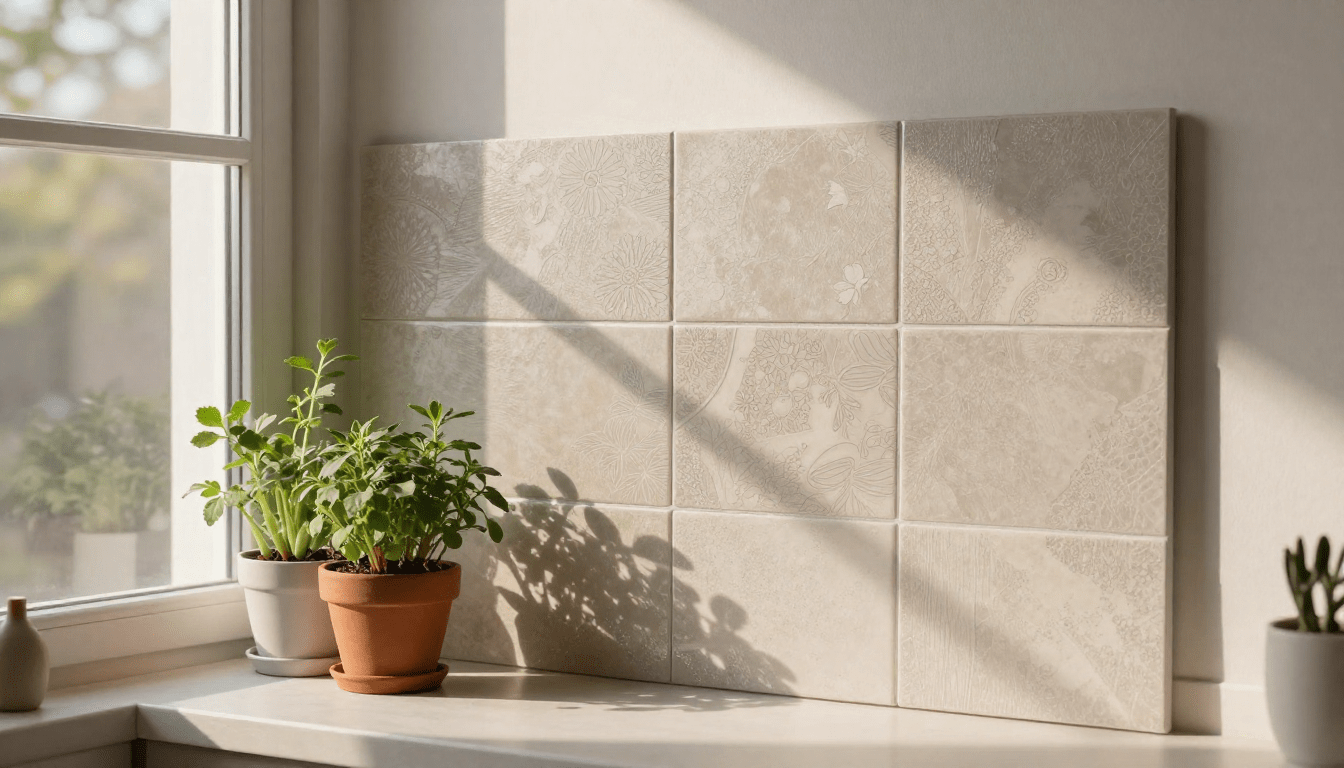
antimicrobial peel stick tiles are making a major impact on modern kitchens and bathrooms, helping homeowners upgrade surfaces while reducing bacteria and mold risks—without a complex install or huge remodel budget.
Key Takeaways
- Antimicrobial peel stick tiles combine fast DIY installation with added microbe resistance for healthier, more hygienic spaces.
- Market demand for these tiles is surging, but real-world durability and independent lab results are still underreported.
- Choosing the right product and understanding its limitations are essential for long-term performance in kitchens or bathrooms.
- What Are Antimicrobial Peel Stick Tiles? Why Use Them?
- How to Upgrade With Antimicrobial Peel Stick Tiles (Direct Steps)
- Advanced Analysis & Real-World Pitfalls
- Conclusion & Action Steps
- Frequently Asked Questions
What Are Antimicrobial Peel Stick Tiles? Why Use Them?
Antimicrobial peel stick tiles are vinyl- or PVC-based self-adhesive tiles designed for easy, tool-free surface upgrades. Their main value? They feature built-in resistance to mold, bacteria, and mildew, making them a smart choice for kitchens, bathrooms, laundry, or any area where moisture and germs are a concern.
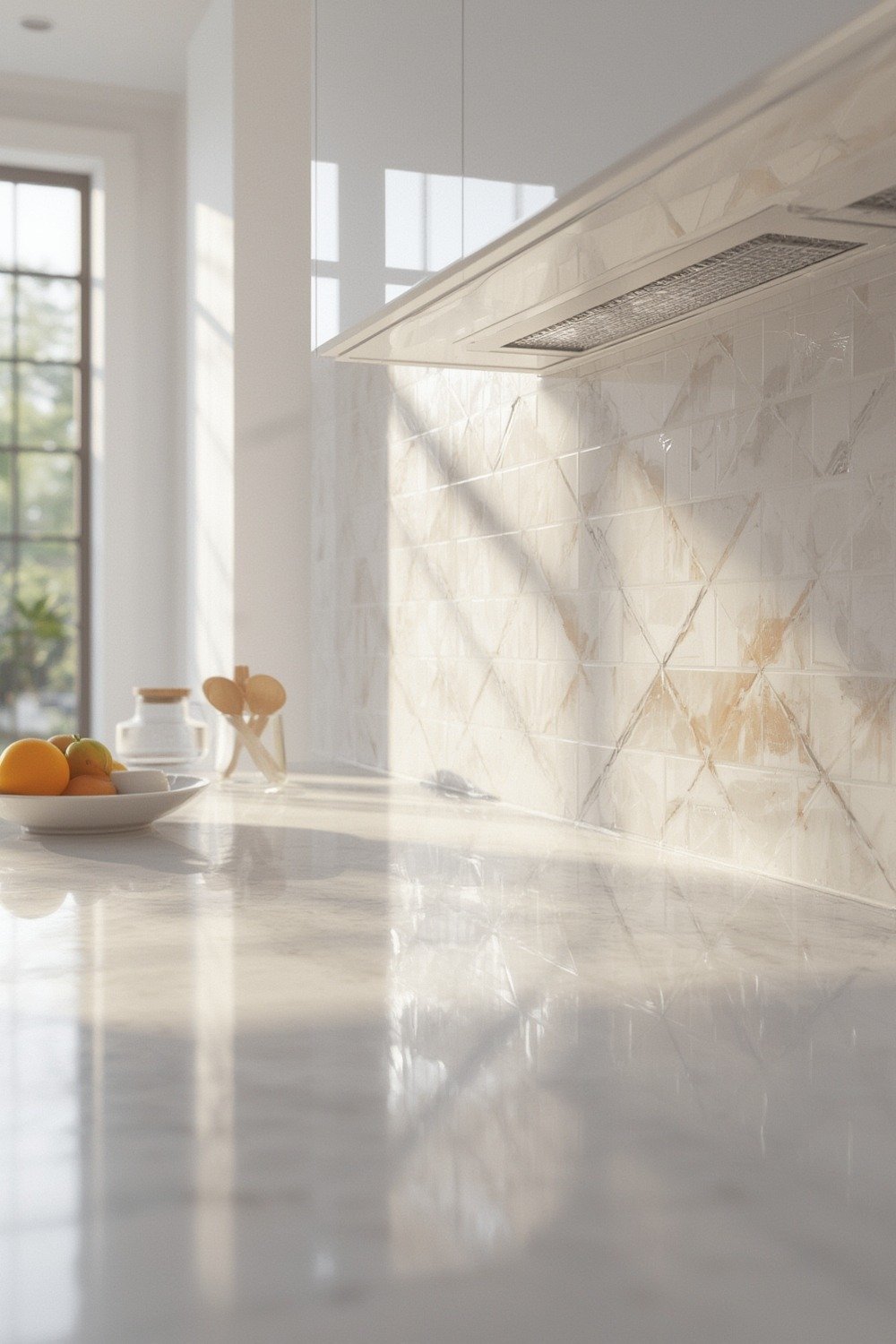
This combo of peel-and-stick convenience with hygiene-driven features is fueling rapid market growth. According to Future Market Report, the global peel and stick tile market (including antimicrobial versions) was valued at $13.75 billion in 2024 and could almost double by 2032. In North America, nearly 35% market share is now driven by homeowners prioritizing easy-to-apply, health-focused finishes.
Still, while these tiles are convenient and help reduce some microbe growth, there are crucial differences compared to traditional tiles or commercial antimicrobial systems. Understanding the “what” and “why” sets up the smartest home improvement strategy.
- Quickest way to get a durable, washable surface—almost anyone can install in a weekend.
- Less expensive than replacing standard tile, backsplash, or flooring.
- Ideal for renters, DIYers, or busy households where hygiene matters.
Want to explore related options? See our guide to LVP flooring trends or a deep-dive review of waterproof backsplash tiles for modern kitchens.
How to Upgrade With Antimicrobial Peel Stick Tiles (Direct Steps)
Ready to transform a countertop, kitchen backsplash, or bathroom wall? Just follow this step-by-step process for best results with antimicrobial peel stick tiles—adapt as needed for your exact space.
- Choose the Right Tile
Select antimicrobial peel stick tiles rated for kitchens, backsplashes, or wet walls. Look for vinyl or PVC as these materials have the best water resistance. If you’re stuck deciding, explore our peel tiles review for style and performance comparisons. - Prep the Surface
Clean the area thoroughly. Remove grease, dust, and residue. Glossy or painted surfaces may need a light sanding and a wipe with rubbing alcohol to maximize stickiness. - Measure & Dry-Fit
Lay out your tiles with the backing still on to plan your pattern. Most installation mistakes happen here—dry fit every tile before you peel any adhesive.- For outlets or cutouts, use a paper template first to avoid costly errors.
- Install Carefully, One at a Time
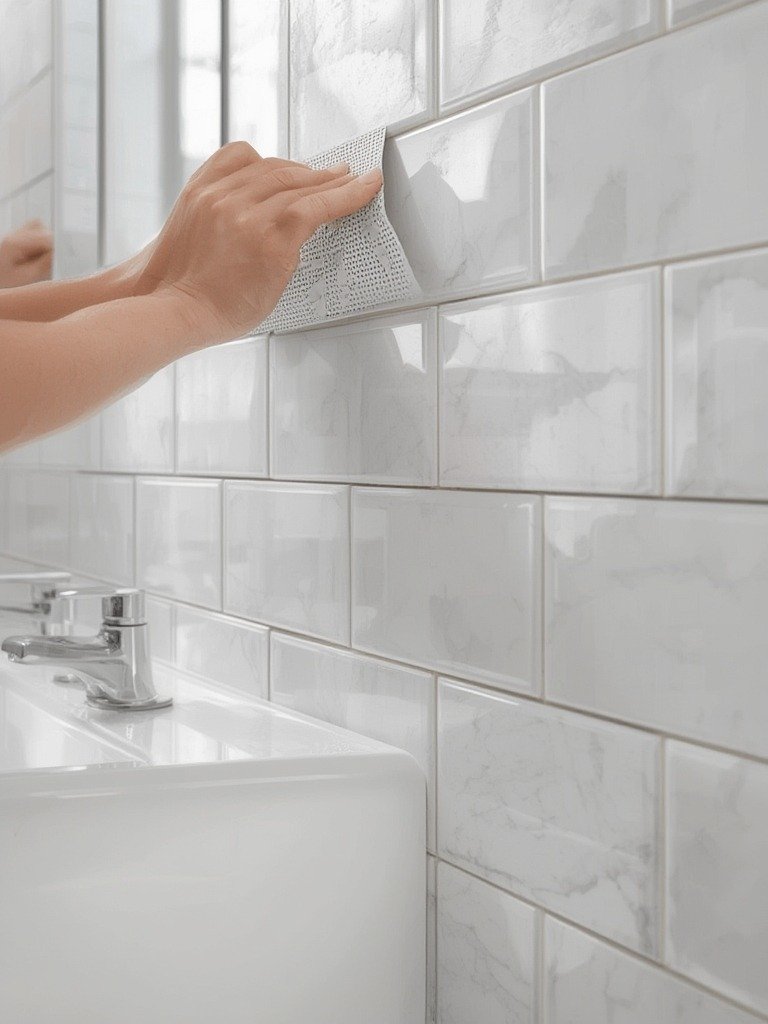
Peel the backing and press tiles firmly from center outward. Use a roller or a clean, soft cloth to ensure there are no trapped air bubbles. Overlap grout lines if doubling as a backsplash.
- Seal Edges for Best Moisture Resistance
After installing, use a clear silicone caulk on seams or edges that may be splashed. This is especially crucial behind sinks, stoves, or bathtubs. It’s a classic trick used by professionals for longevity.- If you want amazing, lasting results, you might also check out this guide to enclosed porch conversion and how moisture-resistant finishes can boost your home’s value.
- Care & Cleaning
Wipe regularly with mild soap and water; avoid harsh abrasives or scouring pads. For extra peace of mind, check if your chosen brand offers a care and maintenance guide. - Monitor Over Time
Watch for any signs of edge lifting or discoloration in high-moisture spots. Reseal seams or replace damaged tiles as needed to maintain hygienic performance.
Advanced Analysis & Real-World Pitfalls
With a booming market—projected to reach $26.5 billion by 2032—the hype around antimicrobial peel stick tiles is real (source). However, independent test data and real-life complaints suggest buyers should proceed with clear-eyed expectations:
- Installation Durability: Peel stick tiles may not last as long as traditional tile in high-traffic or steamy zones, especially if installed over textured, dirty, or uneven surfaces. Most negative reviews center on tiles peeling up near edges, sinks, or tubs over time.
- Antimicrobial Claims: There is no industry-wide test standard or certification displayed for most products. The exact chemical treatments used for microbe resistance aren’t disclosed by most brands. External data (Statifacts) confirms market demand, but lab results and longevity data are largely missing from public view.
- Appearance Issues: Cheaper antimicrobial peel stick tiles can have repeating patterns, thin color layers, or visible seams. Higher quality options reduce this but cost more.
| Feature | Antimicrobial Peel Stick Tiles | Standard Peel Stick Tiles | Ceramic / Stone Tile |
|---|---|---|---|
| Installation | DIY, no grout, rapid | DIY, no grout, rapid | Professional (or skilled DIY), mortar/grout needed |
| Antimicrobial Protection | Claimed, but rarely certified | Usually none | Depends on grout and surface—none inherent |
| Water Resistance | Excellent (vinyl/PVC) | Varies by material | Excellent if well-grouted and sealed |
| Price (2024 avg) | Not reported; likely 10-30% premium over basic stick-on tiles | $1–$4/sq ft | $4–$15/sq ft (plus install) |
| Care & Cleaning | Wipe; avoid harsh abrasives | Wipe; avoid harsh abrasives | Scrub/grout cleaning; resealing as needed |
| Longevity | Undisclosed—expect 3–8 years typical in average home use | 2–7 years typical | 15+ years |
Looking for more detailed reviews? Explore this comparison of waterproof backsplash tiles for kitchens. For renters seeking flexible DIY upgrades, see why peel and stick products lead in value over traditional tile.
Conclusion & Action Steps
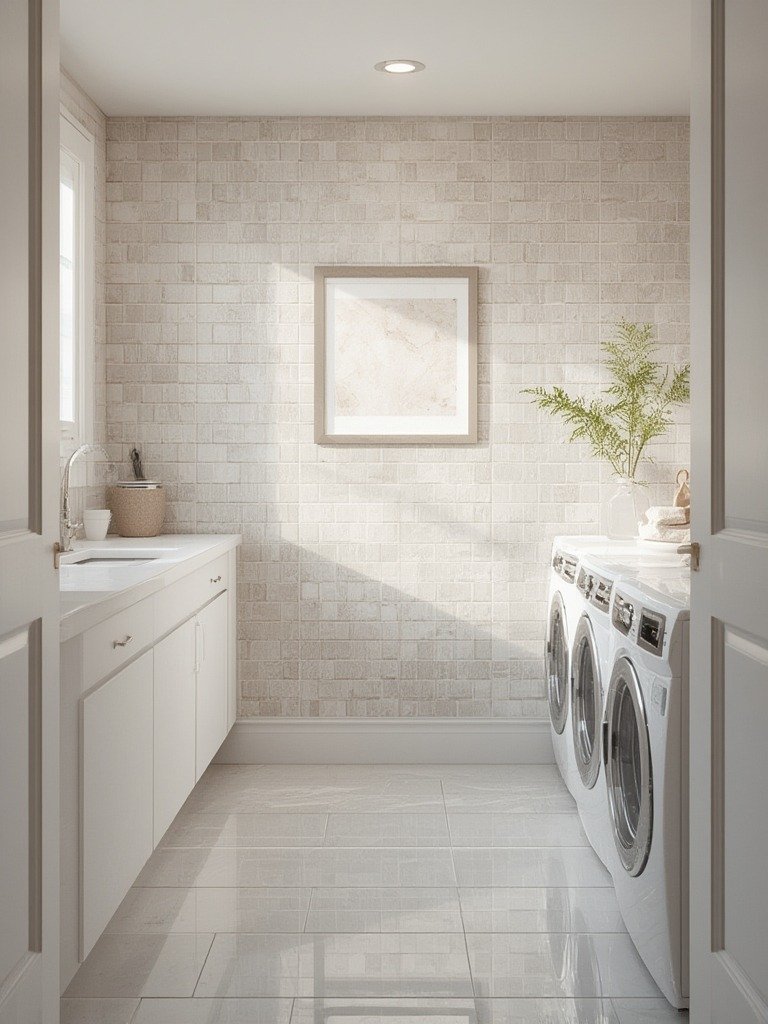
Antimicrobial peel stick tiles offer fast installation, a boost in daily hygiene, and real DIY appeal for modern surfaces. While real-world data on antimicrobial performance and longevity is slim, these tiles shine as an affordable, renter-friendly upgrade—especially for kitchens and baths.
If you want a quick way to create a cleaner, more attractive space, try antimicrobial peel stick tiles as your next DIY project. For more tips or in-depth reviews, browse our guide to modern contact papers or essentials like cork liners for creative, lasting upgrades.
Ready to upgrade? Compare products, inspect claims carefully, and get started today—your new healthy surface is just a peel and stick away.
Frequently Asked Questions
Do antimicrobial peel stick tiles prevent all bacteria and mold?
No. These tiles are designed to reduce the growth of common microbes, but they do not eliminate all bacteria or mold. Proper cleaning and avoiding standing moisture are still necessary for hygiene.
Are antimicrobial peel stick tiles safe for kitchen countertops?
Yes, when rated for countertops or backsplashes, these tiles offer added protection against germs. Always check the manufacturer’s guidance for food safety and heat resistance before using near stoves or food prep zones.
How long do antimicrobial peel stick tiles last?
Most brands do not specify a lifespan, but typical durability in home environments is 3–8 years with proper care. Longevity depends on humidity, cleaning, and correct installation.
Can you remove and replace damaged tiles without damaging walls?
In most cases, yes. Gently warming with a hair dryer will soften adhesive. Peel up slowly to minimize wall or surface damage, then clean and prep before replacing with a new tile.
Is there a significant price difference between antimicrobial and standard peel stick tiles in 2024?
No consistent data, but antimicrobial versions likely cost 10–30% more than basic peel stick tiles. Evaluate features, certifications, and warranties for value comparison.