

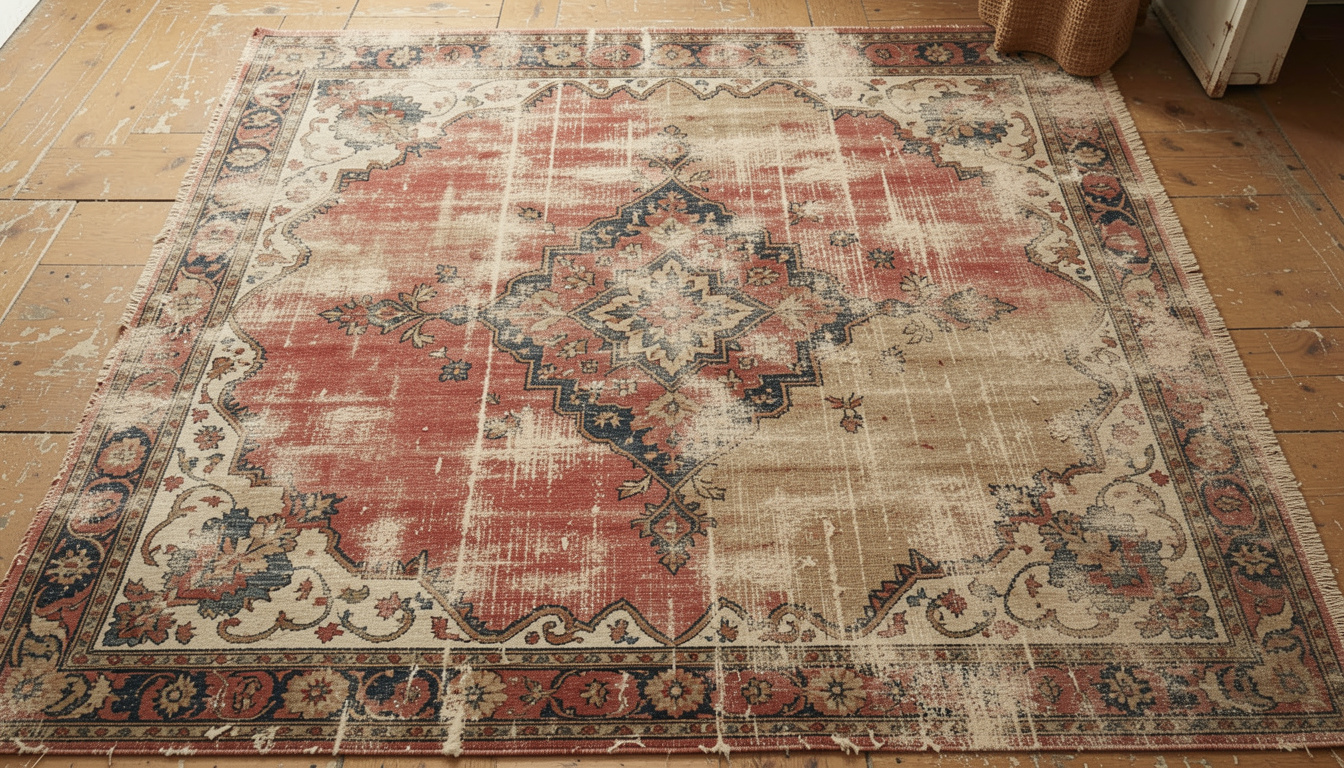
Vintage distressed rugs are dominating modern design, but most buyers don’t realize how tricky it is to get a truly authentic look and lasting value. Whether you’re shopping online, at a local market, or considering Persian-inspired alternatives for your living space, here’s what you need to know to avoid common regrets and get the perfect faded rug for your project.
Key Takeaways
- Demand for vintage distressed rugs grew by 20% in the last two years, driven by residential décor and tactile shopping experiences.
- Spotting true vintage distressed rugs is challenging—modern reproductions look convincing but often lack authentic materials and handwork.
- Understanding fundamental differences in materials, construction, and styling helps you choose rugs that last and avoid costly mistakes.
- What Are Vintage Distressed Rugs and Why Are They So Popular?
- How to Choose and Style Vintage Distressed Rugs: Step by Step
- Advanced Tips, Common Pitfalls, and Mistakes to Avoid
- Conclusion
- Frequently Asked Questions
What Are Vintage Distressed Rugs and Why Are They So Popular?
Vintage distressed rugs blend the character of age with the artistic design of classic Oriental or Persian rugs. Distressing involves visible wear, faded dyes, and subtle color variation—sometimes authentic, sometimes purposefully enhanced. The move toward these rugs accelerated after 2022, with global sales for vintage and “distressed” area rugs rising 20% through 2024 (source).
Most buyers seek vintage distressed rugs for their unique stories and authentic, cozy charm. They move seamlessly with modern and traditional interiors, masking stains and wear better than bold, flat-woven designs. They’re a timeless solution for anyone who loves the look of history but wants to refresh a space, especially in high-traffic zones.
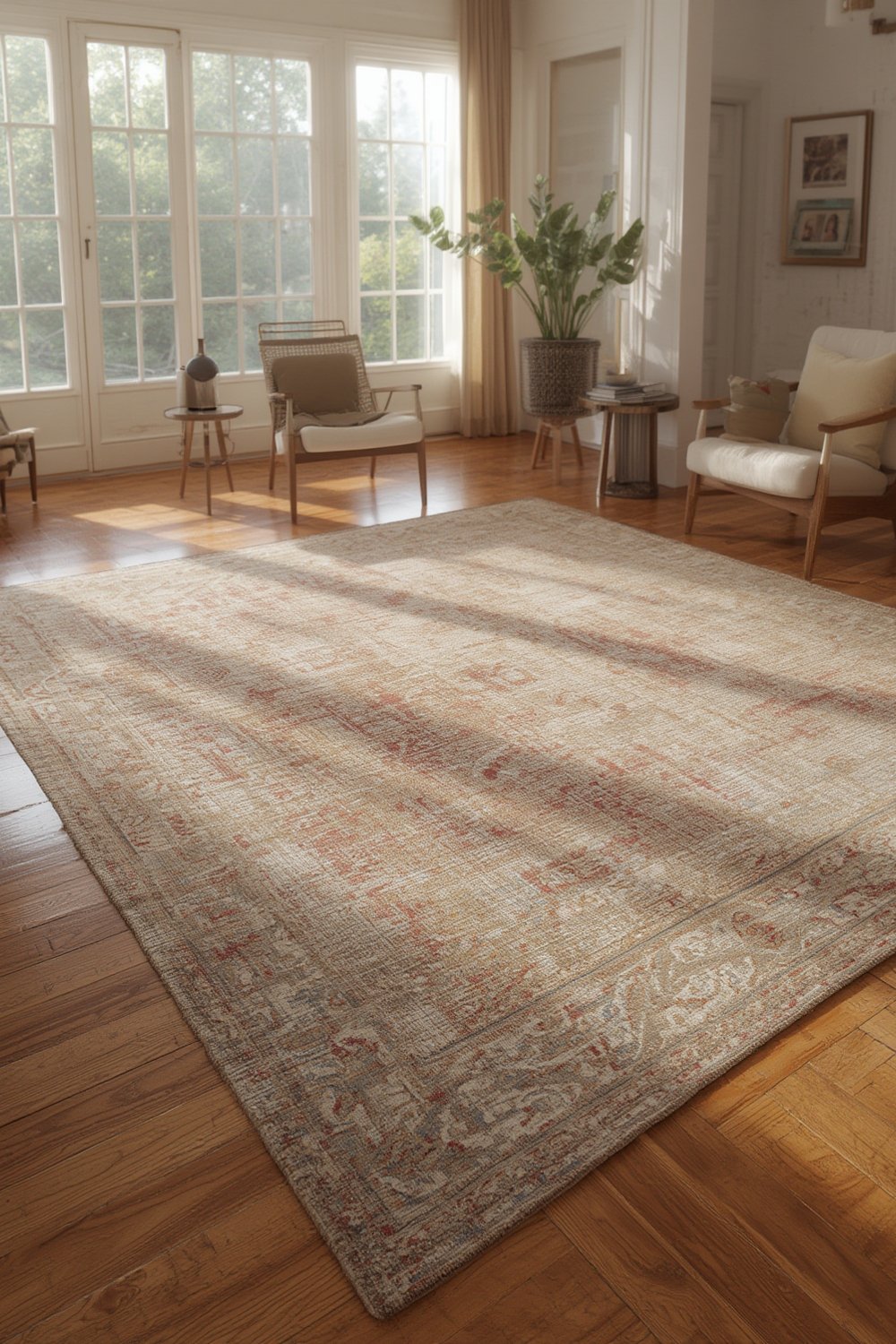
According to 2024 industry data, the decorative rugs market reached USD 3.8 billion this year, with the traditional (mostly Persian-inspired) segment holding a 32.8% share (source). The demand is led by homeowners—over 72% of purchases are for residential use, and nearly 60% of buyers worldwide still prefer purchasing in-person to assess texture and color in real life. Europe and North America are key markets for both vintage and new distressed rugs.
Beyond floors, these rugs cross over into wall hangings, staircase runners, and creative décor elements. Their faded motifs fit current design movements like nature-inspired décor, worn finishes, and playful mixing of old and new. For small DIY upgrades, you can pair a vintage rug with modern Peel Stick Backsplash tiles or upgrade a workspace with a low-maintenance houseplant like the LEGO Bamboo set.
How to Choose and Style Vintage Distressed Rugs: Step by Step
Finding the right vintage distressed rug and integrating it into your space isn’t just about shopping for patterns. Here’s a step-by-step guide that will help you avoid the most common mistakes and get the look you want.
- Define Your Purpose and Room Needs
- Measure your space and sketch the layout. Under a dining table, choose a size that leaves 18–24″ of rug visible around the chairs. For a living space, anchor sofas and coffee tables fully or partly on the rug for balance.
- Entryways and bedrooms benefit from runners or smaller faded rugs for warmth and pattern with less risk of mess.
- Pick Authentic or Reproduction?
- Authentic vintage distressed rugs (often 40+ years old) feature hand-knotted wool, vegetable dyes, and genuine patina. Expect inconsistencies—it’s charm, not a flaw.
- Modern reproductions use machine weaving, synthetic blends, and chemical washes to mimic fading. They’re affordable but less likely to last decades. If durability is critical, learn about the construction before choosing.
- Compare Materials and Dye Types
- Wool is most common for high-quality vintage rugs—naturally stain-resistant and long-wearing. Look for rich, muted coloring (a sign of vegetable or hand-applied dyes).
- Many new distressed rugs are polyester or polypropylene (easy care but shorter lifespan). They’re good choices in high-traffic, budget-sensitive settings like rentals or offices.
- Inspect for Wear and Authenticity
- Check the fringe and edges for hand-knotting. Color variations and uneven fading signal real age, not printed effects. Avoid rugs where the distressing looks uniform or painted on.
- For expert advice, bring photos or details to an experienced rug seller, or consult modern décor resources (like this Peel Wallpaper guide) for styling inspiration.
- Style & Layer for Maximum Effect
- Layer faded vintage rugs over larger jute or flatweave rugs for extra cushioning and visual interest.
- Mix patterns and textures by pairing distressed rugs with mixed metal peel stick tiles or Privacy Film on glass surfaces to make light and color pop.
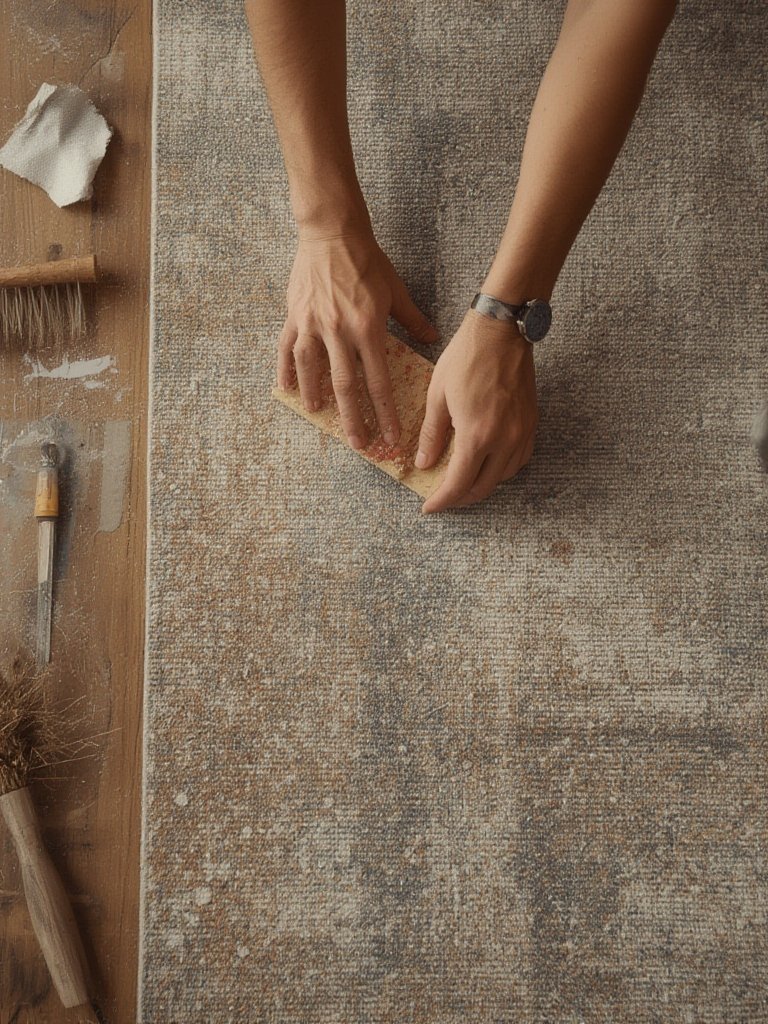
- Plan for Rug Care and Longevity
- Vacuum regularly but never use a beater bar—it can damage fragile or distressed fibers. Allow occasional professional cleaning for high-value rugs.
- Rotate your rug annually to even out fading and foot traffic.
- Set a Realistic Budget and Shop Smart
- True high-quality vintage rugs can range dramatically in price (hundreds to thousands of dollars), while modern distressed replicas are often under $300. Always ask about materials, country of origin, and return policies before buying.
- If possible, buy offline to touch and inspect in person—over 60% of consumers report satisfaction with in-person rug buying experiences according to industry reports.
Advanced Tips, Common Pitfalls, and Mistakes to Avoid
Despite their appeal, buying or styling vintage distressed rugs isn’t always straightforward. Here are realistic pitfalls and advanced tips to help you get it right.
| Factor | Authentic Vintage Distressed Rugs | Modern Reproductions (Distressed Finish) |
|---|---|---|
| Material | Wool (majority), hand-spun; some silk blends; natural fibers | Polyester, polypropylene, synthetics; sometimes wool blends |
| Weaving Technique | Hand-knotted, uneven knots, unique imperfections | Machine-woven; very consistent and uniform weave |
| Dye Process | Natural/vegetable dyes, hand-painted, aged by time/use | Chemical/acid-wash distressing, printed patterns, uniform fading |
| Durability | 40+ years if maintained; repairs add to history | 5-8 years (average), prone to matting or fading in heavy use |
| Average Price | Varies by origin, size, rarity; no reliable 2024 averages but generally higher | Under $300 in most stores for popular sizes |
| Red Flags | All wear/patina matches, odd chemical odor, bright “new” whites (not authentic) | Edges feel stiff, back is plastic or latex, distressing is too perfect |
| Where to Shop | Specialist rug galleries, reputable antique dealers, in-person | Big box, home décor sites, online only; in-store if possible for tactile inspection |
- Material Confusion: Synthetics can look old but age poorly compared to wool. Ask detailed questions about fiber content (avoid “blend” if longevity matters).
- Dry Rot and Fading: Overwashed genuine vintage rugs may suffer from weak foundation or irreversible color loss. Flip the rug and examine knots and foundation for cracks or visible breakage.
- Fake Patina: Modern “distressing” can mean acid-wash, printed patterns, or heavy abrasion. If a rug looks perfect everywhere, it’s probably not authentically aged.
- Price Ambiguity: With the 2024 market lacking specific average prices, set a budget range and stick to trusted sources. Don’t be rushed by “limited deals.”
- Care Mistakes: Steam cleaning, harsh vacuuming, or DIY bleaching ruin most vintage rugs. Only gentle, professional cleaning should be used for true antiques.
If you want a space that looks fresh and personal, combine your vintage rug with unique home upgrades. Try Princess Decals for a playful touch in kids’ rooms or peel stick backsplash for a quick kitchen transformation.
Conclusion
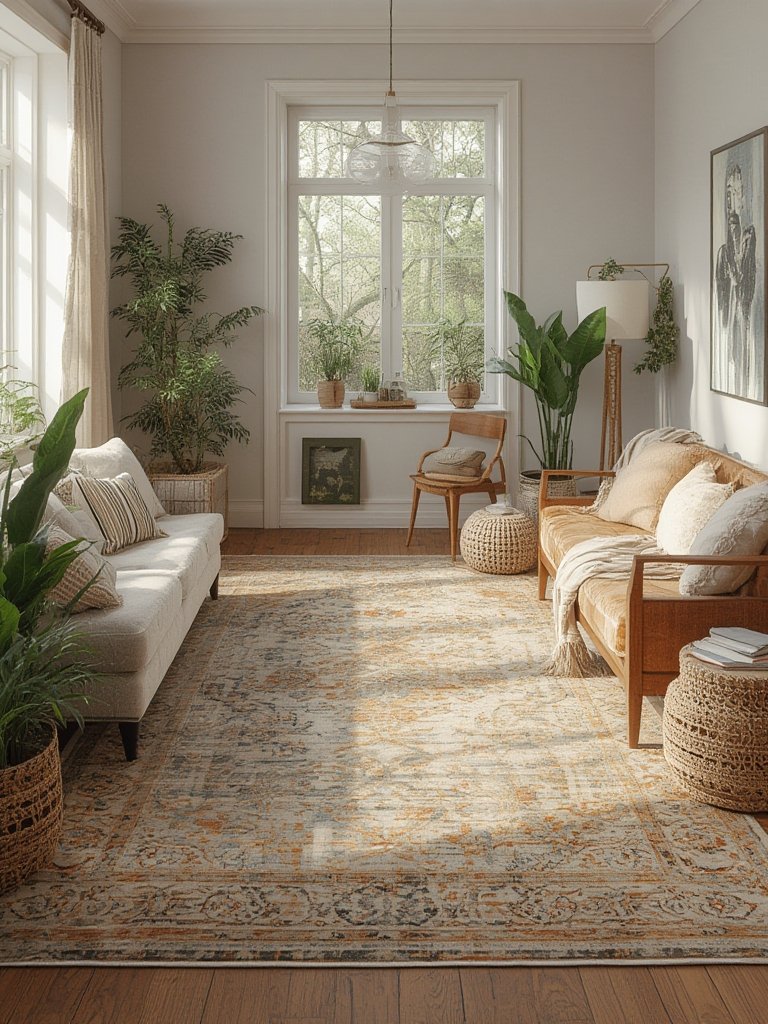
Vintage distressed rugs are a smart, character-rich addition to nearly any interior. They hold strong resale value and outlast trendy patterns if you choose materials and construction wisely. Approach your purchase with a critical eye—check for authentic wear, beware of mass-made lookalikes, and consider your home’s practical demands. With the right prep, you can enjoy the soul and beauty that vintage distressed rugs bring to your modern space. Ready to upgrade your décor? Start exploring local galleries or reliable online collections today.
Frequently Asked Questions
How can I quickly tell if a vintage distressed rug is authentic?
Check the back for irregular (not uniform) knots, gently frayed edges, and uneven color fading. Mass-produced rugs often have perfectly even wear and rough latex backings.
Are vintage distressed rugs practical for homes with kids or pets?
Yes, especially for busy spaces. Their patterns hide stains and daily wear well. For added hygiene, consider pairing them with easy-to-clean mats like antimicrobial peel stick tiles underneath in eating or play areas.
What’s the difference between antique, vintage, and distressed rugs?
“Antique” usually means 100+ years old; “vintage” is 20-99 years; “distressed” describes the visible wear—whether original or artificially applied. All three terms sometimes overlap in décor marketing.
How do I care for vintage distressed rugs without damaging them?
Vacuum with gentle suction only, avoid upright vacuum beaters, and blot spills immediately. For a deep clean, professional rug specialists with experience in hand-knotted rugs are best.
Why do some vintage distressed rugs cost so much more than others?
Factors include materials (wool vs. synthetics), age, craftsmanship, rarity, and region of origin. Genuine Persian or Anatolian hand-knotted rugs often fetch a premium over machine-made lookalikes.