

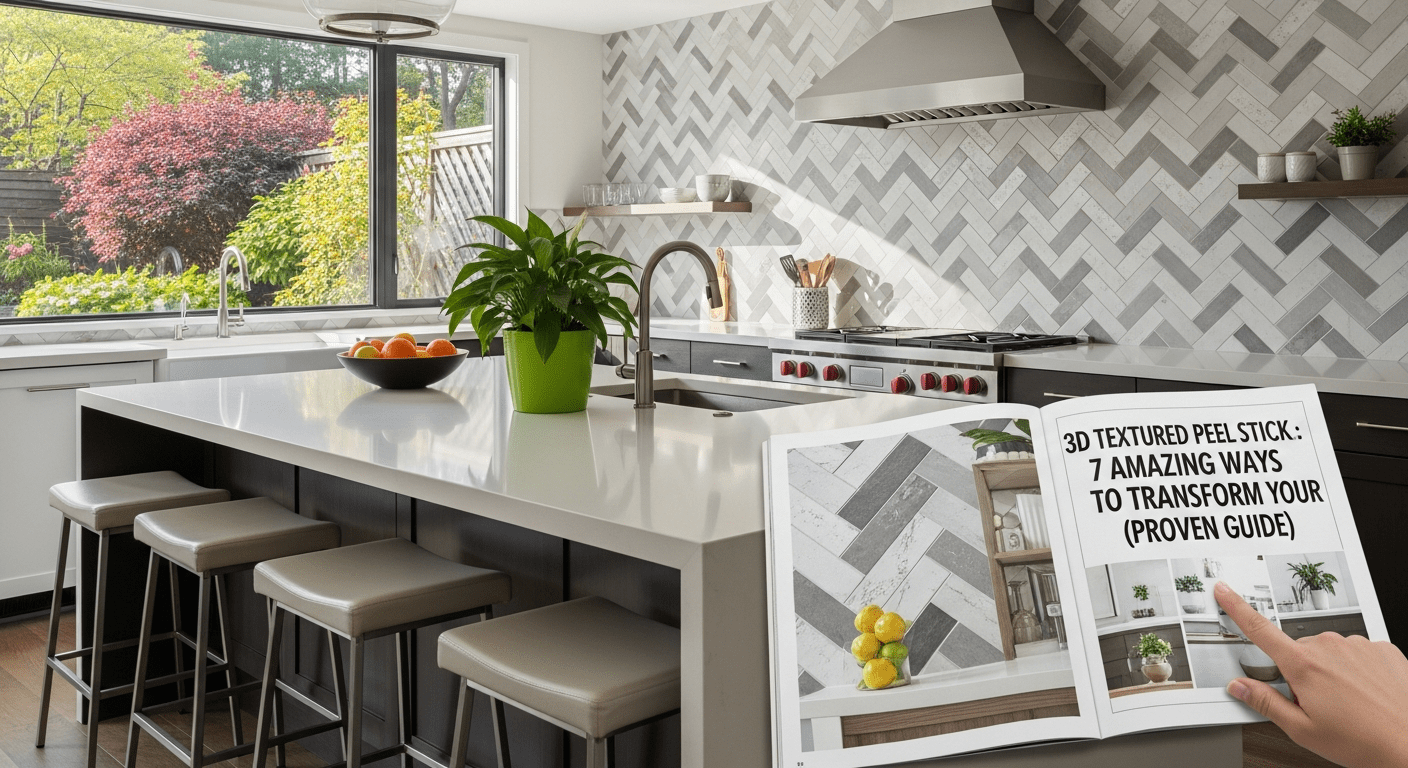
3D textured peel stick tiles are revolutionizing DIY backsplashes, feature walls, and home upgrades by offering realistic dimension, instant results, and installation with no mess.
Key Takeaways
- 3D textured peel stick tiles add tactile realism and modern design to kitchens, bathrooms, and accent walls without the cost or hassle of traditional tiling.
- Preparation and careful placement are essential for optimal durability, especially on imperfect or high-moisture surfaces.
- Material choices and adhesive quality can impact longevity—always verify product specs and warranties before buying.
- What Are 3D Textured Peel Stick Tiles?
- Step-by-Step Installation Guide
- Advanced Analysis & Common Pitfalls
- Conclusion
- Frequently Asked Questions
What Are 3D Textured Peel Stick Tiles?
3D textured peel stick tiles are self-adhesive wall or floor tiles featuring a raised, tactile surface. Unlike flat contact paper or standard peel-and-stick vinyl, these tiles create an embossed, multi-dimensional look that closely mimics real ceramic, stone, or glass finishes.
These tiles are designed primarily for splashbacks, accent walls, and low-traffic flooring, providing the feel of high-end tilework without professional installation. According to recent industry data, innovations like 3D texture and metallic finishes are driving the premium segment of peel and stick tiles, particularly in North America and kitchen applications.
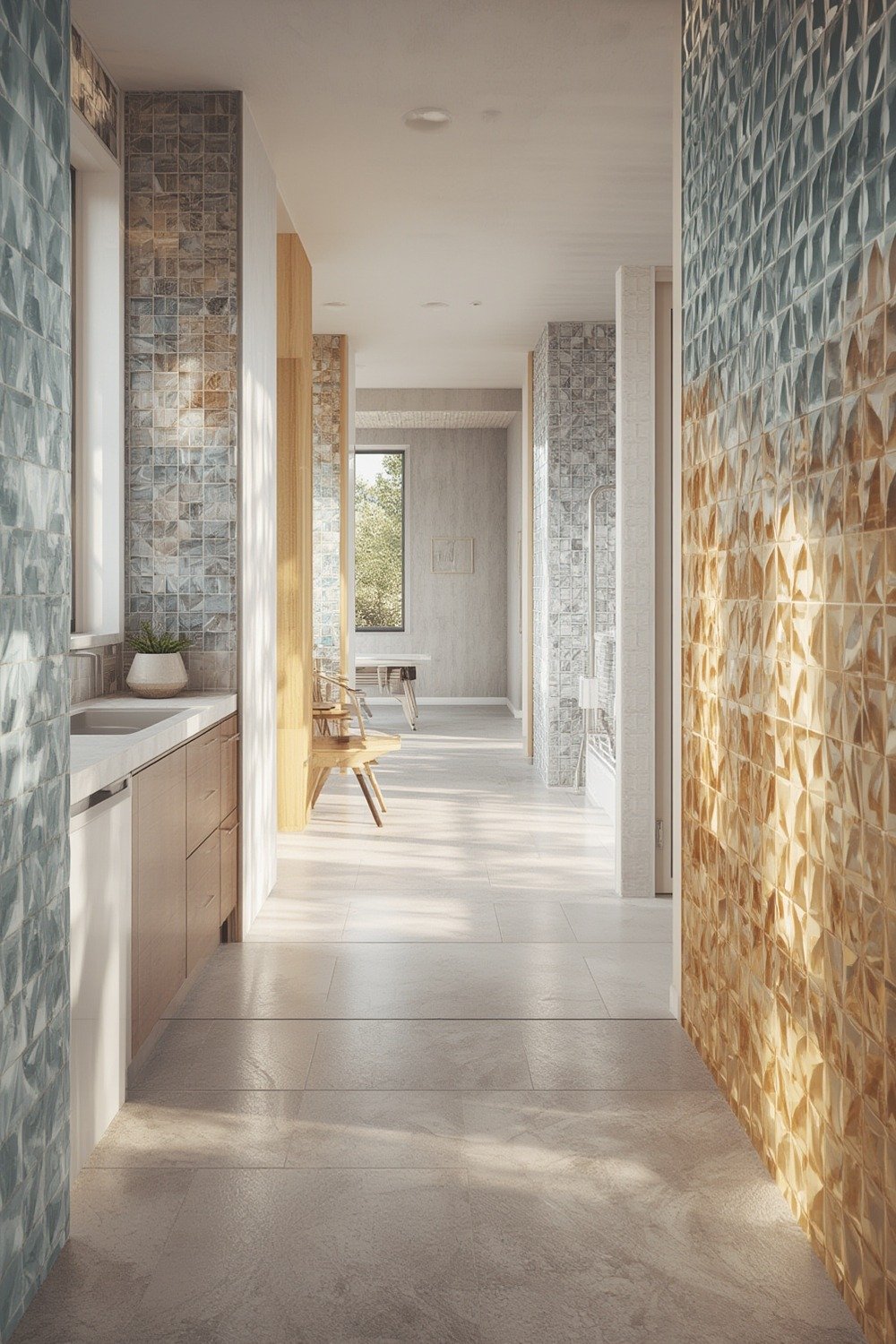
Most 3D peel stick tiles use a gel, resin, or sculpted PVC/vinyl surface. High-quality options boast water-resistant and easy-to-clean finishes. Their biggest draw for homeowners and renters: no grout, drying time, or advanced tools required. It’s a quick, affordable way to achieve dramatic results—but only if you install them right and choose the right product for your space.
Similar products, such as waterproof backsplash tiles, have gained popularity for upgrades that blend function with style without committing to a full renovation.
Step-by-Step Installation Guide
Proper installation of 3D textured peel stick tiles maximizes both their visual impact and lifespan. Here’s how to get flawless, lasting results, even if you’ve never tiled before.
- Step 1: Surface Prep
- Clean the target surface thoroughly: Remove grease, dust, and old adhesive. Avoid installing on textured paint or unsealed drywall.
- Most adhesives bond best to smooth, dry, and primed surfaces. For uneven grout lines or holes, use lightweight spackle and sand flat.
- Step 2: Planning & Layout
- Dry-fit your tiles before peeling the backing. Check for repeating patterns and measure twice to avoid awkward edges or mismatched grout lines.
- Use a level and pencil for your starting line. Always begin in a visible corner or center focal point (like behind a range or sink) for best alignment.
- Step 3: Cutting Tiles
- Use a sharp utility knife and metal straightedge for precise cuts. Some thick 3D tiles may require heavy-duty scissors or tin snips, especially on metallic finishes.
- Trim edges carefully to avoid compressing or cracking the embossed surface, especially on thin gel or resin designs.
- Step 4: Peeling & Sticking
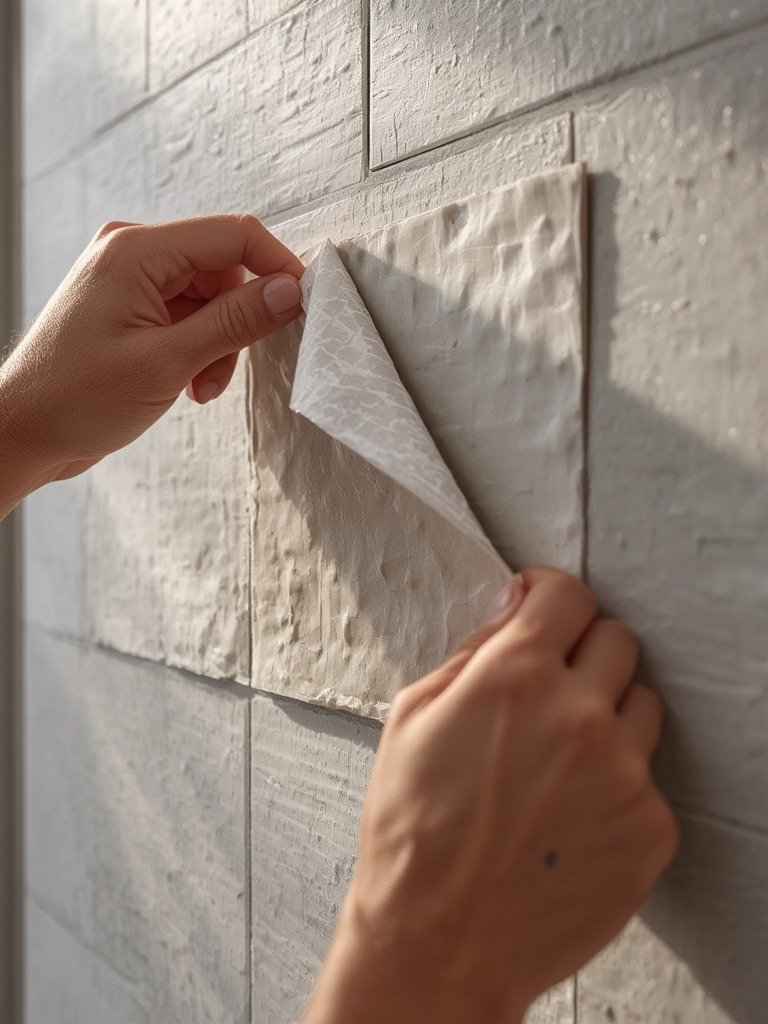
- Remove the backing gradually as you apply, smoothing from the center outward to avoid air bubbles. Apply firm, even pressure on every section.
- For best adhesion, avoid touching the sticky side too much or repositioning tiles after initial contact. Even high-quality adhesives weaken with repeated lifting.
- Step 5: Sealing Edges (Optional)
- In splash zones (showers, behind sinks, stovetops), protect seams with a bead of clear silicone caulk to prevent water intrusion and lifting.
- Check manufacturer guidelines regarding sealing—some warranties may require it.
- Step 6: Care & Maintenance
- Wipe with a soft, damp cloth. Avoid abrasive cleaners or scouring pads that could scratch or dull the raised patterns.
- For heavily embossed or raised tiles, use a vacuum with a brush attachment to keep dust out of grout lines or relief areas.
Need more inspiration before tackling your space? Browse our Ultimate Steps for Amazing Peel Tiles guide or explore trending LVP flooring trends for next-level flooring ideas.
Advanced Analysis & Common Pitfalls
While the appeal is undeniable, 3D textured peel stick tiles come with a few realistic challenges. For most users, these tiles are best for moderate-traffic, vertical installations—such as kitchen splashbacks or accent walls—rather than flooring that sees daily wear.
Here are the most common problems and how to avoid them:
- Adhesion Failure: Poorly prepped surfaces or humidity can lead to corners peeling. Always follow the surface prep process—skip it, and even the best tile can fail.
- Mismatched Grout Lines: Because the 3D effect simulates grout, layout accuracy is critical. Rushing installation causes obvious seams and pattern breaks.
- Damage from Heat and Moisture: Not all products withstand cooktop heat or direct shower spray. Some vinyls or adhesives warp near ovens. Check heat and moisture ratings before installing behind ranges or in bathrooms.
- Cleaning Difficulties: Deeply embossed or grooved textures can trap dirt. Choose designs where you can easily wipe grout lines and patterns.
- Lifespan Overpromises: Expect a lifespan of 3-7 years in moderate use. Heavy cleaning or abuse may shorten this, especially for raised resin or gel finishes.
| Feature | 3D Textured Peel Stick Tiles | Traditional Ceramic Tiles |
|---|---|---|
| Installation Skill | Beginner | Professional/Skilled DIY |
| Install Time | 2-4 hours per wall | 1-2 days plus curing |
| Water Resistance | Moderate to High* | High |
| Heat Resistance | Usually up to 150°F* | Very high |
| Removability | Easy—renter-friendly | Difficult—may damage wall |
| Price Range | Low to moderate | Moderate to high |
*Check manufacturer specs; ratings vary across brands.
Many premium 3D textured tile manufacturers are working to close performance gaps with new gel-based and waterproof finishes.
Want to compare these tiles to classic waterproof backsplashes? Explore our in-depth review of waterproof backsplash tiles.
For market context and broader trends, see the latest statistics from Global Market Insights and Credence Research.
Do you want more home-value-boosting ideas beyond tiles? See how an enclosed porch conversion can transform living space, or check our cork liner review for versatile products that pair well with peel-and-stick aesthetics.
Conclusion
3D textured peel stick tiles deliver instant modern style, tactile appeal, and truly DIY-friendly installation. When you prep carefully, select the right product for your room, and follow a few pro steps, they can rival traditional tilework at a fraction of the effort and cost. Always remember: the best results depend on product quality, surface prep, and honest expectations about their lifespan and care.
Want to see how 3D textured peel stick tiles can transform your home? Explore our curated guides for more tips and product reviews—or start your DIY project today for a fast, transformative upgrade!
Frequently Asked Questions
Do 3D textured peel stick tiles work in showers or high-moisture areas?
Some 3D peel stick tiles are rated for use in bathrooms or even showers, but always check the manufacturer’s moisture resistance claims. Sealing edges with clear silicone and ensuring proper surface prep are essential for high-moisture areas.
Can you install 3D peel stick tiles over existing tile or rough surfaces?
In most cases, yes—as long as the surface is clean, smooth, and dry. Fill grout lines or rough spots with spackle and sand flat. Avoid textured paint or extreme unevenness to prevent air gaps.
Are 3D textured tiles easy to remove without wall damage?
Most are designed for easy removal, making them renter-friendly. However, removing them too quickly may peel off thin paint or primer. Go slowly and use gentle heat (like a hairdryer) to soften adhesive if needed.
Will the 3D surface trap dust or be hard to keep clean?
Raised or grooved surfaces can collect dust. Regular wiping and using a soft brush attachment on your vacuum can keep them looking sharp without much effort.
How long do 3D peel stick tiles last?
Expect 3-7 years on backsplashes or feature walls, depending on brand, cleaning routine, and exposure. Heavy scrubbing or hot, humid settings may shorten their lifespan.