

SPC flooring installation is booming in 2024, thanks to its blend of durability, water resistance, and sleek appearance for both homes and commercial spaces. Before you dive in, it’s crucial to know exactly what it involves and where most people get tripped up—so you get pro-level results the first time.
Key Takeaways
- SPC flooring is driving fast growth thanks to easy installation, rigidity, and full water resistance.
- Most DIYers and pros face subfloor prep, plank stability, and transitions as major trouble spots.
- Cost, thickness, and wear layer quality matter far more than brands let on—choose specs carefully for your needs.
- What Is SPC Flooring & Why It’s Taking Over
- How to Install SPC Flooring: Step-by-Step
- Advanced Analysis & Common Pitfalls
- Conclusion
- Frequently Asked Questions
What Is SPC Flooring & Why It’s Taking Over
SPC (Stone Plastic Composite) flooring is a rigid core vinyl plank engineered for maximum stability and water resistance. It uses a dense limestone and PVC composite core—the reason it never warps or buckles, even in wet rooms. Homeowners and professionals are choosing SPC flooring installation over traditional hardwood or laminate in kitchens, bathrooms, basements, and high-traffic spaces for its no-fuss maintenance and long lifespan.
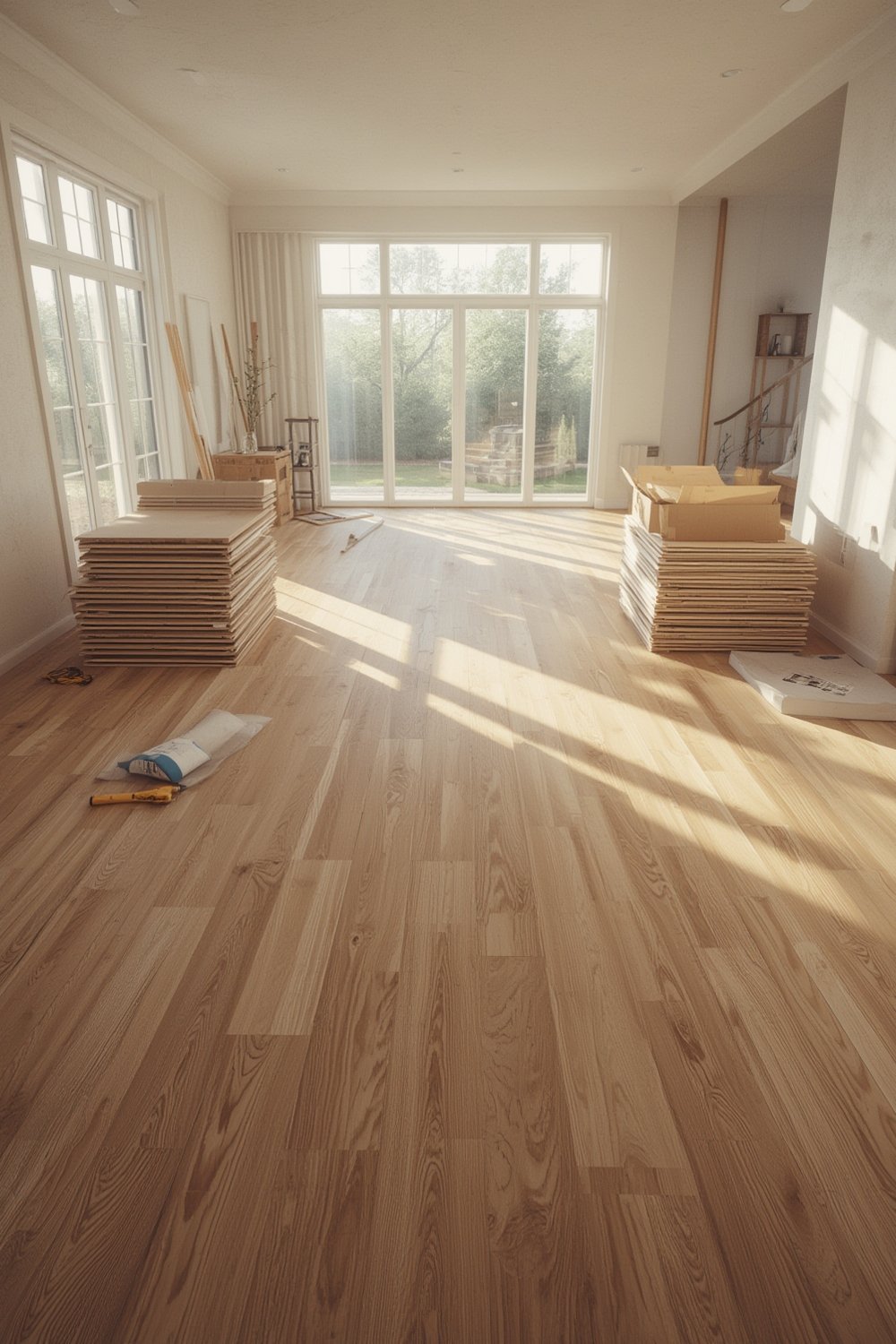
According to market reports, the global SPC flooring market will surpass $3–13 billion in 2024, with North America holding over 40% revenue share. Simple click-lock systems and affordable pricing feed a huge DIY trend, but many overlook essential technical specs that determine lasting performance.
Key technical factors to compare before you buy:
- Core: Contains limestone powder and stabilizers for waterproof, rigid structure. Superior to standard LVP in stability.
- Thickness: Standard thickness works for light residential spaces. Opt for thicker planks in busy commercial or family use.
- Wear Layer: Protects against scratches; commercial-grade or enhanced layers mean better durability but higher cost.
- Installation: Modern click-lock system simplifies DIY and allows clean removal without glue.
Learn how SPC flooring compares with other innovative home surfaces, or explore the differences between waterproof tile alternatives for kitchens and bathrooms.
How to Install SPC Flooring: Step-by-Step
Ready to tackle SPC flooring installation yourself? Here’s an action-first guide trusted by both seasoned pros and first-time DIYers:
- Gather Essential Materials: SPC planks, underlayment (unless attached), spacers, utility knife, tapping block, pull bar, measuring tape, pencil, and a soft mallet.
- Prep the Subfloor: Clean thoroughly. All debris, dust, nails, and bumps must go. Subfloor should be flat within 3/16″ per 10 feet—use a long level to confirm.
- Acclimate Planks: Leave flooring boxes in the installation room for 24–48 hours. This reduces expansion or contraction problems.
- Plan Your Layout: Decide on the direction and stagger pattern. This avoids narrow final rows and awkward seams.
- Install Underlayment (If Needed): Some SPC planks come with attached underlayment. If not, roll out vapor barrier/underlayment for sound and moisture protection.
- Set Spacers at Walls: Maintain a 1/4″ gap around the room perimeter so floors can contract or expand without buckling.
- Lay the First Row: Lock planks side-to-side. Cut the end plank as needed. Use the trimmed piece to start the next row for less waste.
- Continue Click-Lock Installation: Stagger seams by at least 6 to 8 inches. Use a tapping block and mallet for tight joints—gaps at seams let moisture in and cause movement.
- Cut Around Doors and Obstacles: Use a jigsaw for complex or curved cuts. Don’t force planks into place; trim for a gentle fit.
- Finish Rows and Trim: Remove spacers. Install finishing trim and transitions. Sweep to finish—enjoy your new waterproof floor.
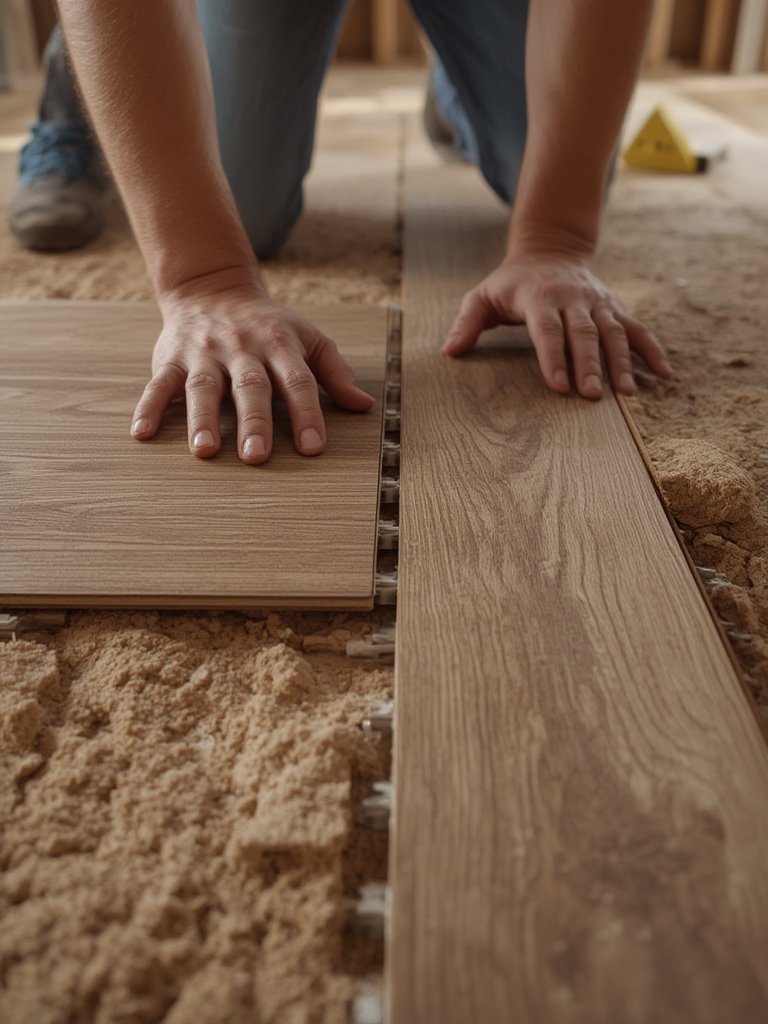
One final step: after laying your floor, wait at least 24 hours before moving heavy furniture back. This gives seams time to set and reduces the chance of shifting or lifting.
If you’re designing a kitchen to match your new floors, get design inspiration here for backsplash and finish details that tie the room together.
Advanced Analysis & Common Pitfalls
Despite its reputation for hassle-free installation, SPC flooring has very real challenges that most guides gloss over. Awareness and preparation give you the edge.
Common Pitfalls in SPC Flooring Installation
- Poor Subfloor Prep: SPC’s rigid core means it won’t flex over debris, nails, or uneven concrete. You’ll feel bumps underfoot, and planks can break at weak points.
- Ignoring Expansion Gaps: Failure to leave a 1/4″ perimeter gap can cause floors to bulge or pull away from the wall during seasonal changes.
- Click-Lock Damage: Excess force or improper tapping can chip locking edges, causing weak seams and noisy floors. Always use the right tapping block—never a straight hammer.
- Thickness Mistakes: Standard thin planks work for bedrooms but may flex or move in busy living rooms. Pay extra for commercial/thick options if your space gets heavy use or if you have active pets.
- Incorrect Underlayment Use: Using extra underlayment when planks already have an attached back layer voids warranties and risks joint breakdown.
How Does SPC Flooring Actually Compare?
Though specific scratch or lab data is rare, user feedback and market insight point to the following:
| Feature | SPC Flooring | Traditional LVP | Engineered Hardwood |
|---|---|---|---|
| Waterproof | 100% waterproof (Best in class) |
Highly water resistant, some 100% | Resistant only with sealed edges |
| Scratch Resistance | Good with thick wear layer; not scratch-proof | Good; thickness varies widely | Varies; can be sanded/repaired |
| Pet Friendliness | Excellent—claws less likely to gouge | Good, less dent resistant | Fair—prone to scratches and dents |
| DIY Installation | Simplest—Click-lock | Moderate—Glue/tap varies | Difficult; pro installation best |
| Long-Term Stability | Rigid core resists warping | Can lift or shift if subfloor damp | Susceptible to swelling/drying cycles |
| Maintenance | Low—Sweep and mop | Low—Sweep and mop | Medium—May require refinishing |
Remember that regular sweeping and mopping will keep most SPC floors looking new, but deep scrapes and gouges require plank replacement. Always confirm warranty and read install requirements before you commit.
Find out how surface durability compares with other home upgrade products.
Costs: What Should You Really Expect?
While exact 2024 regional US costs for SPC flooring installation aren’t pinned down in reports, industry averages (materials, labor, underlayment, prep) generally range from $3 to $7 per square foot. DIYers can save on labor, but don’t skip proper prep and tools. LVP can run $2.50–$5 per sq foot installed; engineered hardwood often exceeds $8–$16.
For detailed cost breakdowns, keep an eye out for future studies. Meanwhile, always get written, line-item estimates and compare specs carefully.
Conclusion
SPC flooring installation offers a modern solution for homeowners who want waterproof, tough, and easy-to-clean floors without the steep costs or maintenance of hardwood. Success depends on choosing the right plank thickness and wear layer, strict site prep, and avoiding shortcuts in layout and installation. If you want resilient beauty that stands up to pets, spills, and busy families, SPC delivers. Ready to take the next step? Start planning your SPC flooring installation with the tips here—and share your experience in the comments below.
For fresh ideas on matching flooring to backsplashes or to compare products for kitchens and baths, browse our latest expert reviews.
Frequently Asked Questions
What is SPC flooring and how does it differ from LVP?
SPC stands for Stone Plastic Composite. Its main difference from LVP (Luxury Vinyl Plank) is a denser core made from limestone and plastic, making it more stable, rigid, and 100% waterproof. LVP is fully vinyl and may be less resistant to dents or uneven subfloors.
Is it really possible for a beginner to DIY SPC flooring installation?
Yes, most SPC uses click-lock technology. If you prep the subfloor carefully and follow the instructions on plank acclimation and expansion gaps, a steady DIYer can get professional-looking results.
Do I need underlayment with SPC flooring?
Many SPC floors come with an attached underlayment. If yours does not, install a thin foam or cork layer for soundproofing and minor subfloor imperfections. Never use additional underlayment if the product already has a backing, unless the manufacturer says it’s allowed.
How do I prevent SPC floors from separating or buckling over time?
Leave a proper expansion gap along walls (usually 1/4 inch), acclimate planks before installation, and make sure the subfloor is absolutely level and clean. Avoid force-fitting planks, which can damage the edges or joints.
Is SPC flooring good for homes with pets?
SPC flooring is excellent for pets. It is waterproof, durable, and designed to resist scratching. Just be sure to select a model with a commercial-grade wear layer for added scratch resistance.