

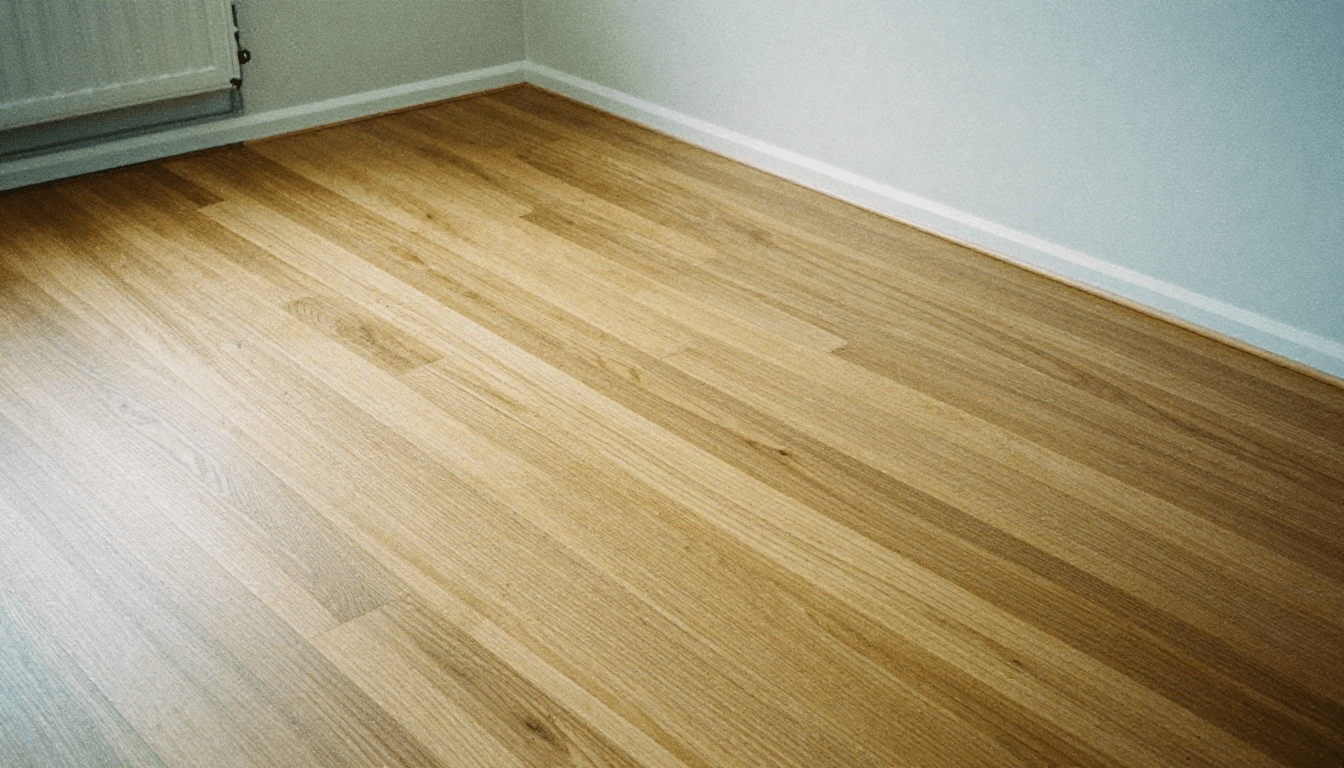
SPC flooring installation is fast becoming one of the top choices for modern homeowners seeking affordability, durability, and waterproof performance—yet many guides gloss over the real challenges you might face.
Key Takeaways
- SPC flooring installation dominates the US luxury vinyl market, with North America holding over 40% of global market share in 2024.
- Actionable steps, pro tips, and hacks can prevent common installation headaches and prolong the lifespan of your floor.
- Most online guides skip advanced pitfalls, subfloor readiness, and SPC flooring limitations—this post exposes them all.
- What Is SPC Flooring Installation and Why Choose It?
- Step-by-Step Guide: How to Install SPC Flooring
- Advanced Analysis & Common Pitfalls
- Conclusion
- Frequently Asked Questions
What Is SPC Flooring Installation and Why Choose It?
SPC (Stone Plastic Composite) flooring installation is a process that involves placing a multi-layer, rigid core vinyl floor that combines powdered limestone, stabilizers, and PVC. Homeowners gravitate toward SPC due to its genuine waterproofing, superior dent resistance, and easy maintenance. In 2024, professional SPC installation fueled the global market to between $3.2-13.6 billion, with North America leading at over $1.3 billion and residential projects valued at $2.78 billion [source].
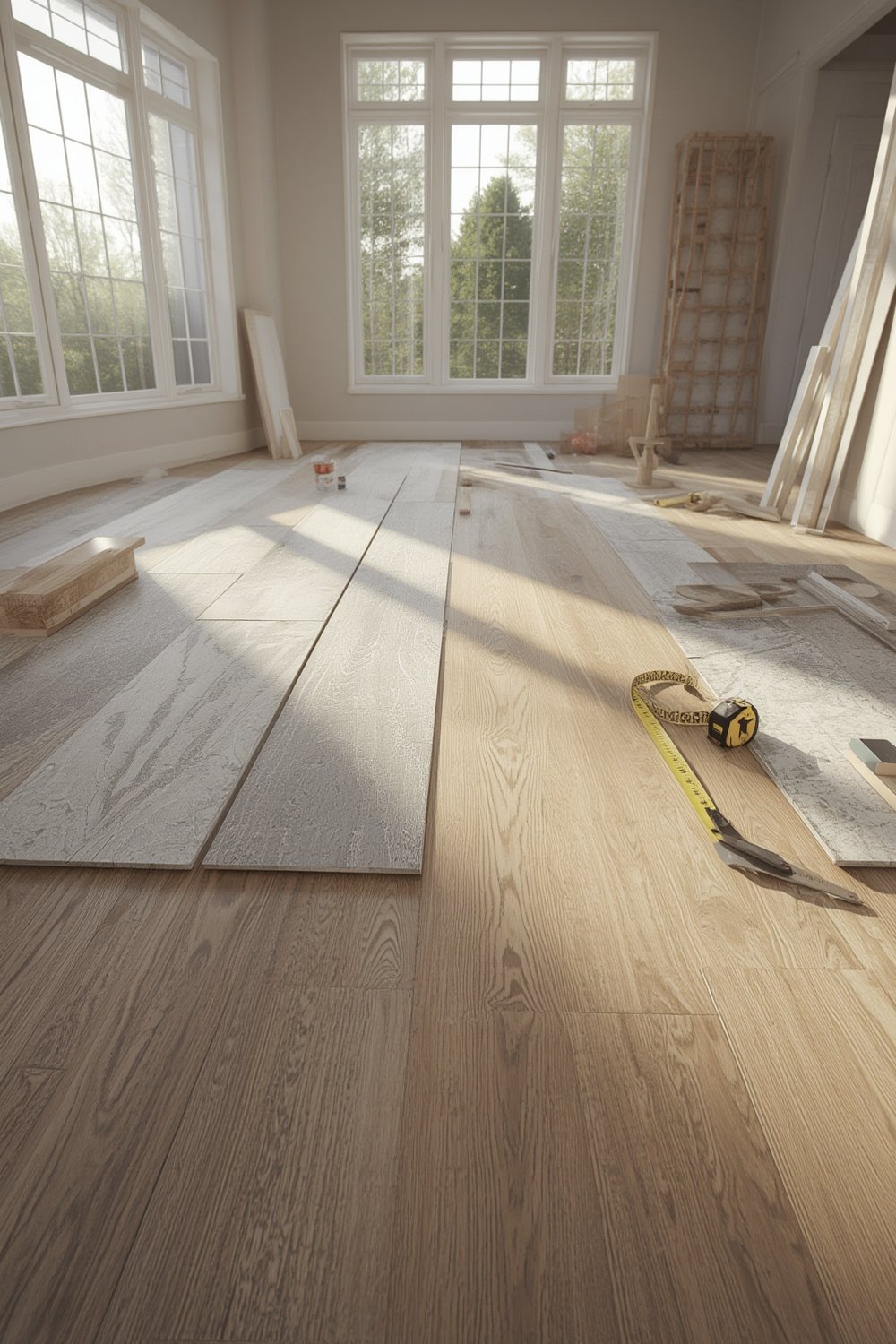
Compared to traditional hardwood and even luxury vinyl plank (LVP), SPC offers cost advantages and is resilient to humidity swings, making it popular in kitchens, bathrooms, and high-traffic zones. This flooring also taps into the DIY movement, much like peel and stick backsplash tiles, allowing quick home upgrades with less mess.
However, there are technical and practical considerations. SPC’s rigidity hides subfloor imperfections less effectively than WPC or thicker LVP. Installation can also highlight floor seams if instructions aren’t closely followed. As demand grows, knowing how to avoid these common mistakes can save you frustration and money.
Step-by-Step Guide: How to Install SPC Flooring
Proper SPC flooring installation is straightforward, but the details matter. Here’s a direct, proven process for lasting results.
- Acclimate your flooring: Bring SPC planks into the installation room and let them sit (unopened) for 24 to 48 hours. This prevents expansion or contraction after installation.
- Prepare the subfloor: Clean thoroughly; remove any debris, adhesive, or bumps. Subfloor should be dry, level (within 3/16 inch over 10 feet), and firm—especially in kitchens or baths where moisture is a factor. For more detail on prep, see our internal guide on DIY kitchen backsplash prep.
- Layout planning: Calculate your plank direction and adjust the first row for best visual effect. Use spacers along walls to allow for expansion gaps (usually 1/4 inch).
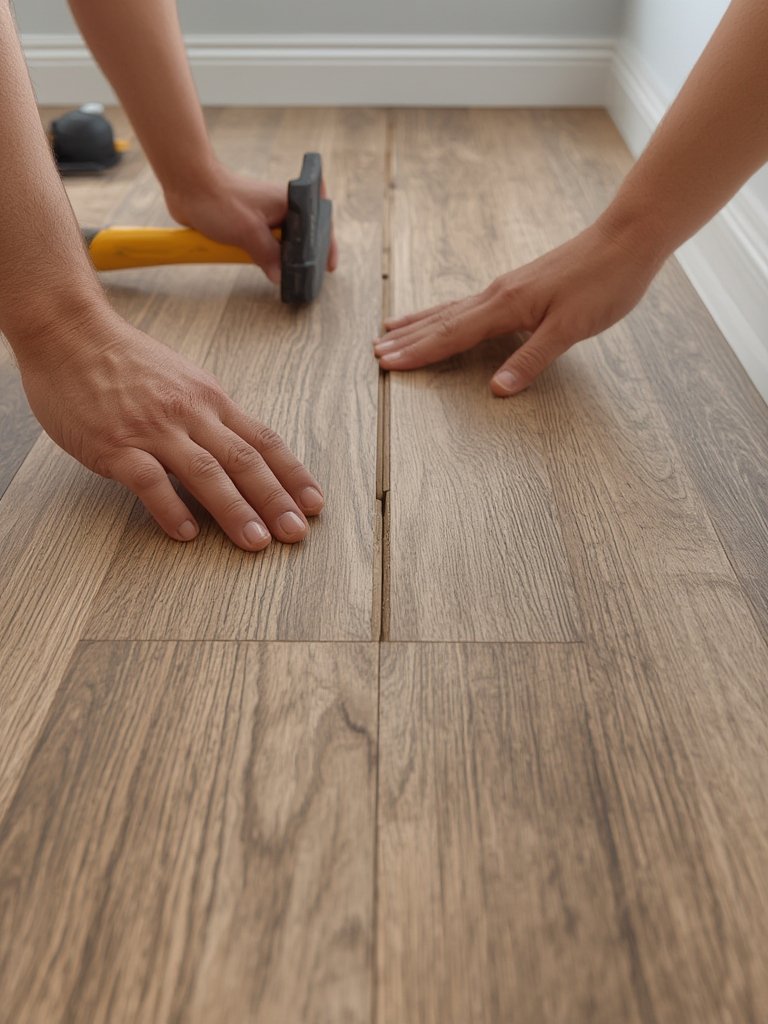
- Start installation: Begin in one corner, locking planks together per the manufacturer’s click-lock method. Stagger end joints by at least 6 inches from one row to the next for a natural look and stability.
- Cutting and fitting: Use a sharp utility knife and straightedge to snap planks to size. Fit tightly around obstacles and use color-matched sealant if needed for moist areas or transitions.
- Finishing touches: Remove spacers, install baseboards or quarter-round to conceal gaps, and do a thorough cleaning.
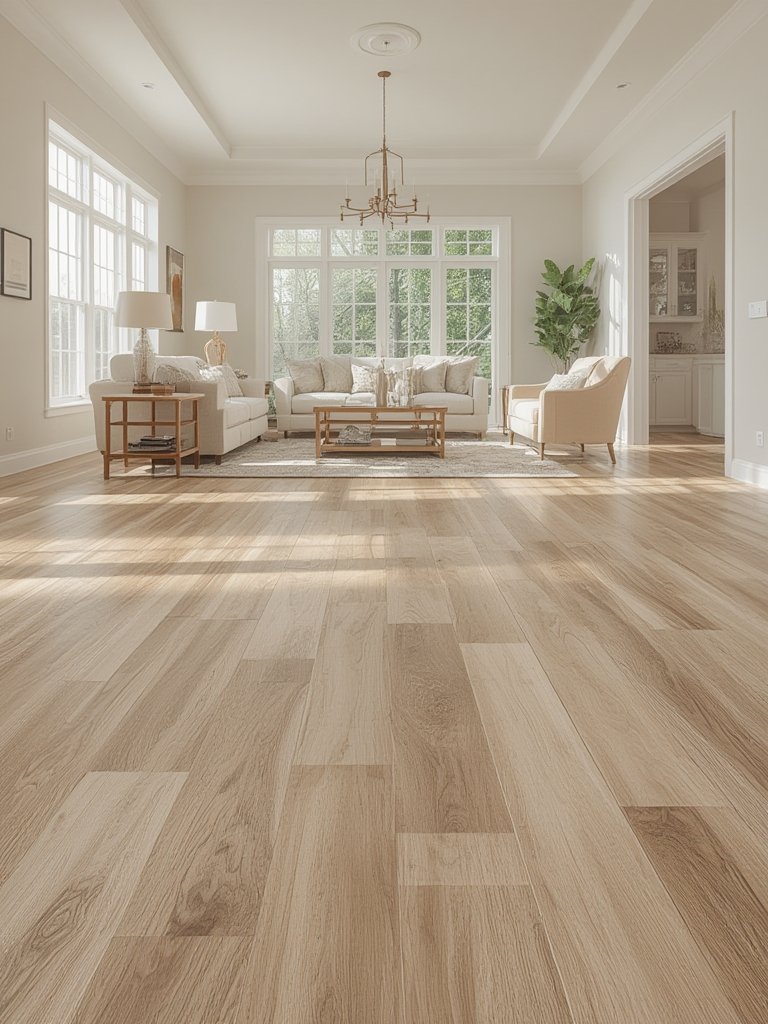
For creative inspiration on how SPC can coordinate with different room styles, even backsplashes, check this backsplash design inspiration post.
Remember, a successful SPC flooring installation starts long before you click the first plank—getting the foundation right is critical for waterproof performance and durability.
Advanced Analysis & Common Pitfalls
While SPC flooring installation boasts advantages, there are pitfalls and unspoken limitations that catch many homeowners off-guard.
| Potential Problem | What Causes It | How to Prevent |
|---|---|---|
| Loud Clicking/Acoustic ‘Drum’ Effect | Planks installed directly over hard subfloor without underlayment | Use a thin underlayment designed for rigid floors; avoid thick foam which can flex and cause joint failure |
| Visible Seams or Gapping | Skip or improper use of spacers, rushed or uneven subfloor | Always use spacers around perimeter and regularly check for flatness before locking rows |
| Peaking/Edge Curling | No expansion gaps, heavy objects placed before acclimation | Maintain gaps at walls and ensure planks are acclimated; wait 24 hours before replacing heavy furniture |
| Subfloor Telegraphing | Subfloor not level or debris left beneath; SPC’s rigid core picks up even small imperfections | Sand down high spots and fill low areas; vacuum before starting |
| Water Intrusion at Joints | Poorly sealed transitions or omitting sealant in moisture-prone rooms | Use silicone or manufacturer’s joint sealant in bathrooms and kitchens |
Although SPC is marketed as ‘worry-free waterproof’, solvents and standing water can still seep through unprotected seams, especially with frequent mopping or accidental spills. This is similar to what we covered in our guide on waterproof backsplash tiles—where even the best products require smart prep and sealing.
Scratch protection claims further complicate expectations. Actual Taber abrasion results are rarely public; manufacturers make bold promises but no standard test data is broadly available. As such, use floor pads and avoid dragging appliances—SPC resists dents well, but sharp objects can leave marks.
Concerns about cost and value are valid. Recent market reports suggest the residential SPC segment is valued at nearly $2.8 billion in 2024 [Valuates Report], but with varied installation methods and price points, true costs can fluctuate. Comparing SPC to LVP or hardwood is best done with actual local quotes, like when weighing backsplash comparison guides.
Three crucial topics most competitor articles skip and that you should not overlook:
- Deeper subfloor prep—especially when installing over older tile or worn concrete
- Accurate appraisal of SPC’s real sound transmission and noise under foot
- Nuanced post-installation care—limitations with radiant heat or ultra-high humidity locations
For more on prepping tricky surfaces before adhesive installations, check out our actionable guide on DIY kitchen backsplash surface prep.
Conclusion
Done right, SPC flooring installation gives you a stable, beautiful, and waterproof floor that can transform any space. But cutting corners with subfloor prep, skipping expansion gaps, or believing the ‘maintenance-free’ hype will undermine your investment. Whether you’re a DIYer or hiring out, don’t treat any step as optional—the details make the difference.
If you’re serious about getting the most value and performance from your SPC flooring installation, get started today by reviewing local product specs and prepping your subfloors with care. Ready for more design ideas? Explore our latest guides on backsplash design inspiration to coordinate your new floor.
Frequently Asked Questions
Is SPC flooring really waterproof in every room?
SPC flooring has a waterproof core and resists spills better than laminate or hardwood; however, standing water can still seep through seams if not properly installed and sealed, particularly in bathrooms or kitchens. Always seal transitions and promptly wipe spills.
Do I need to remove existing flooring before installing SPC?
Often, SPC flooring can be installed directly over existing tile or vinyl if the surface is flat, clean, and stable. Old carpet and floating floors should be removed before installation.
Can SPC flooring be installed by a DIYer, or is a pro needed?
Many homeowners achieve good results with DIY SPC installation thanks to the click-lock design. However, poor prep or ignoring expansion gaps can cause lasting problems. If your subfloor is uneven or you’re not handy with cuts, hiring a professional is smart.
How do I reduce noise or “hollow” sound with SPC floors?
Installing a high-density, thin underlayment designed for rigid flooring under your SPC planks will greatly reduce noise. Avoid thick or soft padding, which causes joint movement and wear.
Can I use SPC flooring with radiant heat?
SPC can work with radiant heated floors, but only if temperatures don’t exceed the manufacturer’s specs (usually 80-85°F). Always consult both your flooring and heat system instructions.