

Plunge pool cost is on the minds of many homeowners who want the luxury of a swimming pool in a small backyard without the price tag of a full-size installation. This guide cuts through marketing fluff to reveal the real numbers, crucial pitfalls, and must-know strategies for getting the best value from a compact plunge or cocktail pool in 2024.
Key Takeaways
- Typical plunge pool cost ranges from $10,000 to $75,000, with size, material, and features driving the total.
- Biggest cost raises: custom concrete, site prep, and high-impact upgrades (like heaters, jets, or saltwater systems).
- Permits, site challenges, and long-term maintenance are often overlooked and can significantly increase your costs.
- What is a Plunge Pool and Why do They Cost Less?
- Step-by-Step Guide to Estimating and Controlling Your Plunge Pool Cost
- Advanced Analysis & Common Pitfalls: Reality of Plunge Pool Costs
- Conclusion
- FAQ
What is a Plunge Pool and Why do They Cost Less?
Plunge pools are compact, deep swimming pools designed to fit small backyards, patios, or even tight side yards. They have surged in popularity as an alternative to full-size inground pools due to their smaller footprint and lower overall cost. While you’ll see terms like “cocktail pool” or “spool,” they often reference the same style: pools typically sized 13 by 7 feet or less, emphasizing both relaxation and compact aquatic exercise.
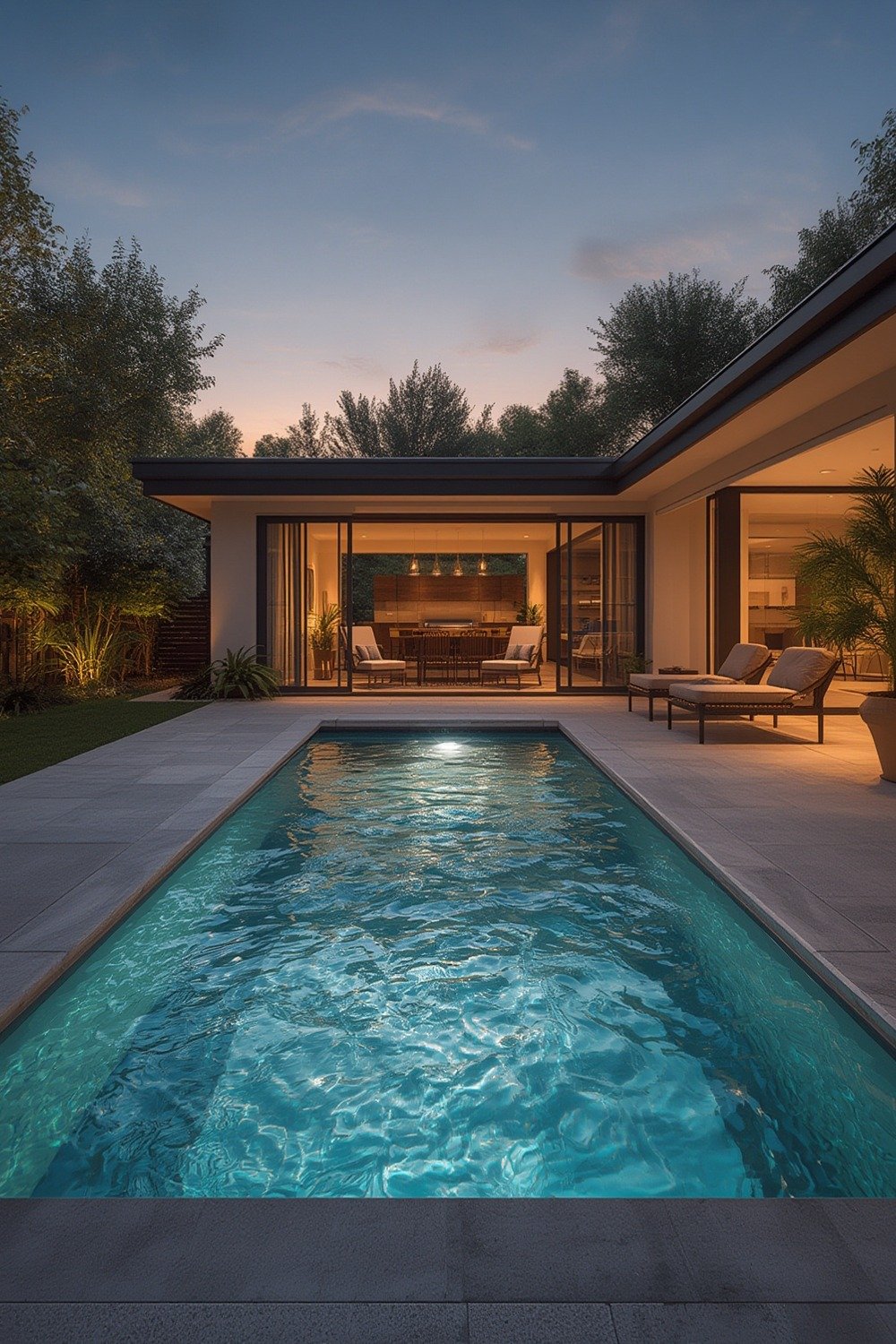
The primary reason a plunge pool costs less than a standard inground pool is its size—smaller volume means less excavation, fewer materials, and faster installation. Homeowners also save on monthly maintenance and utility bills. Still, the final total depends on factors like material (vinyl, fiberglass, or custom concrete), location, access, and optional upgrades such as heaters or spa jets.
Most homeowners report plunge pool costs ranging from $10,000 to $75,000 for installation, with concrete designs at the top end and above-ground or fiberglass installs toward the bottom. Labor, permits, and unexpected yard or utility prep can easily push totals higher, often making accurate, realistic budgeting necessary from the start.
For a detailed comparison of pool types and their long-term value, check out our Fiberglass vs Concrete Pools Guide and our Vinyl vs Fiberglass Pools.
Step-by-Step Guide to Estimating and Controlling Your Plunge Pool Cost
- Define Your Pool Type and SizeDecide if you want a vinyl, fiberglass, or concrete plunge pool. Prefab fiberglass and vinyl models are quicker and cheaper to install, from $18,000 to $55,000. Concrete allows full customization but ranges from $20,000 to $100,000.
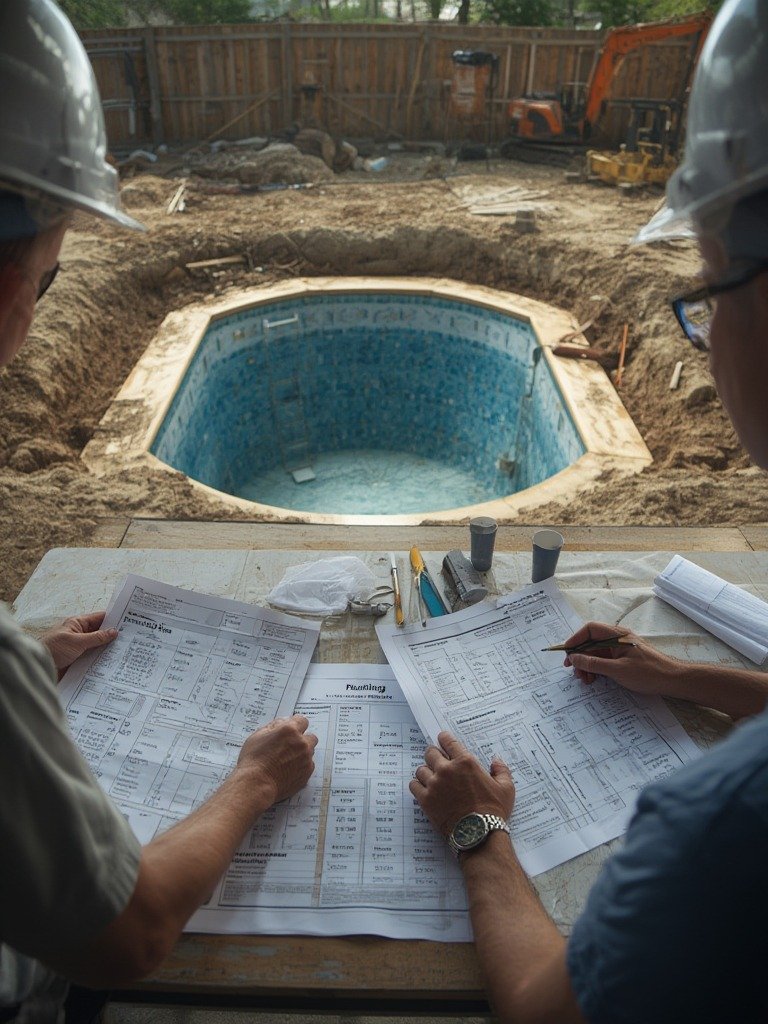
- Get Accurate Site AssessmentsRequest local contractor visits to uncover site challenges. Tree removal, poor access, or major land regrading can add $500 up to $3,300 or more, according to HomeAdvisor.
- Factor Labor and Permit CostsLabor will usually comprise 25–50% of the plunge pool cost. Permits may range from $550 to $3,100, varying widely by municipality and state. Always confirm these before budgeting for extras.
- Choose Core Features and UpgradesAdd-ons like heaters ($1,800–$4,200 upfront plus ongoing utility costs), jets ($20,000–$40,000), or infinity edges can massively raise the total plunge pool cost. Lighting, automatic covers, or a saltwater system (from $500) improve utility but add to project price.
- Request All-In Quotes and Get 3+ BidsAlways ask contractors for line-itemized, all-in quotes including site prep, plumbing, electric, decking, and disposal. Comparing at least three firm offers will help you spot hidden fees or inflated labor rates.
- Calculate Ongoing Maintenance and Utility BillsDon’t just focus on installation price—monthly utilities for heating a small pool can run $10 to $850; maintenance for pumps, liners, or saltwater systems should be reviewed up front.
For further reading on pool features that have the highest ROI, see our guide to Best Features for Small Pools.
Also, our article on How to Prep Your Backyard for a Pool covers site-specific strategies that may shave costs or speed up the timeline.
Advanced Analysis & Common Pitfalls: Reality of Plunge Pool Costs
Every project comes with cost landmines. Even when you plan for the average national plunge pool price, homeowners often underestimate:
- Permit, Utility, and Inspection SurprisesPermit requirements can shift depending on your exact zip code, and unforeseen utility reroutes regularly add $1,000–$4,000 after work begins. Always confirm code requirements early.
- Access and Site-Specific ExpensesTight or sloped lots often drive up crane rental, excavation, or tree removal costs. Even minor slope grading can push up prep costs.
- Material Selection and Long-Term ROIVinyl pools offer the lowest upfront cost but often need liner replacements—sometimes every 5–9 years—diminishing any long-term savings. Fiberglass has a higher initial cost but is durable and resists algae. Custom concrete is premium but may have the longest useful life if properly maintained.
- Unexpected Monthly Utilities and RepairsHeaters, jets, and saltwater generators all add to monthly expenses. Utility bills, especially for heated pools in colder regions, can reach $850/month in rare cases. Regular liner, pump, or tile repairs should factor into your 5–10 year ownership projection.
| Material | Upfront Cost Range | Long-Term Notes |
|---|---|---|
| Vinyl | $10,000–$30,000 | Affordable; frequent liner replacements |
| Fiberglass | $18,000–$55,000 | Durable; mid-cost, lower long-term expense |
| Concrete | $20,000–$100,000 | Premium; custom finish, longest life if well maintained |
| Full Small Pool Avg. | $25,000–$85,000 | Costlier and more space-consuming |
Regional differences matter. For instance, Angi reports that installation is cheaper in warmer states like California but rises in colder-climate areas due to freeze-protection requirements and higher labor rates.
If your lot or property comes with quirks, download our Pool Site Access Checklist or read the Pool Permitting Basics article to avoid unexpected last-minute costs.
Conclusion
The total plunge pool cost is rarely just the sticker price of a pool shell — it’s an all-in equation that can quickly rise with permits, site prep, material choice, must-have features, and future upkeep. Take an honest assessment of your yard, lifestyle, and budget before starting, and use professional estimates to lock in the real numbers. For most, a smartly planned plunge pool delivers high value, comfort, and minimal hassle in a small backyard. Ready to learn what a plunge pool might cost you? Start by gathering three local quotes and comparing project specifics from real-world installs.
For more details and inspiration, check our Modern Plunge Pool Ideas gallery and our in-depth explanation of Backyard Pool Inspiration.
Remember—the best investment happens when you know the true plunge pool cost and avoid the biggest pitfalls from the start. Make your move today and transform your backyard without breaking the bank!
FAQ
What is included in the average plunge pool cost?
Average plunge pool cost includes the pool shell, excavation, labor, permits, connection of plumbing and electrical, and standard decking. Extras like custom features, heating, or advanced filtration are usually added on top.
Can I install a plunge pool myself to save money?
DIY installation is possible with above-ground models, but professional help is strongly advised for in-ground pools due to excavation, utility compliance, and warranty protections. Most experts discourage DIY concrete or fiberglass installs because poor work can be very costly to fix.
How much do monthly utilities and maintenance cost for a plunge pool?
Utilities (heating, filtration) average from $10 to $850 per month depending on usage, features, and location. Smaller pools cost less than full-size ones, but adding heaters or spa jets increases bills and ongoing upkeep.
Do plunge pools add value to my home?
Well-installed plunge pools in small yards often boost curb appeal and resale value. However, not all buyers want pool maintenance responsibilities, so ROI depends on your market. Compact pools generally cost less but remain attractive to urban and downsizing buyers.
What should I budget for permits, site access, or unexpected costs?
Permit costs range $550–$3,100. Site access issues (tight spaces, tree removal, grading) can add $1,000–$4,000 or more. Always factor a 10–15% contingency into your budget for surprise expenses.