

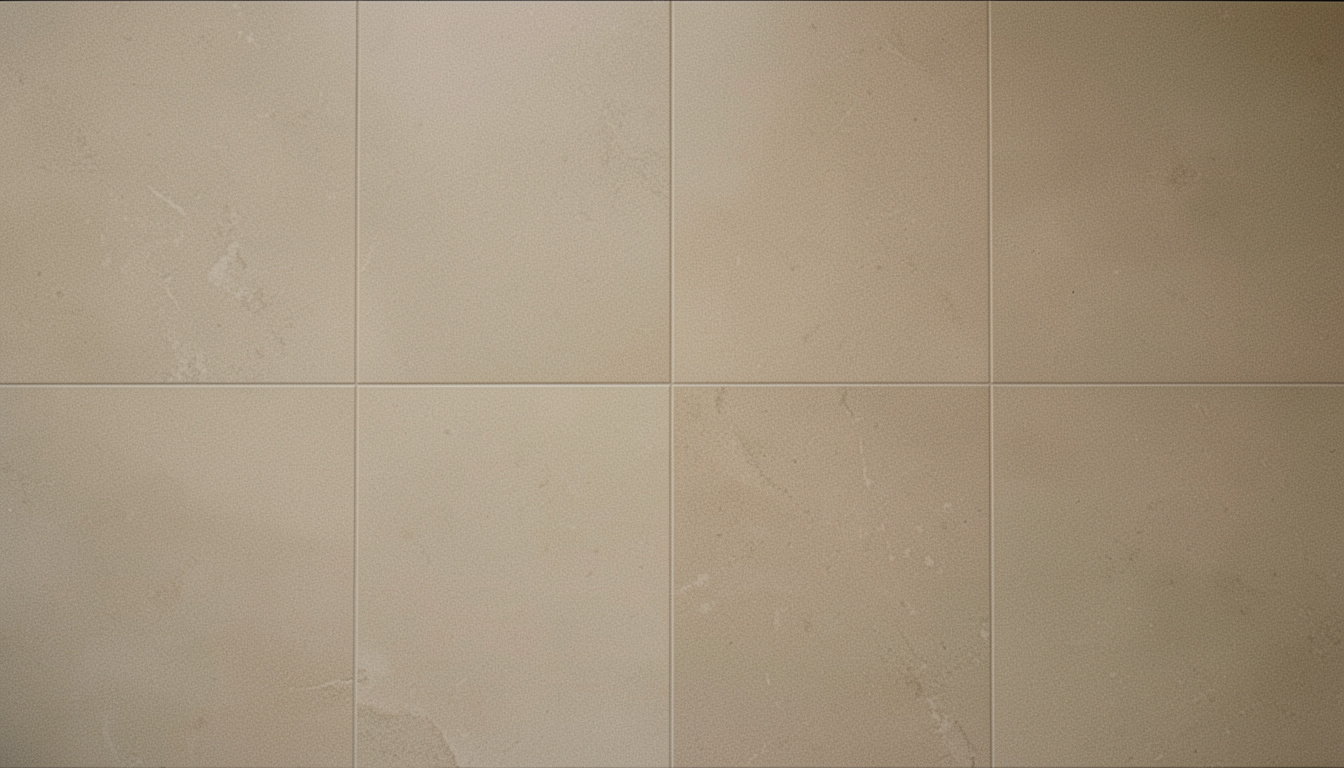
Oversized peel and stick tile is changing the way homeowners upgrade their spaces—if you want a modern, seamless look without the mess or wait times associated with traditional tiles, these large-format adhesive options are worth a closer look.
Key Takeaways
- Oversized peel and stick tile offers quick, DIY-friendly installation with fewer seams for a more seamless, upscale finish.
- Current growth trends are strong, but specific data for large-format tiles is still scarce; most research focuses on broader self-adhesive tile segments.
- While the installation is simple, getting a true slab or seamless look requires precision—be aware of practical limits and occasional seam visibility.
- What is Oversized Peel and Stick Tile and Why Choose It?
- Step-by-Step Guide: Installing Oversized Peel and Stick Tile
- Advanced Analysis & Common Pitfalls
- Conclusion
- FAQ
What is Oversized Peel and Stick Tile and Why Choose It?
Oversized peel and stick tile, sometimes called XL or large-format tile sheets, are self-adhesive wall or floor tiles in dimensions much larger than standard mosaics or subway tile stickers. Instead of small tiles requiring numerous seams and painstaking alignment, oversized sheets can cover broad sections of your backsplash or wall in one swoop. Homeowners choose them for three reasons: faster installation, fewer joints, and a modern slab-style appearance.
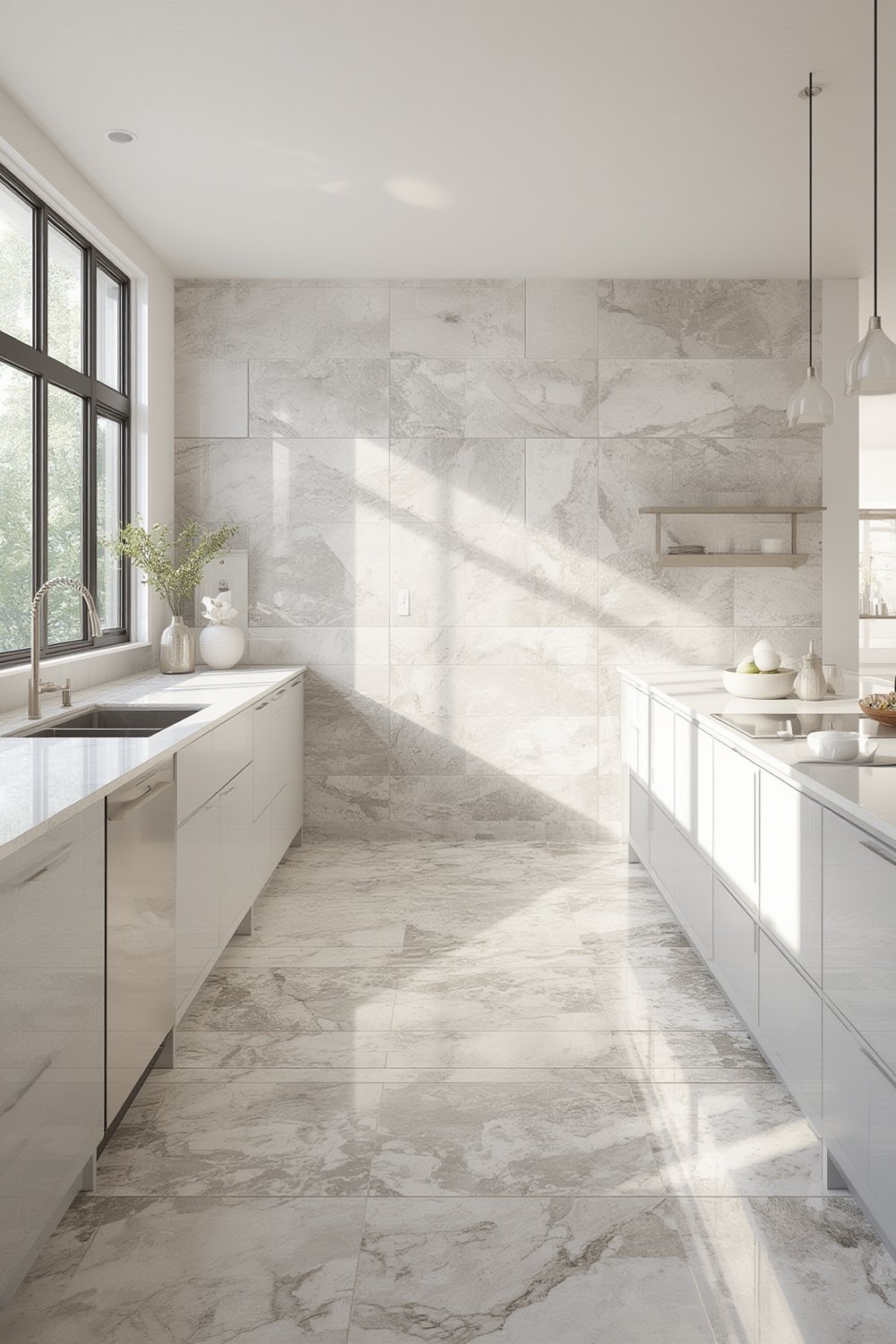
The DIY appeal is a huge draw. With no grout, mortar, or professional tools, you can transform a kitchen, bath, or accent wall in a single afternoon. This large-format approach closely mimics the look of true stone or slab installations at a fraction of the cost—and with less mess. As the market for self-adhesive tiles surges (valued at $3.2B globally in 2024 and expected to double by 2032 [source]), oversized versions are becoming a practical upgrade for both short-term and long-term decor.
Looking to try another quick home decor upgrade? See our guide to Pink Wallpaper for another instant transformation.
Step-by-Step Guide: Installing Oversized Peel and Stick Tile
Successful installation delivers a high-end, seamless look with minimal effort—especially attractive for renters and DIY renovators pressed for time. Here’s a simple action plan anyone can follow:
- Clean and prep your surface: Walls or backsplashes must be dry, flat, and grease-free. Use a degreasing cleaner and allow to dry thoroughly before starting. Any debris, bumps, or residue can show through or shorten adhesion lifespan.
- Measure and plan the layout: Dry-fit your oversized tiles to visualize seam locations. Mark control points with a pencil or removable marker to stay level as you install row by row. For accent walls, start in the center and work outward.
- Cut tiles to size: A sharp utility knife and metal straightedge are best for clean cuts, but strong scissors often suffice for vinyl-based sheets. Double-check your marks—mistakes are harder to hide with large-format pieces.
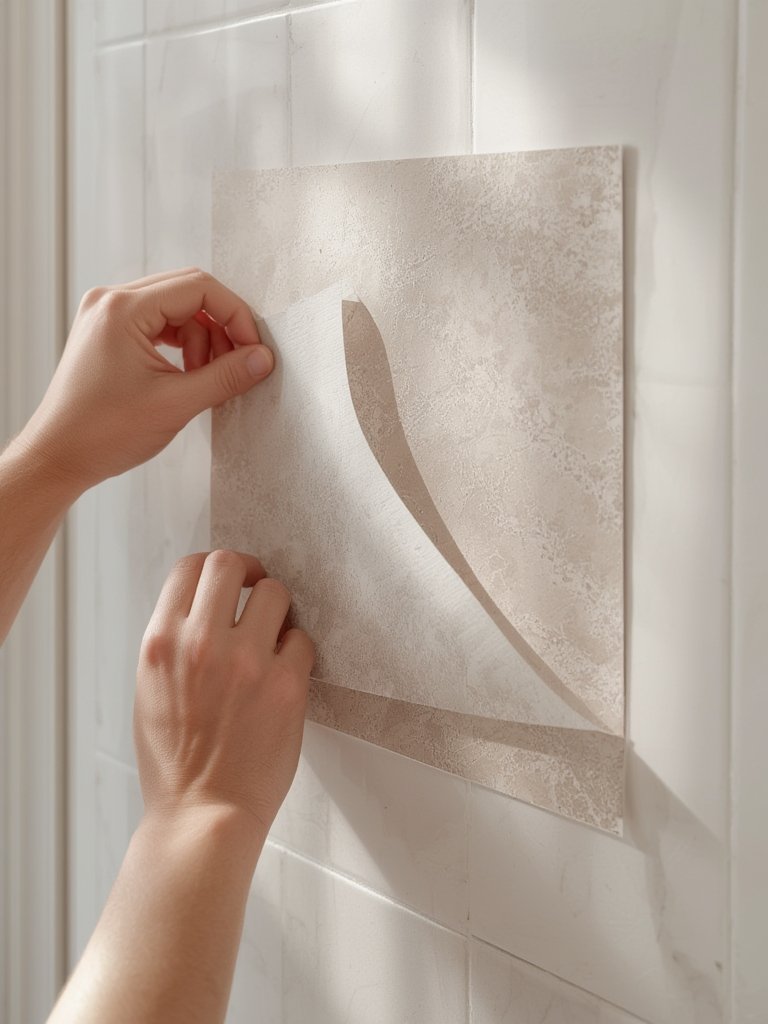
- Peel and stick carefully: Remove a section of backing, align your tile with reference marks, and press onto the surface. Work slowly—if your tile allows for repositioning, use this feature sparingly.
- Eliminate air bubbles and smooth seams: Use a plastic smoothing tool or a clean rag, working from the center outward. Overlapping seams slightly (1/16″) can help minimize gaps on uneven surfaces. Be attentive—misalignment is magnified with larger tiles!
- Repeat for each section: Butt the tiles tightly together for the best seamless effect. For extra-wide walls, stagger the vertical seams as you might with bricks for improved appearance.
- Optional sealing: For splash zones or bath areas, run a thin bead of clear silicone along seams or edges for moisture protection.
Curious about other stick-on products? Learn how peel wallpaper delivers zero-commitment style or explore reusable princess decals for kids’ room projects.
Advanced Analysis & Common Pitfalls
Despite promises of a flawless slab look, real-world results depend on execution, product quality, and surface prep. Research in 2024 shows immense growth for self-adhesive tiles overall, with the U.S. market expected to top $400M by year’s end, growing at over 8% annually [source]. Oversized tiles ride that momentum, but unique issues are often omitted from competitor guides:
- Seam Visibility: Even with extra-large sheets, seams may still show if walls aren’t perfectly smooth or if tiles aren’t precisely aligned. Inconsistent pressure or debris can magnify gaps. There aren’t yet any real-world case studies with photographic evidence to confirm “seamless” marketing claims.
- Cutting Challenges: Larger tiles mean larger, more visible cuts. DIYers may find it harder to make precise L-shaped or socket cutouts without jagged edges. Mistakes are more expensive than with smaller, easily-replaced sections.
- Surface Compatibility: These tiles stick best to glass, painted drywall, or primed wood. Textured, glossy, or damp substrates often lead to poor adhesion or premature peeling.
| Feature | Standard Peel and Stick Tiles | Oversized Peel and Stick Tiles |
|---|---|---|
| Typical Size | 4×4″, 12×12″ | 22×12″, 24×24″, or larger |
| Number of Seams (per 6 ft. run) | 6-18 | 2-6 |
| Installation Speed | Slower; more precise alignment required | Faster; covers larger area at once |
| Visual Effect | Patterned/mosaic look with more joints | Closer to slab or panel look; fewer seams |
| Cost (est.) | Typically $2–$7/sq ft | Comparable; some premium lines cost more |
| Common Issues | Alignment fatigue, grout staining, surface prep still critical | Cutting/handling larger sheets, seam visibility on imperfect surfaces |

Consumers should also note a lack of significant technical innovations for XL tile sheets in 2024. Both standard and oversized formats now offer water resistance and stone/wood finishes, but the difference is mainly in coverage area—not dramatic leaps in material or appearance enhancements. For advanced privacy, check out our practical guide on privacy film solutions.
If you’re seeking a sustainable upgrade, remember that eco-friendly peel and stick options carry a price premium, but liquid tile alternatives are not relevant to true self-adhesive peel and stick sheets (see pricing breakdowns).
Need inspiration for unique home décor? Discover mindful options in our LEGO Bamboo styling secrets.
Conclusion
Oversized peel and stick tile makes rapid, seamless wall upgrades possible for nearly any DIYer. While achieving a flawless, single-slab aesthetic is easier with fewer seams, success comes down to careful prep, precise handling, and realistic expectations. The market for peel and stick finishes is growing fast, and whether you prioritize speed, simplicity, or style, there’s never been a better time to experiment. Want a dramatic change? Choose your oversized peel and stick tile, follow the steps above, and transform your space today.
FAQ
Does oversized peel and stick tile really look seamless?
Seamless appearance is achievable, but depends on wall smoothness, installation skill, and tile quality. Some minor seams may still be visible, but these are fewer and easier to disguise than small-tile installations.
How durable is oversized peel and stick tile compared to real tile?
It’s water-resistant, stain-resistant, and well suited for low-traffic walls or backsplashes. Heavy impacts or high humidity can affect longevity; avoid using them on floors or in constantly wet areas without extra sealing.
Can I remove oversized peel and stick tile without damaging the wall?
Yes, but slow, careful removal is best. Heat the tile gently with a hair dryer to soften adhesive. Some minor paint touch-ups may be needed, especially on flat-matte paint or older drywall.
What’s the cost of oversized peel and stick tile versus alternatives?
Prices vary by brand and finish. Expect rates similar to standard peel and stick tiles—typically $2–$7/sq ft. Real stone slabs or custom glass can cost ten times more. Eco-friendly or specialty finishes command a higher price.
Are there fire or safety concerns with large peel and stick tiles?
Most reputable brands use fire-rated vinyl or composite materials safe for residential walls. Always check product certifications for kitchen or behind-stove use.
—