

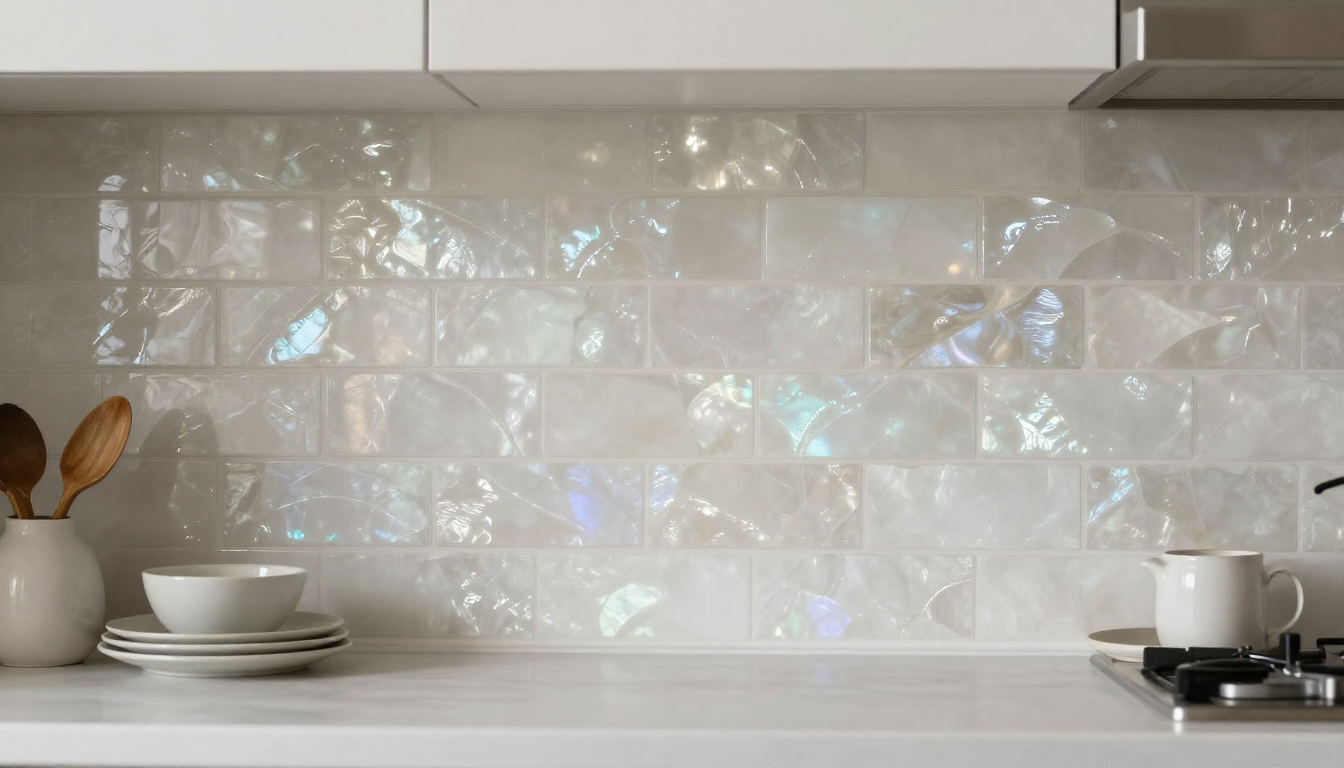
Mother of pearl peel stick tile is quickly transforming luxury and coastal kitchens with its dazzling iridescence and simple installation—but it’s not all seamless beauty. In 2024, homeowners are flocking to these shell mosaics for affordable elegance and eco-conscious upgrades, yet a few overlooked realities could catch DIYers off guard.
Key Takeaways
- Mother of pearl peel stick tile offers upscale looks with quick peel-and-stick installation, but demands meticulous prep for long-lasting results.
- Performance and eco-credentials lag behind traditional mosaics, with ethical sourcing and long-term durability as real concerns.
- Understanding technical specs, user pitfalls, and advanced installation tricks is crucial before investing in this trending luxury tile.
- What is Mother of Pearl Peel Stick Tile and Why Choose It?
- Mother of Pearl Peel Stick Tile: Step-by-Step Installation Guide
- Advanced Analysis & Common Pitfalls With Shell Mosaic Tiles
- Conclusion
- Frequently Asked Questions
What is Mother of Pearl Peel Stick Tile and Why Choose It?
Mother of pearl peel stick tile combines genuine nacre sourced from shells, a mesh-mount pad, and a pressure-sensitive adhesive so you can quickly create a shimmering, sea-inspired backsplash. Unlike traditional mosaics, these self-adhesive sheets are sized for DIY—simply peel, align, and press. The trend caught fire as consumers in North America and Europe sought fast, affordable upgrades to high-end aesthetics, driving the peel-and-stick market to over $13.7 billion in 2024.
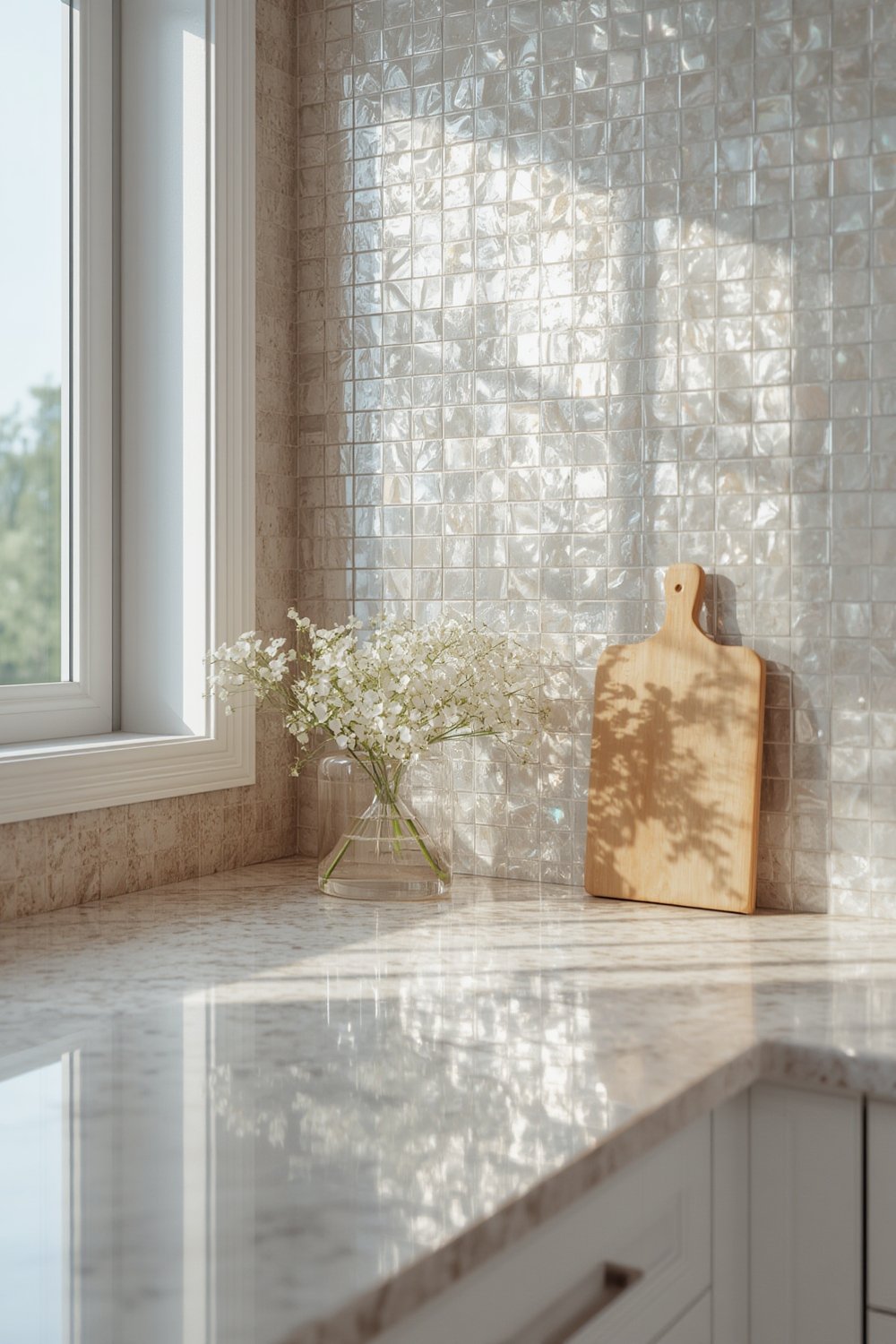
Why choose it? The appeal lies in easy installation, no grout mess, and luminous color play. Shell tile brings luxury and nature together—perfect for coastal, boho, and contemporary spaces. But performance in humid kitchens, long-term adhesion, and eco-credentials often lack the rigor of ceramic and stone mosaics. Cost per square foot also varies, but DIY savings are real compared to traditional labor costs.
Mother of Pearl Peel Stick Tile: Step-by-Step Installation Guide
- Measure & Plan: Start by measuring your backsplash or feature wall. Sketch your layout and calculate number of sheets needed, allowing a 5-10% overage for trims and future repairs (source).
- Surface Prep Is Everything: The adhesive is designed for smooth, dry, oil-free walls (painted drywall, primed plaster, or old tile). Fill in holes and sand rough spots. Clean with an ammonia-free degreaser and allow surface to dry fully.
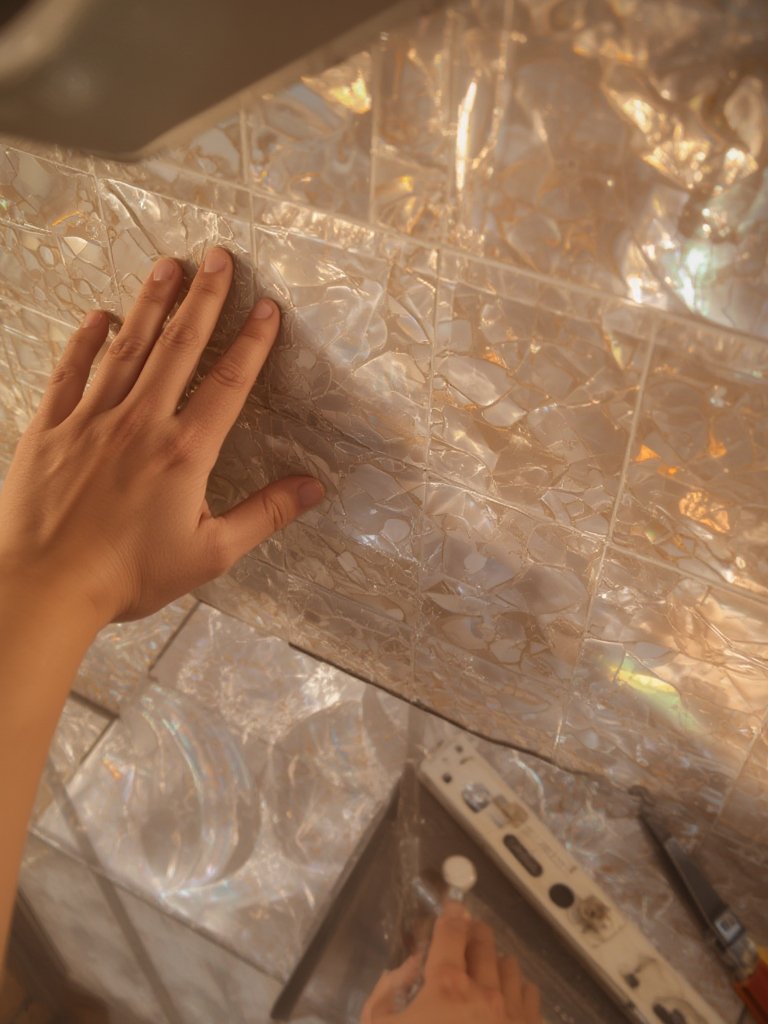
- Dry Lay Sheets for Fit: Dry-fit mesh-mounted mother of pearl sheets (typical: 10.8″ x 11.2″ x 0.08″). Trim with a utility knife or sharp scissors. Confirm all edges align for a seamless look.
- Peel & Stick, Working in Sections: Remove adhesive backing and press the tile sheet to the wall, starting at your reference line. Use a soft roller for gentle, even pressure—avoid bubbles.
- Finishing Touches: For a flawless luxury finish, run a bead of clear, low-VOC sealant along the seams. Wipe gently to remove fingerprints or adhesive residue.
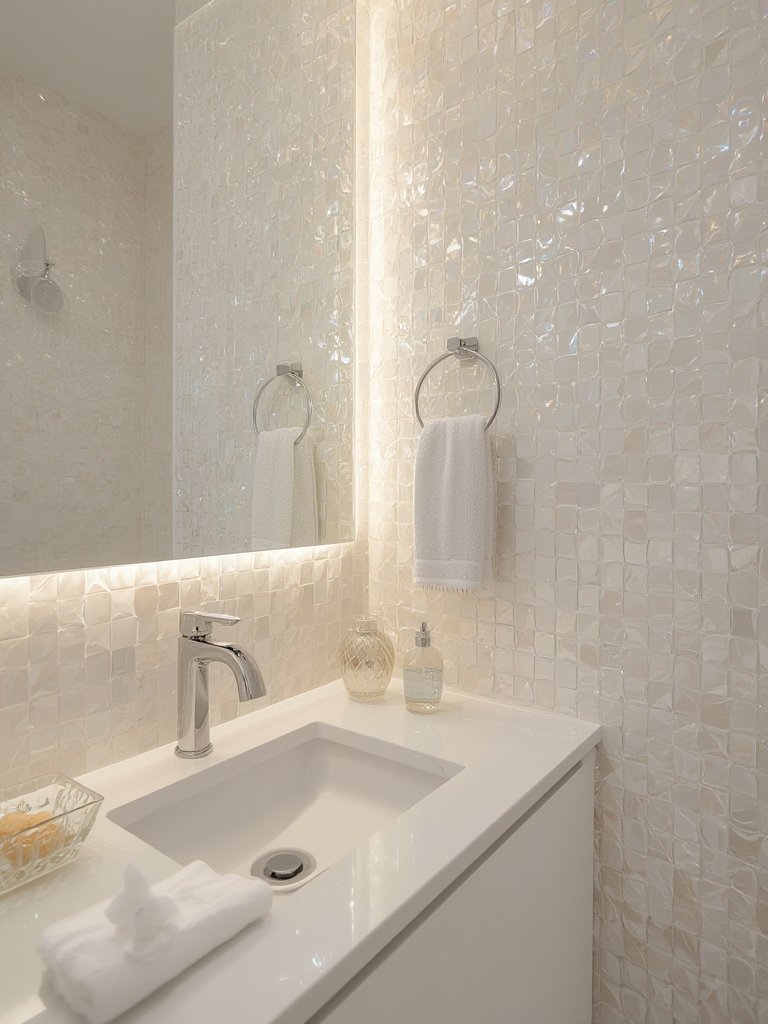
- Enhance With Lighting: Shell mosaics amplify LED under-cabinet lighting for maximum iridescence.
- Maintenance: Use a damp, soft cloth for routine cleaning. Avoid harsh or acidic cleaners to preserve nacre sheen.
Looking for more creative self-adhesive solutions? Explore our Pink Wallpaper and Peel Wallpaper guides for effortless home upgrades, or bring mindful greenery indoors with LEGO Bamboo décor tips.
Advanced Analysis & Common Pitfalls With Shell Mosaic Tiles
Despite their high-end look, mother of pearl peel stick tiles come with specific issues many competitor guides ignore. Here’s a breakdown based on the latest research and user reviews.
Performance Comparison: Shell Peel Stick Tiles vs Traditional Mosaics
| Feature | Mother of Pearl Peel Stick Tile | Ceramic/Stone Mosaic Tile |
|---|---|---|
| Adhesion Strength | Adheres well to smooth, dry, primed surfaces; can peel in humidity | Set in mortar, held by grout; permanent |
| Water Resistance | Fair; at risk in high-moisture or steam-heavy areas | Excellent due to glazed/grouted surfaces |
| Durability | Good for low-moderate use zones; may fade/yellow over years | Superior—ideal for kitchens and bathrooms |
| Installation | DIY, minimal mess, less labor cost | Requires pro install or skilled DIY, grout curing |
| Eco-Credentials | Lacks verified sustainability certifications; traceability issues | Varies, some brands offer recycled tiles/sustainable options |
| Price (2024) | $5-15 per sq. ft. (DIY) | $10-20 per sq. ft. installed |
| Maintenance | No harsh scrubbing; avoid bleach/acids; delicate nacre surface | More robust; mild soap and scrubbing safe |
Real-World Problems & User Complaints
- Adhesion failures are common in humid kitchens, bathrooms, or near dishwashers. Excess steam may cause corners or full sheets to peel away within months (source).
- Color fading or yellowing occurs when adhesives age or with heavy sunlight exposure. Thin sheets (just 0.08″) make these effects more noticeable.
- Cleaning frustrations: Iridescent surfaces scratch easily. Bleach or citrus cleaners damage delicate nacre. Only soft cloths and gentle soap are safe.
- Sourcing transparency is missing: Most manufacturers do not disclose whether mother of pearl is wild-harvested or from sustainable abalone farms. Eco certifications (like FSC or MSC) are not noted by market leaders (source).
- Long-term reviews (5+ years) are rare. Most user testimonials focus on immediate looks, not how these tiles perform after repeated cleaning, UV exposure, or temperature swings.
For alternatives that offer high privacy and durability, explore our Privacy Film and Princess Decals for creative, child-friendly makeovers.
Price Realities & Installation Costs
- Premium mother of pearl peel stick tile averages $5-15 per sq. ft. in 2024, targeting the luxury segment. DIY installation can save 50-70% versus traditional mosaic labor costs (source).
- Self-adhesive tiles are on trend, but competing ceramic sheets—averaging $1.79/sq. ft.—often outperform on water resistance and lifespan (source).
- Unseen costs arise if tiles need periodic replacement or if water damage occurs behind poorly adhered sheets.
Unmet Expectations vs. Reality: Aesthetic Gaps
- Vibrant iridescence is often muted unless enhanced by targeted lighting or metallic backers.
- Luxury “finish” may be undercut by visible mesh seams or imperfect sheet alignment.
- Consistent color is rarely achieved due to natural pearl variation and how light hits the tiles.
Conclusion
Mother of pearl peel stick tile adds instant luxury and ocean-inspired shimmer to home projects without the usual labor and mess. If you want rapid results and head-turning style, it’s a top choice—provided you prep surfaces meticulously and accept the unique performance limits of self-adhesive shell mosaics. Before investing, weigh aesthetics, eco-credentials, and long-term value alongside installation ease. Ready to transform your space? Explore our complete line of self-adhesive home upgrades today.
Frequently Asked Questions
Will mother of pearl peel stick tile stick to textured or uneven walls?
No. These tiles work best on flat, smooth, and primed surfaces. Uneven walls reduce adhesive contact and may cause tiles to peel or bubble.
Is mother of pearl peel stick tile waterproof?
It is water-resistant, but not fully waterproof like grouted ceramic or stone. High humidity or direct water spray can compromise the adhesive over time.
How can I boost the shimmer and color intensity?
Install LED under-cabinet lighting and consider placing thin metallic backing (such as silver contact paper) beneath the mosaic. Clean regularly with a soft, damp cloth.
Are there sustainable or certified eco-friendly options for mother of pearl peel stick tile?
As of 2024, most brands do not disclose sustainability certifications or shell sourcing transparency. Look for brands that share info on ethical harvesting or recycled content.
What maintenance is required?
Wipe with a damp, soft cloth. Avoid bleach and abrasive cleaners to preserve the delicate nacre’s shine.