

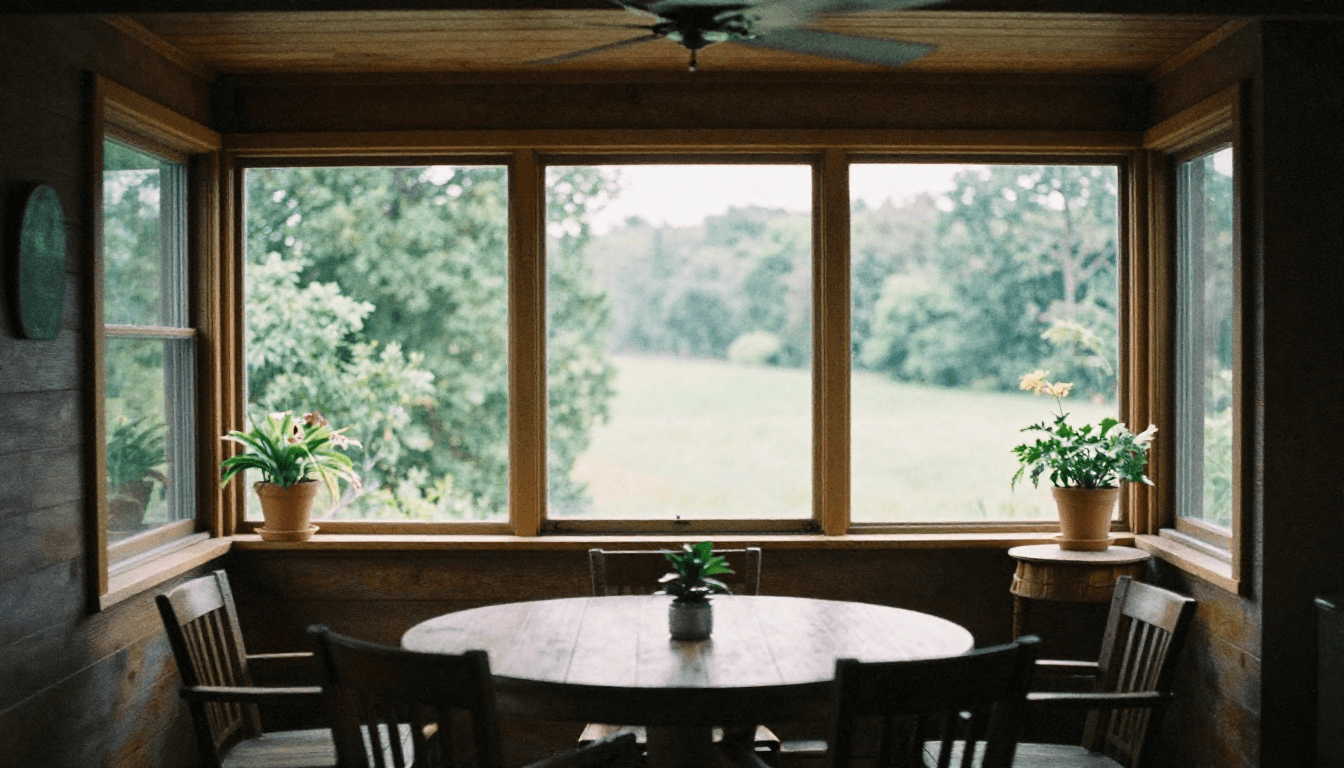
Enclosed porch conversion to a four-season sunroom is one of the most practical ways to add real, usable space to your home—if you know what you’re getting into. The process goes far beyond swapping a few windows or laying fresh flooring; you’ll face costs, building codes, and design decisions that many homeowners underestimate. This detailed guide demystifies the actual steps, costs, challenges, and rewards of converting your enclosed porch into a climate-controlled, year-round retreat.
Key Takeaways
- Converting an enclosed porch to a four-season sunroom can cost from $20,000 up to $120,000 depending on size, region, and finish level.
- Permitting, insulation, HVAC, and building code compliance are top challenges—professional help is essential.
- While adding valuable living space, homeowners should prepare for unexpected costs and strict local building requirements.
- What Is an Enclosed Porch Conversion? (And Why Do It?)
- How to Convert an Enclosed Porch: Step-by-Step Guide
- Advanced Analysis & Common Pitfalls
- Conclusion & Final Thoughts
- FAQ
What Is an Enclosed Porch Conversion? (And Why Do It?)
An enclosed porch conversion means transforming an existing screened or three-season porch into a fully insulated four-season sunroom. This project gives you a new lounge, workspace, or play area that’s as comfortable in January as it is in June. Unlike a full new addition, you use your porch’s existing framing, roof, and foundation—which can save time and tens of thousands of dollars. But don’t expect a simple weekend project; the best conversions deliver true year-round comfort, energy efficiency, and meet strict building codes.
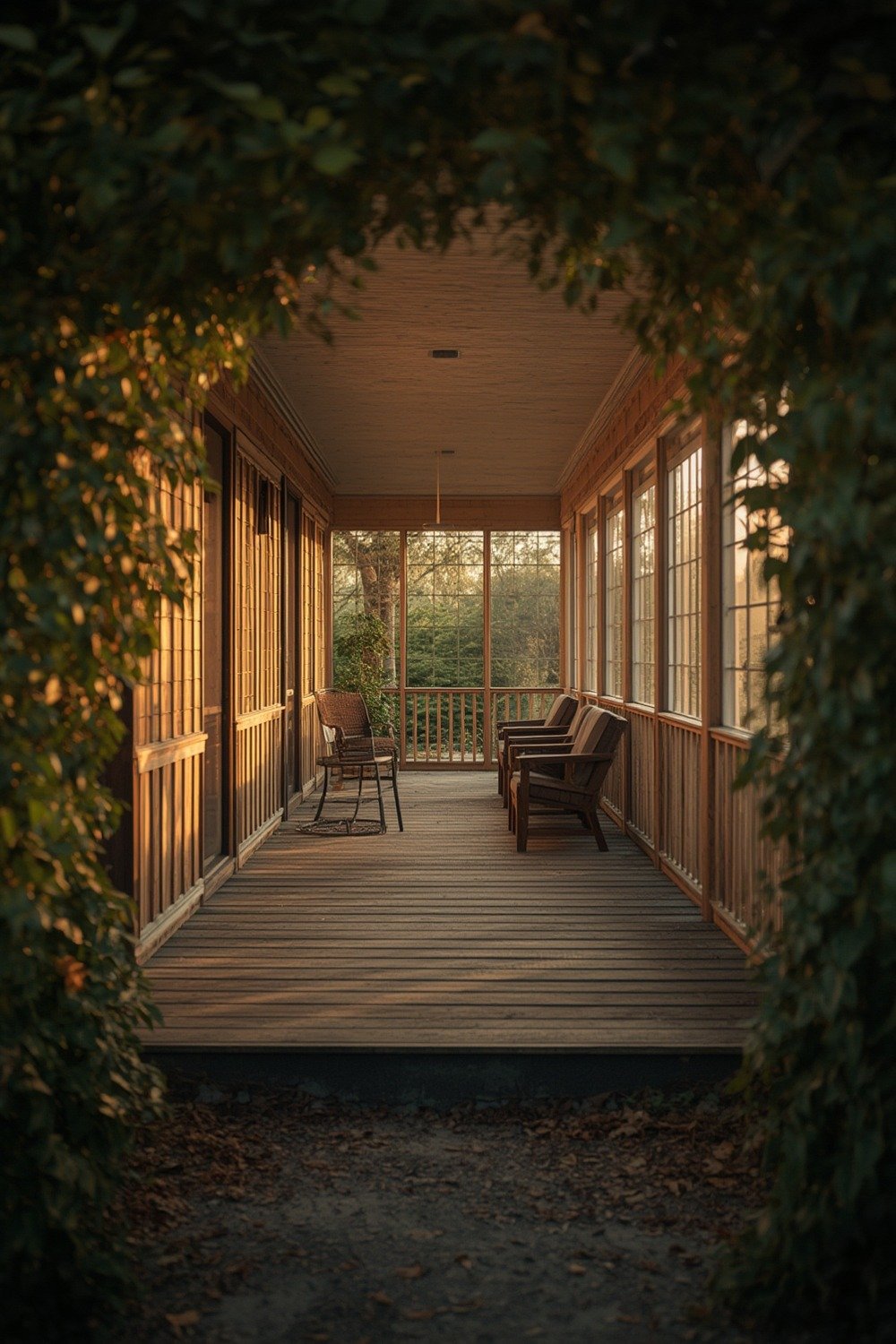
Typical costs in 2024 for a 200 square foot conversion run between $41,500 and $46,000 nationally—or $150 to $300 per square foot. Regional prices vary. In Northern California, expect $30,000 to $120,000, while in Ohio, Pennsylvania, or Texas, averages hover around $43,500 to $44,600. Labor usually makes up 40% to 60% of total cost, and building permits are non-negotiable, costing $250 to $2,000 (plus inspection fees). For more detailed breakdowns, see resources like Angi’s sunroom price guide and California-based contractor cost blogs.
How to Convert an Enclosed Porch: Step-by-Step Guide
Converting an existing porch to a four-season room is a major remodel, not a quick DIY. Here’s how successful homeowners and contractors approach the project:
- Evaluate the Structure: Inspect the existing porch’s foundation, framing, and roof. If any elements can’t support year-round weight or insulation, repairs or upgrades are required. Work with a licensed contractor for an assessment.
- Get Permits and Plan for Codes: Apply for all necessary building permits. Required by law, permits cost $250-$2,000 and can take up to eight weeks. You’ll need plans showing insulation, wiring, and HVAC. Licensed contractors assist in ensuring your project passes inspection (see this guide for permit details).
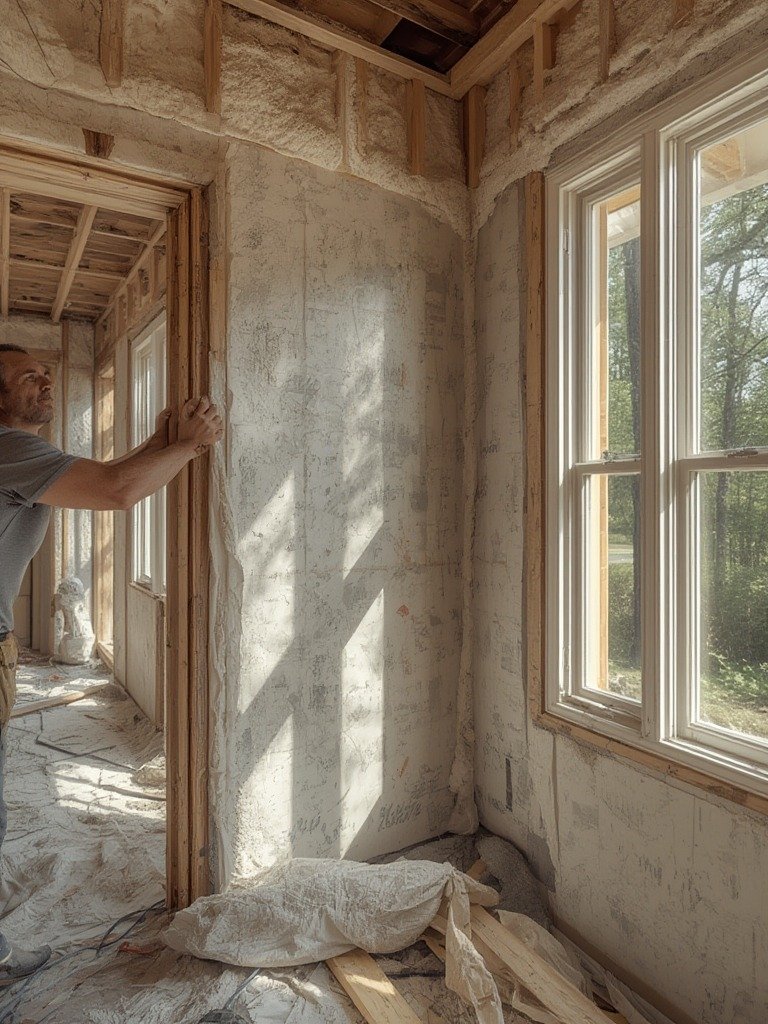
- Build Out the Walls: Upgrade porch walls to include insulation and modern windows. Four-season sunrooms use energy-efficient double-pane low-e gas-filled windows (budget $5,000–$20,000). Instead of floor-to-ceiling glass, most designs use insulated knee walls for better efficiency.
- Extend Electrical and HVAC: Add wiring for outlets, lighting, and code-compliant heating/cooling. Options include extending central HVAC ($5,000–$8,000) or installing a ductless mini-split system ($2,000–$4,500) for precise, efficient temperature control sized for your room.
- Finish with Flooring, Paint, and Details: Choose moisture-resistant, insulated flooring such as LVP flooring trends, and finish with durable paints and trims. Ensure every surface can handle the expansion, contraction, and temperature swings of a four-season space.
- Schedule Final Inspections: Pass all municipal inspections before moving in any furnishings.
For even more tips and region-specific advice, check out our Enclosed Porch Conversion Proven Guide.
Advanced Analysis & Common Pitfalls
While the benefits of a four-season sunroom are clear—added living space, natural light, and potential for increased home value—the process comes with some pitfalls many don’t expect. Here’s what real research and homeowner experience reveal:
- Underestimating HVAC Needs: Four-season sunrooms demand their own heating and cooling. Relying on portable heaters or window AC units results in uncomfortable temperatures and poor efficiency. Detailed contractor videos stress this common oversight.
- Surprise Costs from Permits and Building Codes: Permit costs vary but are always required, often taking 2–8 weeks. Miss a permit or inspection, and you could be forced to redo work—at your own expense. Read more about costs here.
- Insulation Mistakes: Four-season spaces require high-performance insulation and double-pane low-e gas-filled windows. Skimping leads to condensation, drafts, and utility bills that eat up any comfort gains.
- Labor and Hidden Repairs: Labor is often underestimated. Older porches may need foundation upgrades or additional structural work to bring them to code. Budget 40%–60% for labor alone.
- No Guaranteed ROI: While sunrooms may boost living space and appeal, no specific ROI stats exist for these conversions. Don’t bank on a dollar-for-dollar return.
- Maintenance Issues: Wood-framed conversions in particular may require more maintenance. Always ask contractors about expected upkeep and talk to homeowners who’ve undertaken similar projects.
| Size (ft) | Typical National Cost Range |
|---|---|
| 10×10 | $15,000–$30,000 |
| 12×12 | $21,600–$43,200 |
| 20×20 | $60,000–$120,000 |
Whether you’re considering wood, vinyl, or prefab conversions, have a look at modern materials—such as peel tiles or waterproof wall products discussed in this waterproof backsplash tile review—to reduce future maintenance needs.
Conclusion & Final Thoughts
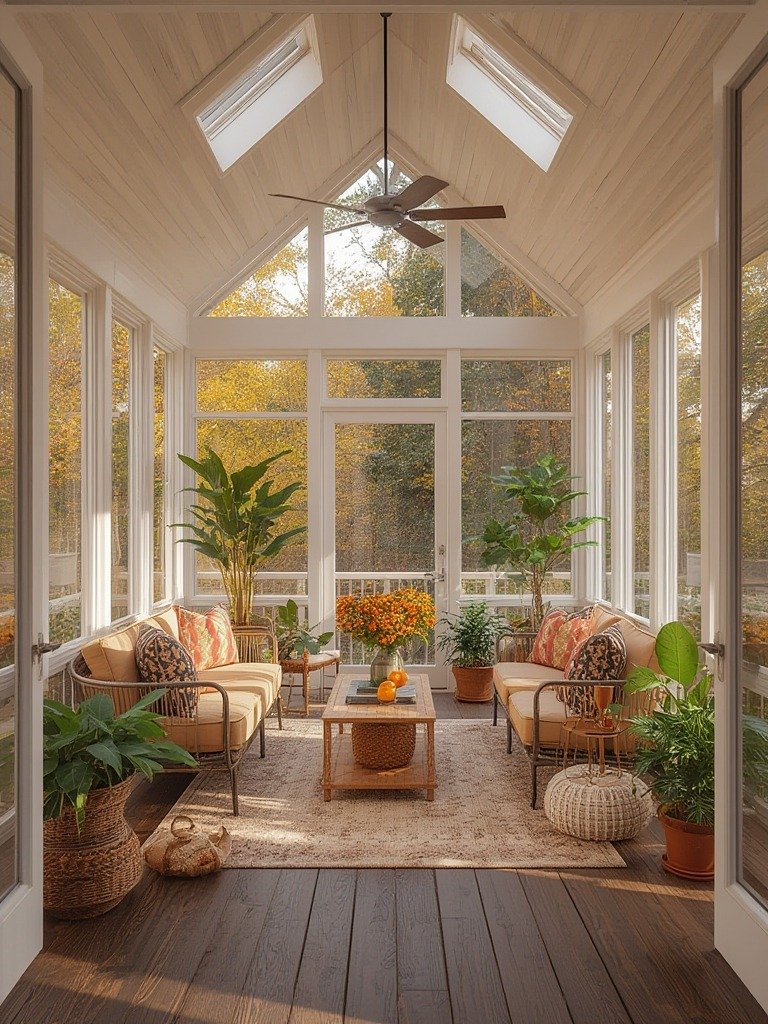
Converting your porch can unlock a perfect four-season living space if you plan for insulation, code compliance, professional labor, and unexpected costs. Always use a licensed professional, invest in energy-efficient materials, and get clear written quotes. If you want more inspiration, check our top 7 ways to boost home value with an enclosed porch conversion or see other upgrade ideas like cold plunge pool installation for your property.
Ready to transform your space? Begin gathering quotes and consult local building authorities today. For every question and the best step-by-step strategies, return to this comprehensive enclosed porch conversion guide whenever you need clarity.
FAQ
How much does an enclosed porch conversion to a four-season sunroom cost in 2024?
Costs range from $20,000 for small prefab conversions to $120,000 or more for major custom builds. The national average for a 200 square foot conversion is around $41,500–$46,000. Regional prices vary widely; always get local quotes.
What are the most common problems during the conversion process?
The biggest issues are HVAC integration, insulation, surprise costs from building codes/permits, and sometimes structural repairs to the original porch. Always use licensed, insured contractors and request all labor in writing.
Will a four-season sunroom conversion increase my home’s value?
There’s no fixed percentage or ROI, but four-season sunrooms often add usable living space that appeals to many buyers. However, they rarely provide a dollar-for-dollar payback, so focus on enjoyment and practical benefits.
Do I need a permit for my enclosed porch conversion?
Yes. Permits are required in all regions and ensure code compliance and insurance coverage. They cost $250 to $2,000 plus inspection fees and can take up to 8 weeks for approval.
What kind of windows and insulation do I need?
Energy-efficient double-pane low-e gas-filled windows are recommended for four-season comfort. Insulation quality must meet local code, with knee walls and modern HVAC for best results. Always ask your contractor for detailed specs.