

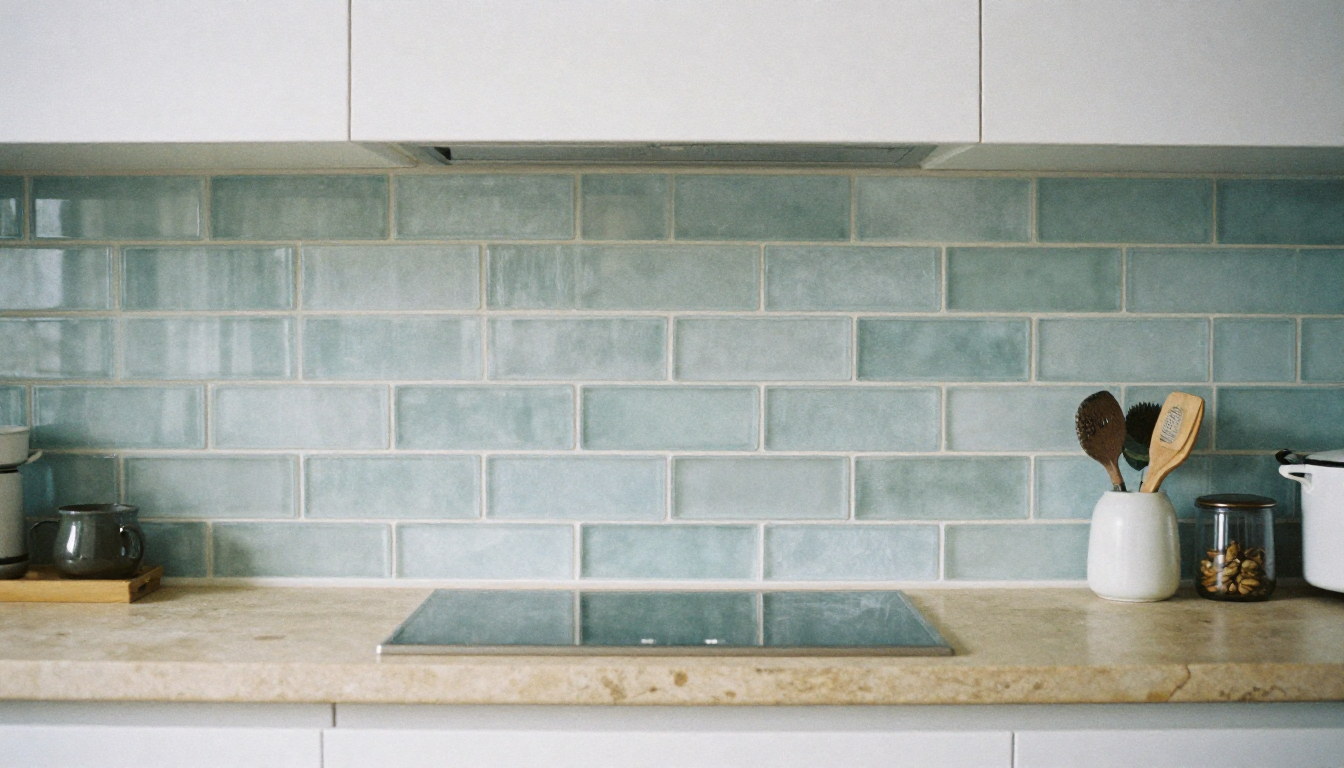
Eco friendly peel and stick backsplash solutions are transforming kitchen and bath renovations by making sustainability easy, affordable, and achievable for everyday homeowners. But with new materials and claims flooding the market, it’s critical to separate true eco-credentials from greenwashing—and to know exactly how to pick and properly install a product that will last.
Key Takeaways
- Eco friendly peel and stick backsplash options are gaining traction, but not all are created equal—look beyond marketing for genuine low-VOC and recycled materials.
- Step-by-step installation requires careful surface prep, correct adhesive use, and smart patterning for the best sustainable finish.
- Pitfalls include unsubstantiated claims, supply chain transparency gaps, and limited durability data—always verify before you buy.
- What Is an Eco Friendly Peel and Stick Backsplash? Why Choose One?
- How to Install an Eco Friendly Peel and Stick Backsplash (Step-by-Step)
- Advanced Analysis & Common Pitfalls
- Conclusion
- Frequently Asked Questions
What Is an Eco Friendly Peel and Stick Backsplash? Why Choose One?
Eco friendly peel and stick backsplashes provide a quick and low-mess alternative to traditional tiling, with the added benefit of reducing environmental impact. These products use recycled, upcycled, or sustainably sourced materials for the tile or sheet, and typically tout low-VOC or non-toxic adhesives. The “peel and stick” mechanism eliminates grout, excess tools, and most waste, making installation simple and accessible for DIYers.
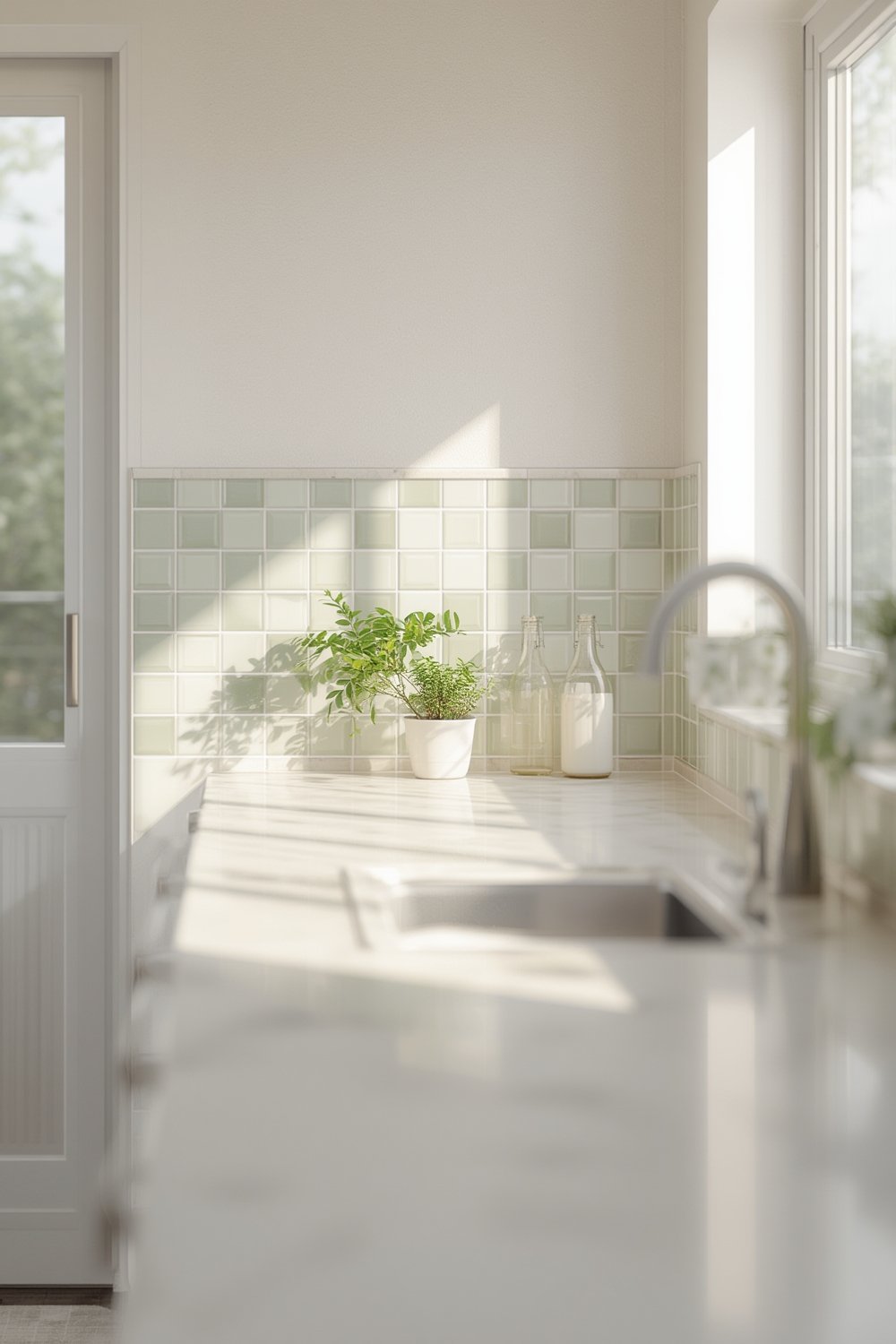
Why does this matter? According to recent market analysis, consumer demand for eco friendly and sustainable tile materials is surging as environmental awareness spreads. By 2025, an estimated 68% of homeowners will prioritize green choices for kitchen remodels. Source.
That said, not every product lives up to its sustainable billing. Look for real evidence of recycled content, non-toxic certifications, and honest sourcing. If you choose wisely, you get a quick upgrade that’s safer for your family and future generations.
Want to expand the eco vibe beyond your kitchen? See how LEGO bamboo sets or peel and stick princess decals can bring sustainability to any room.
How to Install an Eco Friendly Peel and Stick Backsplash (Step-by-Step)
Installing an eco friendly peel and stick backsplash doesn’t demand tile experience, just patience and good prep. Here’s how to do it right the first time—and get the best lifespan from your green product.
- Check the product’s eco credentials. Does the tile or film list its recycled content or low-VOC adhesive certification? Look for actual proof—GreenGuard, Green Seal, or Cradle to Cradle certification (if provided), and review the manufacturer’s website or packaging for real sustainability statements.
- Prep your surface. Clean all grease, residue, and dust from the wall with a degreasing cleaner. Even eco adhesives cannot stick if the surface is slick or damp. Wait until fully dry.
- Measure carefully. Map out your backsplash area and confirm you have enough product, plus a little extra. Plan out how tile patterns or sheets will fit and where to trim for outlets and corners.
- Test a sample tile. Peel off the backing and stick on a small section as a test. Wait a few hours to check for adhesion or odor. (Eco products often have little to no smell, but always ventilate during install.)
- Apply from the center outwards. Starting in the visual center ensures symmetry, reducing waste and awkward edge cuts. Peel, stick, and use a roller or squeegee to press out air bubbles.
- Trim as you go. Use a sharp utility knife or scissors to make precise cuts around outlets, switches, and edges. Take your time—eco materials can sometimes be slightly softer or thinner than standard tiles.
- Double-check seams. Eco friendly adhesives might be less aggressive; ensure all seams and corners are firmly pressed to avoid peeling.
- Finish and clean up responsibly. Dispose of backing paper and packaging via recycling if possible. Wipe the tiles with a damp, soft cloth—no harsh detergents needed, especially with antimicrobial or low-impact finishes.
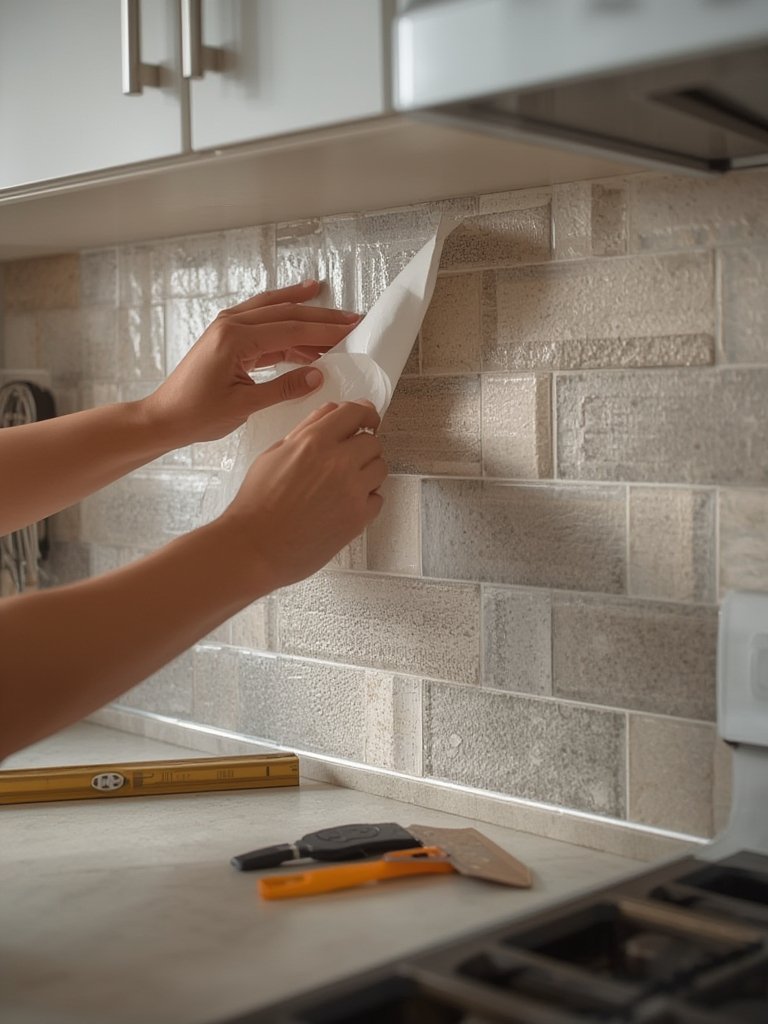
For a visual twist in other rooms, see how peel wallpaper and pink wallpaper use the same clean installation principles—no glue tubes, no harsh odors.
Maintenance is simple: most eco friendly peel and stick tiles just need mild soap and water. Avoid bleach or solvent-based cleaners to preserve the eco top layer and adhesive integrity.
Advanced Analysis & Common Pitfalls
Eco friendly peel and stick backsplashes sound ideal, but several real-world limitations and industry-wide issues need serious attention:
- Greenwashing is rampant. Many brands advertise ‘eco’ features with no third-party verification. Always look for published certifications or transparent sourcing—don’t just believe the packaging.
- Durability and performance data are scarce. While most users report easy installs, there’s little independent lab testing regarding long-term wear, off-gassing, antimicrobial effectiveness, or indoor air quality, especially compared to traditional options. Source
- Supply chain transparency is unclear. Rarely do brands provide a full picture of where materials are sourced or manufactured, making it hard to separate truly sustainable products from well-marketed ones.
- Adhesive technology gaps. Eco adhesives may sometimes sacrifice stickiness or long-term hold compared to traditional products. In kitchens with lots of steam or moisture, this can lead to curled seams, especially without careful surface prep.
- Limited manufacturer leadership. The absence of clear market leaders in sustainable peel and stick backsplashes makes it difficult for consumers to benchmark quality or innovation. Source
| Feature | Sustainable Peel and Stick | Traditional Peel and Stick |
|---|---|---|
| Recycled or Renewable Content | Often, yes (claims vary) | Rarely or never |
| Adhesive Type | Low-VOC (in some brands) | Standard synthetic, unknown VOC |
| Third-Party Certifications | Occasional (but rarely displayed) | Almost never |
| Durability/Longevity | Generally good (but data limited) | Proven for high-traffic use |
| Upfront Cost | Similar to premium options | Wide range, often cheaper |
If you’re seeking more privacy or stylish alternatives in other areas, privacy window films provide peel and stick eco options, too.
Conclusion
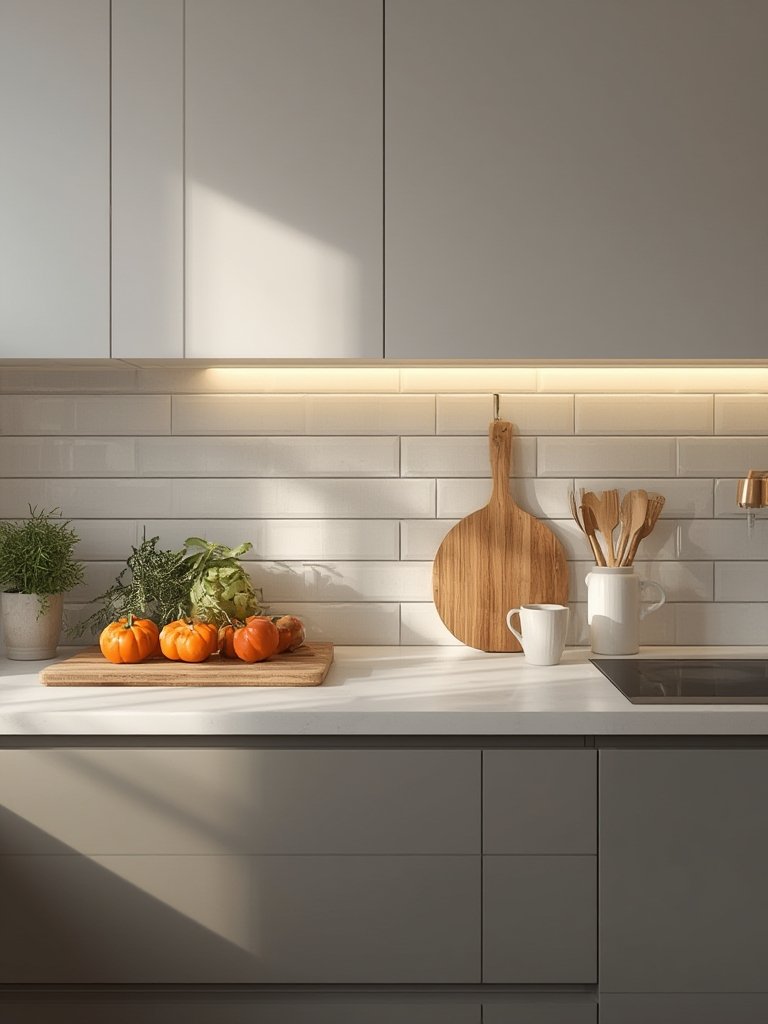
Choosing an eco friendly peel and stick backsplash is a smart way to modernize your kitchen or bath while minimizing your environmental footprint. However, with limited transparency and verification in the current market, it’s crucial to investigate products closely, prep surfaces meticulously, and set realistic performance expectations. Always look for third-party certifications where possible, prep like a pro, and don’t fall for greenwashing. Ready to transform your space? Make your next renovation sustainable—starting with an eco friendly peel and stick backsplash.
Try it on your next project and let the results—and your peace of mind—speak for themselves.
Frequently Asked Questions
Are all peel and stick backsplashes eco friendly?
No, only certain products use recycled, renewable, or low-VOC materials. Always check for verified certifications and transparent ingredient lists.
How long do eco friendly peel and stick backsplashes last?
Well-prepped and properly installed, most last 3 to 7 years, but long-term durability data is still limited compared to traditional tiles.
Will eco adhesives hold up in steam or moisture?
They can, if installed correctly on a dry, clean surface. However, eco adhesives may sometimes be less aggressive—double-check all seams and edges, particularly around stoves and sinks.
Can I find eco friendly peel and stick options for rental-friendly, temporary use?
Yes, many are designed specifically for easy removal and leave no residue, making them ideal for renters and updates without demolition.
Is there a price difference between sustainable and traditional peel and stick backsplashes?
Prices are often similar to mid-range or premium peel and stick options, but budget/value packs are less common in the eco segment.