

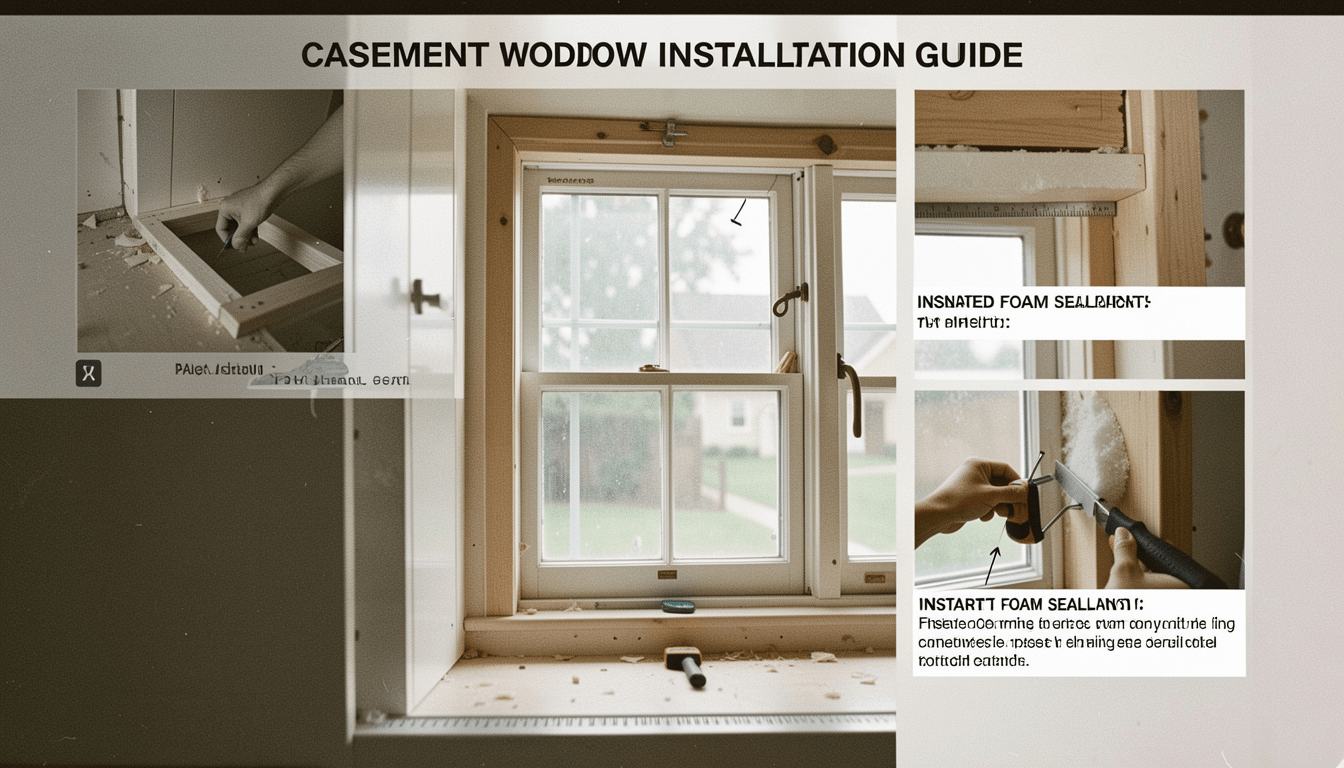
Casement window installation is one of the most effective upgrades for homeowners seeking better energy efficiency, home comfort, and modern design. Should you invest in this style versus double hung or sliding windows? Below you’ll find data-driven answers, step-by-step guidance, and honest insights from real-world experience so you can make a confident decision.
Key Takeaways
- ENERGY STAR certified casement windows can save $71–$501 per year in energy costs and provide a typical ROI of 70%–80% at resale.
- Modern casement window installation offers significant advantages in energy savings and comfort, especially with low-E and triple pane options.
- Installation mistakes or poor window choices can cause air leaks, higher maintenance, and security issues, so careful selection and installation matter.
- The Core Concept: What Is Casement Window Installation?
- Step-by-Step Guide: How to Install Casement Windows
- Advanced Analysis & Common Pitfalls
- Conclusion
- FAQ
The Core Concept: What Is Casement Window Installation?
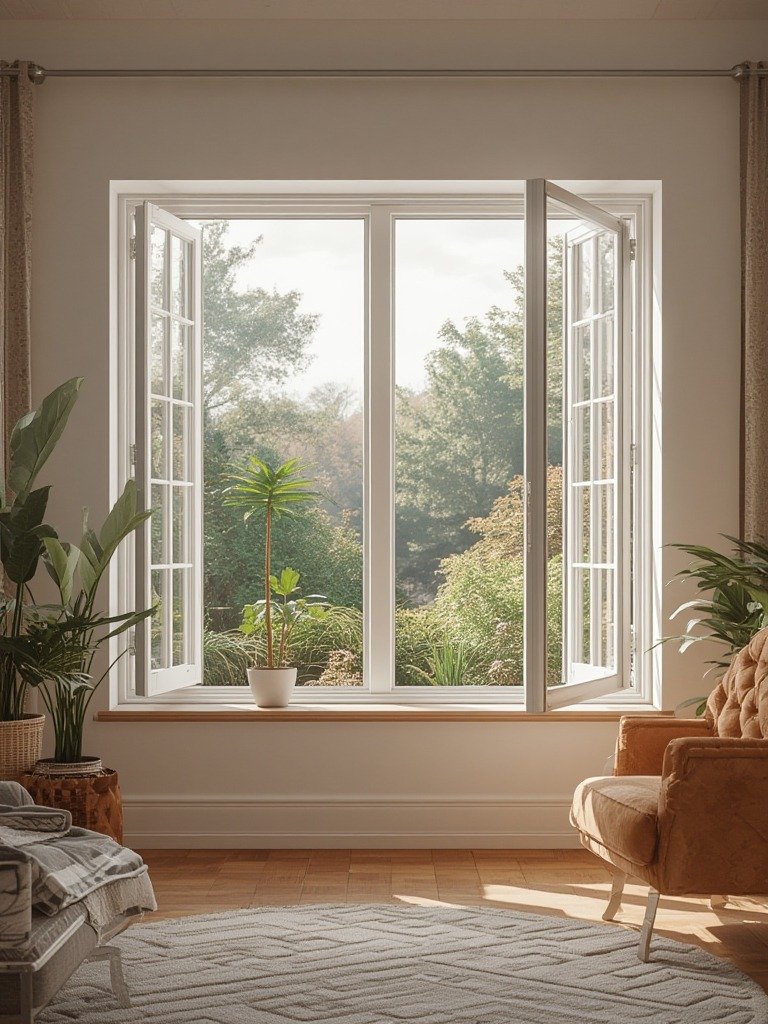
Casement windows are hinged at the side and open outward with a crank or lever. Unlike double hung windows that slide vertically, casement designs can achieve a tighter seal, minimizing air and water infiltration. This style is highly popular in both contemporary homes and energy retrofit projects because it maximizes views, allows strong cross-breezes, and boosts thermal performance.
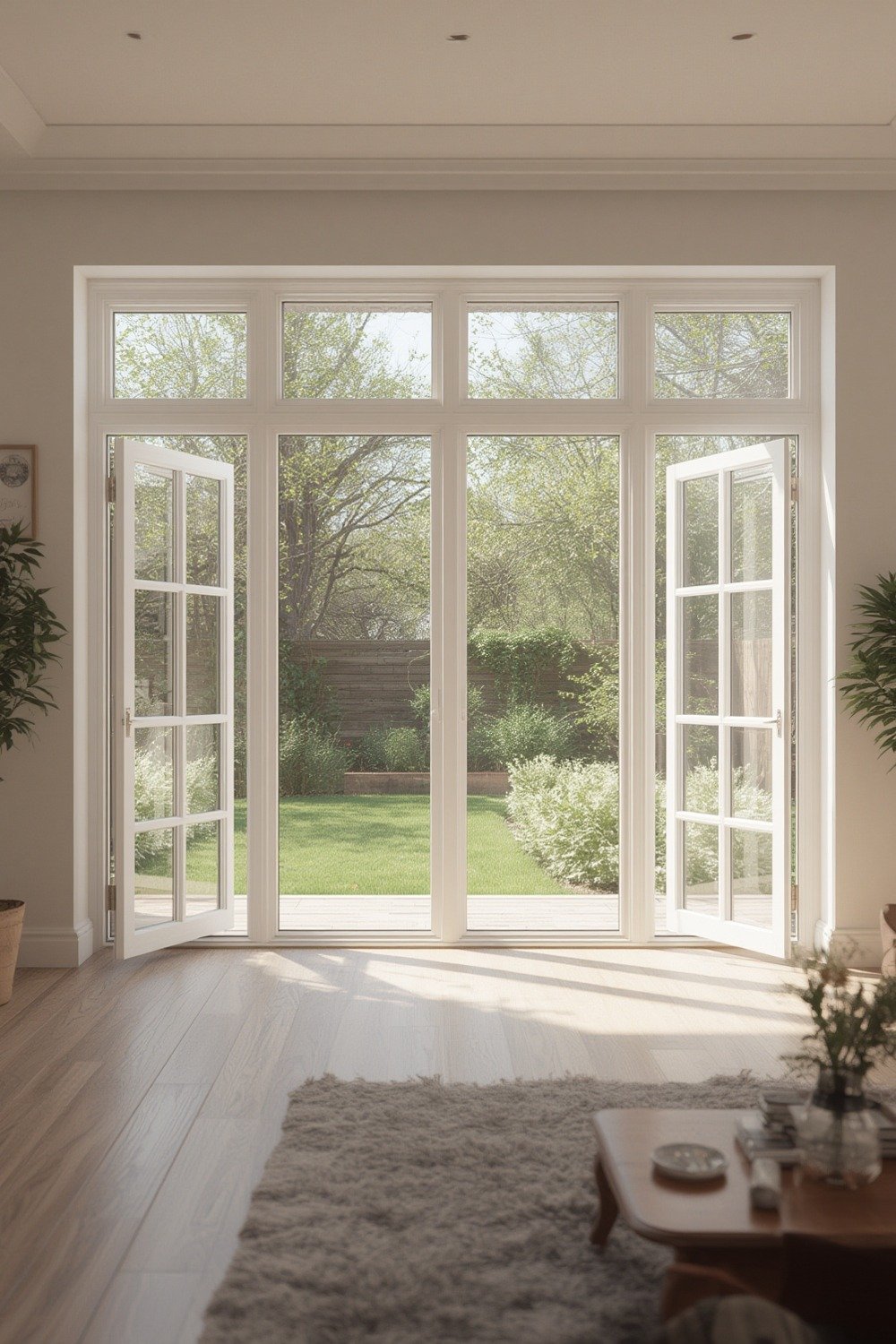
The main reasons to consider casement window installation include:
- Superior Energy Efficiency: Casement models seal tightly against their frames. Modern options feature double or triple glazing, low-E coatings, and vinyl frames to reduce heat loss and gain. According to industry studies, replacing older windows with these units can yield 7–15% in energy bill savings (roughly $71–$501 each year).
- Natural Ventilation: When open, the sash acts as a scoop for breezes, providing better airflow than many other window types.
- Strong ROI: U.S. homeowners can expect a 70%–80% return on their investment upon resale, especially when opting for ENERGY STAR rated models. For more on boosting home value, visit our guide to window installation benefits.
Casement windows fit kitchens, living rooms, bathrooms, and any area where maximum light and ventilation are desired. However, correct installation is critical to realize their efficiency and longevity.
Step-by-Step Guide: How to Install Casement Windows
Proper casement window installation is essential for performance and durability. Below is a step-by-step approach used by professionals and advanced DIYers.
- Prepare the Opening: Remove old window sashes, frame, and all debris. Check for rot or structural issues in the sill or jambs, repairing as needed.
- Install Flashing: Apply self-adhesive or metal flashing at the sill and perimeter to prevent water entry.
- Dry Fit the Window: Place the new casement unit in the opening. Confirm it is square with shims. The window should be plumb and level before proceeding.
- Secure the Window: Screw through the window’s nailing fins into the framing. Do not overtighten—distorting the frame can cause sealing issues.
- Insulate Gaps: Use low-expansion spray foam or fiberglass insulation around the frame, taking care not to overfill. Trim excess after curing.
- Attach Exterior Trim and Caulk: Apply trim, bead caulk meticulously around all edges, and inspect from inside and outside for gaps.
- Install Interior Trim and Hardware: Finish the interior with casing. Install the handle/crank and locking mechanism, and check window operation.
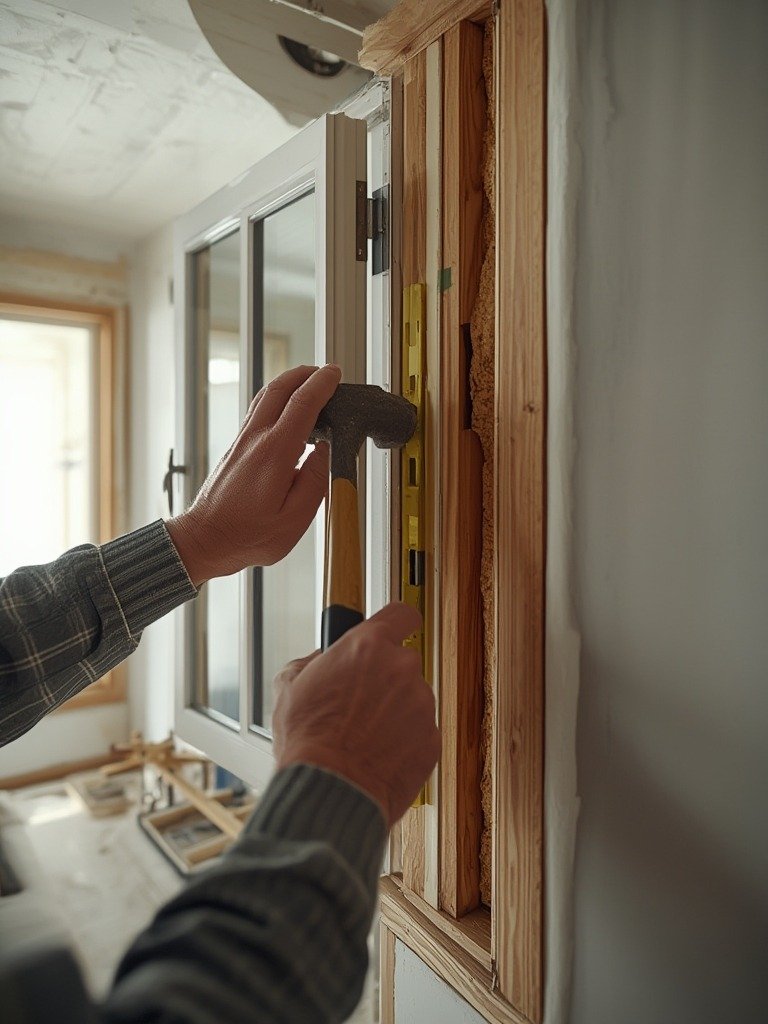
Always follow local building codes and manufacturer instructions for best results. For unique layouts or historic homes, see our guide to historic home window upgrades.
Advanced Analysis & Common Pitfalls
While casement window installation delivers tangible benefits, not everything is perfect. Here’s what you need to know about issues, trade-offs, and cutting-edge tech in 2024:
- Installation Quality Matters: Gaps, bowed frames, or improperly sealed flashing can lead to air and water leaks, negating energy savings and causing interior damage.
- Cost Considerations: There are no precise 2024 cost comparisons for casement vs. double hung available, but the average investment for window replacement is about $12,000 for the whole home. Vinyl options offer the best value (around 67.1% ROI nationally), while wood frames bring a slightly lower return.
For details, see SolarTech’s complete pricing breakdown. - Energy Performance: Low-E and triple pane glass further boost energy efficiency. According to Lake Washington Windows, ENERGY STAR certified windows can cut heating and cooling bills by 7–15%, saving $71–$501 annually depending on your region.
- Warranty and Lifespan: Leading manufacturers offer similar warranties and lifespans on casement and other modern window styles. Always check specific coverage for glass breakage, hardware, and craftsmanship. For more, read our article on choosing a window warranty.
| Window Type | Energy Savings (Annual) | Estimated ROI | Key Features | Notes |
|---|---|---|---|---|
| Casement (Vinyl, Low-E, Triple Pane) | $71–$501 (7–15%) | 70%–80% | Tight seal, crank operation, best for efficiency | Strongest performance; verify local rebates |
| Double Hung (Vinyl/Composite) | $71–$465 (5–12%) | 60%–70% | Traditional look, easy cleaning | Slightly less efficient due to sliding sashes |
| Sliding | $50–$400 (5–10%) | 55%–68% | Horizontal movement, wider openings | Lowest maintenance but not as airtight |
Performance benchmarks show that ENERGY STAR Most Efficient casement windows may qualify for 30% federal tax credits up to $600 (in 2025). However, case-specific studies are limited, and exact payback can vary based on your climate and utility rates.
Potential pitfalls include difficulty with crank mechanisms over time, the need for occasional lubrication and maintenance, and ensuring the locking hardware is robust enough for your security needs. For further discussion on security upgrades, see our checklist on improving window security.
Conclusion
In summary, casement window installation offers top-tier energy efficiency, home comfort, and solid ROI in 2024—if you invest in quality products and flawless installation. While initial costs may be comparable to other premium window types, features like low-E coatings and triple glazing give casement windows a clear edge for performance and payback.
Ready to take the next step? Get expert tips and local quotes in our window replacement guide. Discover how casement window installation can improve your home’s value, energy savings, and year-round comfort. Don’t wait—increased efficiency and peace of mind are just a window away.
FAQ
How much can I save on energy bills with casement window installation?
Switching from single-pane to ENERGY STAR casement windows can save $71–$501 per year, depending on your climate, window size, and utility rates. Low-E and triple pane upgrades improve savings further.
Are casement windows more secure than other window styles?
Casement windows typically offer better security because their locks are embedded in the frame and are difficult to manipulate from the outside. However, installing high-quality hardware is essential for maximum safety. Regular maintenance also keeps locks functioning properly.
What are common mistakes during casement window installation?
Frequent errors include inaccurate measurements, poor flashing application, and over-tightening screws that distort frames. These issues can cause leaks, drafts, or hardware failures. Hiring a professional or following the manufacturer’s instructions closely reduces risks.
Do casement windows require more maintenance than other window types?
Casement windows require occasional upkeep like lubricating crank mechanisms and checking seals, but modern designs make maintenance easy. Choosing vinyl or composite frames reduces the need for painting or frequent repairs.
Can I install smart locks or automation on casement windows?
Some casement windows can be retrofitted with smart locks or automated opening systems, although fewer options exist than for double hung windows. Ensure compatibility with your chosen window hardware and consult with manufacturers for recommendations.